September 30, 2026

About the Media Expert
Shedding light on some of the most exciting new technologies is Christopher Ball, associate professor in the Department of Journalism with an appointment in the Institute of Communications Research. An AR and VR expert, Ball teaches courses including JOUR 430: Augmented and Virtual Reality, which examines the importance and application of immersive technologies, and JOUR 101: Interactive Media & You, which examines the impact of new media and evolving technologies. He has also written about generative artificial intelligence and digital inequality.
Of all the major announcements this “Techtember,” from Apple’s iPhone Duo to Meta’s latest smart glasses, what are you most excited to try and why?
Personally, I am most excited about the iPhone Duo. I am consistently impressed by the quality of Apple’s hardware, but the iPhone hasn’t seen a major change to its basic form factor in almost 20 years. Apple often comes to market later than its competitors, but as a result, it also tends to do things the “Apple way”: high-quality hardware tightly integrated with polished software.
We can see that in some of the small but impressive details of the iPhone Duo, such as how Apple has minimized the visibility of the crease when the phone is unfolded and the smooth animations as the interface transitions between the outer and inner displays. Those details may seem minor, but they are a good example of what makes Apple’s approach to a foldable phone distinctive.

What is the “race for the face” and who’s winning right now?
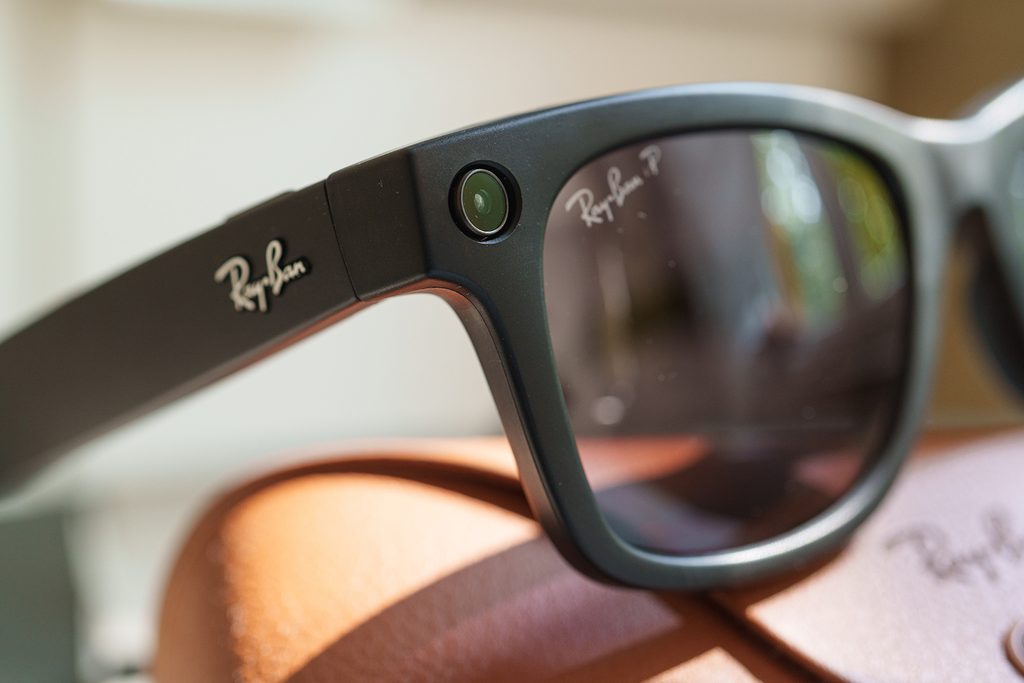
The “race for the face” is how some of us in the emerging technology space describe the heated competition in the wearable market, particularly around glasses. Currently, Meta has the clearest lead, largely because of the success of products such as its Ray-Ban Meta AI glasses. These glasses typically combine cameras, microphones, and speakers for capturing photos and video, listening to audio, taking calls, and increasingly communicating with AI. Importantly, through partnerships with recognizable brands such as Ray-Ban, they also look like something people might actually want to wear.
Keep an eye on this space. Apple is reportedly developing its own smart glasses for release in late 2027, which would represent a significant new competitor for Meta. At the same time, companies such as Snap are continuing to push toward more advanced glasses with displays and augmented-reality capabilities. The bigger “race for the face” is ultimately about which company can make wearable computing useful enough (and normal enough) that people are willing to wear it.
What should consumers be mindful of considering AI technology is outpacing consumer protection laws? What power does the public have?
In general, technology tends to develop faster than our laws or social norms can keep up. AI, in particular, is developing at an incredible rate, so that gap in our understanding and regulation can make new technology feel inevitable, as though we have no role in deciding how it integrates into our lives.
However, I always remind people that we absolutely do have a say in how technology is integrated into our lives, and its adoption is far from inevitable. Google Glass is a good example. When Google introduced Glass more than a decade ago, its built-in camera made many people uncomfortable with the possibility of being recorded by someone simply wearing glasses. That discomfort contributed to significant social pushback, perhaps best captured by the rather hurtful nickname given to some users: “Glassholes.” Privacy concerns were not the only reason Google Glass struggled, but the public reaction demonstrated that social norms can place real limits on how a technology is adopted.
We are seeing something similar today with Meta’s AI glasses. Camera-equipped smart glasses have generated renewed concerns about covert recording and privacy, and critics have even begun using the nickname “pervert glasses.” Meta has now responded by introducing a new line of AI glasses without a camera. That is a useful reminder that companies pay attention to what consumers are (and are not) comfortable with.
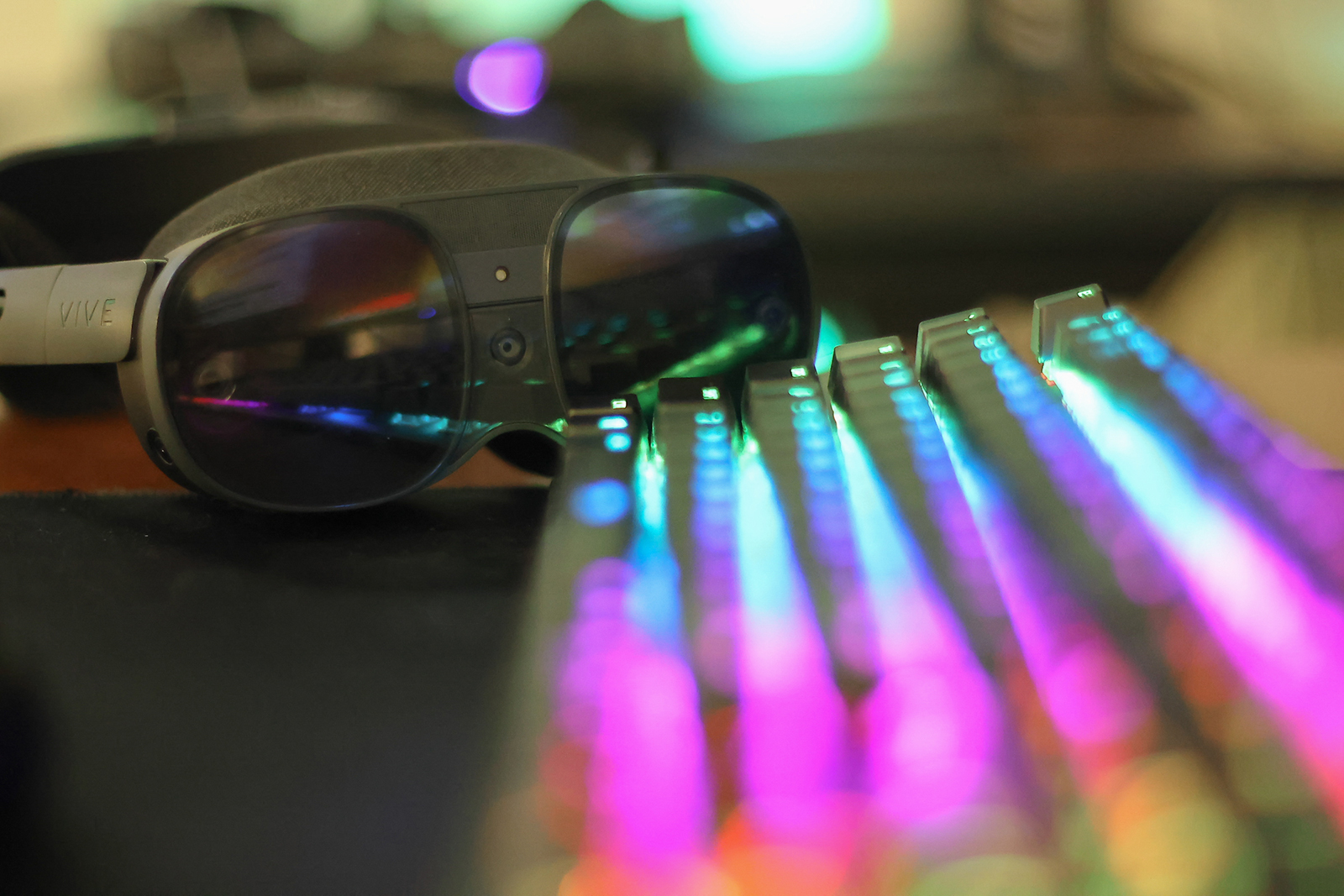
When students in your class put on AR/VR glasses for the first time, what are their reactions? What is your advice on how to approach new and evolving technologies?
I have had the pleasure of introducing AR and VR technologies to hundreds of students over the years, whether through my research or my courses, and it never gets old. Most of the time, the reaction is some version of “wow” as the technology suddenly “clicks” for them.
I think that happens because AR and VR face a unique challenge: they are inherently experiential. You can listen to me lecture about them, read about them, or watch videos of other people using them, but none of those experiences fully communicates what it actually feels like to put on a headset. You really have to experience these technologies yourself before you can begin to understand both what they can do and what they might be useful for professionally or personally.
Of course, not everyone is impressed. Some people simply do not enjoy the experience, and others may experience cybersickness, such as nausea or disorientation while using VR. Deciding that a particular technology is not for you is also a completely reasonable reaction. My advice is to approach new technologies with both curiosity and skepticism. I hope students leave my class excited about the potential of these technologies, but also equipped to approach them cautiously and critically, with an eye toward issues such as ethics, privacy, and who ultimately benefits from their use.

Share on social