Hollywood executive and alumna Emma Miller honored with 2023 College of Media Emerging Leader Award


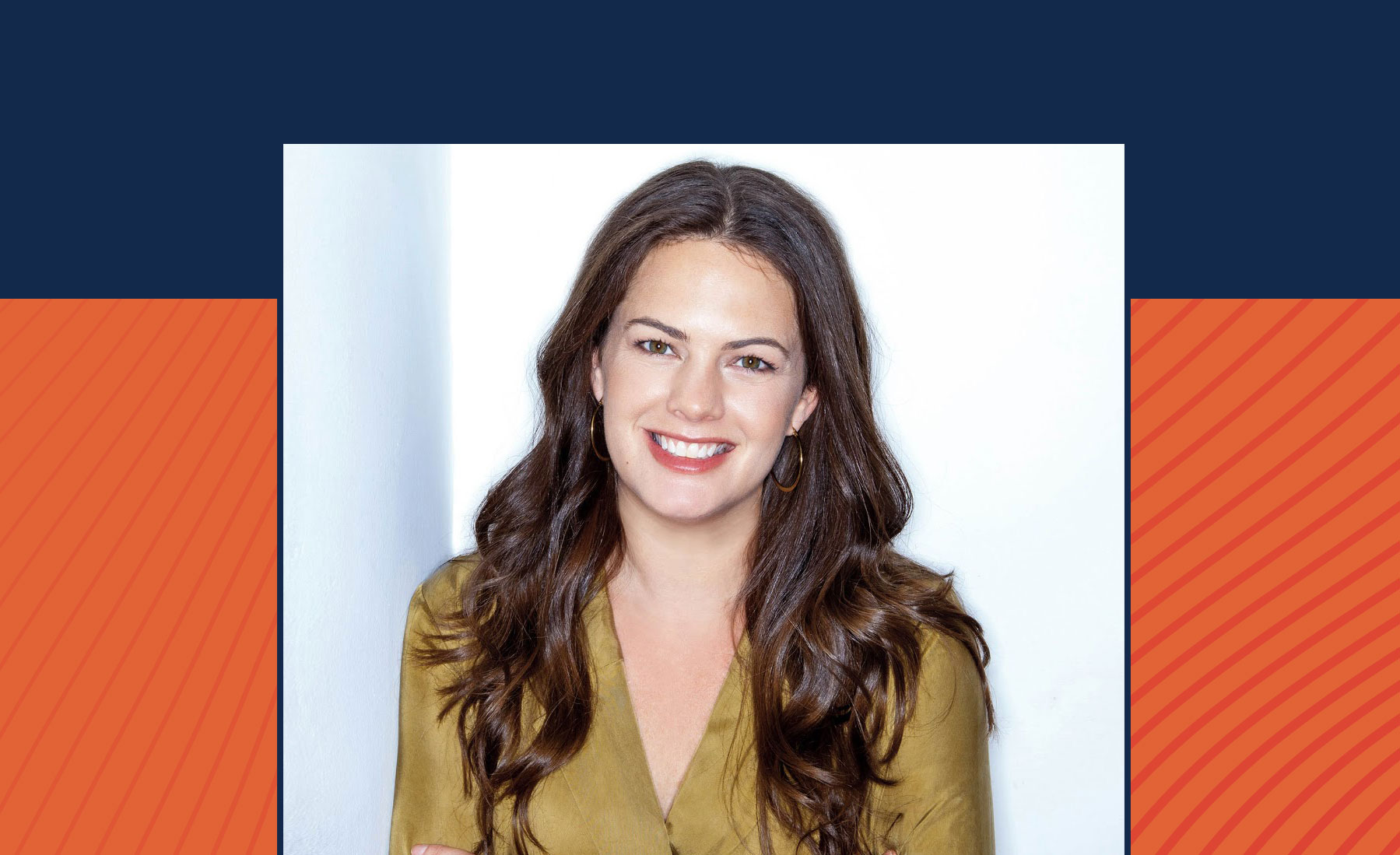
Emma Miller

When Emma Miller (BS ’08, media studies) graduated from the University of Illinois she wasn’t sure where her degree would take her. 

Now, 15 years later as a Hollywood executive taking on a new leadership role at Netflix, Miller can say she’s exactly where she wants to be. 

After eight years as the senior vice president of scripted development and programming at AMC Networks, Miller recently joined Netflix as director of overall deals in the series division. 

Miller’s early career accomplishments, along with her continued engagement with the College of Media including serving on the Alumni Leadership Council, have garnered her the honor of being named the 2023 College of Media Emerging Leader Award winner. She is the first media studies graduate and the third recipient of the annual award.

“The College of Media is proud of Emma Miller’s career achievements and we’re thankful for her eagerness to be a resource for students,” said Dean Tracy Sulkin. “Emma has shared advice on how to navigate the film and TV industry that has been helpful and inspiring to students who are interested in making a career in Hollywood.”

Miller, who was named one of The Hollywood Reporter’s “35 Rising Executives 35 and Under” in 2018, said she was overwhelmed and excited when she received the news that she had won.

“I have a such a love for Illinois so it’s a real honor to be recognized by a place that I care a lot about,” Miller said. 

Throughout her career, Miller has helped develop dozens of hit television series including The Walking Dead universe while at AMC, and The Americans on FX while a junior executive at Steven Spielberg’s production company Amblin Television. More recently, she worked on an AMC project with George R.R. Martin and Robert Redford called Dark Winds, a crime series with a majority Native American cast and crew.

But the Chicago-raised Midwesterner admits when she first set out for Hollywood after college, her path wasn’t very clear. 

Miller considered going to law school to pursue a career as an entertainment lawyer but decided to find a job first. 

After a lot of persistent if not frenzied effort on her part, Miller said she lucked out and landed her first job as a literary assistant at the talent agency William Morris. 

“I just talked to everyone and applied to everything, and I got really lucky through that method, that really chaotic method,” Miller said. “In terms of getting into the industry, my advice is to talk to everyone that you possibly know that could help. Be shameless [about it] and ask for help. That’s how I did it.” 

After gaining a couple years of experience as a literary assistant, Miller discovered the concept of development—which she said is similar to being a book editor who supports writers and gives feedback—and realized “there was a place for me here.” 

“That’s when everything became way less chaotic and way more focused,” she said. 

She has participated in two Media Career Night panels for students, one in 2020 and one in 2022, where she shared her experience and advice. (Recordings of the panels are archived online.) For Miller, it’s important to help students who were once like her and just starting out on their journey to working in Hollywood. 

“I want to help Illinois have more of a presence within the industry and I want to help be a resource for [graduates who] come out here,” she said. 

Miller originally came to the University of Illinois with plans to study English, but she became intrigued with the idea of working in the entertainment industry after taking a Women in Film course her freshman year. She signed up for more film classes and took advantage of a summer opportunity to work as a set production assistant on a Cartoon Network series produced by her uncle, which ultimately inspired her to switch majors.  

“It was the exposure to the industry, and the realization that at Illinois there was a major I could do, that kind of cut me for a potential job in the industry,” Miller said.

She’s incredibly happy where she ended up.

“My life looks like what I thought I wanted, which was just exposure to a lot of interesting things and a sense that I don’t know what the next five years will bring [professionally],” she said. “I like the idea that in theory I don’t know what I’m going to be working on in five years, I don’t know what relationships I’ll have, I don’t know what new experiences I’ll have. And that to me is what I always wanted.”
MSNBC legal analyst, author, podcast co-host and alumna Jill Wine-Banks to speak at Media Convocation


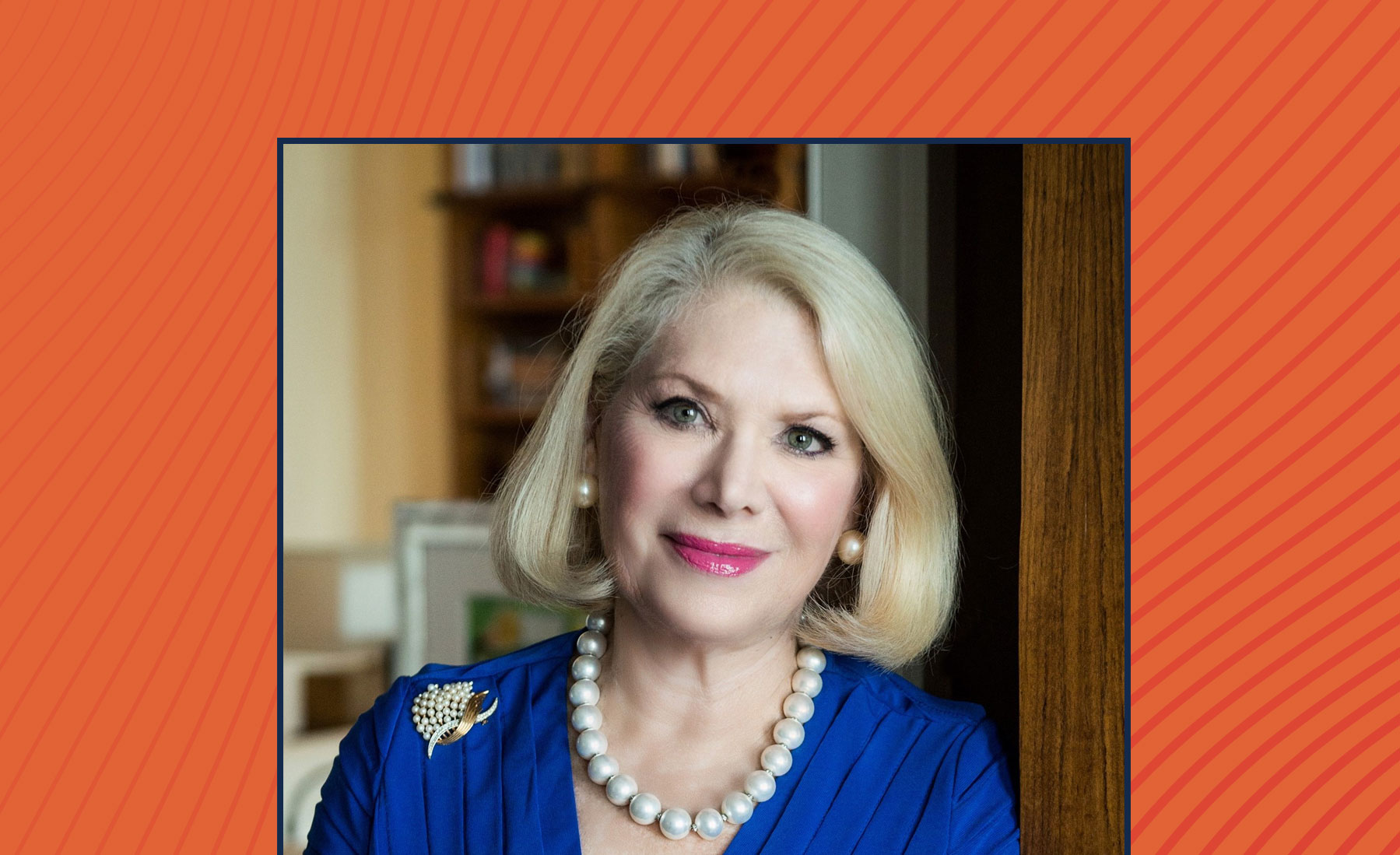
Jill Wine-Banks

Jill Wine-Banks (BS ’64, journalism), MSNBC legal analyst, author, and podcast co-host, is excited to return to the University of Illinois to serve as the alumni speaker at the College of Media Convocation ceremony on Sunday, May 14—marking her first visit back to campus in 44 years. 

“Obviously the University has changed a good deal since 1979 and so I’m very much looking forward to seeing the physical campus, walking around to see what’s happened to my sorority house, to the library, Kam’s, and Greg Hall, of course,” Wine-Banks said. “But mostly I remember my friends and professors.”

She also plans to visit Krannert Center for the Performing Arts as well as the Alma Mater statue and the Quad, just a few of the many landmarks that come to mind when she recalls her time on campus.

“Those are the kind of things that I think of, but I also think of all the doors that the University opened for me,” Wine-Banks said. “If it hadn’t been for a good education at UIUC, I wouldn’t have gotten into an Ivy League law school, I wouldn’t have become a journalist now, or a lawyer before that. I’m grateful for the education I got.”

Wine-Banks says after graduation, gender discrimination was prevalent in journalism, and she was only offered jobs to write for the “women’s pages,” so she decided to attend the prestigious Columbia Law School in New York to improve her chances of being considered for more hard news opportunities. 

“I ended up in law school to get a better job in journalism, and it worked 50 years later,” she said. 

Wine-Banks started her notable law career as the first woman to serve as an organized crime prosecutor at the U.S. Department of Justice in Washington, D.C. Less than five years later, she was named one of the three Assistant Watergate Special Prosecutors, and the only woman, for the obstruction of justice trial against President Nixon’s top aides. She became a major player in the Watergate tapes hearing that preceded the trial, cross-examining Rose Mary Woods, President Nixon’s secretary, about the 18 ½-minute gap in a key White House recording.

She also had a couple of female role models who inspired her, including an early pioneer in television journalism, Nancy Hanschman Dickerson, whom she heard speak during her freshman year at the University of Illinois. A couple of years later Wine-Banks represented her sorority Iota Alpha Pi at a national convention in New York and visited the United Nations where she saw UN correspondent Pauline Frederick. Seeing these two women excelling in their exciting careers had a big impact on Wine-Banks. 

“I’d have to say that both of those women influenced me, as did [Pulitzer Prize-winning reporter and New York Times columnist] Anthony Lewis,” she said. 

Her legal career also includes service as the first female General Counsel of the U.S. Army where she helped integrate women into the Regulate Army by eliminating the Women’s Army Corps, and into West Point; as the first Solicitor General of Illinois where she argued in the U.S. Supreme Court and first female Deputy Attorney General; and as the executive vice president and chief operating officer of the American Bar Association, the only woman to have held that position. 

In addition to her post at MSNBC, Wine-Banks is also co-host of two Politicon podcasts: #SistersInLaw with three other MSNBC contributors discussing the hottest legal issues of the week, and iGen Politics with a 21-year-old college junior bringing an intergenerational approach to political issues, interviewing leading politicians, cabinet officers, activists, and journalists. 

She describes her podcast iGen Politics as a dream come true because “anybody who I can think of [to interview] I can call, and they say yes.” Some of her most memorable interviewees include former U.S. Secretary of State Madeleine Albright and Pulitzer Prize-winning journalist Nicholas Kristof, along with numerous senators and Congress members. 

The Watergate Girl

Wine-Banks is also the author of a memoir, The Watergate Girl, that was optioned by Katie Holmes to become a movie, and is beginning work on a second book that looks at the Trump administration through her pins, a tradition with its own hashtag: #JillsPins. 

Wine-Banks wears a different pin that has topical relevance and posts a photo on her website and social media in advance of her appearances on MSNBC. 

“I have always loved brooches as accessories. You will see in my high school yearbook, I’m wearing a pin. If you look carefully at the Watergate pictures [taken during the trial], I’m wearing pins,” Wine-Banks said. 

During her first appearance on MSNBC to discuss an op-ed piece she wrote, she donned a pin of an eagle holding a shield. 

Viewers went to Twitter, which was new to her at the time, to ask about the pin and Wine-Banks realized simply wearing the pin had the power to send a message. Now she finds pins at flea markets, antique shows, Etsy, and frequently receives them as gifts from her followers.

For the Media convocation ceremony, Wine-Banks has already set aside an “Illinois” pin to wear.

Richmond Studio to undergo $2M renovation to create state-of-the-art broadcast facility


Richmond Studio

Students in the College of Media will have access to a state-of-the-art broadcast studio and newsroom this fall after nearly $2 million in renovations are completed at the Richmond Studio.

Since 1999, the studio—connected to Campbell Hall, the home of Illinois Public Media—has served as the site for the college’s broadcast journalism courses. Three student broadcasts are currently produced at the studio for the University of Illinois public access TV channel UI7, including UI7 Live, Illini Sports Night, and Good Morning Illini.

The renovation project, which will begin in mid-March and is expected to reach substantial completion before the Fall 2023 semester begins, is made possible thanks to a gift from Richard and Leslie Frank. In 2020, the Franks gave the College of Media $7.5 million—the largest gift in college history—to establish the Richard and Leslie Frank Center for Leadership and Innovation in Media and to renovate Richmond Studio. This project is the first major overhaul of the building since it was erected in 1996, funded by a $2 million gift from Jack C. and Marjorie Laird Richmond.

“Through their enthusiastic support and generosity, Richard and Leslie Frank are ensuring our next generation of broadcast journalists will enter the profession ready to make an impact,” said Mira Sotirovic, associate professor, Karin and Folke Dovring Scholar in Propaganda, and head of the Department of Journalism. 

The renovation project includes a fully remodeled studio with a new control room. A new equipment storage and check-out room will be built, as well as a video and audio production room where students will be able to record podcasts. 

The existing classroom and computer lab located adjacent to the studio will become a collaborative room that serves not only as a class meeting space with a lab but also a newsroom and green room. A scrolling, LED news ticker will be installed around the perimeter of the newsroom and computer lab area. (Pictured above is a rendering of the newsroom and green room.)

Most of the current equipment—including studio cameras, lights, and the control systems—will be upgraded to more modern versions that newsrooms around the country are currently using, allowing students to learn best practices. 

“My commitment to the University of Illinois, and Leslie’s career and passion for journalism, inspired us to want to give back to the journalism program by creating a new, state-of-the art broadcast facility,” Rich Frank said. “We are really impressed with the program here and the people who are dedicated to making it one of the top in the country.”

“Shaping journalists starts at the university level,” said Leslie Frank. “We feel that the University of Illinois has a fantastic journalism program and think our contribution will only enhance it, giving students more advantages and opportunities to become successful in their future journalism careers.”  

Richmond Studio broadcast
Students on the set of Richmond Studio broadcast an episode of UI7 Live. (Photo by Kenneth Erdey.)

Kenneth Erdey, instructor of journalism and technical coordinator for the Richmond Studio, says he’s excited to see the new opportunities the renovations will bring to students. 

He expects to see expanded televised programming, live reporting from various locations outside of the studio, and more breaking news coverage, which will be beneficial to students. 

“On-camera talent is going to get better because there’s going to be more opportunity for them to [be on-air],” Erdey said. “Newscasts will improve because there will be more opportunities to cover breaking news.”

Alison Davis, lecturer of journalism and Emmy-award winning documentarian, is thrilled about the revamped studio and increased access to experiential learning. 

“The renovated space will not only give students access to the latest technology but it will be a space for collaboration,” Davis said. “We hope students in all classes will use Richmond to further their creativity and journalism skills whether it is joining the UI7 Newsroom RSO, creating a podcast, anchoring a newscast, or producing their own TV show.”

Erdey, who has taught at the studio for 12 years, says his goal has always been to give students a sense of a real, working newsroom. 

“I want this building to be a working experience, but also allow students to make the mistakes they need to make before they get their job,” Erdey said. “The work students are doing here is not just college work, it’s [broadcast] television.” 

March 10 is the last day classes will be held at the studio before it’s closed for construction. However, students will continue reporting for the duration of the semester, making video stories to be uploaded to ui7newsroom.com. Live studio shows will be limited to one special per show. 

“The Department of Journalism is dedicated to preparing students for an industry that will continue to evolve with changes in technology,” Sotirovic added. “When Richmond Studio reopens, the new experiences it will offer will give students a distinct career advantage in today’s dynamic media environment.”

New journalism master’s degree track focusing on science and technology receives campus funding

MS Journalism in science and technology

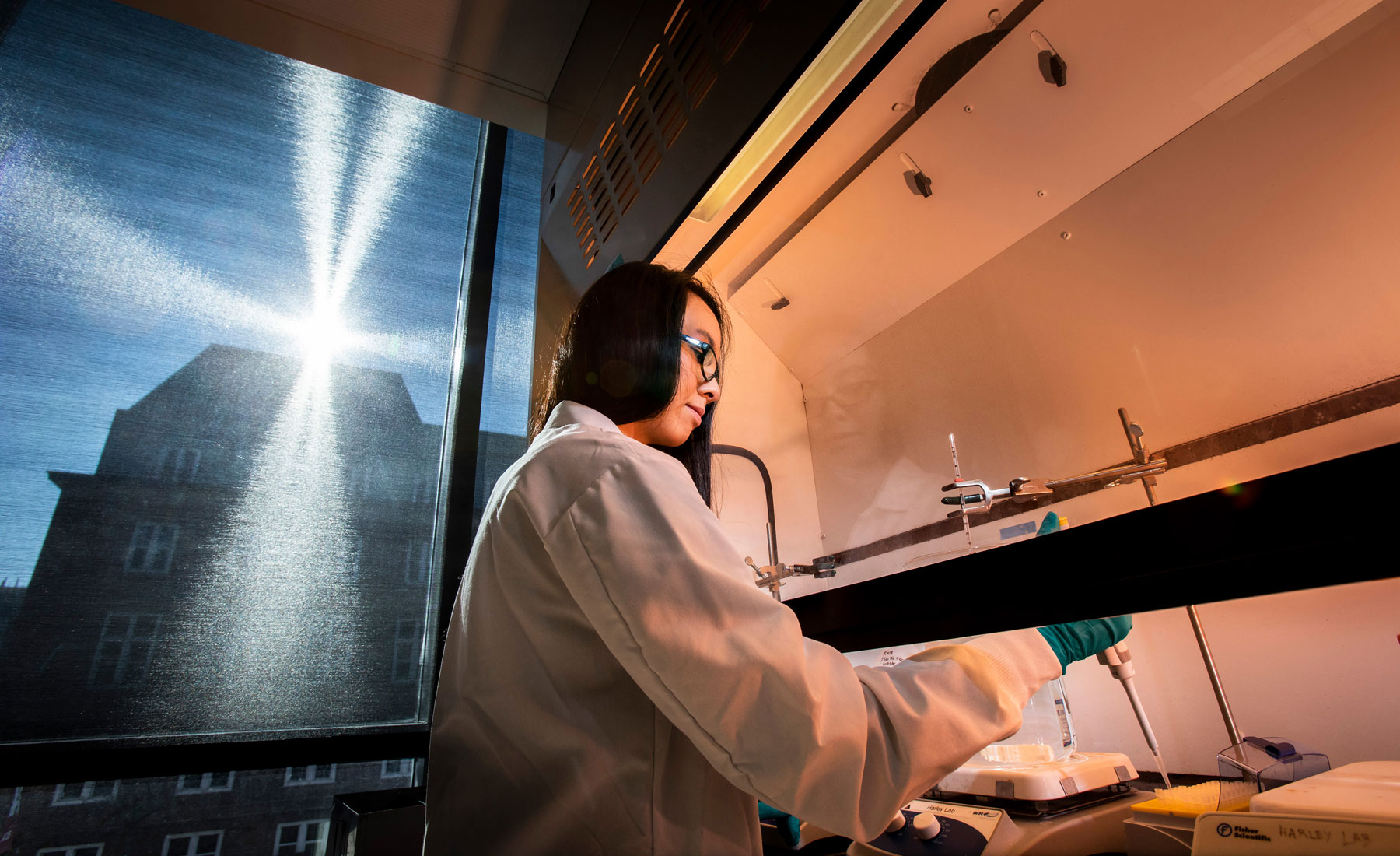
With a significant need for professionals to communicate science, discoveries, and innovations to the general public, a flexible hybrid/online program—with a focus on science and technology—will be offered through the journalism master’s degree beginning Fall 2023.

Students can earn the Master of Science in Journalism degree with a focus on science and technology journalism entirely online in as few as two semesters full-time or can tailor a part-time schedule over additional semesters. Students also may opt to take courses that “stack” to a professional credential, and those courses can later be applied to a degree. 

The new program is a collaboration between the College of Media and the Carl R. Woese Institute for Genomic Biology and was one of 10 projects selected this year to be funded by campus’s Investment for Growth program, to enhance the visibility and impact of the University of Illinois. 

“The Department of Journalism is proud to expand our curricula to train current and future journalists how to communicate important scientific and technical information to the general public,” said Mira Sotirovic, head of the Department of Journalism and associate professor and Karin and Folke Dovring Scholar in Propaganda. “We have seen a growing interest in, and a growing need for, science communication and are thrilled to receive Investment for Growth funding to begin meeting the demand.”

The new curricula will also offer a science and technology communication certificate for undergraduates, and the online 400-level courses in this track will expand paths to degree completion for undergraduates.

“Scientific research and innovation are present in our daily lives, in seen and unseen ways,” said Claudia Lutz, outreach manager at the Institute for Genomic Biology. “As the last few years have reminded us, this is particularly true of the field of genomics, which intersects with almost every aspect of both life sciences and society. We are excited to help give future science journalists an inside look at how science is done and a broader awareness of its impact.”

The timing of this program coincides with needs voiced by the science communication industry for such training, especially since the COVID-19 pandemic, but also to report on critical stories of our time including climate change, nuclear and chemical warfare, and health and wellness. For example, Scientific American published “How the Pandemic Remade Science Journalism,” (2022), NiemanLab reported on “Reporting That Hits Home: Covering Science for Local Audiences” (2022), and the Proceedings of the National Academy of Sciences covered “Science Audiences, Misinformation, and Fake News” (2019). 

The online master’s program and individual course modules are ideal for journalists and prospective journalists who want to improve and specialize in science writing or to gain a competitive advantage in the field; scientists and their academic colleagues who wish to be more effective in communicating to lay audiences; and communications professionals who work for nonprofits, government agencies, or science- or technology-focused corporations who are interested in boosting their skills and understanding.

Courses will cover writing science stories in plain English; the basics of data journalism, including building databases and analyzing data; visualization in newsrooms; humanizing data through video storytelling and humanizing science communication by harnessing virtual reality; and more. Students will also examine the science of genomics and its applications to environment, health, and technology through course modules. See a sample course sequence for the master’s degree and sample course modules.

As part of the preparation for enrolling students next fall, the Department of Journalism is hiring a new professor in science, technology, data, or digital journalism to supplement the course offerings. 

“They will have an important role in the new concentration,” Sotirovic said. “The new faculty member will teach courses in science journalism, as well as some combination of courses in data journalism, social media analytics, and other courses based on their own expertise and interests.” 

Additionally, the Institute for Genomic Biology is hiring a postdoctoral fellow in science communications curriculum coordination. This position will help develop course materials and oversee experiential learning for students in the program.

Learn more about the program and the application details. The deadline to apply is March 3, 2023. 

For more information about this program, please email Mira Sotirovic.

—Holly Rushakoff

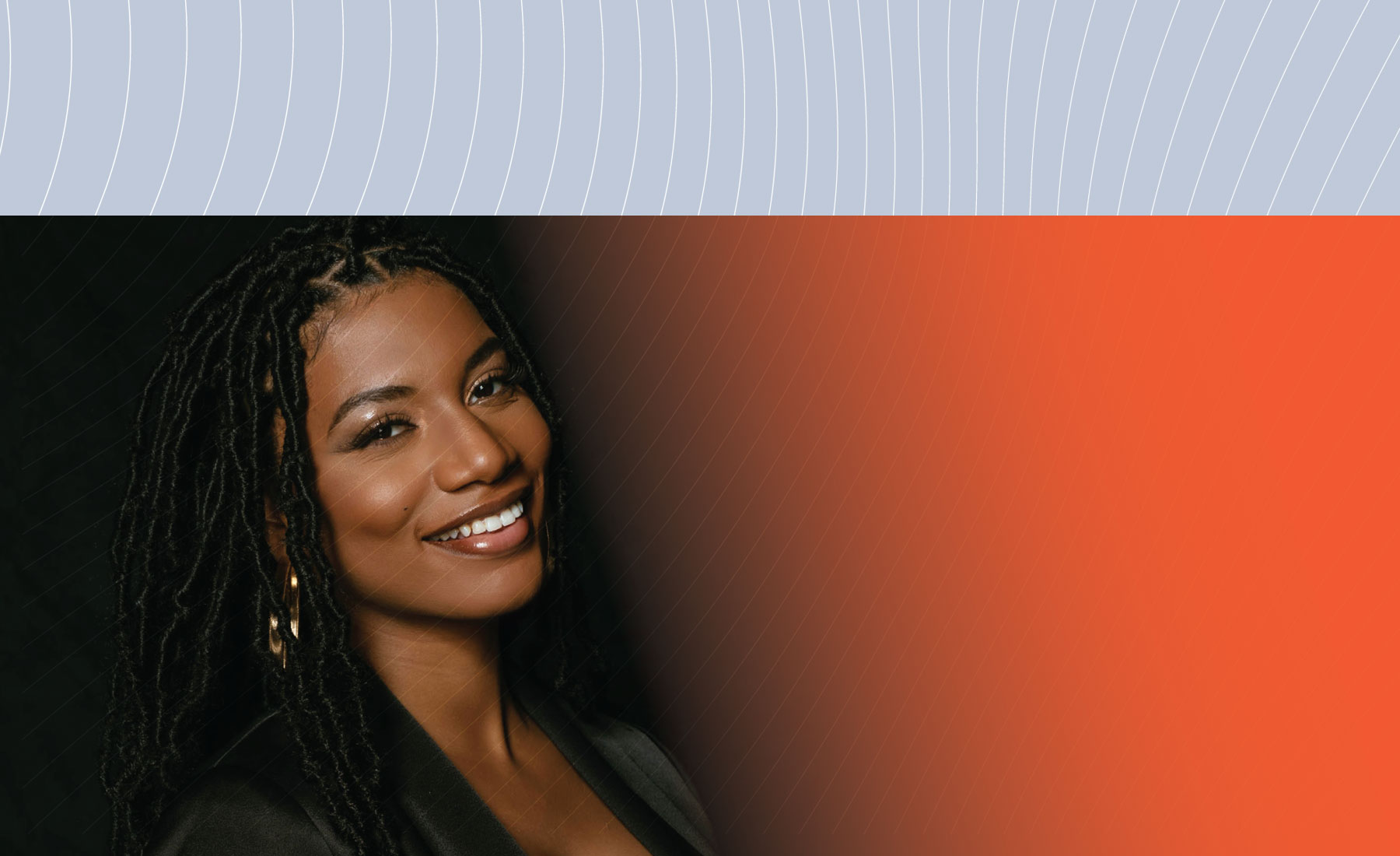
Rooks receives 2022 College of Media Emerging Leader Award


Taylor Rooks
Taylor Rooks (Photo by Raven B. Varona.)

Taylor Rooks (BS ’14, journalism), sports journalist and broadcaster at Bleacher Report, is known in the field of sports journalism for her interviewing skills and for her ability to connect with athletes. She was recently nominated for a 2022 Sports Emmy Award for “Outstanding Personality/Emerging On-Air Talent.”

Rooks said her time at the University of Illinois provided the opportunity for her to ask questions and was an important foundation for her career today.

The College of Media has selected Rooks as the recipient of the 2022 Emerging Leader Award, which honors an alum for their exemplary early career achievements and engagement with the college.

“As sports media fans already know, Taylor Rooks is a talented and innovative journalist, and we are fortunate to have her share inspiring personal and career experiences with students in the College of Media,” said Dean Tracy Sulkin. “We are proud to recognize her with the Emerging Leader Award.”

Rooks has been a panelist at a 2021 Media Career Night focused on sports media; she is part of the college’s Alumni Speakers Bureau and has been a featured guest in journalism classes; and she is involved in a College of Media mentoring program that pairs alumni and students from underrepresented populations, where alumni share perspectives and advice.

“Things are so much more special when they come from places or people or institutions that you have a very deep emotional tie to, and the University of Illinois has been so important in my life and in my family’s life,” Rooks said.

Both of her parents attended Illinois, where her mother was a broadcast journalism major and her father was an Illini running back and studied political science.

From the start of Rooks’s time at Illinois, she was involved with the athletic department and applied her studies to her interests in sports media.

“Being around that environment really showed me that doing the media side of it was something that I could do, and could excel at,” she said. “And the College of Media gave me the tools.… That was the first time that I really saw how the team aspect of news is what really makes it work. And that’s something I have carried with me ever since.”

Rooks was involved with the Big Ten Network as a student, and worked for them full-time after graduating. From there, she spent two years at SportsNet New York before being hired at Bleacher Report.

At Bleacher Report, Rooks had her own web series, Take It There with Taylor Rooks, where she did longform interviews with athletes such as Jimmy Butler and DeMar DeRozan. Her episode “Inside the NBA Bubble with Taylor Rooks” was a 2021 honoree for a Webby Award in the Social, Sports (Series & Campaigns) category. Along the way, she has developed a large following on social media, with nearly 500,000 followers on Instagram and more than 240,000 followers on Twitter.

As an interviewer, she tries to engage in conversations that tell a story.

“When you have conversations with [people] on a human level and you allow them the space to tell you who they are, you have a better understanding of them completely,” Rooks said.

Rooks said she sees a lot of dehumanization of athletes in sports and it can be hard for fans to understand that these players are human beings with real emotions.

“We only see people for what they do,” Rooks said. “And it’s just really important to me to let them feel like their voice exists and that it’s important, and that when they sit in the chair, they can use their voice in whichever way they wish.”

And these emotions are often connected to identity, Rooks said. Most of the athletes she talks to want to discuss how they feel in relation to their Black identity or womanhood, for example.

“Those are all things that have to be in the conversation to get a full scope of someone’s life from a perspective, someone’s point of view,” Rooks said.

Rooks said it also helps when she shares her own experiences as a Black woman, something she did when she was inside the NBA Bubble, an isolation zone for basketball players during the final games of the 2019-2020 season and 2020 NBA playoffs, when the pandemic began.

It was the summer where protests following the murder of George Floyd were at their height, affecting many of the players inside the bubble but also Rooks herself, as a Black journalist.

Calling it the best thing she’s done in her career, Rooks said the experience taught her about her responsibilities as a journalist and how it’s necessary to tell multiple stories at once.

“Because with all these people in a place, the experiences aren’t monolithic,” she said.

There were players who wanted to leave the bubble to join the George Floyd protests, and players worried about their families getting COVID-19.

“You wanted to do right by them and tell the stories in the ways they intended for them to be told. And we all just wanted our work to reflect the duality that was happening in the bubble,” she said.

Her own identity and experiences has helped in the storytelling she does—something that Rooks encourages students to remember.

“It’s so much less about having to shy away from stories you have a personal connection to and more so about understanding how lending your voice to it actually pushes it forward,” she said.

Everyone’s lives are different, Rooks said. She advised focusing on things that can be controlled and that it’s okay to not have everything figured out as a college student.

“What you can control is working, waking up and trying to be better, looking inside to figure out the things that move you, that make you feel passionate, and you cultivate those,” she said.

Klues receives 2022 College of Media Distinguished Alumni Award


Jack and Beth Klues

(Jack and Beth Klues.)

Jack Klues (BS ’77, advertising), who has led some of the largest media companies over his 35-year career, has been selected to receive the 2022 College of Media Distinguished Alumni Award. 

The award honors an alum whose career accomplishments and engagement with the College of Media are exemplary. 

Klues has been a major supporter of the college. In 2015, the Klues Family Foundation donated $1 million to the Charles H. Sandage Department of Advertising to fund scholarships for underrepresented students with significant financial need, helping 60+ students since then. He has also participated on the James Webb Young Board, a professional advisory board for the Sandage Department of Advertising, taught an advanced media strategy class in the mid-1980s, and regularly recruited Illini talent.

“I’m just so impressed and gratified and honored to represent the college because it continues to be so forward-thinking, as it relates to instruction and education in the space,” Klues said. “That availability and that connection to the professional media industry is so powerful and yet unique to the University of Illinois.”

“Throughout his career, Jack Klues has been an advocate for the inclusion of a variety of voices and ideas, and his generous gift supports diversity in the industry by providing opportunities for advertising students in need, whether it’s financial scholarships, paid internships, or experiential learning experiences,” said Dean Tracy Sulkin. “Jack continues to drive the industry forward and we’re thankful for his commitment to higher education.”

Klues called his time at Illinois “a great launching pad for a professional career.” He began at Leo Burnett as an account executive in the media department, where he worked on planning and placement for companies like Pillsbury and Green Giant. By 1996, he was part of a management team that created a media services agency under Leo Burnett called Starcom, one of his career highlights. 

“I have to put that high on my list of accomplishments—something I will always remember,” Klues said. “And it taught me that I have the right career path and choice.”

Leo Burnett merged with another media agency, DARCY, in 2000. Their media company, Mediavest, was part of a larger merger that resulted in the formation of the Starcom Mediavest Group, where Klues was the global CEO. When Starcom was acquired by Publicis Groupe in 2003, he became the global CEO for Publicis Groupe Media. From 2007 until his retirement in 2012, Klues was CEO at VivaKi, one of the first fully digitally-integrated agencies.

For more than two decades, Klues has served in a variety of leadership roles related to education. In his retirement, Klues established Mentridge, a mentoring program for college graduates entering the job market. He has been involved with Off the Street Club, Chicago’s oldest boys and girls club, for more than 25 years, including serving on the board of directors and acting as vice president of fundraising.

Learn more about Jack Klues’s career and his connection to the College of Media: Klues gift helps diversify advertising industry by opening doors for minority students 

Journalism alum Murray wins Pulitzer Prize in Investigative Reporting with ‘Tampa Bay Times’ team

Eli Murray
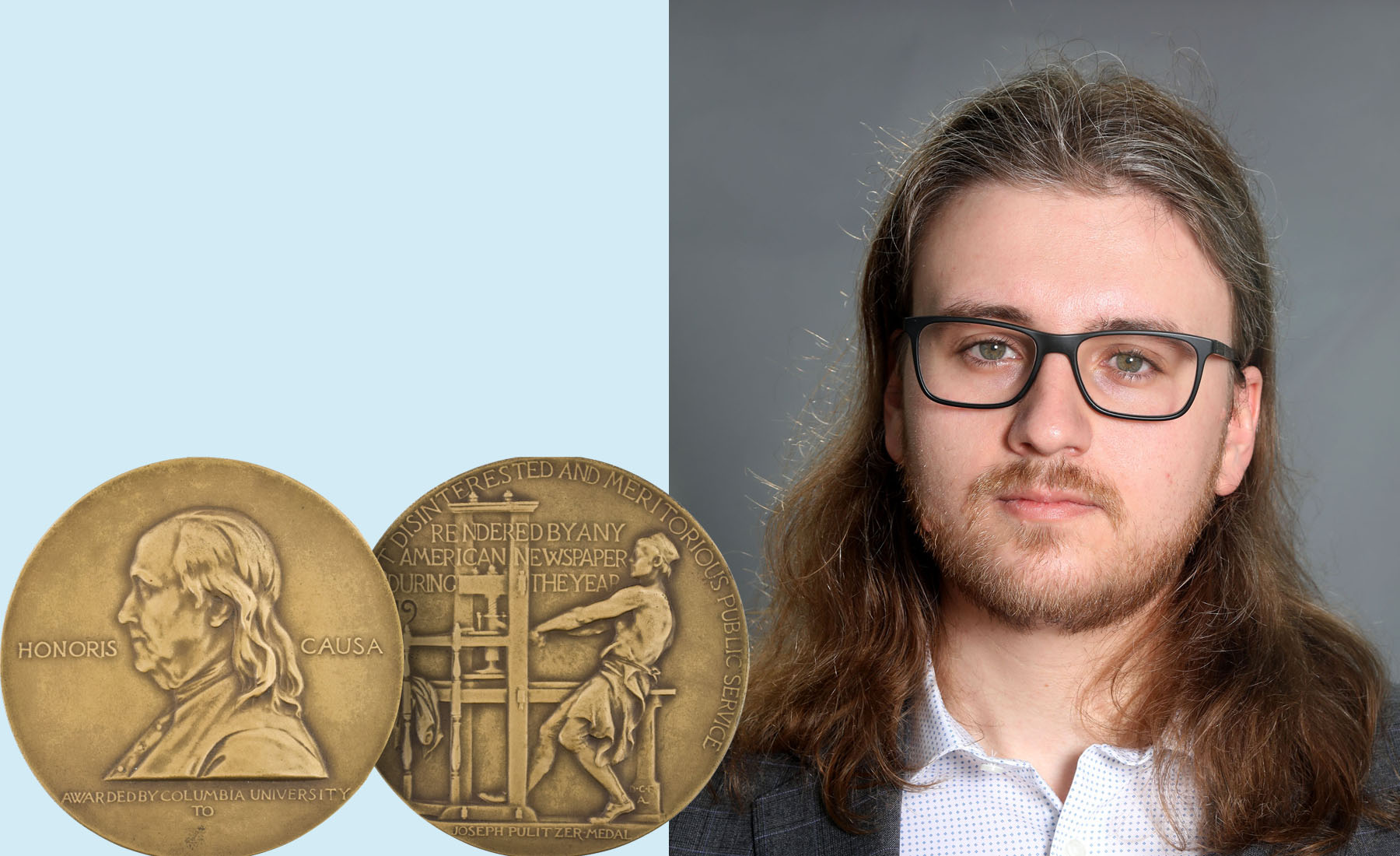
University of Illinois alum Eli Murray (BS ’15, journalism), investigative reporter at the Tampa Bay Times, won the 2022 Pulitzer Prize in Investigative Reporting, along with fellow reporters Corey G. Johnson and Rebecca Woolington. (Photo by Boyzell Hosey | Tampa Bay Times.)


While meeting with the family of a former battery recycling plant manager whose son had lead poisoning, a Pulitzer Prize-winning story crystallized for Eli Murray (BS ’15, journalism), investigative reporter at the Tampa Bay Times. 

The family had been suffering because their son was born with a lead level that creeped higher each year.

“The lead could only be coming from the factory where [the] husband worked and it had driven a wedge into their family and put them at odds with each other,” Murray said. “I could see what was at stake for this family and the hundreds of other workers’ families.”

Murray, and fellow investigative reporters Corey G. Johnson and Rebecca Woolington, received the 2022 Pulitzer Prize in Investigative Reporting for their series “Poisoned,” described as “a compelling exposé of highly toxic hazards inside Florida’s only battery recycling plant that forced the implementation of safety measures to adequately protect workers and nearby residents.”

“The investigation by the Tampa Bay Times into dangerous conditions at a lead smelter spurred immediate improvements for health and safety,” said Pulitzer Prize Board member Nicole Caroll. “This newsroom changed workers’ lives, and its reporting shows the critical importance and impact of strong local journalism.”

Murray said he’ll never forget visiting that family: “Every day since it has been a driving source of motivation to shine light into these dark corners to tell these workers’ stories and hopefully effect change.”

The investigative team had spent almost two years gathering data and reporting before the first article in the series was published in 2021. Murray spent months building a database from thousands of pages of PDFs and analyzing the results.

After their Pulitzer Prize was announced on May 9, the Tampa Bay Times reporters shared remarks. Murray acknowledged some University of Illinois journalism faculty members for helping him on his career path. (See video.)

“I wanted to thank a few of my other mentors: Brant Houston, Stretch Ledford, and Jennifer Follis, who encouraged me to follow the data and the programming side of things and to find a way to make that work in journalism and in telling great stories,” Murray said.

Murray was drawn to data journalism because of the ability to tell a story visually that resonates with audiences. 

“Eli was an excellent, dedicated student who was a natural at data journalism and great to work with,” said Brant Houston, Knight Chair of Investigative Reporting and professor of journalism. “I am so pleased, but not too surprised, with all his accomplishments and the recognition he has received. I expect there will be much more to come.”

“Beyond Eli’s obvious and prodigious talents as an investigative reporter and data journalist, I think it’s important to recognize that talent can take one only so far down the road to success,” said Charles “Stretch” Ledford, associate professor of journalism. “What brought Eli to this place of international recognition are the same humanistic qualities that made him an outstanding student and vital collaborator here at Illinois—a thirst for knowledge, a restless mind, an unflinching commitment to the truth, and—I don’t know a better way to say it—a heart of gold. These qualities would have carried Eli to great things no matter his chosen field. The people of Tampa Bay, and beyond, are indeed fortunate that he found his calling in journalism.”

Murray was hired at the Tampa Bay Times as a data reporter following an internship there in 2015. As a journalism student at Illinois, he received the Glenn Hanson Scholarship in Visual Communications from the College of Media. He also worked at The Daily Illini as a reporter covering Urbana city government during his junior year, and became a web developer in charge of building the Salary Guide during his senior year.

To learn more, see Tampa Bay Times reporters win Pulitzer Prize for ‘Poisoned’ series.

—Holly Rushakoff

College of Media faculty appointed to Associate Dean positions


Two faculty from the College of Media have been appointed by Dean Tracy Sulkin to associate dean positions starting August 16. 

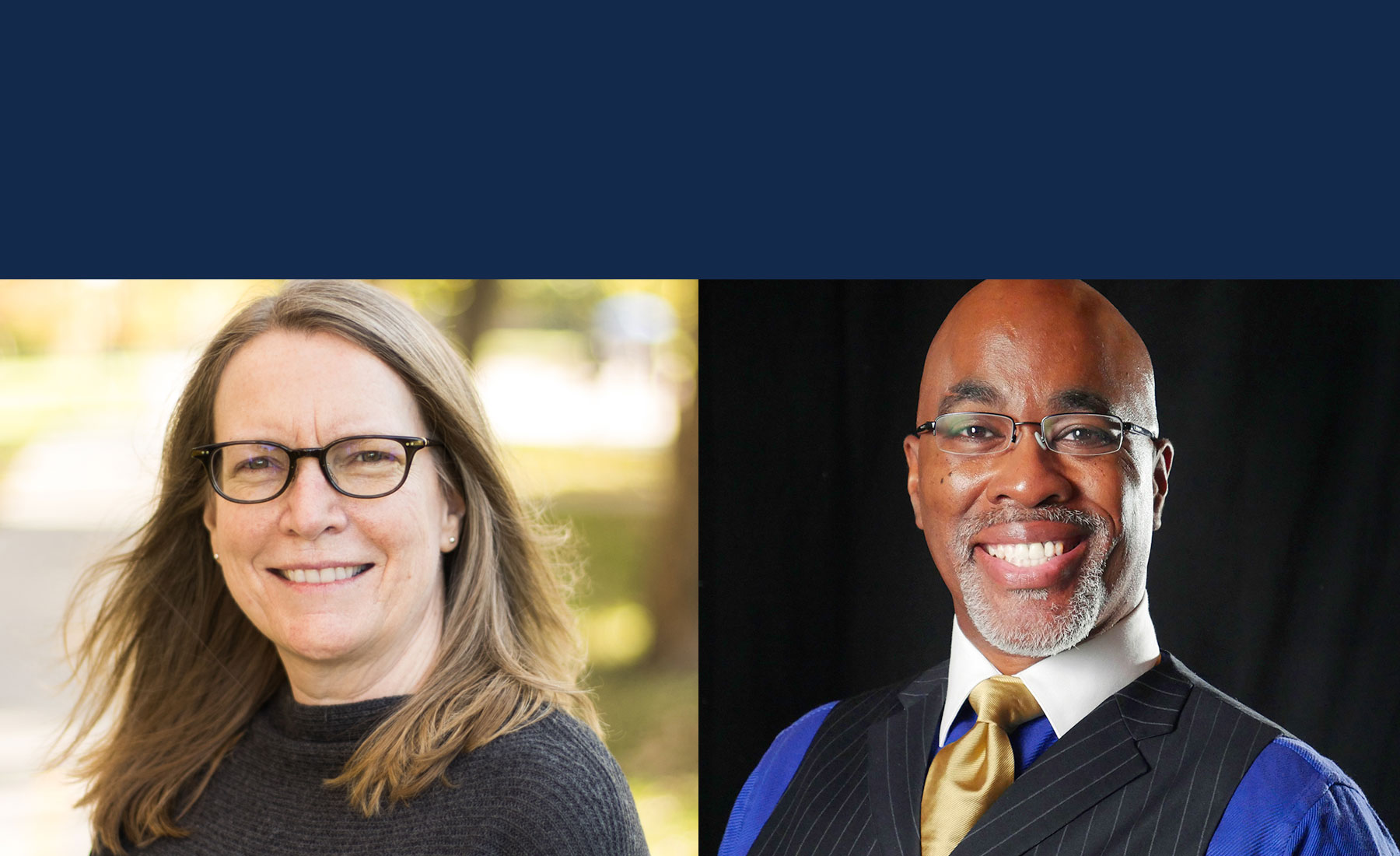
Announced in January, Stephanie Craft, currently professor and head of the Department of Journalism, will serve as the College of Media’s Associate Dean for Academic Affairs. 

Announced in March, Jason P. Chambers, currently associate professor and associate head of the Charles H. Sandage Department of Advertising, and Dean’s Fellow for Diversity and Inclusion, will serve as the College of Media’s inaugural Associate Dean for Diversity, Equity, and Inclusion. 

“I am pleased to welcome Professors Chambers and Craft to their important new roles, and I look forward to working closely with them,” Sulkin said. “Their strong administrative skills, commitment to the college and our mission, and consultative approach to decision-making make them both excellent additions to the College of Media leadership team.”

Stephanie Craft

Craft, a scholar of news literacy and journalism ethics, joined the Illinois faculty in 2013. She has taught courses such as History of American Journalism, Introduction to Journalism, and Journalism Ethics & Diversity. She has served as head of the Department of Journalism from August 2018 until January 2022. Last summer, the third edition of her book Principles of American Journalism: An Introduction, coauthored with Charles N. Davis, was published.

“I have appreciated the opportunity to help my department colleagues work toward their goals but am now looking forward to the chance the associate dean role offers to take a broader view of the work we do in the college and how it connects to the rest of campus and beyond,” Craft said.

While on sabbatical this semester, Craft has continued her work to create a news literacy scale, and has been developing a summer media literacy workshop for high school teachers along with other faculty in the College of Media and the College of Education. She has also begun a new research project.

“The new project involves delving into the archives of one of the first major journalistic collaborations, called the Arizona Project,” Craft said. “I’m hoping to get a better sense of how the collaboration worked and how it set the stage (or didn’t) for future large-scale projects involving journalists from competing news organizations.

In her new position, Craft will facilitate college-level promotion and tenure processes; mentor Dean’s Fellows; liaise with campus offices on college participation in strategic initiatives; facilitate policy discussions among unit leadership; and coordinate professional development programming for junior and midcareer faculty; among other responsibilities. 

“I am eager to work on the college’s professional education initiatives and think about how we can serve a variety of different kinds of students, both on campus and online,” Craft added.

Chambers

Chambers joined the Sandage Department of Advertising faculty in 2001 and the Institute of Communications Research faculty in 2003. He is a scholar of advertising history, particularly the contributions of African Americans to the industry. He has taught courses including Classic Campaigns, Advertising History, and Multicultural Advertising.

In his new position, Chambers is excited about working with his colleagues “to drive change and link our faculty, staff, and students to all of the opportunities that diversity provides.” 

Over the past several years, the College of Media has prioritized expanding its programming in the area of diversity, equity, and inclusion, and the projects that Chambers facilitated during his two-year term as Dean’s Fellow for Diversity and Inclusion will continue to be part of his portfolio. The Alumni Mentoring Program, which connects students with accomplished alumni to share perspectives and advice, will continue to grow. The pilot focused on Black students and Black alumni, and then expanded to Latinx students and alumni. Chambers will also continue his involvement in the New Voices Internship Program, which provides opportunities for first-generation students and those from underrepresented groups to work with College of Media faculty and staff on communications projects.

He will also work with colleagues across the college and on campus to coordinate workshops on diversity, equity, inclusion, and anti-racism that are relevant to Media faculty, students, and staff, and will seek ways to further the college’s capacity in this area.

“Leadership at the department, college, and campus levels have put real resources behind diversity initiatives,” Chambers said. “I want to ensure that the College of Media continues to take advantage of all the grants and other funding sources that the campus is making available for diversity-related topics.” 

Chambers’s latest book Positive Realism: The Life of Advertising Pioneer Thomas J. Burrell has been submitted to the publisher for final review, with an expected publication date of 2023. He is also the author of Madison Avenue and the Color Line: African Americans in the Advertising Industry and Building the Black Metropolis: African American Entrepreneurship in Chicago.

Film and television producer Feder to speak at 2022 Media Convocation


Stephen Feder with BB-8

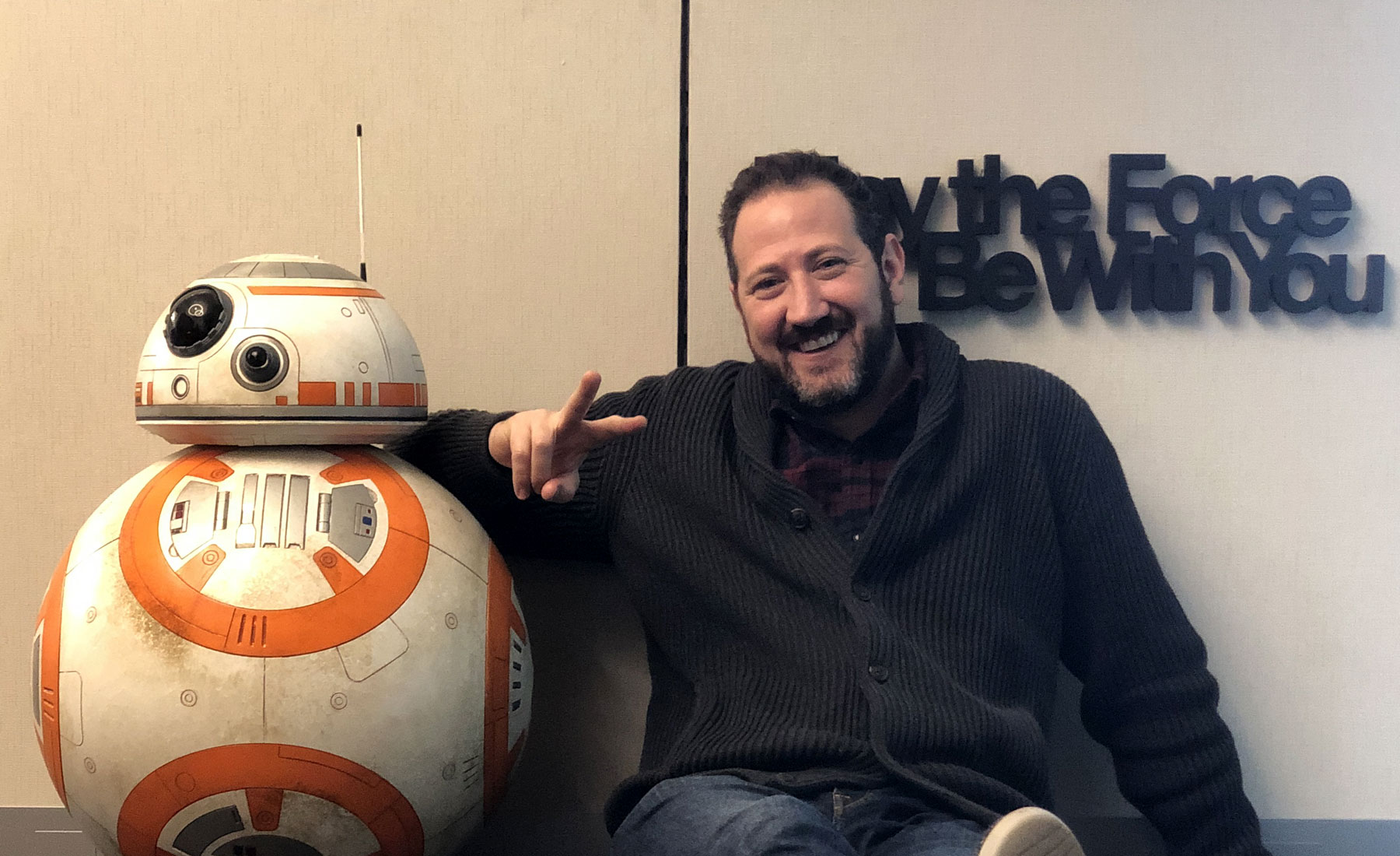
 Alumnus Stephen Feder with BB-8 in the Lucasfilm Offices at the Walt Disney Studios.

Stephen Feder (BS ’02, media studies) believes that with a little persistence and dedication to the things they love to learn about, students can accomplish anything.

“I think if people can harness that, there’s no telling how far they can go,” he said.

Feder, a film and television producer at T-Street Productions, will be this year’s alumni speaker for the College of Media Convocation. Because previous ceremonies had been postponed due to the pandemic, the May 2022 convocation will honor graduates from Fall 2019 through Spring 2022.

Looking back at his time at the University of Illinois, Feder said he learned a lot about himself both personally and professionally.

“Illinois gave me such incredible opportunities, not just inside the classroom, but outside the classroom,” he said. “That helped shape me as a human and taught me a lot about what my limitations were and the things that I needed to work on.”

He is driven by the people who have helped him get to where he is, especially past professors at the College of Media.

“I think it’s really important to pay homage to how you got somewhere. Understand that it’s because of your own drive, but also because people are willing to help you,” Feder said.

Feder’s love of movies was “cultivated at [the College of Media] just by proximity to the idea of Roger Ebert.” When he was a student, Feder met Ebert, a Pulitzer Prize-winning film critic and Illinois journalism alum who created Roger Ebert’s Film Festival, known as “Ebertfest.” During Ebertfest, Feder had the chance to have lunch with Ebert. 

“Our conversation and just his presence, interest, and care in us as students gave us a boost in confidence that our goals were well within our reach,” Feder said. “He probably never understood the impact he had on all of us—but his passion for movies, his intellect, and his success always was a driving force of motivation for me. I miss him.”

About a decade later, Feder’s documentary Kumaré was screened at Ebertfest 2013. Feder was executive producer for the film, featuring a man who impersonates an Indian guru and builds a following. “Kumare seems to establish that a guru can be a complete fraud and nevertheless do a certain amount of good,” Ebert wrote, “because what matters is not the sincerity of the guru but that of his followers.”

Feder said it was a full-circle moment and meant everything to him.

“The fact that he selected it to be part of Ebertfest among the last group of movies he handpicked before passing away is an honor I’ll never forget,” Feder said.

Feder at Annapurna
Feder at Annapurna Pictures.

It was his work on Kumaré, which received a SXSW Audience Award, that led to Feder’s time at Annapurna Studios. As senior vice president of production and development, Feder worked on films such as Everybody Wants Some!!, which was also an Ebertfest selection, as well as Where’d You Go, Bernadette, both directed by Richard Linklater; Spring Breakers, directed by Harmony Korine; and The Grandmaster, directed by Wong Kar-Wai

“I had always been inclined to want to tell stories that had a broad reach,” Feder said. Growing up, he was inspired by movies like Back to the Future, Raiders of the Lost Ark, and Star Wars—movies that he shares with his kids. 

Feder eventually got the chance to work on Star Wars, describing the feeling of walking onto set “a life-affirming moment.”

“It was a reminder of the power of one’s imagination—and how if you could dream it, you could make it a reality,” he said. “I never wanted to hear the word ‘cut’ and still don’t.”

He became vice president of film development at Lucasfilm in 2016, working on Solo: A Star Wars Story and other projects. He served as the Lucasfilm production executive on location/set for filming, and was a member of the Lucasfilm Story Group, which keeps track of the Star Wars canon to assist writers and directors in the development of new stories. 

Feder is currently a producer at Rian Johnson and Ram Bergman’s T-Street Productions, responsible for the film Knives Out. He works with his producing partner, Kiri Hart, to help amplify artistic voices.

Feder said the professional relationships that have helped him throughout his career inspires him to pay it forward to the next generation of filmmakers. He has been a panelist at the college’s Media Career Nights to share advice on working in the entertainment industry.

“I’m only here by the grace of other people believing [in me] and I also have to be willing to do the same for others,” he said.

Above all, he recognizes that the industry and the world is forever changed because of the COVID-19 pandemic.

As streaming makes content more accessible, Feder considered the next challenge that the media industry needs to address.

“We as filmmakers have to be malleable; we can’t firmly entrench ourselves in the past,” Feder said. “We have to think about how we’re going to reach a future generation of moviegoers, and TV goers, and content consumers. It’s our responsibility to innovate ways both to tell stories and also to make them feel new.”

Feder also hopes he can provide some comfort to Media students who are feeling unsure about their futures.

“If you have been able to get through what you’ve done the last few years and come out of it, I think that there’s a lot of promise ahead,” Feder said.

Challenges can be seen as opportunities, he said. 

“I understand the world is really scary at the moment and challenging, but it needs us. It needs us to make changes,” Feder said.

“So we can’t retreat. We have to push forward.”

College of Media announces Roger Ebert Center for Film Studies


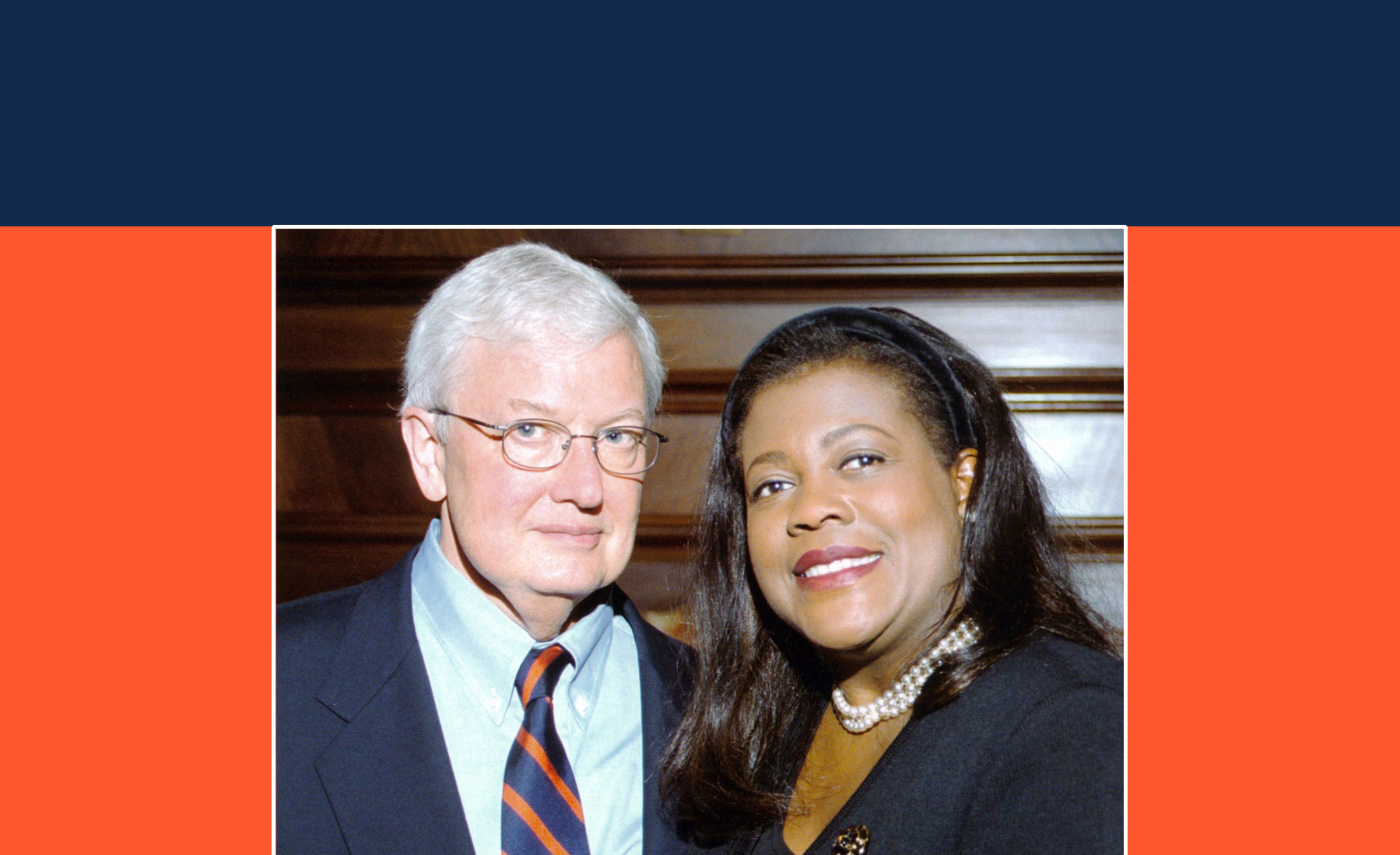
Roger and Chaz Ebert

The College of Media at the University of Illinois Urbana-Champaign is excited to announce that the Roger Ebert Center for Film Studies will officially launch this year, with programming to begin in Fall 2022. 

Thanks to gifts totaling more than $5 million from a collection of donors—inspired by a lead gift from Roger and Chaz Ebert (pictured at right)—funding will support robust annual programming, including the Ebert Symposium, Ebert Lecture, and a screening series. 

The famed Roger Ebert, who died in 2013, was an Urbana native, a University of Illinois journalism alumnus (BS ’64), a longtime film critic for the Chicago Sun-Times, and co-host of numerous televised movie review shows. He was the first film critic to win a Pulitzer Prize and the first film critic honored with a star on the Hollywood Walk of Fame. 

“Unlike many centers on film studies, which focus primarily on the skills of making a film, Roger’s Center will also focus on analysis and study of films, the state of the industry, and the impact of film on individuals and society for personal and social change,” said Chaz Ebert, CEO of Ebert Digital LLC and cofounder of Ebertfest.

“This new center will undoubtedly elevate the University of Illinois and the College of Media in the discipline of film studies,” said Dean Tracy Sulkin. “We are eager to realize the Eberts’ vision of making Illinois the place that inspires generations of students and scholars and are grateful for the generosity of those who are supporting us in making this happen.”

A faculty member from the Department of Media & Cinema Studies will be appointed director of the Roger Ebert Center for Film Studies. The director will coordinate event programming, Ebert research grants and travel grants for film studies, the Ebert Fellows Program for undergraduate students, and equipment and operations support for the teaching of film production. 

“Through its support of engaging research, production, and public lectures and discussions, the Roger Ebert Center for Film Studies will enrich experiences and facilitate connections, especially for our students and faculty in media and cinema studies,” said Professor CL Cole, head of the Department of Media & Cinema Studies. 

Special kick-off events will be scheduled during the 2022-23 academic year, and, in collaboration with the Spurlock Museum, the Knight Auditorium will be outfitted with new equipment to create a first-rate screening space for campus.

When the Eberts established the endowment for the center in 2009, Roger said: “The University of Illinois is deep in my heart as a great institution. It informed and enriched me. Although there were no film courses when I was an undergraduate, it nevertheless guided me in my lifelong love of film.”

The University of Illinois is honored to celebrate Ebert’s legacy through this new center.

If you wish to contribute to the center, you can give online and select “Roger Ebert Center for Film Studies” under Champion Innovation in Media Research & Collaborations.

For media inquiries, please contact Holly Rushakoff at the College of Media at (217) 333-3949 or media-news@illinois.edu.  

College of Media
119 Gregory Hall
810 S. Wright St.
Urbana, IL 61801
217-333-2350