Journalism alum, local sports media legend Loren Tate wins 2026 Lou Liay Spirit Award


Loren Tate (BS ’53, journalism) was named the recipient of the University of Illinois Alumni Association’s 2026 Lou Liay Spirit Award. Established in 1997, the Lou Liay Spirit Award is presented to those who have consistently demonstrated extraordinary spirit and pride in support of the university, the Alumni Association, and related organizations, exemplifying a positive image of their Alma Mater while inspiring loyalty and pride in their fellow alumni.

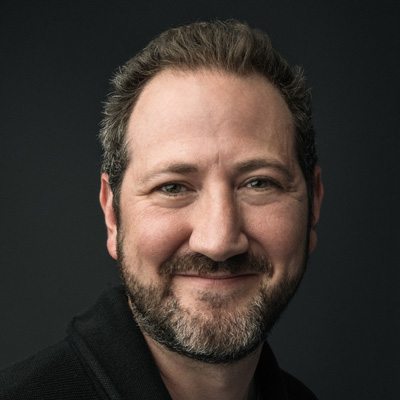
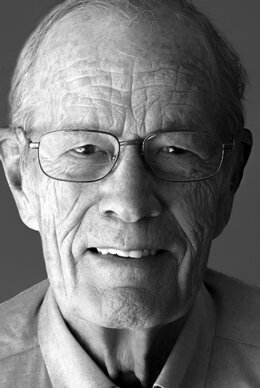
Loren Tate

Tate has covered Fighting Illini athletics since 1966, when he became a sportswriter, sports editor, and columnist for the The News-Gazette in Champaign. Although he’s been technically retired for nearly three decades, Tate continues to work for the paper as a contract writer.

Tate also has a considerable radio broadcast career related to Illini sports. He provided color commentary for men’s basketball from 1968 to 2001, called football games for several years, and appears regularly on the local station WDWS to discuss the highs and lows of Illinois athletics.

Tate, who authored A Century of Orange and Blue (2004) and Tatelines (2008), was inducted into the Illinois Basketball Coaches Association Hall of Fame in 1974 and the U.S. Basketball Writers Association Hall of Fame in 2021. He also has a street named after him—the street adjacent to the former News-Gazette building was named Loren Tate Way by the City of Champaign.

The Lou Liay Spirit Award, which is bestowed upon alumni by the University of Illinois Alumni Association on behalf of the University of Illinois, was named in honor of Lou Liay, EDM ’62, executive director of the UI Alumni Association from 1983 to 1998.

Tate, along with nine other alumni awardees, will be honored at the UIAA’s 2026 Alumni Awards Gala on October 1 at Pear Tree Estate in Champaign, in conjunction with Homecoming Week, September 27-October 3.

Read more about UIAA’s 2026 Alumni Awards.

Share on social


Posted in: , ,

Media alumni at ‘Chicago Tribune’ win 2026 Pulitzer Prize in Local Reporting


Pulitzer Chicago Tribune Staff

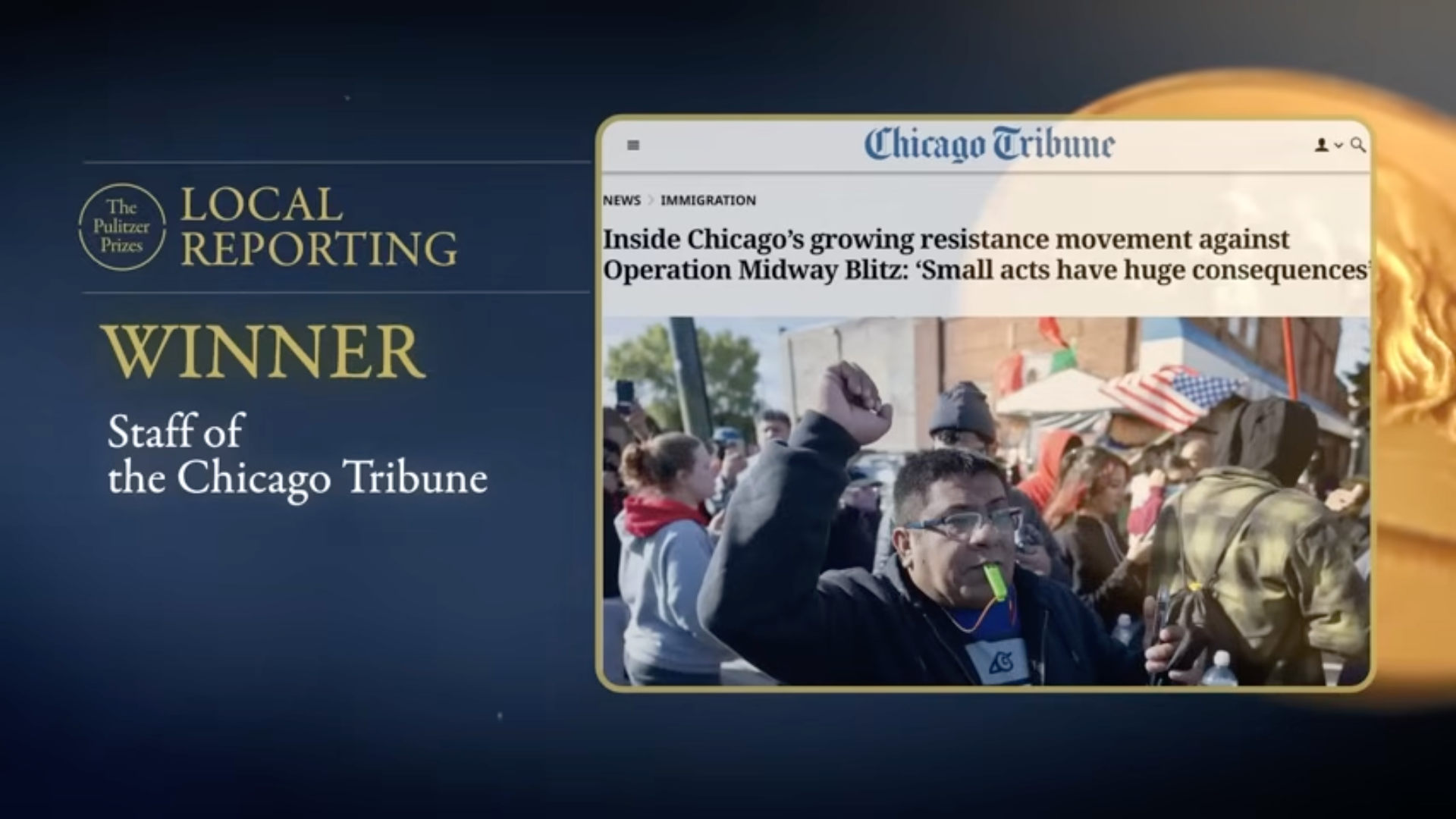
Five College of Media alumni have won the 2026 Pulitzer Prize in Local Reporting for their contributions to a Chicago Tribune piece on immigration.

Angie Leventis Lourgos (BS ’03, journalism), Dan Petrella (BS ’06, journalism; BA ’06, LAS; MS ’10, journalism), Marianne Mather (BS ’96, media studies), Bob McCoppin (BS ’85, journalism), and John J. Kim (BS ’97, advertising) were part of a team that produced the winning work, cited as “powerful coverage of the Trump administration’s militarized immigration sweep of the city that described in vivid, muscular prose how the siege-like incursion of ICE agents unified Chicagoans in resistance.”

The coverage was also recognized as a 2026 Pulitzer Prize Finalist in Public Service. 

Kim previously won a Pulitzer Prize in 2011 for Local Reporting for his photography in multiple Chicago Sun-Times’ articles that documented violence in Chicago neighborhoods.

Chicago Tribune newsroom staff
Chicago Tribune newsroom staff; not pictured is John J. Kim, who was out on assignment. (Photo courtesy of the Chicago Tribune.)

Share on social

Media studies alum Stephen Feder named 2026 College of Media Distinguished Alumni Award winner


Veteran producer and executive Stephen Feder’s (BS ’02, media studies) career ranges from working alongside both independent and major studios spanning television, film, and global franchises, with a recent move up to senior vice president of production at Disney Live Action.

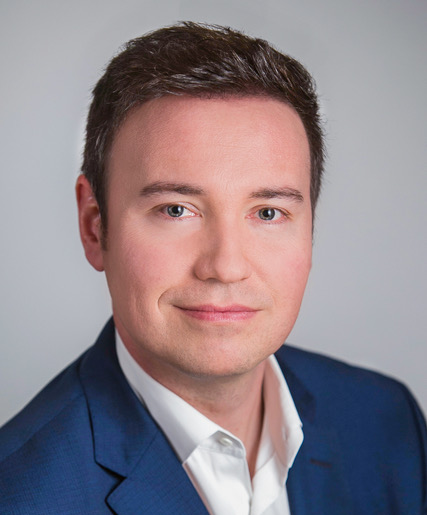
Stephen Feder

Feder’s impressive career achievements, along with his continued engagement with the college, have earned him the 2026 College of Media Distinguished Alumni Award.

“Stephen Feder has had an illustrative career and has been closely connected to the College of Media, from sharing advice with students at Media Career Night panels to inspiring graduates at our Media Convocation ceremony to participating as a film guest at Roger Ebert’s Film Festival,” said Dean Tracy Sulkin. “He is most deserving of this year’s Distinguished Alumni Award.”

In his new role, Feder will bring his breadth of experience to Disney’s live action film slate.

“I really feel very lucky and very happy to be here. The mentality of Disney is to create experiences for audiences and ultimately to make them feel good when they go into a theater. Just knowing that I get to be a part of that culture is such a blessing, especially at this time in my life,” said Feder, who has a young son.

Feder has always appreciated film, theater, and the arts, even participating in the Illini Union Board musicals when he attended Illinois. But he realized early on his greatest contribution to the field was in supporting and understanding how the creative process works.

“I really have dedicated much of my life, whether it’s being a producer on a particular project or an executive who oversees a slate of projects, to really championing and creating an environment for the artist to succeed in,” he said.

Feder began his career in Chicago, after earning his master’s degree at the London School of Economics. His first job was working as a producer on the Jerry Springer Show, a popular 1990s tabloid-style, daytime talk show known for its altercations between guests. Despite the raucous environment, Feder said he learned about the power of telling a story.

I really have dedicated much of my life, whether it’s being a producer on a particular project or an executive who oversees a slate of projects, to really championing and creating an environment for the artist to succeed in.

Stephen Feder

Senior Vice President of Production at Disney Live Action

After a year, he moved on to Towers Productions in Chicago as a series producer on the NBC docu-comedy series Sports Action Team, which was a comedy show shot like a documentary, before he decided to try his luck in Los Angeles.

He got his break after connecting with actor and comedian Sacha Baron Cohen on the making of Brüno, which became a pivotal moment in Feder’s career trajectory. The experience introduced him to people who became his network as he built his career.

“A lot of other opportunities led from that particular one, which is kind of how it works. Once you get going you start to build this network of people and advocates,” Feder said.

Feder has managed to excel on a variety of film projects with success across independent and large-scale motion picture companies.

Feder was a founding member of Annapurna Pictures, overseeing development and production on acclaimed projects like Richard Linklater’s Everybody Wants Some!!, Wong Kar-Wai’s The Grandmaster, and Harmony Korine’s Spring Breakers.

From 2016 to 2019, he served as vice president of film development at Lucasfilm, managing production for films like Solo: A Star Wars Story. Following his post at Lucasfilm, Feder joined Rian Johnson’s T-Street Productions team, along with producer Kiri Hart, known for her work on the Star Wars franchise. Feder and Hart also launched a new production label Counterculture, producing projects like Rock Springs, which debuted at the Sundance Film Festival in 2026.

Feder was executive producer on Kumaré, which received the Audience Award for Best Documentary Feature at the South by Southwest Film Festival in 2011. Two years later, the film was shown at Ebertfest, which was a great honor for Feder who always admired Roger Ebert and recognized the impact Ebert had on his career.

“His love of movies permeated society, and his spirited way that he would talk about [movies], and the conviction of his opinions around movies is really what drove me to [realize] that a single story could spark such a debate. That alone opened my mind to how important that medium is,” he said.

Feder, who served as the alumni speaker at the college’s 2022 convocation, believes his education at the College of Media laid a foundation for him to understand the power of a story, whether that’s in the form of an ad, an article, or a film.

“I think there’s elements of ethics that you learn, like how you need to understand that the words that you’re putting out into the world matter, how they’re going to be interpreted. It’s not only understanding your audience but understanding the power behind the story that you’re telling,” he said.

“Film is a very powerful medium because it can reach so many people, if you’re so lucky.”

Share on social

Journalism alum Karina Anglada selected as winner of 2026 College of Media Emerging Leader Award


Karina Anglada (BS ’10, journalism; MS ’12, iSchool) has leveraged her broadcast journalism degree to tell compelling stories about iconic professional sports teams, earning nine Regional EMMY® Awards over a five-year period as a media producer and editor for the Golden State Warriors.

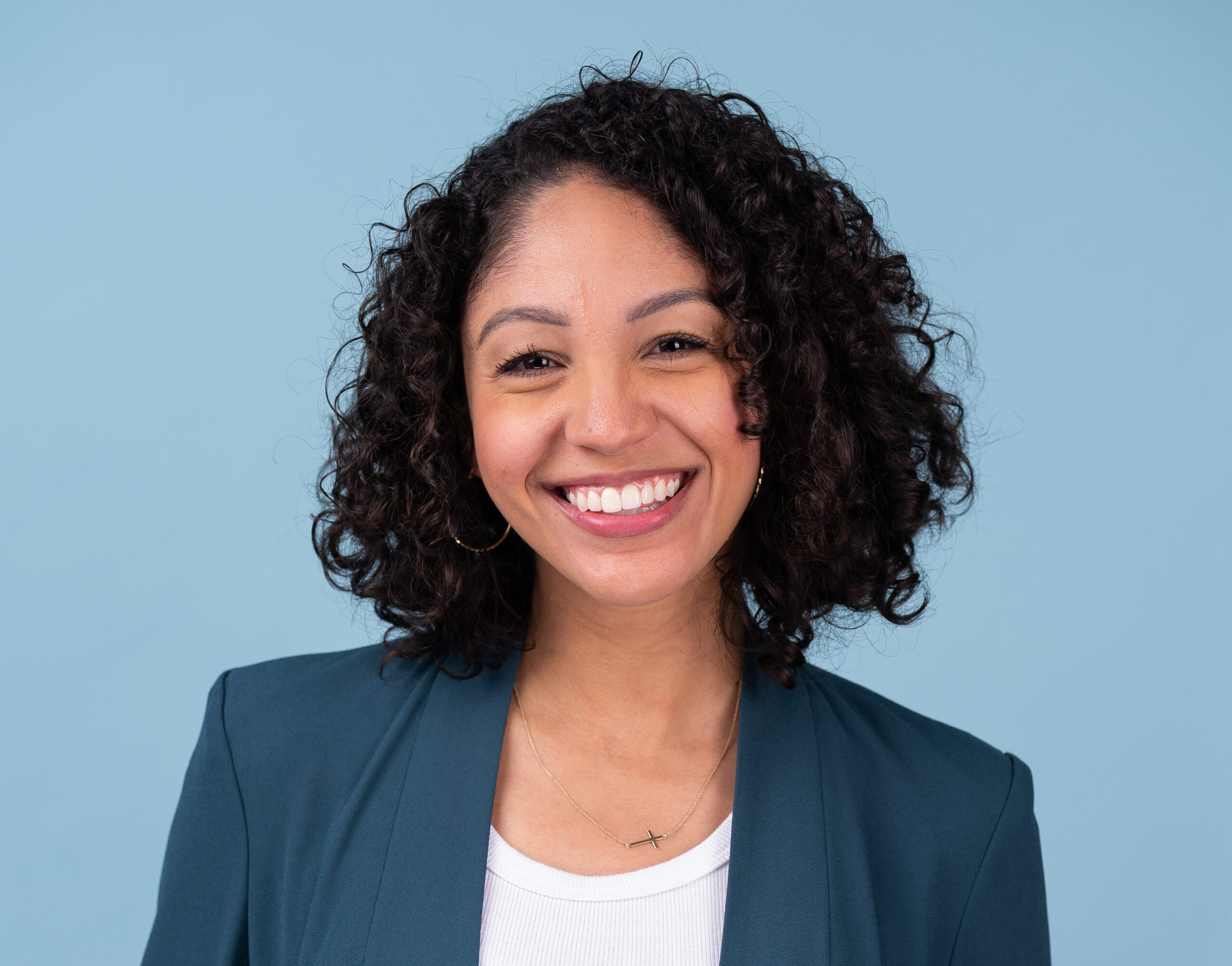
Karina Anglada

After transitioning from sports to the tech industry, Anglada now helps others shape their narratives as a senior strategic development manager for video at Adobe.

“I made the jump to the tech world and that’s been an incredible career opportunity for me,” she said. “Now I get to meet with customers across the globe who are using Adobe software to help tell their company’s and their brand’s stories.” Her portfolio includes customers across media and entertainment brands, news and sports broadcasting, and marketing, advertising, and content teams for corporate and enterprise organizations.

Anglada’s career trajectory, along with her dedication to the College of Media, led to her being named the 2026 College of Media Emerging Leader Award recipient.

“The College of Media is pleased to honor Karina Anglada as this year’s Emerging Leader Alumni Award winner,” said Dean Tracy Sulkin. “Her eagerness to share her technical and creative knowledge, her award-winning career in sports media and digital media, and her engagement with Illinois overall make her an exemplary recipient.”

Anglada, who grew up in Chicago and now lives in Georgia, never expected to build a career in the tech industry. In hindsight, she recognizes how well her journalism education prepared her for the transition.

Working on a global team with colleagues across Australia, Europe, and Latin America, Anglada supports customers using Adobe Video, while also gathering feedback that helps shape new implementations and inform product strategy. She frequently presents at large events, showcasing the software’s capabilities.

Anglada likens her presentations to being “on-air” talent—requiring her to be engaging, understand audience needs, and translate complex ideas into clear, accessible language.

“I feel like I did that in my journalism classes. You take these stories that have a lot of information, and you condense them down into bite-sized pieces so that people can understand them,” she said. “Looking back, it’s like I was built for this [job] because I had so much of the foundation [already]. A lot of things apply from my degree that I still take with me every day.”

A lot of things apply from my degree that I still take with me every day.

Karina Anglada

Senior Strategic Development Manager for Video at Adobe

Anglada said her journalism classes, as well as her internship at Fighting Illini Productions, were a catalyst for her future in sports media. The hands-on experience allowed her to put into practice what she learned in the classroom, whether it was shooting, editing, directing, live video production, or post-production work, for a variety of Illinois sports including football, women’s basketball, wrestling, and volleyball.

“I didn’t realize it at the time, but that was the beginning of my career kind of taking off,” she said.

Following graduation, Anglada worked as a producer and editor for the Detroit Pistons, and then at Auburn University where she worked as assistant director of video services.

In 2017, she moved to California to take a job as a producer and editor for the Golden State Warriors. Most of her job focused on post-production editing for video boards, social media, and documentary-style television shows that aired on the regional sports network.

One of her favorite projects—and one that garnered her a Regional EMMY® Award—was a video she helped produce featuring Vice President Kamala Harris, who is from the Warriors’ former home city of Oakland, California, and a young African American girl who shares the same hometown. The video’s underlying theme centers around the widespread impact Harris had on Black female youth while making history as the 49th vice president of the U.S. 

“To have that honor bestowed on our team, and to have my skill set and my craft of editing be recognized by my peers was an incredible, incredible thing,” she said.

As an alum, Anglada has stayed engaged with the College of Media, participating in alumni panels, serving as a keynote speaker at University of Illinois Web Conference in 2023, and mentoring Media students.

In addition to offering advice about the current industry, Anglada emphasizes the opportunities a journalism education can offer.

“There are the standard jobs, like on-air talent, producer, director, newsroom-type-focused careers. But there are so many other fields that you can go into with a journalism degree, and I’m a testament to that. I worked for three different sports organizations, and now I’m in tech,” she said.

Anglada speaks often at professional events about the use of AI in today’s media landscape and can appreciate both the power and challenges it presents.

Anglada says she’s excited about the innovations the Adobe Research teams have been working on to help creatives and video editors across the industry, including Project TurnStyle, Project SoundStager, Project FrameForward, and Project CleanTake.

“I’m looking forward to hopefully seeing some of these features in our tools down the road.”

Share on social

Take 5 with Media Alumni: Alex Hedlund


Los Angeles-based film and television producer Alex Hedlund (BS ’05, media studies; MS ’06, journalism) knew he wanted to make movies at a young age. When he was just 10 years old, he wrote a letter to Stephen King’s publisher seeking the famed author’s autograph. Hedlund still has his signed copy of Needful Things to this day. 
 
Hedlund has three major projects set to premiere this year, including a 10-episode remake of Cape Fear for Apple TV starring Javier Bardem and Amy Adams; a feature adaptation of Verity starring Anne Hathaway, Dakota Johnson, and Josh Hartnett; and the independent horror film River.
 
Learn more about this College of Media alum who has empowered writers and directors for the last two decades, and find out which film or TV show he will champion next.   

Alex Hedlund

1. What first drew you to filmmaking and production, and how did that evolve into your current role today?

Ever since I was a kid, I told people, “I want to make movies,” before I even knew what that meant or how that would even be possible. All I knew is that I craved escapism through movies, TV, novels, and video games, and for my 10th birthday, I only wanted one thing—Stephen King’s autograph. I wrote a letter to his publisher with this request and received a hard copy of Needful Things signed by the man himself! (I still have and cherish it.) That moment subconsciously unlocked something for me that became a big part of my career, which is identifying uncompromising stories and reaching out to connect with world-class storytellers. As a career producer, I’m constantly looking to empower writers and directors who have a story to tell.     

2. What do you consider your biggest career accomplishment? Is there one project that has felt especially meaningful to you?

I’m celebrating 20 years in Los Angeles this year, so I consider my survival in this industry a tremendous accomplishment as a baseline. Project-wise, 2026 is a very meaningful year for me with the premiere of three projects I produced (all of which are seven long years in the making!). The first is a 10-episode series reimagining of Cape Fear for Apple TV in June that stars Javier Bardem and Amy Adams. As a fan of the novel and having seen the Martin Scorsese film as a child (long before I should have!), being a producer on this one was a full-circle moment for me. I also have a feature adaptation of Colleen Hoover’s best-selling erotic thriller Verity that drops in theaters October 2. The film stars Anne Hathaway, Dakota Johnson, and Josh Hartnett, all of whom are fantastic in the film and incredible to work with personally. That’s a big-budget studio film, whereas my next film River is a low-budget indie debut from a writer-director that I discovered and championed. The horror film will premiere this fall, and I couldn’t be prouder.     

3. In addition to two degrees at Illinois, you then earned your MFA in the producers program at UCLA. What advice would you give to students who want to break into directing or production but dont know where to start?

I used to say you absolutely need to move to Los Angeles, though I don’t believe that’s essential anymore. YouTube, MasterClass, Zoom, and social media has democratized everything so you can make a lot of connections and gain knowledge that way. If you want to be a director, you can now shoot a film on your iPhone and upload it online for the world to see. Just create something and get it out there! Or try to get an entry-level job on set or intern at a production company. No matter what, check your ego at the door and be unabashed about your desire for mentorship. 

4. The media landscape is constantly changing—how do you keep your work both current and true to your vision?

I always internalize that the only certainty in entertainment is uncertainty, and not to stress about external factors that I cannot control. What I can control though is my taste and what I want to see. If I’m not first in line for a film on its opening night, I know that I’m not the right producer to advocate for it. I think it’s a huge mistake to try and “chase the market” or pursue something for cynical, surface-level reasons—for me, it has to be love at first sight. I need to lose sleep thinking about a project. I’m constantly gut-checking myself to see if this is something my 10-year-old self would have wanted to see—and most likely have to beg my parents to let me see it! 

5. What’s one dream project you’d love to direct or produce in the future?

Too many to name, though one of my “white whales” I actually just set up as a feature at Netflix! It’s an adaptation of an award-winning graphic novel called Torso by the brilliant artists Brian Michael Bendis and Marc Andreyko. It’s a true story about Elliott Ness hunting America’s first serial killer in the 1930s. You might say it’s The Untouchables meets Zodiac. [It’s an] incredible, stranger-than-fiction story that was first published decades ago and I’ve been tracking it ever since. I always thought it would make an amazing film, so I’m pinching myself that I was finally able to get my arms around it and hopefully champion it into finally getting made! 

Share on social

Media alum Jordyn Poulter named to Athletics Hall of Fame Class of 2026


Jordyn Poulter (BS ’18, media and cinema studies) is among eight legendary athletes named to the University of Illinois Athletics Hall of Fame Class of 2026 by the Division of Intercollegiate Athletics.

Poulter, a two-time Olympian, along with seven other elite Illini athletes, will be honored at the Hall of Fame Gala and Induction Ceremony on Friday, Sept. 11, at State Farm Center. 

Poulter helped lead the United States to Olympic Gold at the 2020 Tokyo Games and Silver at the 2024 Paris Games, while being named “Best Setter” at the 2020 Games.

She earned All-America honors three times at Illinois, including First-Team honors as a senior in 2018 when Poulter led the Illini to the NCAA National Semifinals. She ranked second nationally with 1,521 assists in 2018, when she was named the AVCA Northeast Region Player of the Year.

The Illinois Athletics Hall of Fame began in 2017 and now has 162 total members, with representatives from each current varsity sport. University of Illinois varsity athletics started with baseball in 1879 and now has 21 teams competing at the NCAA Division I level.

Read more: https://fightingillini.com/news/2026/4/30/general-illinois-announces-athletics-hall-of-fame-class-of-2026.aspx

Share on social

Take 5 with Media Alumni: Kavitha Cardoza


Kavitha Cardoza (MS ’02, journalism) is an assistant professor of journalism at the University of Richmond, and an award-winning reporter, recently being awarded the prestigious American Mosaic Journalism Prize for exemplifying excellence in reporting on underrepresented communities in the United States.

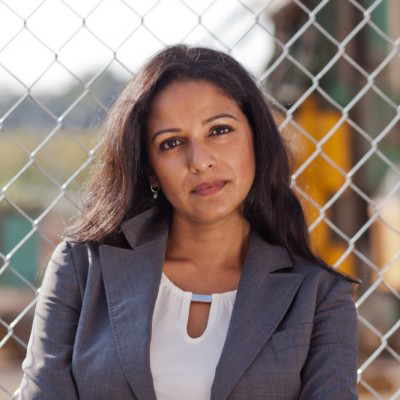
Kavitha Cardoza

About Kavitha Cardoza

Her work has been seen, heard, and read by millions on outlets like NPR, BBC World News, The Washington Post, The Guardian, and The Atlantic. She was also the host of Breaking Ground with Kavitha Cardoza, a documentary series on education that aired on more than 150 public radio stations.

Originally from India, Cardoza earned bachelor’s degrees in English literature, economics, and psychology, as well as a master’s degree in communication, before coming to the United States. Cardoza says her decision to get a master’s degree in journalism at the University of Illinois College of Media completely changed her life. Read more about this Media alum who has been passionately elevating stories on “the last, the least, and the littlest,” for the past 20 years.

*Q&A transcribed from Zoom interview and edited for length and clarity.

1. Most of your reporting focuses on underrepresented communities and giving voices to vulnerable populations. Why are you drawn to these stories?

When I came to the U.S., I was very surprised because you don’t see poverty the way you see it in India. Over here, sometimes we pretend it isn’t happening, or it’s not around us, when, in fact, there’s deep, deep poverty. I worked for many years for the local NPR affiliate in Washington, D.C., and my beat was education and poverty, and I would see children who didn’t have food, [living] in terrible poverty in our nation’s capital.

There’s this American [sentiment] of pulling yourself up by your bootstraps and the belief that if you haven’t gotten out of poverty, you haven’t tried hard enough. That’s just not the case. There are all kinds of systemic issues that can impact poverty and so, I really felt strongly about bringing these stories to light and showing these struggles, and how people internalize them—thinking it’s their fault or they’re not good enough—when really there are much bigger forces at play.

There are people really, really hurting, and we need to tell their stories. Journalists can elevate those voices because of the platform we have. I cannot imagine doing anything else. I cannot imagine anything else giving me more meaning. I really do wake up every morning feeling like I’m doing something that matters, and I feel so lucky.

2. You’ve covered education, health, and poverty for decades, but you’ve said a story you wrote as a College of Media student about a roadkill collector stands out. Why?

My very first story for audio was to do a profile of someone, and at that time, I was driving from Springfield to Urbana-Champaign and noticed these marks on the road that I later learned were from roadkill. As an international student, I had never heard of roadkill so when I found out, I thought, ‘Oh my gosh, wouldn’t it be cool and interesting to profile the roadkill man? Like, who does this for a job?’

I think this guy thought I was totally crazy when I first called and asked to do a ride along. He was this 6’4 African-American guy from the South and I’m this 5-foot-nothing brown girl from India—you couldn’t get further apart in terms of our backgrounds, and there we were, spending the whole day in the truck and talking and trying to learn about each other, because for every question I had, he had questions for me as well. They dig a kind of grave, usually at the side of the road, and bury the roadkill there, so he had got out to do that, and I had gone with him. We were at the side of the highway, waiting to cross to get back into this big orange truck and when you’re outside your car on the highway, the noises are so loud, the cars are just whizzing by, and it’s totally overwhelming and feels so much more dangerous than when you’re inside your car.

Both of us had to cross the road, and without thinking, we instinctively just held hands and ran across the road together. I thought to myself, that is such a metaphor for what we’re doing in life, right? It’s like we’re so different, and all we’re trying to do is get support from each other and understand each other and try and cross the road and not have something hit you. It just became this beautiful lesson to me that taught me to never say or think to myself that a person and I have nothing in common. I always believe we have common ground—I can understand someone, and they can understand me. All it takes is the willingness to start a conversation.

It’s also how I got my first job. Another professor had us ask a news director anywhere in Illinois to critique our work. So, I took my roadkill story to the news director of the public radio station in Springfield, Illinois, and I said, ‘This is a class assignment, do you mind critiquing it for me?’ He said he was born and raised in central Illinois and never thought of doing a story like this. Then he offered me a job. I really owe my career to that little story.

3. What led you to pursue a graduate degree in journalism at Illinois, and what was your experience like?

I came to the U.S. and I thought I’d get a degree and work for one year as a reporter and then start on my PhD. I did my master’s at Illinois, and the journalism bug just bit me and never left!

Illinois changed my life. I would not trade it for anything. When I was a student, I felt like people went out of their way to help. I feel like my professors poured into me, and they have been my educators for life. When I had to negotiate my first salary, I called a professor. When I moved to a bigger market in D.C., I called a professor. When I got married, I invited my professors. They are such a part of my life, and I’m so, so grateful to them.

4. How does your experience as a working journalist shape your teaching?

Most of my students are getting their news from social media. They’re not consuming and creating news the way I did, and so I wanted to keep up. I felt if I’m going to be someone’s teacher, I want them to have the most up-to-date kind of way of doing things. And when we talk about ethics, which I talk about in almost every class, I wanted up-to-date examples. I never want to stop practicing journalism so I can feel like I can bring my experience back to the classroom and my students and keep discussions relevant.

5. With journalism constantly evolving, what remains constant for you?

When I was at the U of I, we were still using something called carts—they’re like bulky cassettes you don’t even use anymore for broadcast journalism—and the format has changed several times over since then. I’ve already seen so many changes, and with AI, there are going to be many more. But I always tell my students, you can write with your finger in the sand, or you can write on the latest Mac computer. It doesn’t matter what you’re writing on, if you don’t have something to say. And that is my job—to help students figure out what they have to say. To me, that is most important, and so I’m sure by the time these students graduate, or by the time they are mid-career, AI will probably be old, and they will be wrestling with technology we haven’t even heard of or thought of yet. But really, learning how to think is why they’re in my classroom and that is what I focus on.
Share on social

Super Bowl commercial expert Pat Burke to be alumni speaker at Media Convocation


Patrick Burke (BS ’95, advertising)—the creative mind behind top-rated Super Bowl commercials for Lay’s, Rocket Mortgage, and Jeep—will serve as the alumni speaker at the 2026 College of Media Convocation ceremony.

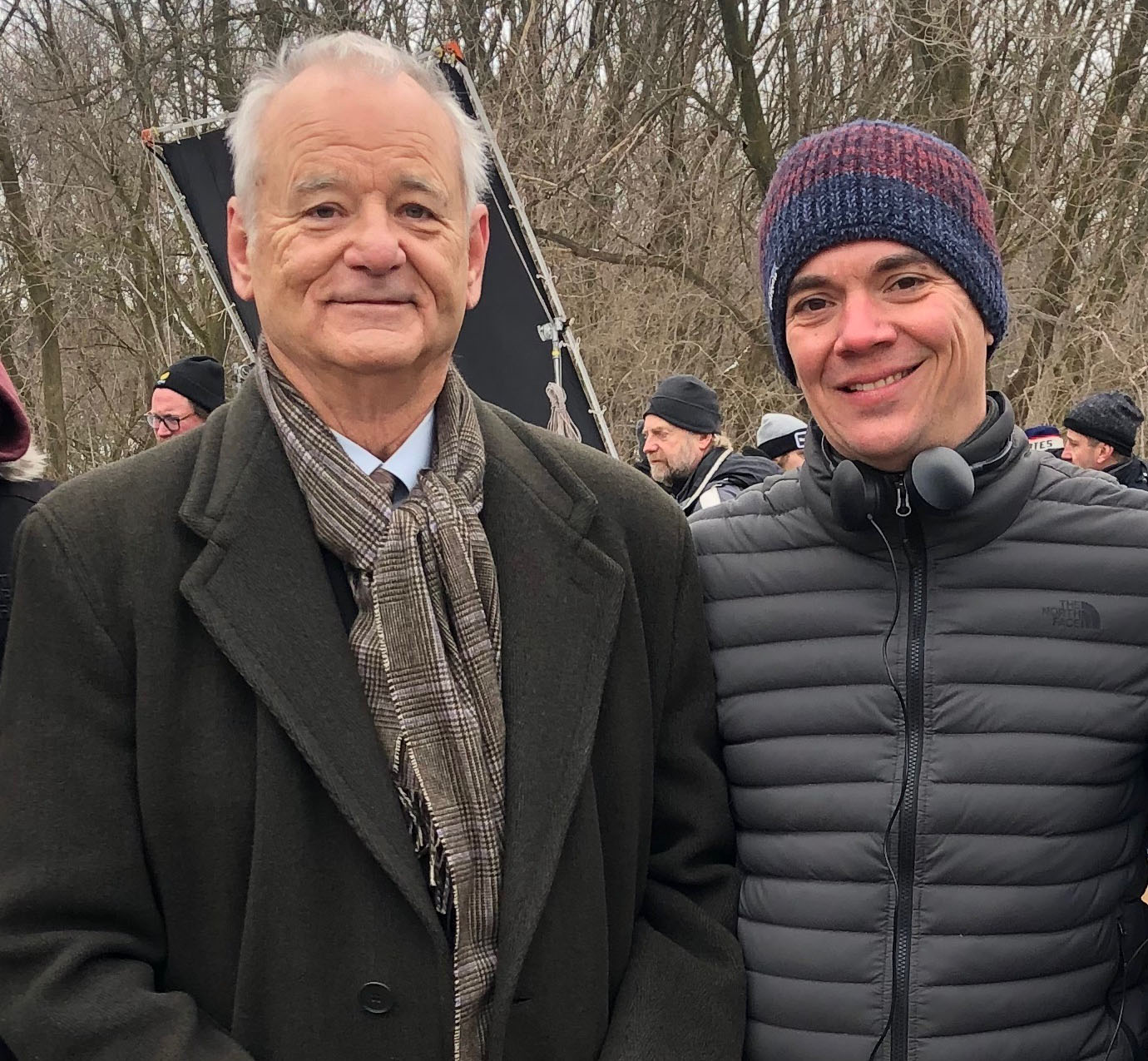
Pat Burke and actor Bill Murray on the set of the 2020 Jeep “Groundhog Day” Super Bowl commercial.

Now the executive creative director at the Los Angeles–based ad agency Special U.S., Burke most recently oversaw the 2026 Uber Eats Super Bowl campaign, bringing his total number of Super Bowl commercials created to 18.

Although Burke didn’t originally set out to become a leader in Super Bowl advertising, he says he’s grateful for the success and opportunities the path has brought.

“It wasn’t my intention to build my career around the Super Bowl, but that definitely led to [my current job] opportunity and even things like the U of I wanting me to speak at convocation,” he said.

Burke, a three-time commercial Emmy nominee and winner of a Cannes Lions Grand Prix, spent the first 30 years of his career in the Chicago advertising industry working at several different agencies, including DDB Chicago, Ogilvy & Mather, and Highdive Advertising.

While at DDB, Burke helped create two Super Bowl commercials that scored in the top five of the USA Today AdMeter ratings. During his six years at Highdive, he made six commercials that landed in the top-five AdMeter spots.

In 2025, Lay’s “The Little Farmer” scored #2 on the USA Today AdMeter. In 2020, Rocket Mortgage’s “Comfortable” starring Jason Momoa scored #5 and Jeep’s “Groundhog Day” with Bill Murray won first place.  

“It wasn’t my intention to build my career around the Super Bowl, but that definitely led to [my current job] opportunity and even things like the U of I wanting me to speak at convocation.

Pat Burke

Executive Creative Director at Special U.S.

Burke said that collaborating with Murray on the Jeep commercial, a parody of the 1993 film, was the highlight of his career.

“I didn’t think we’d ever get [Murray] because he doesn’t really do advertising or commercials, and doesn’t have an agent, so he’s hard to reach,” Burke said. “Even if you want to get him to [make] a movie there’s a famous process you have to go through where you send your script to a P.O. Box in Charleston, South Carolina, and then you just wait, and you hope that he gets back to you.”

Murray would eventually see the script and agree to do the commercial just a few weeks before the Super Bowl.

A behind-the-scenes peek at the making of the 2020 Rocket Mortgage Super Bowl commercial starring Jason Momoa. Burke is seated in back, second from left.

“As far as celebrity encounters for me, it doesn’t get any better than Bill Murray,” Burke said.

Another career-defining moment for Burke was the 2012 release of the “Skittlespox” commercial, which he crafted for Skittles while working at DDB Chicago.

The commercial sparked some controversy among critics who found the premise odd, and even Burke admits it may have run for too many years. But the ad is still the highest-testing Skittles commercial in brand history and a pop-culture phenomenon inspiring countless online re-creations and Halloween costumes.

For Burke, seeing an idea he’s worked on for months come to fruition is the best part of his job.

“You come up with an idea that you think is amazing, and so often, it doesn’t end up getting made, or if it does, it gets changed—death by a thousand cuts,” Burke said. “If something does make it all the way through and it gets made in a way that you pictured it, seeing all [the work] come to life is definitely the fun part.”

Burke’s return to campus will bring him closer to the western suburbs of Chicago where he grew up. Burke, who described his younger self as a “creative kid,” came to the University of Illinois to study art but then switched his major to advertising.   

He credits a class with Peter Sheldon, senior lecturer of advertising, for having a major impact on him and his future career.

“Peter is just a brilliant creative himself and so we all learned a ton from him. He had us all inspired and feeling like we could actually do this for a living,” Burke said. “A bunch of us [in his class] ended up getting jobs and succeeding in the industry, and are still working today, so he’s got a good legacy.”

Burke and actor Jason Momoa.

Burke keeps in touch with Sheldon and has returned to his class over the years to give feedback on student portfolios.

A nature enthusiast who enjoys fly fishing, camping, hiking, and backpacking, Burke has also published many pieces in outdoor magazines like The Drake, a grassroots journal about flyfishing.

Burke also serves on the board of directors for Chicago Voyagers, a non-profit organization serving Chicago’s at-risk youth through trauma-informed outdoor/adventure-therapy programming.

Burke encourages young graduates, especially those entering a creative field like advertising, to focus on simplicity in their work.

“Focus on a simple idea—those are what resonate. Just stick to it and always keep that as your North Star.”

Share on social

‘Hot Ones’ host and Illinois alumnus Sean Evans named 2026 Commencement speaker


Daytime Emmy® Award-nominated talk show host and Illinois alumnus Sean Evans will serve as the University of Illinois Urbana-Champaign’s Commencement speaker on Saturday, May 16, at 9:30 a.m. in Gies Memorial Stadium. Evans graduated with a degree in broadcast journalism from the College of Media in 2008.

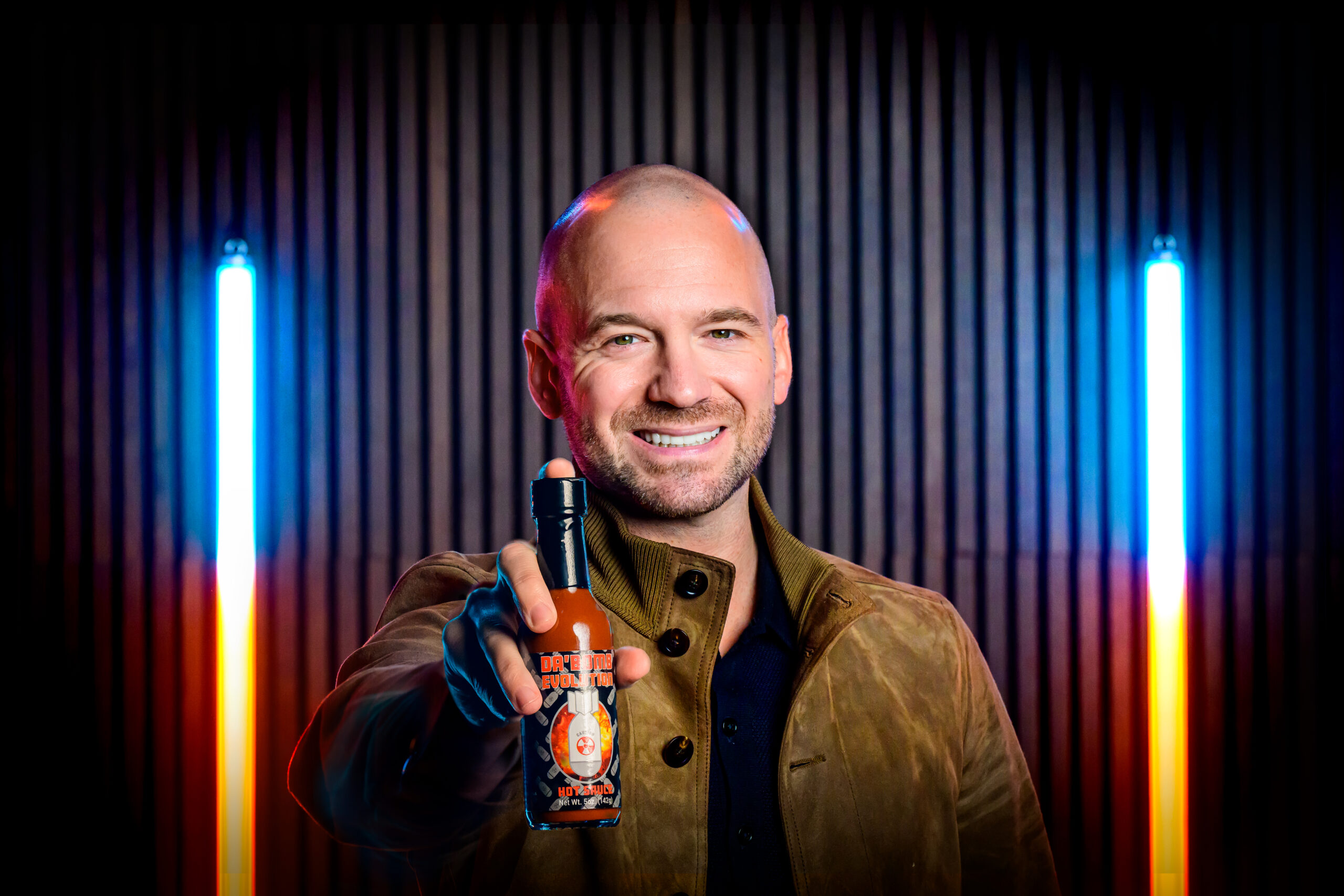
Sean Evans, host of "Hot Ones" and University of Illinois College of Media alum
(Photo by Fred Zwicky / University of Illinois Urbana-Champaign)

Evans is the co-creator and host of the popular YouTube show Hot Ones, where musicians, professional athletes, and television and movie stars join Evans in eating chicken wings doused in progressively spicier hot sauces within the format of a talk-show interview. He notched a Daytime Emmy® Award nomination in 2021 for Outstanding Entertainment Talk Show Host and has won multiple Internet entertainment awards. Evans also was named to TIME magazine’s inaugural “Time100 Creators” list last year, heralding the most influential digital voices of the modern media industry.

“Sean Evans defined his own path and reimagined the role of a journalist and a talk show host in the modern media landscape,” said Illinois Chancellor Charles L. Isbell, Jr. “We encourage Illinois students and alumni to be innovative, and Sean created something no one else had. His work inspires us to continue to push boundaries, to challenge convention, and to develop new ideas instead of just adopting old ones.”

Sean’s career is a wonderful illustration of where an Illinois education, one that nourishes creativity and confidence, can take you. We are so proud of his accomplishments and know that he will inspire students with his story.

Tracy Sulkin

College of Media Dean

Evans forged an affinity for the university long before he arrived at Illinois as an undergraduate student. His mother attended the U of I, and Evans’s favorite holiday haul to this day was the morning he found a Sega Genesis and an orange-and-blue Illinois Starter jacket underneath his Christmas tree as a boy.

Once he stepped on campus as a student, a lasting imprint was left almost immediately.

“You walk out on the Quad, and it looks so quintessentially college,” said Evans, a native of Crystal Lake. “It looks like a college out of a film. There’s a scale and a history to it that really smacks you in the face. Walking onto the Main Quad for the first time, I had this feeling of being in a totally different place in my life and feeling a lot of comfort in it.”

Evans said he “trusted the incubation period” of the journalism program in the College of Media to build up his skill set. He recalled the high standards the professors expected out of students, and the meaningful experience he gained cycling through each production role on WPGU-FM student news broadcasts.

Alum Sean Evans, Hot Ones host, visits with students in Journalism 340: Video Reporting and Storytelling, taught by College of Media senior lecturer Alison Davis. The class was one Sean remembered taking when he was in school.
(Photo by Fred Zwicky / University of Illinois Urbana-Champaign)

“Sean’s career is a wonderful illustration of where an Illinois education, one that nourishes creativity and confidence, can take you. We are so proud of his accomplishments and know that he will inspire students with his story,” said Tracy Sulkin, dean of the College of Media.

But like many young people entering the workforce in 2008, he found a flagging job market upon graduation. Evans returned to his old summer gig: a Chicago architecture tour guide.

“I remember feeling so hopeless,” Evans said. “There was this existential feeling to it. But even at that time, I had a passion for what I wanted to do. I would take every freelance project I could get. I knew I had a passion for this work and needed an outlet for it.”

His meteoric rise began after successfully pitching and developing Hot Ones in 2015, when he was working at Complex magazine. He wasn’t even the biggest fan of chicken wings. At best, Evans thought it could be a fun idea he and his co-creators would program on a quarterly basis. But the format of humanizing celebrities—and making them forget their media training—by putting them through blistering hot wing sauces worked in capitalizing on the attention economy. Notable guests have included Will Smith, Stephen Curry, Billie Eilish, Justin Timberlake, Gordon Ramsay, Neil deGrasse Tyson, Dua Lipa, and many more across the show’s 400 episodes.

Sean Evans in Illinois regalia
(Photo by Fred Zwicky / University of Illinois Urbana-Champaign)

“I certainly never thought it would be my own media company,” Evans said. “We were working in cubicles at Complex and ended up making something that became bigger than these giant, hulking media companies it was incubated in.”

Evans remains deeply involved in the preparation for each Hot Ones episode and works late into the night formulating precise questions and perfecting his delivery of those queries to his guests. These nocturnal work sessions always transport Evans back to his time at Illinois, where he would sign up for the latest availability in the basement of Gregory Hall to edit his broadcast journalism projects.

“I always really liked going down there, having my headphones on, being the only person in the building, and just lost in the basement of Gregory Hall cutting packages,” Evans said. “I still to this day work like that. I’ve written my best interview questions—and probably the most interview questions—after 10 p.m.”

As his own celebrity stature has grown, Evans has eagerly returned to his alma mater. He has attended sporting events, spoken to students, and even hosted a special edition of Hot Ones with Illinois men’s head basketball coach Brad Underwood as the guest. It’s all a part of giving back to a place that has been special to him for most of his life, and Evans can’t wait to add to that legacy with his role as Commencement speaker.

“As somebody who loves this school, went to this school, and now has this crazy pop culture platform, it’s fun to bring that energy back to Illinois,” Evans said.

Watch Chancellor Charles L. Isbell, Jr. interview Commencement speaker and Illinois Media alumnus Sean Evans:


For more information regarding the universitywide ceremony—including the stadium’s clear-bag policy, student regalia, and parking instructions—visit commencement.illinois.edu.


Editor’s note: To request a media interview with Sean Evans, contact Kovert Creative at fwfpr@kovertcreative.com. For media requests related to Commencement, contact Patrick Wade, director of executive communications and issues management, 217-333-5010, pwade@illinois.edu. For information about Commencement, contact commencement@illinois.edu.

See original press release.

Share on social

Take 5 with Media Alumni: Emmanuel Camacho


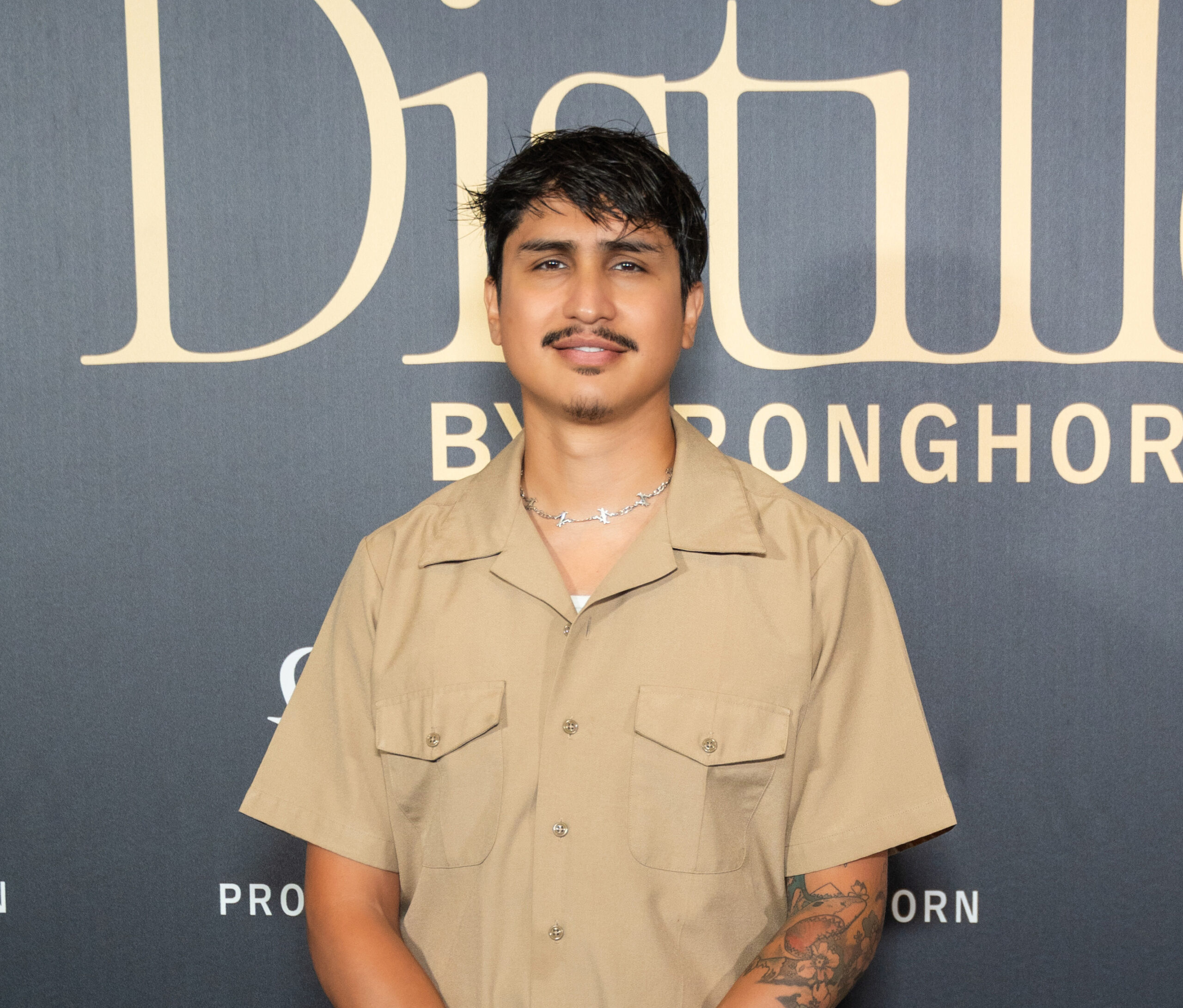
Emmanuel Camacho (BS ’11, media and cinema studies), founder of Manny Reel Films, is a Los Angeles-based film director and producer with a decade of experience crafting compelling visual narratives. His career spans music videos, short-form documentaries, and branded content, collaborating with industry giants like Nike, Google, Tidal, and Moët Hennessy. He has directed and produced a tour documentary for Lil Wayne, an inside look at Deadmau5’s record label, and Distilled (2024), a half-hour special on AMC+. Learn more about this College of Media alum, whose work merges documentary storytelling with cinematic aesthetics, capturing authentic moments that resonate across platforms.

Emmanuel Camacho

1. What first drew you to filmmaking and production, and how did that evolve into your current role today?

My first real appreciation for film and filmmaking began when I was 13. My older siblings, Paulina and Orlando, took me to the theater to see Kill Bill, directed by Quentin Tarantino. I remember being completely enthralled by the experience and asking myself, “How can a film make you feel so much?” That question stayed with me and sparked a deep love for cinema.

As I got older, that curiosity turned into intention. I enrolled in film-related classes and programs and eventually pursued a degree in media and cinema studies at the University of Illinois. After finishing undergrad, I knew I wanted to fully commit to building a career in filmmaking. I interned under Chicago-based documentary filmmaker Ben Kolak and later worked as an after-school arts instructor at the National Museum of Mexican Art, teaching Chicago high school students digital media arts.

From there, I began working independently, taking on clients across sportswear, food and spirits, nightlife, and music and culture media. Today, I live in Los Angeles and work with a wide range of clients producing social media content, editorial work, and long-form projects across film and television.

2. What do you consider your biggest career accomplishment. Is there one project that felt especially meaningful to you?

One of my biggest career accomplishments is sustaining my business as an independent filmmaker through major shifts in the media landscape, including the economic impact of COVID-19. Longevity in this industry isn’t guaranteed, and I credit it to staying grounded in my creative convictions while also building strong, lasting relationships with producers, clients, collaborators, and the friends and family who have supported me along the way.

A project that felt especially meaningful was directing a Google commercial in 2021, “Helping Small Businesses: Irazu, Chicago, IL.” It was one of the largest commercial projects I’ve directed, and beyond the creative fulfillment, it played a pivotal role in my career. The opportunity allowed me to make the full move to Los Angeles and continue pursuing my work as a film director at the next level.

Watch Camacho’s commercial:

3. What advice would you give to students who want to break into directing or production but don’t know where to start?

My biggest piece of advice is to create as much as possible and learn to enjoy the process of working. Early in my career, I passed on opportunities because I was too focused on compensation, when I should have been prioritizing experience and growth. That time is invaluable.

If paid opportunities aren’t consistent, create your own projects. Experiment with lighting, scout new locations, and revisit your edits to explore different approaches and workflows. With the Internet today, your work can reach audiences far beyond your immediate circle—you never know who might discover it and be inspired.

If this is truly what you want to do, do it. Stay persistent, stay curious, and keep making work.

4. The media landscape is constantly changing—how do you keep your work both current and true to your vision?

From a young age, I’ve been deeply interested in new media—likely influenced by growing up during the early days of the commercial Internet. I believe it’s important, especially as a student and creator, to stay informed about emerging trends and to actively experiment with new tools and technologies, including AI. Beyond technical growth, I draw inspiration from watching contemporary films, visiting museums, and engaging in creative conversations with friends and colleagues.

Staying true to my vision comes from having developed a clear and intentional visual identity over time. Through years of practice, I’ve learned how to create instinctively while maintaining a consistent point of view. I know what I want my work to look and feel like, and that confidence behind the camera is something I continue to refine through regular practice and self-reflection.

5. What’s one dream project you’d love to direct or produce in the future?

My ultimate dream project is to direct a feature film of my own. I’m especially drawn to telling lighthearted, character-driven stories set in Chicago, my hometown. Since moving to Los Angeles, I’ve become more aware of how Chicago is often portrayed through darker, heavier narratives—projects like The Chi or Chicago P.D. frequently frame the city as rough or dangerous.

While those stories reflect a real side of Chicago, they don’t represent the whole picture. I believe there’s an opportunity to reimagine the kinds of characters and stories that come from the city that highlight its warmth, humor, and humanity, and reveal the beauty that exists beneath the surface.

My hope is to bring those stories to life and, in doing so, inspire both Chicagoans and those who only know the city from afar to see it in a new light.

Share on social

College of Media
119 Gregory Hall
810 S. Wright St.
Urbana, IL 61801
217-333-2350