Media students gain unique, real-world experience through summer internships


From working on film production crews and meeting famous actors to interviewing congressmen on Capitol Hill, several College of Media students ended their summers on a high note after wrapping up internships that offered memorable learning opportunities.

Francisco Albarran

Francisco Albarran (MACS), Film Production Intern, Chili Finger

When media and cinema studies senior Francisco Albarran heard Chili Fingerโ€”a new film starring John Goodman, Judy Greer, Sean Astin, and Bryan Cranstonโ€”was filming nearby this summer, he took a chance and emailed Rantoul-based Flyover Film Studios, asking if he could help out.

To his surprise, the words โ€œperfect timingโ€ quickly appeared in his inbox and the very next day, Albarran was on set, helping build scenes and soaking in hands-on production experience at locations across central Illinois.

In his second week of the internship, Albarran got a surreal assignment: pick up Bryan Cranston (Breaking Bad) from his rental house in Champaign. The next day, Albarran was in his driveway, watching with awe as the garage door slowly opened revealing one of his all-time favorite actors.

โ€œIt looked so amazing. It looked like Walter White [the character Cranston played in Breaking Bad] was actually right there in front of my eyes, which basically he was,โ€ Albarran said.

During the 20-minute drive, the two shared a conversation about the Chili Finger production, life in general, and Albarranโ€™s own film aspirations. Albarran asked Cranston to sign a plank of wood he had saved from the film set as a souvenir. The message read: โ€œFrancisco, thanks for the ride, my friend, Bryan Cranston.โ€

โ€œOne week you have dirty laundry in the back of your car, and then the next you have an Emmy Award-winning [actor],โ€ Albarran mused.

Albarran said meeting Cranston and working alongside the film crew, as well as working with his MACS 480 classmates, helped reinvigorate his passion for storytelling and filmmaking. He hopes to write, direct, and act in a short film this year.

Nathan Gonzalez (Journalism), Assignment Desk Intern, FOX News Channel at the Washington, D.C., Bureau

Nathan Gonzalez

As an assignment desk intern for FOX News at the Washington, D.C. Bureau, Nathan Gonzalez, a junior in journalism, produced coverage of protests, U.S. District Court cases, Senate and House committee hearings, live shots, interviews, and press conferences with members of Congress.

Some of the content he produced even aired on shows like Fox News Live, The Big Weekend Show, The Story, America Reports, Americaโ€™s Newsroom, Special Report with Bret Baier, and The Will Cain Show.

โ€œThat was a huge moment,โ€ Gonzalez said. โ€œIt reassured me that even as a rising junior, Iโ€™m capable of producing content that meets national standards.โ€

Gonzalez learned how national political reporting is structured, the importance of fostering relationships with fellow reporters, and that national and local reporting arenโ€™t as different as they seem.

โ€œWhile national outlets have far more resources, the core skillsโ€”approaching officials and asking questionsโ€”apply at every level. If you can interview municipal officials, you can press congressmen on Capitol Hill, without a doubt,โ€ Gonzalez said.

Jonathan Mathew (Journalism), Entertainment Promotions Intern, Chicago Dogs

Jonathan Mathew

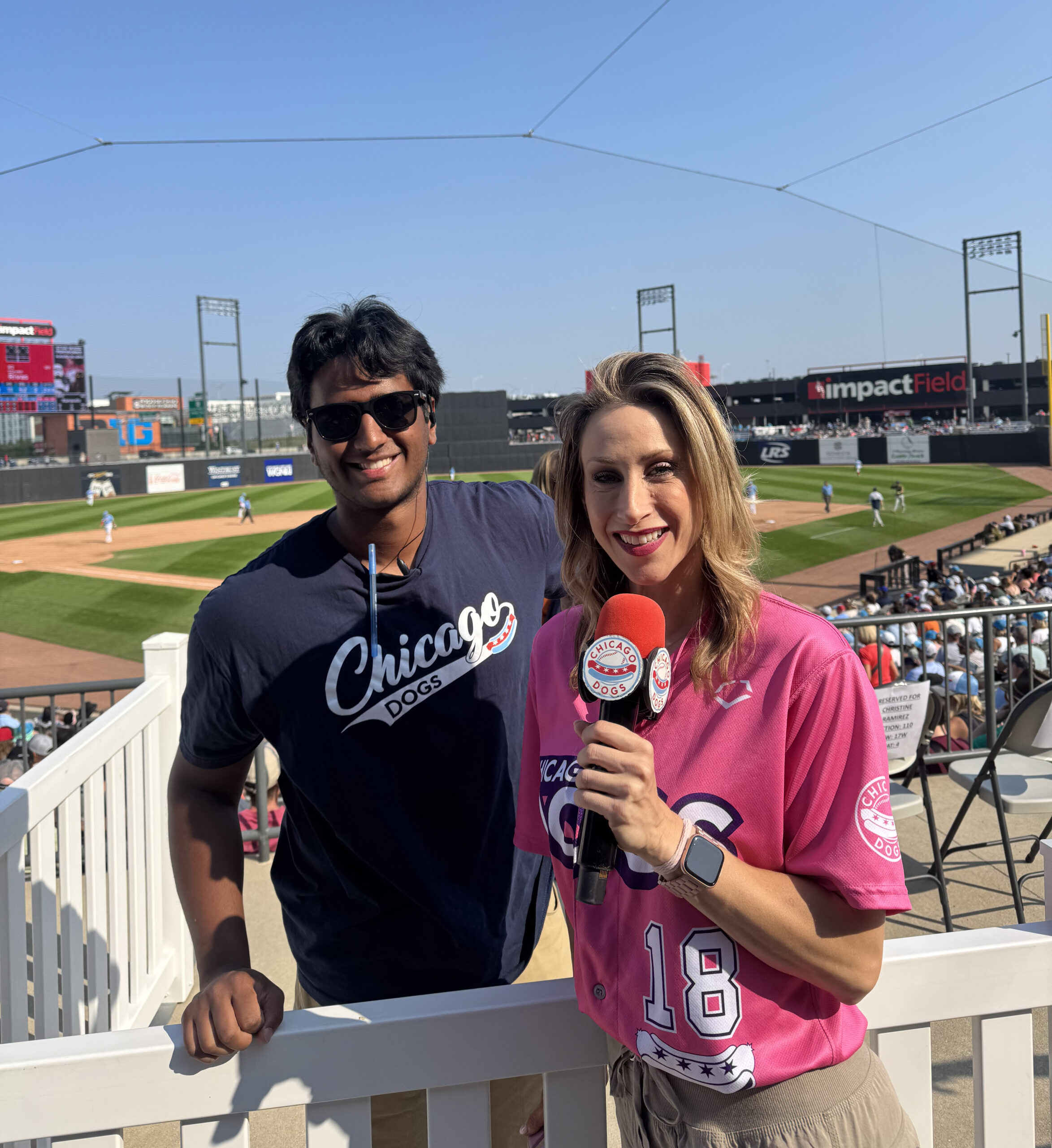
Whether he was working in the team store, ushering VIPs, overseeing the teamโ€™s Kid Zone, or dressed up as โ€œSqueezeโ€ the mustard mascot, Jonathan Mathew, a junior in journalism, had a great experience as an entertainment promotions intern with the Chicago Dogs baseball team this summer.   

Mathew said the opportunity to intern with the independent professional baseball team taught him a lot about sports business and entertainment, including different marketing techniques, as well as how to interact and engage with the public.

โ€œI learned a lot of life lessons that will be valuable to me in the long run, and I am confident the return on investment I have with this internship will be more than I can imagine,โ€ he said.

Mathew recalls one day working behind the mic as a gameday co-host tasked with entertaining the crowd between innings.

โ€œThat [is] an experience I will hold closely to my heart and have as a reminder to keep me motivated in achieving my career dream,โ€ Mathew said.

Sarah Juan (Advertising), Social Media Content and Video Intern, Glow Recipe

Sarah Juan

Sarah Juan, a junior in advertising, went above and beyond to secure an internship at the global skin care company Glow Recipe, crafting a mock-campaign proposal highlighting a celebrity partnership. Her hard work paid off as Juan was awarded the internship as a social media content and video intern.

In her role, Juan assisted with content development, conducted market research, tracked metrics, and helped the social media team with new product launches, which was the highlight of the experience for her.

โ€œSupporting the content team on set in NYC, I was able to work directly with models for new product launches and help direct filming for social content! Being on set was the most rewarding experience,โ€ Juan said.

Juan recalls an important lesson her supervisor shared that will stick with her: โ€œWeโ€™re all storytellers, no matter the industry you market in.โ€

โ€œThe beauty industry is tough and requires thick skin, but if you are passionate about supporting a mission through storytelling, that is what will get you far,โ€ Juan said.

Cherie Chick (MS Advertising), Account Specialist Intern, Rakuten Advertising

Cherie Chick

Cherie Chick, an MS advertisingย student, applied to more than 80 positions and interviewed with eight different companies before securing anย internshipย with her top choice, Rakuten Advertising. Rakuten provides advertising technology and consumer insights to global brands and retailers with a core focus on affiliate marketing, acting as the bridge between advertisers and publishers, including content creators, media outlets, and loyalty platforms.

Chick spent her summer in Chicago as an account specialist intern responsible for managing high-impact affiliate marketing campaigns by strategizing and negotiating publisher partnerships, optimizing creative placements to drive conversions, delivering performance insights to clients, and advising on quarterly spend strategies.

For Chick, the highlight of the internship was working with a diverse portfolio of client accounts spanning multiple countries and industries, from travel and finance to education and technology.

โ€œThis cross-regional exposure taught me how consumer behaviors, promotional calendars, and publisher relationships vary across markets,โ€ Chick said. โ€œFor example, the way travelers research trips and the sites they interact with is entirely different from how consumers search for credit card offers or financial advisors.โ€

Share on social
New lecturer in advertising Penne Heede brings agency expertise to classroom


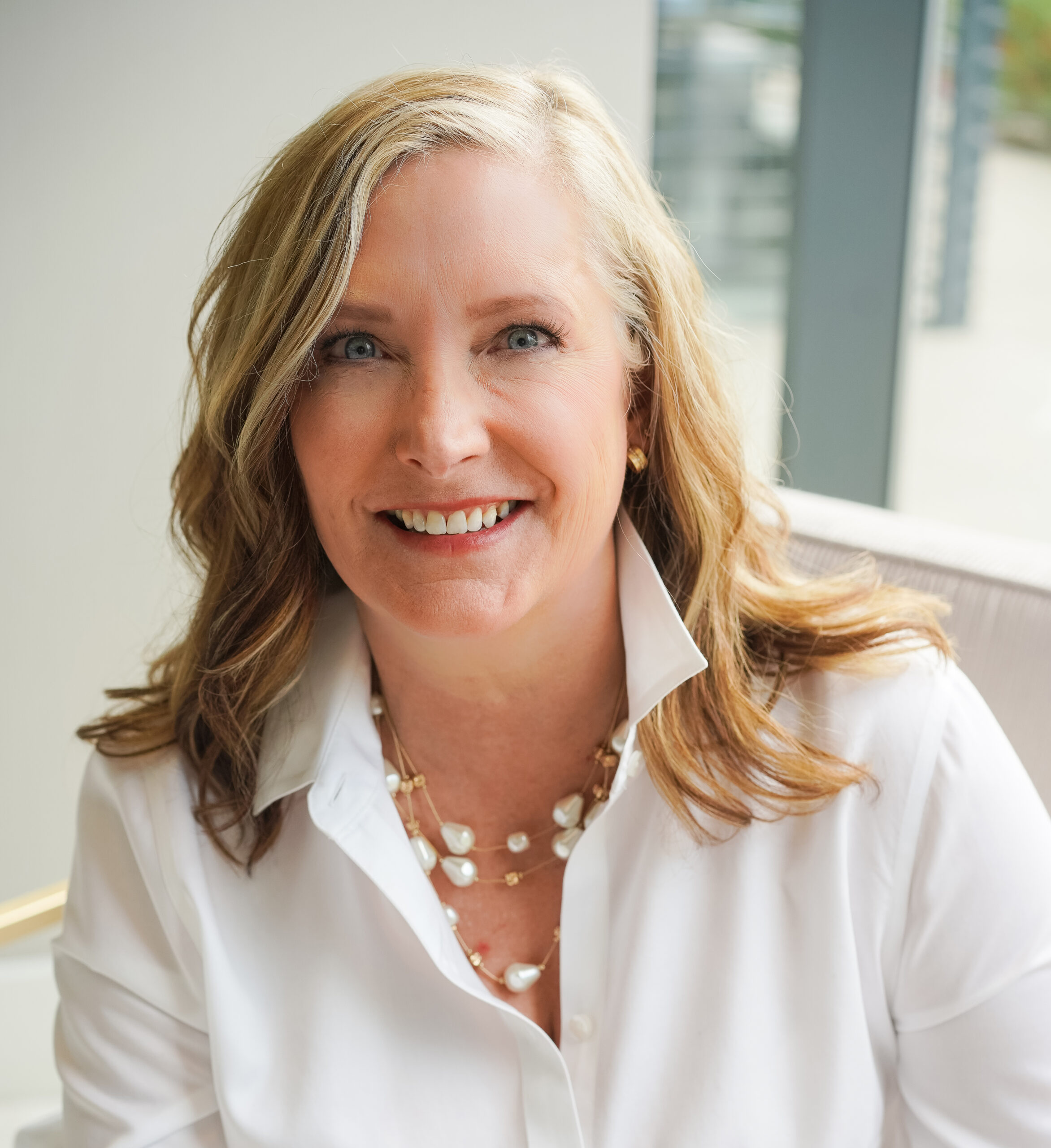
Penne Heede, a 30-year veteran in the ad industry, is looking forward to bringing her agency expertise to the classroom this fall as a new lecturer in the Charles H. Sandage Department of Advertising.

Penne Heede

Heede (MS โ€™23, strategic brand communication) will be teaching undergraduate and graduate classes including Advertising Design and Direction, Experiential Branding, and Creativity: Concept and Ideation.

More than three decades after Heede started her career with a technical degree in graphic design and worked her way up to creative and strategy director for an elite ad agency in Denver, Colorado, she went back to school to obtain a bachelorโ€™s degree in interdisciplinary liberal arts.

Heede said she enjoyed the experience so much she was inspired to work towards a formal education in branding to open the door to a career in post-secondary teaching.

Heede was drawn to the strategic brand communication masterโ€™s degree Illinois offered due to its innovative focus on the science of branding.

โ€œI loved Illinoisโ€™ program because it was a master of science [degree], not of art, and I was impressed with the mix of facultyโ€ she said.

A few months after she graduated with a masterโ€™s degree, Heede saw the job posting for advertising lecturer at the College of Media and said, โ€œit just read exactly what all my experiences have been.โ€

Heedeโ€™s teaching philosophy comes from a belief that everyone has their own personalities and way of doing things. She also tries to abide by 13th-century poet Rumiโ€™s famous quote โ€œto be a lamp, a lifeboat, or a ladderโ€ for others.

โ€œI added โ€˜lawnmowerโ€™ because sometimes youโ€™re in the weeds and you just need somebody to go in front of you and make it a little bit easier,โ€ Heede said.

Heede may align her educational approach with the beliefs of an ancient poet, but her views about the changing trends in the advertising industry are anything but archaic. 

โ€œIโ€™m psyched by [AI]. If you think about it, spell check was machine learning, and we all are just fine with it. Calculators were once taboo in high school math classesโ€”now weโ€™re okay with it,โ€ she said. โ€œItโ€™s just the evolution of tools that help us.โ€

Heede also believes a human touch will always be needed in the industry to write, design, and uncover the motivation of consumers.

โ€œ[Asking] what inspires a person, what is their motivation towards doing things, what do they love, what do they hateโ€”I really like that [kind of] thinking,โ€ she said.

Heede considered similar questions for a three-year capital campaign she led, which raised $33 million for a 71-mile trail in the Denver region called the High Line Canal.

โ€œIโ€™m very proud of that campaign not only because it was so successful, but also because the trail is an amazing amenity for the region and itโ€™s now protected in perpetuity,โ€ she said.

For Heede, a good ad creates a behavior, whether it motivates someone to donate money, start recycling, or buy a chocolate bar. And sometimes, she said, a good ad will just elicit a strong emotion.

Heede, who is a huge fan of the late musician Prince, said she will never forget the full-page newspaper ad Chevrolet created after the starโ€™s death.

Paying tribute to Prince, the ad featured a picture of a red Corvette with the epitaph: โ€œBaby, that was much too fast. 1958-2016,โ€ referencing lyrics from his 1982 hit, โ€œLittle Red Corvette.โ€

โ€œIโ€™m going to remember that my whole life; it was so good,โ€ Heede said. โ€œThatโ€™s what an ad should do. It should make you feel.โ€

Share on social
Grad student Sekhar Padmanabhan champions public service journalism as manager, reporter at life-saving wildfire app Watch Duty


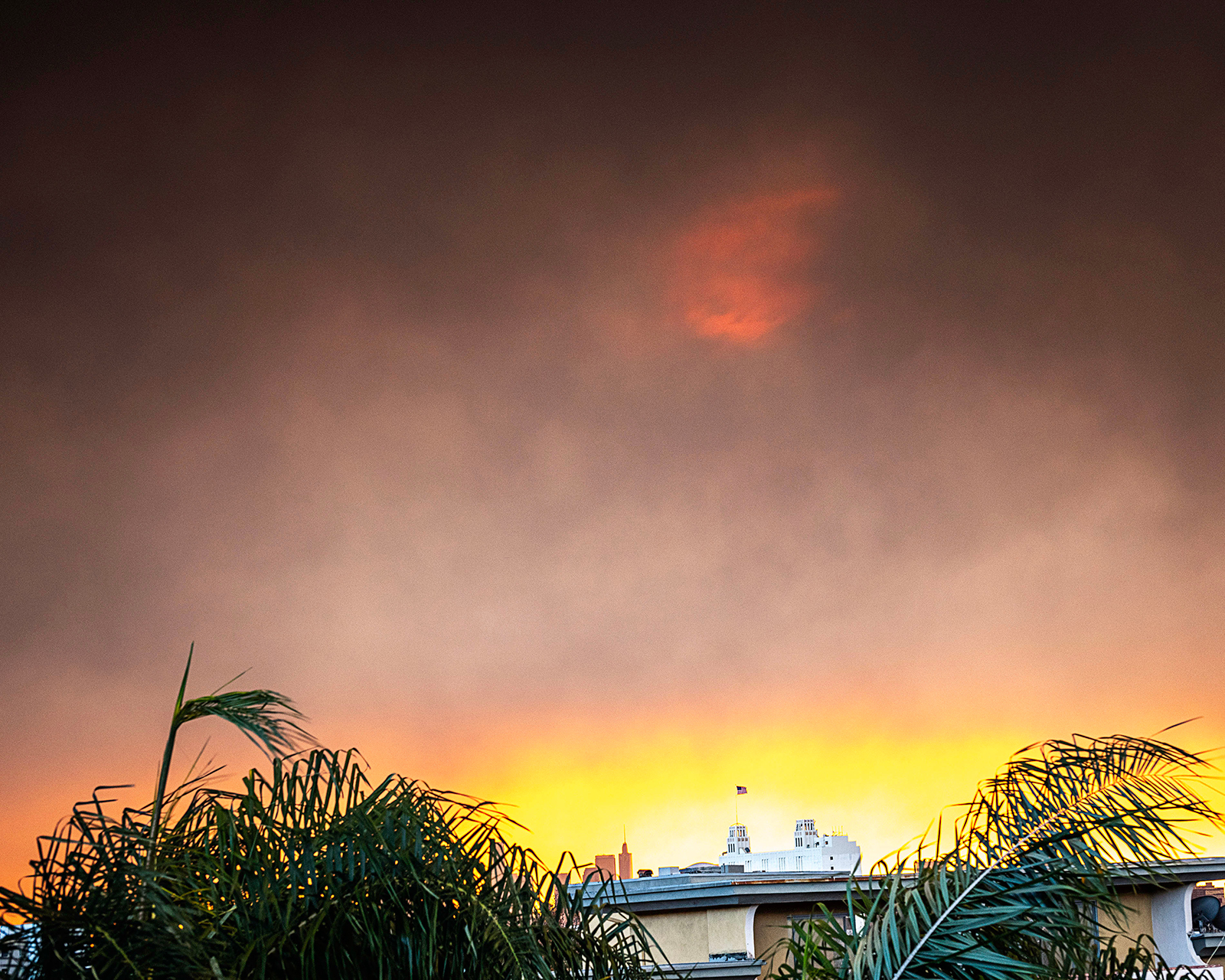
Smoke from the January 2025 wildfires light up the sunrise over downtown Los Angeles, CA.
Smoke from the wildfires light up the sunrise over downtown Los Angeles, California, on January 8, 2025. (Photo by GDMatthews, Adobe Stock.)

During the historically destructive wildfires in Los Angeles in January 2025, Sekhar Padmanabhan, a graduate student in the online science and technology journalism specialization program, found himself in need of the real-time alerts issued by Watch Duty, a free app where he works as a senior regional reporting manager and staff reporter.

Sekhar
Sekhar Padmanabhan

Although he was on the edge of the evacuation order zone, he stayed home with his cats while other reporters covered for him.

โ€œI was watching on Watch Duty, just like everybody else,โ€ Padmanabhan said. โ€œI had the scanner and our Slack channels, but still, it was a very surreal experience.โ€

He was even interviewed by PBS Newshour to share his accounts as a Watch Duty employee who was also witnessing the fire grow.

Living through a wildfire firsthand and relying on Watch Duty to help him make decisions made him value the nonprofit service even more.

โ€œWhat we want to do is give people enough information thatโ€™s correct, that they can do something with when things are happening, because you donโ€™t always think clearly in an emergency,โ€ he said.

While Padmanabhanโ€™s home survived, he said, โ€œeverybody I knew, knew somebody who lost somethingโ€โ€”his nieceโ€™s classmates lost homes in the Palisades, his sisterโ€™s friendโ€™s restaurant burned down in Malibu, and his girlfriendโ€™s doctorโ€™s office burned down in Altadena.   

His job carries immense responsibility because not only does Watch Duty serve the general public, it also serves the first responders who use it when risking their lives. In just one night during the January wildfires, 600,000 new users signed up.

Itโ€™s been very rewarding to know that we have definitely helped people, given people extra time to get out, grab their pets, grab things they need, and be able to make informed decisions.

Watch Duty, which launched in August 2021, currently provides service to the Western half of the U.S., covering 22 states, and is staffed by 20 full-time employees, including reporters and engineers, and 300 volunteers, including firefighters, dispatchers, and first responders.  

Watch Duty app
The Watch Duty app interface, which alerts users of nearby wildfires and firefighting efforts in real-time.

For its role as a lifesaver, Watch Duty was recently named one of TIMEโ€™s Most Influential Companies of 2025 in the Pioneer category and received a 2025 Apple Design Award in the Social Impact category.

Padmanabhan said itโ€™s gratifying to be recognized by these organizations for โ€œdoing this kind of, what I call, public service journalism.โ€ More importantly, heโ€™s grateful for the increased awareness and downloads of the app.

โ€œItโ€™s been very rewarding to know that we have definitely helped people, given people extra time to get out, grab their pets, grab things they need, and be able to make informed decisions,โ€ Padmanabhan said.

Padmanabhan, who is nine credits away from graduating and becoming one of the first alumni of the Department of Journalismโ€™s online science and technology journalism program, focused his masterโ€™s project on fire science and fire ecology. Specifically, he spoke with scientists who have studied pyrocumulonimbus clouds, which are commonly associated with wildfires.

โ€œBasically, theyโ€™re thunderstorms that are generated by the fire,โ€ he explained. โ€œYou may have heard something like fires can generate their own weather. Well, thatโ€™s what these are, and they can produce their own lightning, and rain, and all sorts of [phenomena].

โ€œThey produce these giant columns; some are up to 50,000 feet [and] can be seen from space,โ€ he continued. โ€œEven some of the smaller ones, when they collapse, when they go back down, they can throw a lot of wind out in all directions, which is dangerous for the firefighters on the ground and residents because you canโ€™t predict it.โ€

Last semester, Padmanabhan wrote a 3,000-word article after interviewing scientists at the U.S. Naval Research Laboratory in Washington, D.C., and the Bureau of Meteorology in Melbourne, Australia. These scientists are working on predicting and modeling pyrocumulonimbus events so that fire managers will have a better idea of whatโ€™s coming.

โ€œIt really brought me back to what I love doing, which is getting this information out to the public,โ€ he said.

Share on social
Institute of Communications Research welcomes 2025 cohort of doctoral students


The Institute of Communications Research is excited to announce their newest cohort! Please learn more about the studentsโ€™ research interests below and join us in welcoming them to the University of Illinois College of Media community this fall. For more information, see full student profiles.

Thomas Farrenkopf

Thomas Farrenkopf earned his master’s degree in cinema and media studies at the University of Southern California. His research interests include new media and digital generosity; film theory, with a focus on Third and Fourth Cinema; Indigenous representation in film;  media and sociology: representation, exploitation, and labor; intersectional approaches to media studies (race, class, gender, sexuality); and critical theory and mediaโ€™s impact on empathy and social responsibility.

Azam Hasanpour

Azam Hasanpour is a multidisciplinary film and theatre artist with an MA in cinema from the University of Tehran and an MFA in film and media arts from Temple University. With over eight years of focused experience in filmmaking, she brings a rich background in both artistic practice and academic research. Her research interests include digital humanities, visual arts, mixed media, documentary studies, and critical visual and media studies.

Xiaohua (Anthea) He

Xiaohua (Anthea) He earned her MSc in communication science from the University of Amsterdam, where she focused on persuasive communication. Her research interests include persuasion and information behaviors, with a particular focus on how consumers process and respond to health-related advertising crafted with persuasive strategies. 

Aiman Kazybayev

Aiman Kazybayeva previously served as dean of the School of Management at Almaty Management University (AlmaU). Before that, she was program leader for the marketing educational program and chair of the Department of Management, Marketing, and Logistics. She also founded and continues to head the Neuromarketing Laboratory at AlmaU, combining research and practice in consumer behavior studies. Her research focuses on advertising, consumer behavior, neuromarketing, and biometrics. She applies methods such as eye-tracking, facial recognition, and GSR to study how consumers process advertising messages and make decisions.

Seoyoung (Selene) Kim

Seoyoung (Selene) Kim earned her MA in media and communication from Korea University. Her research interests lie at the intersection of consumer behavior and humanโ€“AI interaction. She examines how people interact with AI and how it shapes their decision-making, particularly in the music entertainment industry and other media contexts.

Luciana Salviano Marques da Silva

Luciana Salviano Marques da Silva earned her master’s in media studies at the Federal University of Rio Grande do Norte in Brazil. Her research interests include digital journalism, artificial intelligence, television studies, media literacy, quality television, and public journalism.

Share on social
College of Media offers new online degree completion program: BA in Media


To expand access to a University of Illinois education, the College of Media now offers an online Bachelor of Arts in Media program for adult learners who have taken some college coursework but have not completed their undergraduate degree.

Person taking notes and using a laptop

Targeting working adults who want to upskill or re-skill their media knowledge and advance in or change their careers, the BA in Media is one of the first online degree completion pathways offered by the University of Illinois Urbana-Champaign, along with a similar program at the College of Liberal Arts & Sciences.

โ€œThis new degree will give learners the advantage of earning their bachelorโ€™s in media at their own pace. It comes at a time when valuable skills from advertising, journalism, and media and cinema studies are in high demand across industries,โ€ said Tracy Sulkin, dean of the College of Media. โ€œAs we near 100 years at the College of Media, weโ€™re pleased to offer an innovative, flexible option to access our world-class education, without disrupting learnersโ€™ work, family obligations, or other commitments.โ€

This offering reflects the universityโ€™s broader commitment to educational innovation, societal impact, and its land-grant mission to transform lives through education. The College of Media began developing the online BA in Media program in 2023. Itโ€™s designed to remove barriers for non-traditional students, across Illinois and beyond, providing an accessible, high-quality education that empowers graduates to contribute meaningfully to their communities and industries.

The interdisciplinary program will provide a broad foundation for understanding the contemporary media landscape, along with applied training in skills necessary for career success in media-related fields. Students will take courses from each of the College of Mediaโ€™s three departments: the Charles H. Sandage Department of Advertising, the Department of Journalism, and the Department of Media & Cinema Studies.

This new degree will give learners the advantage of earning their bachelorโ€™s in media at their own pace. It comes at a time when valuable skills from advertising, journalism, and media and cinema studies are in high demand across industries.

Tracy Sulkin

Dean of the College of Media

Students will learn media concepts, theories, and methods; use cutting-edge tools and technology to analyze and evaluate the media landscape; and create ethical and culturally relevant media content. Understanding that students will possess a wide range of experiences and coursework, the program culminates in a capstone experience where students will apply their knowledge to a significant project that highlights their skills to future employers.

Graduates of the program will be prepared for successful careers both inside and outside the media industry, including positions in the business, government, education, and nonprofit sectors that require media and communication skills, such as writing, editing, audio production, videography, strategy, and media research and analysis.

Unlike traditional undergraduate degree programs, students in the BA in Media program will not be required to enroll full-time, nor to reside on campus. Students must complete all classes online.

The BA in Media program is open to transfer students and to those applying for re-entry to the University of Illinois Urbana-Champaign. It is not available to first-year students or to current students seeking an inter-collegiate transfer.

The bachelorโ€™s in media is the fifth bachelorโ€™s degree offered by the collegeโ€”which also offers masterโ€™s degrees and a doctoral degreeโ€”further expanding its academic portfolio to meet the needs of todayโ€™s learners. See all academic programs offered by the College of Media.

Share on social

College of Media welcomes Fall 2025 with faculty promotions and leadership appointments


This fall, the College of Media announces two new department heads, seven faculty promotions, and one new faculty member.

University of Illinois campus with fall leaves and Block I banner

In the Charles H. Sandage Department of Advertising, Sang-Hwa Oh has been promoted to associate professor with indefinite tenure. Carrie Wilson-Brown has been promoted to senior lecturer. Penne Heede joins the department as a new lecturer.

In the Department of Journalism, Professor Jeffrey Magee has been named interim head. He previously served in the College of Media as associate dean for academic affairs from 2019 to 2022. Alison Davis and Josh Heuman have both been promoted to senior lecturer.

In the Department of Media & Cinema Studies, Professor James Hay has been named interim head. Anita Say Chan has been promoted to full professor. Jenny Oyallon-Koloski has been promoted to associate professor with indefinite tenure. Josh Heuman, Jonathan Knipp, and Carrie Wilson-Brown have each been promoted to senior lecturer.

In the Institute of Communications Research, Amanda Ciafone, associate professor of media and cinema studies, will serve as interim director of graduate studies for Fall 2025. Derek Long, associate professor of media and cinema studies, will return as director of graduate studies in Spring 2026.

Continuing for a second term within the college administration, Jason P. Chambers, professor of advertising, will serve as associate dean for access and engagement, and Stephanie Craft, professor of journalism, will serve as associate dean for academic and faculty affairs.

Share on social
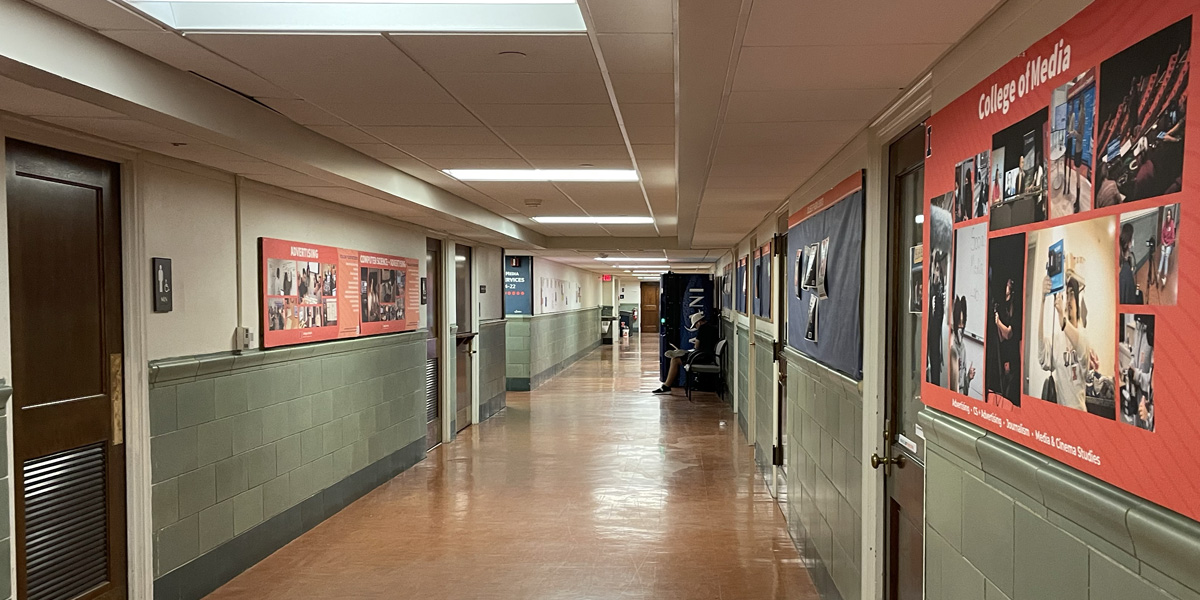
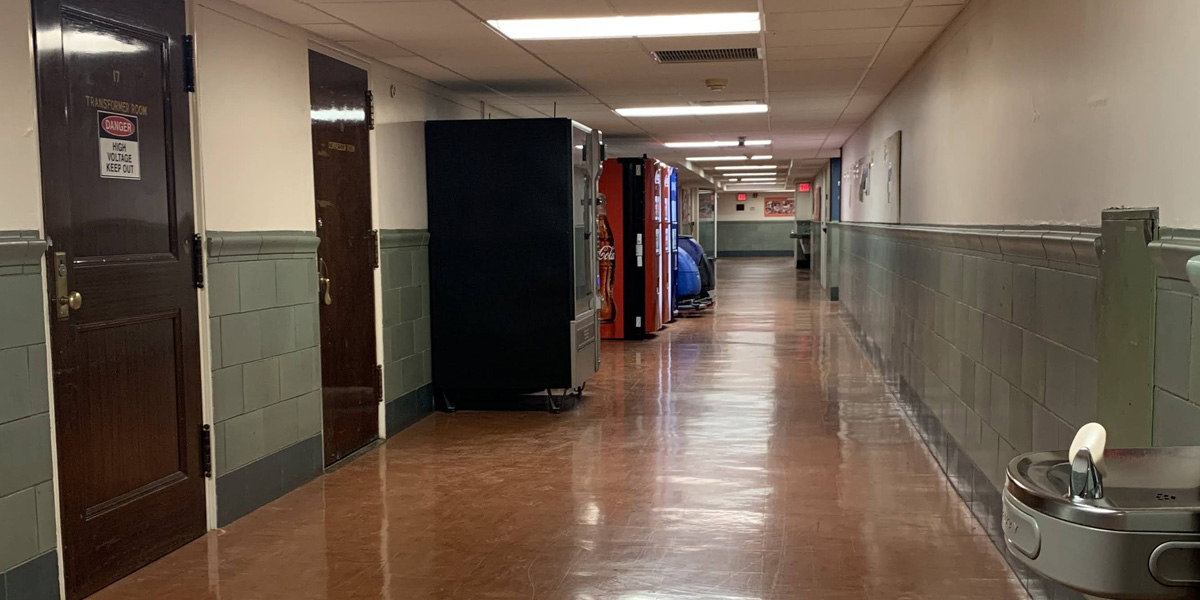
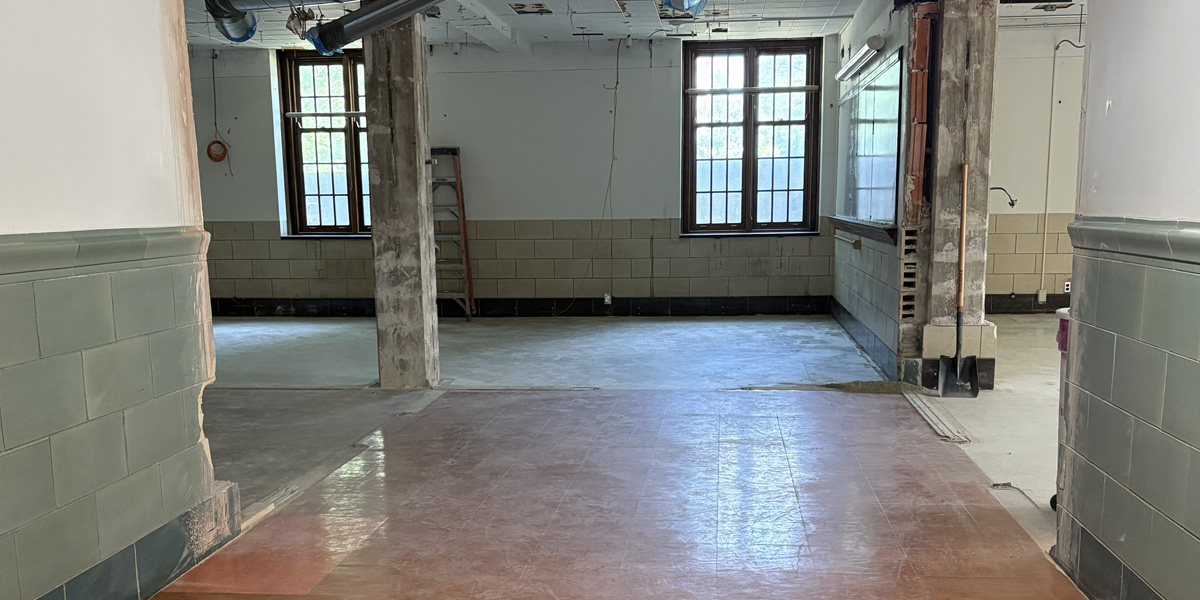
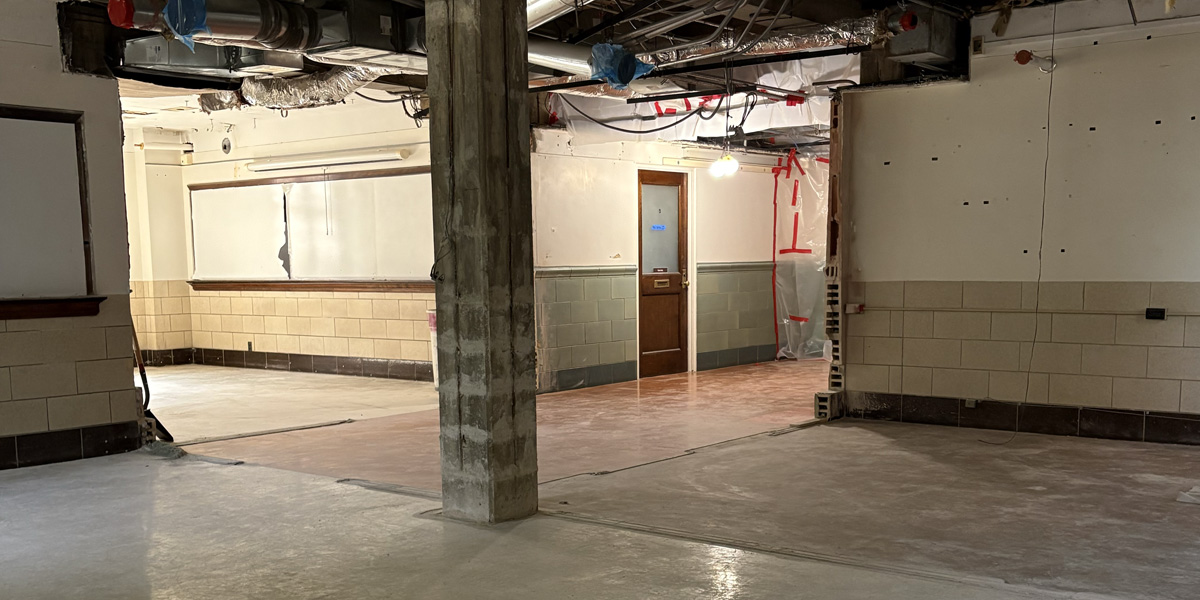
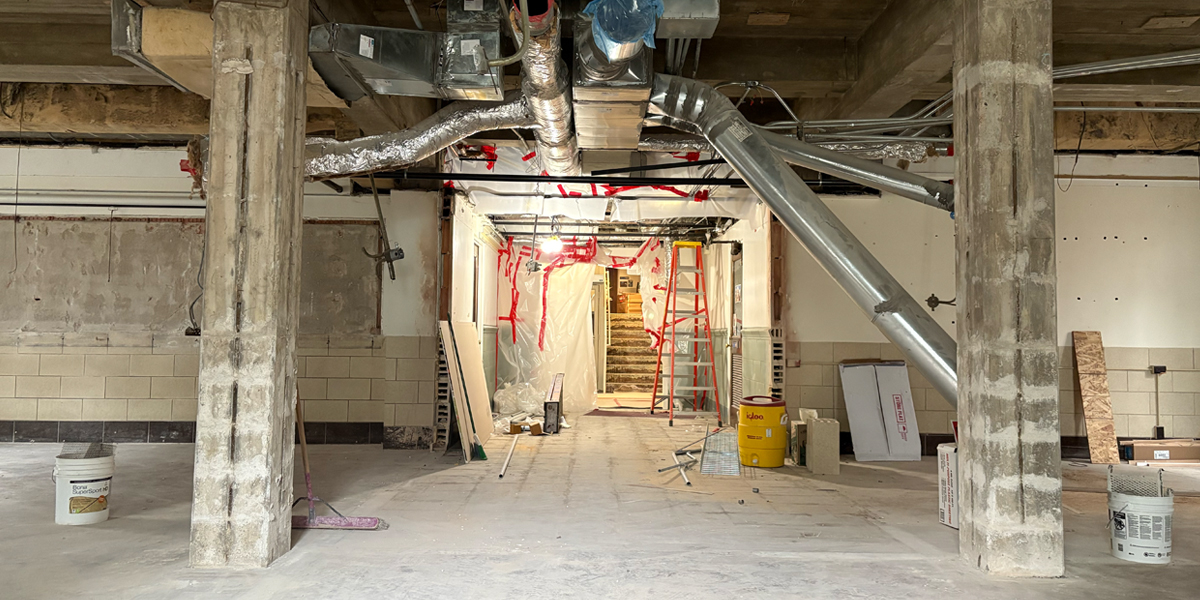
Gregory Hall lower-level renovation photos


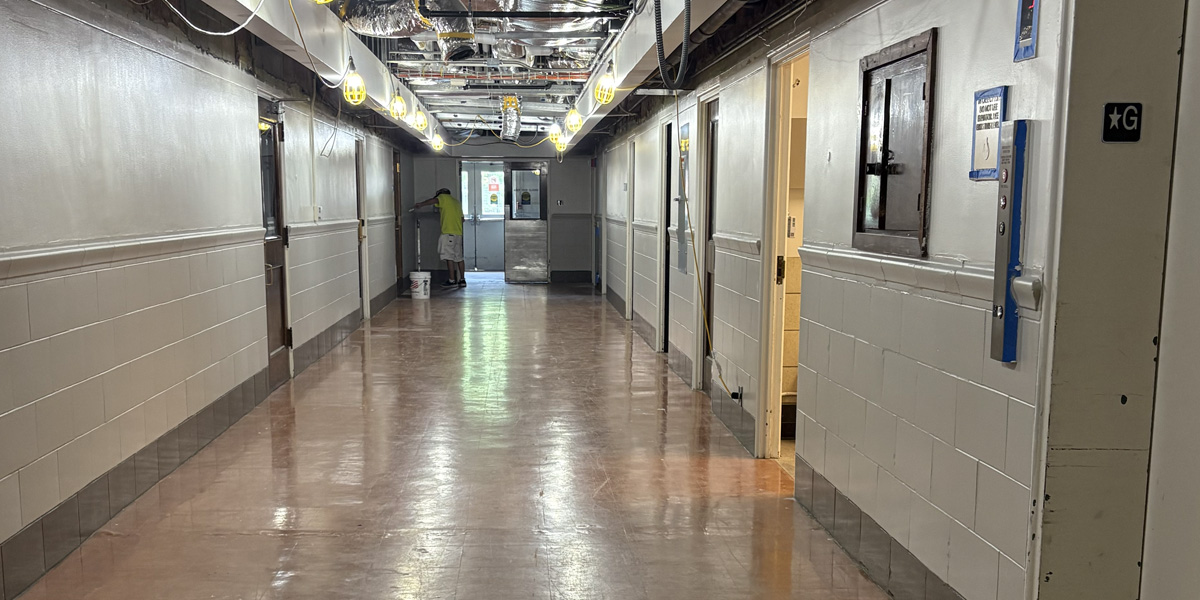
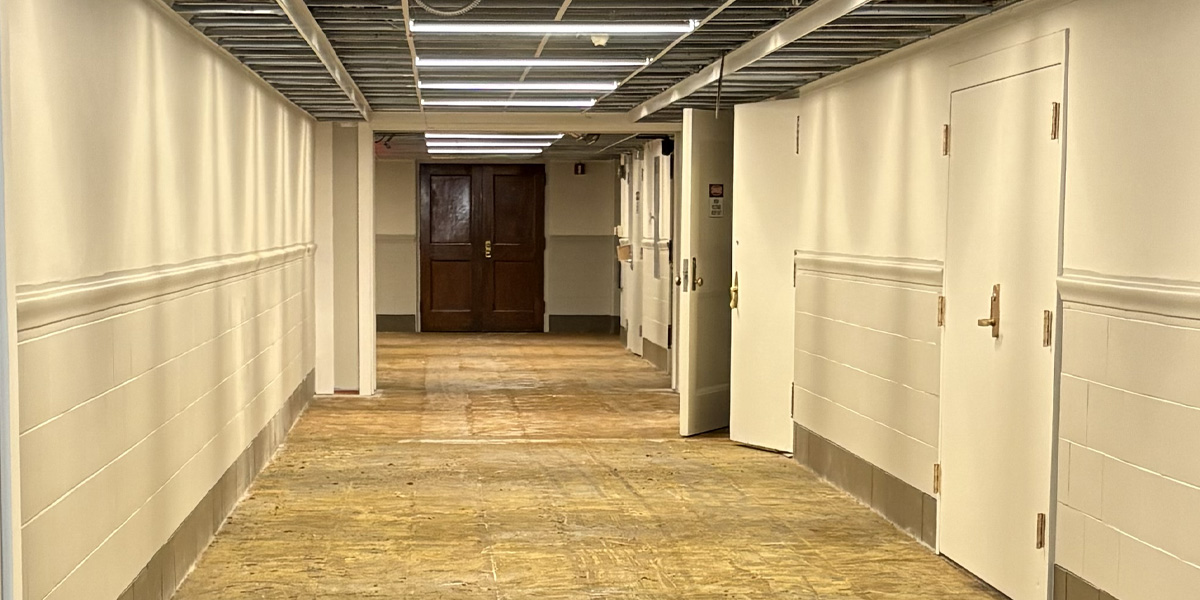
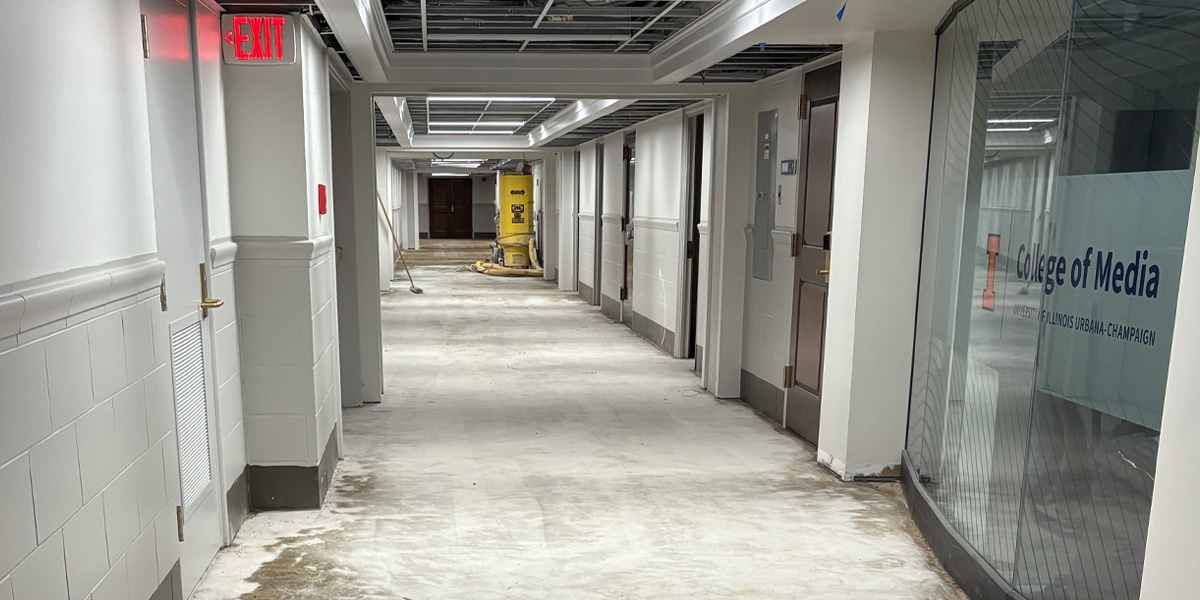
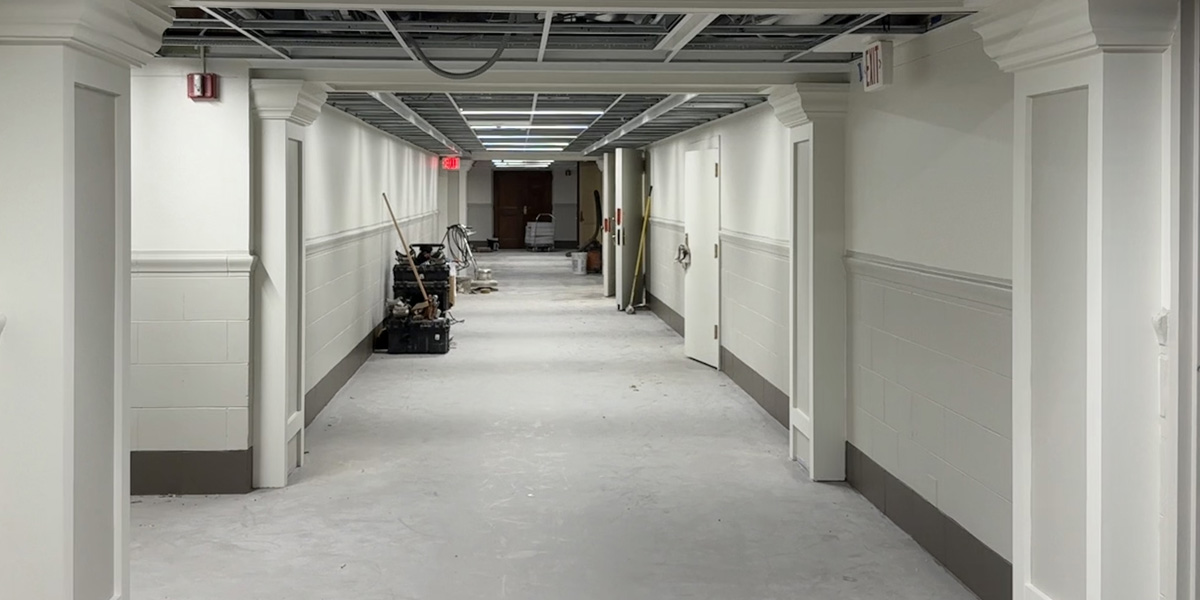
Thanks to a $2.5M gift from Richard and Leslie Frank in 2024โ€”who endowed the Richard and Leslie Frank Center for Leadership and Innovation in Media in 2020 and enabled the renovation of Richmond Studioโ€”exciting upgrades in the lower level of Gregory Hall began in Spring 2025. 

Gregory Hall Room 1 architect rendering overview

This will result in the creation of a new hybrid/flexible, state-of-the-art classroom (see architectural rendering above), which will open in Spring 2026, and a renovated main corridor, plus updated flooring throughout, including in faculty offices.

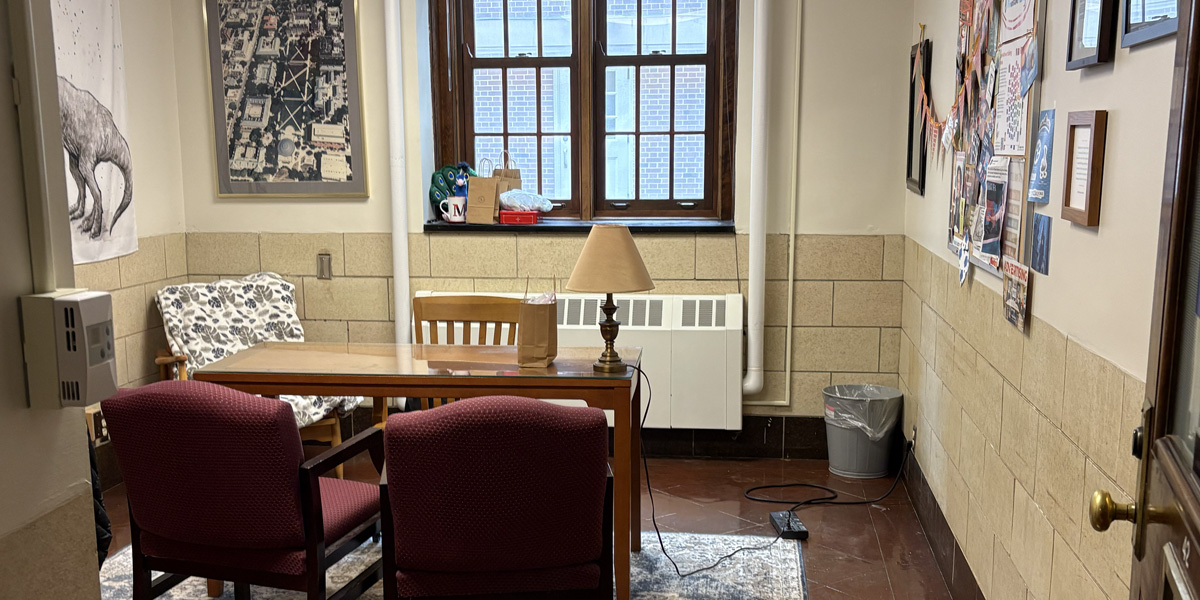
See photos depicting the original spaces, the renovation process, and the architectural renderings.

Gregory Hall Lower-Level Corridor

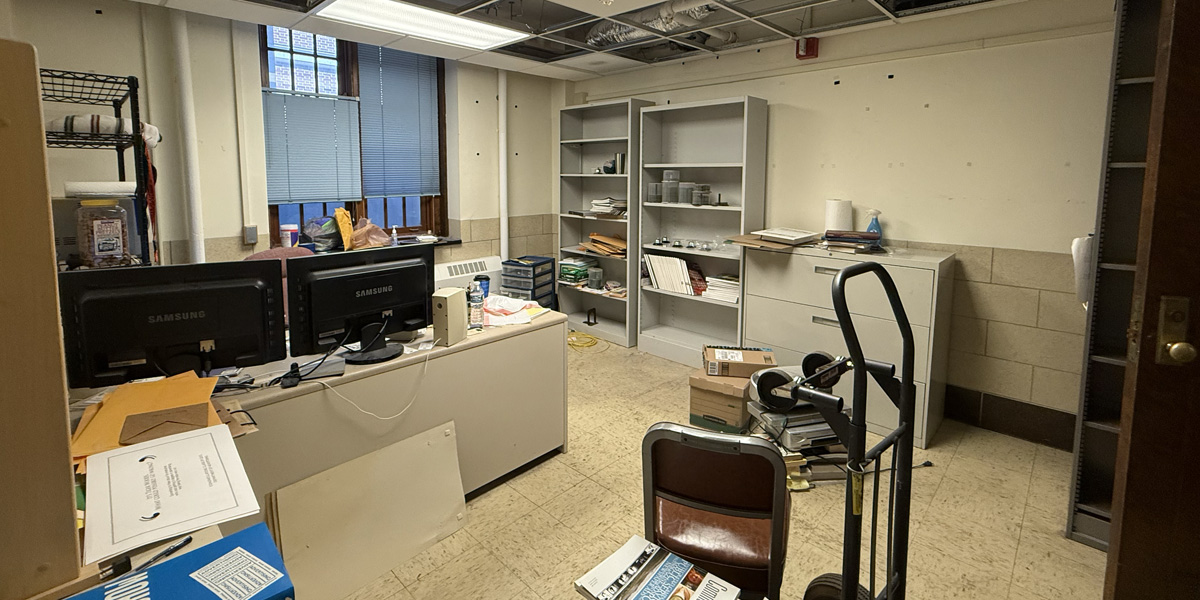
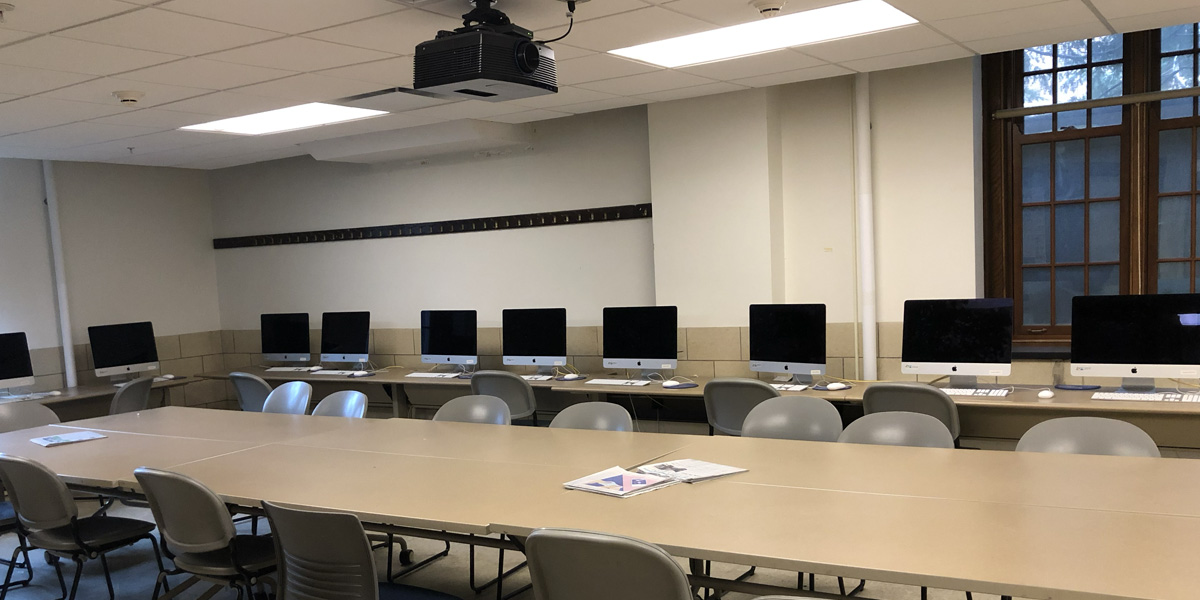
Before Renovations

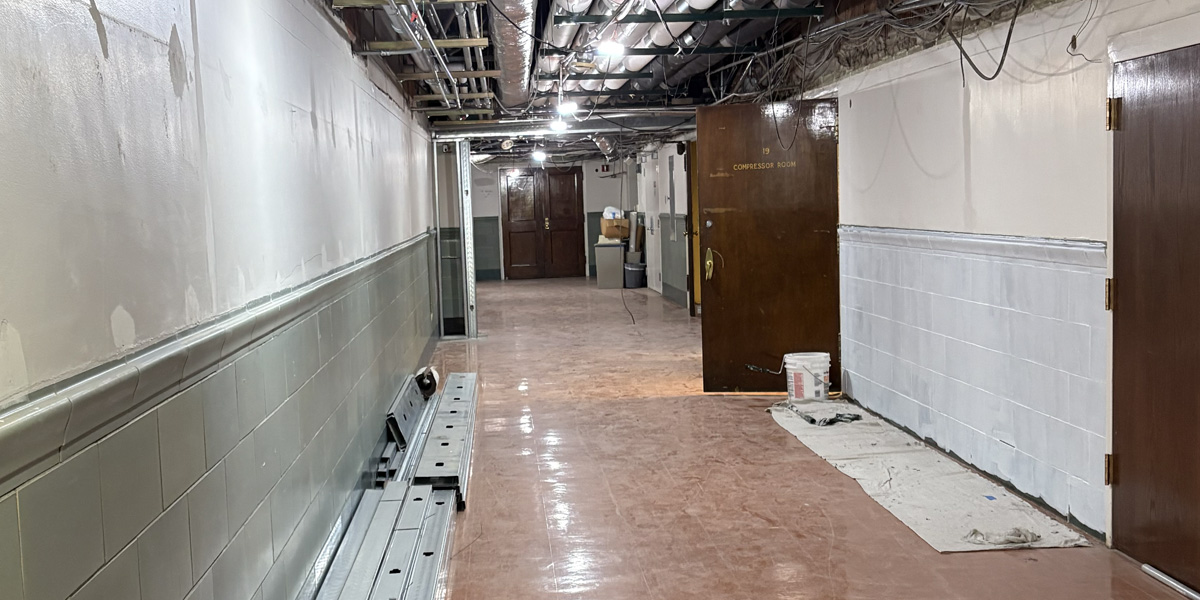
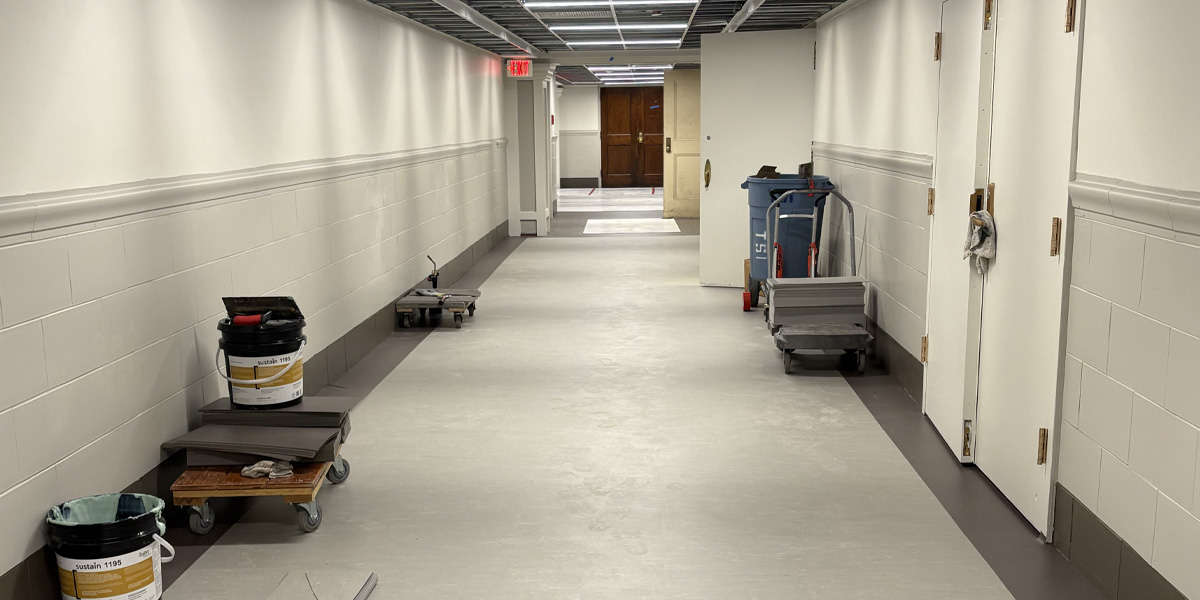
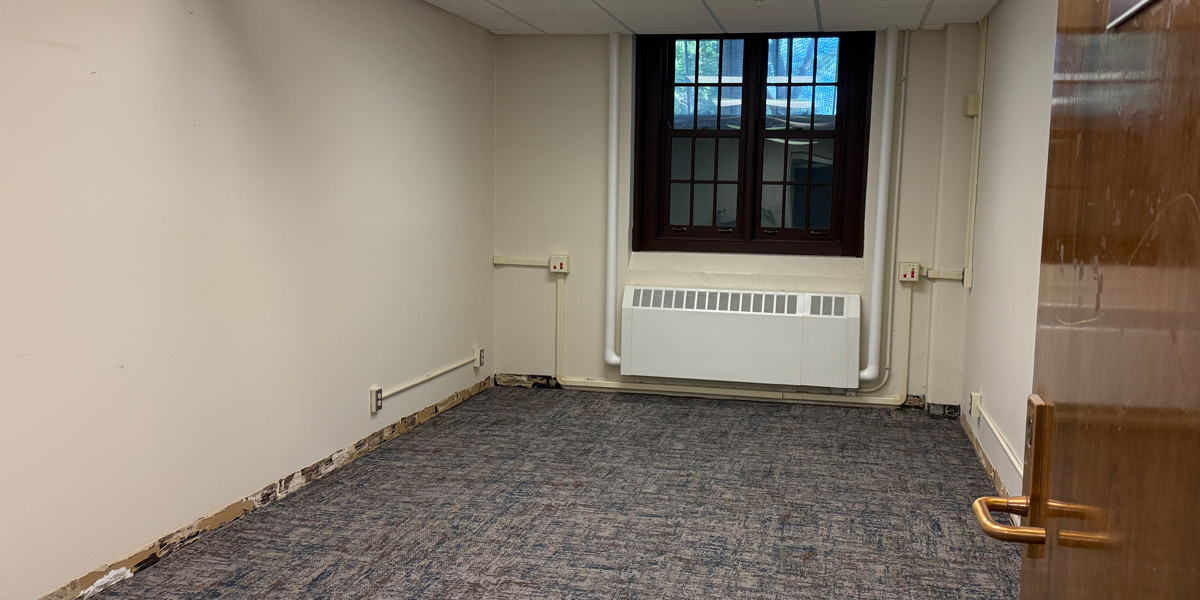
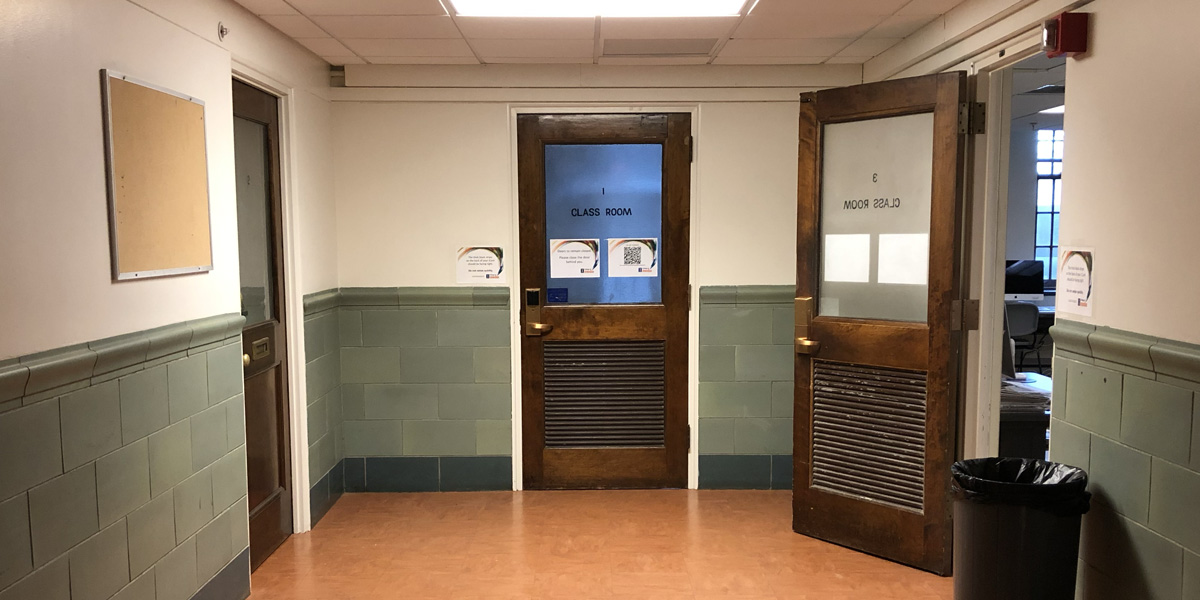
Substantial work in the lower level of Gregory Hall has not occurred since the 1990s. See photos of the original corridor and a faculty office.

  • Gregory Hall lower level corridor before from west
    Gregory Hall lower level corridor before renovations

Renovation Progress

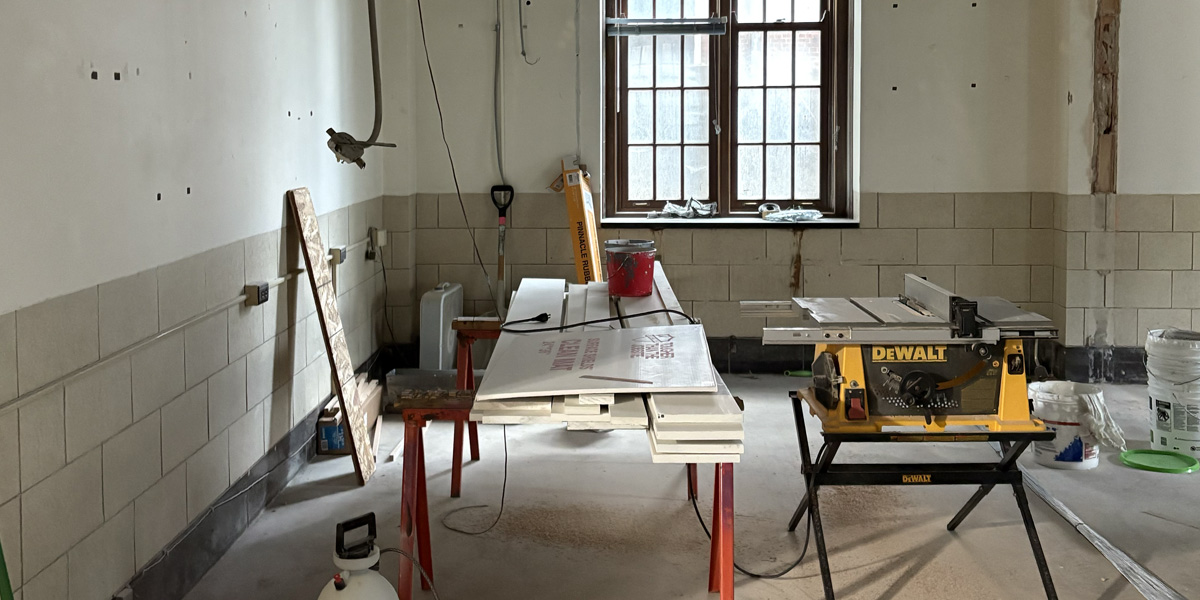
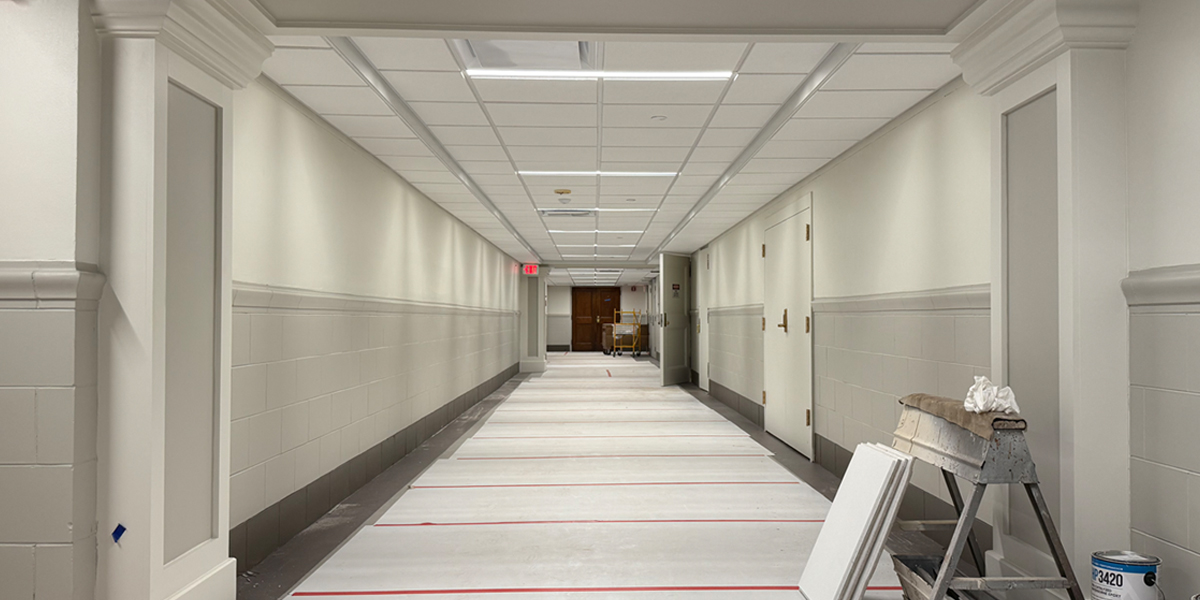
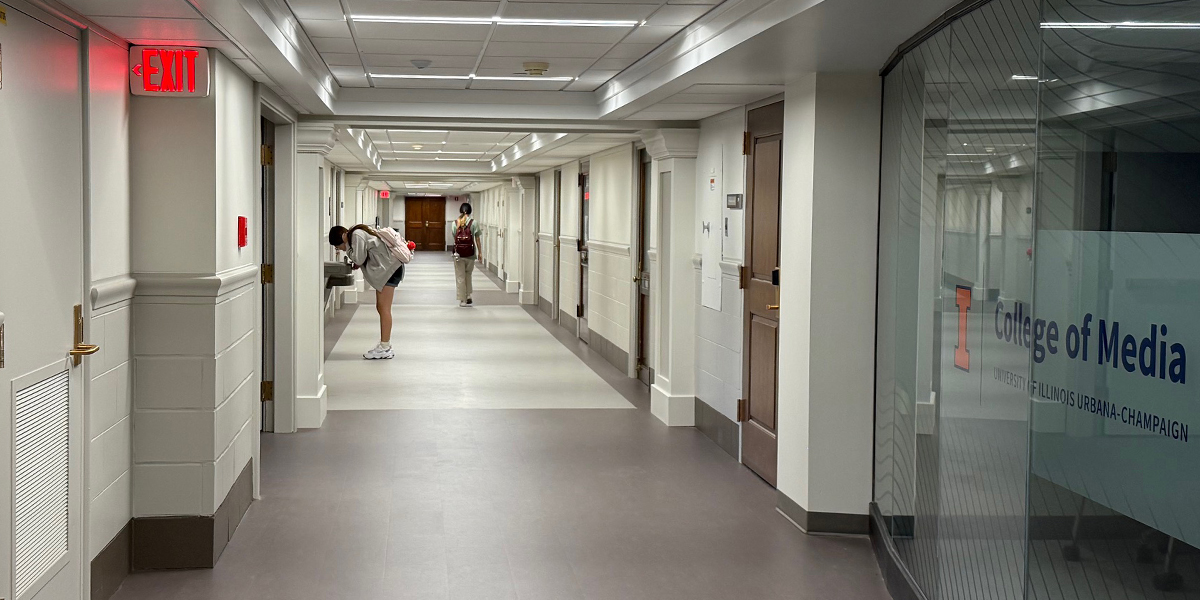
Renovations included painted walls throughout the entire hallway, including the east and west wings, new lighting, and new flooring, including in faculty offices.

  • Gregory Hall lower level hall east painting and primer
    Painting primer in the hallways

Architectural Rendering

The corridor renovations will be complete by the start of Fall 2025. By Spring 2026, new digital signage will be installed in place of bulletin boards that previously lined the walls.

Architectural rendering of Gregory Hall lower level display area

Gregory Hall Room 1

Before Renovations

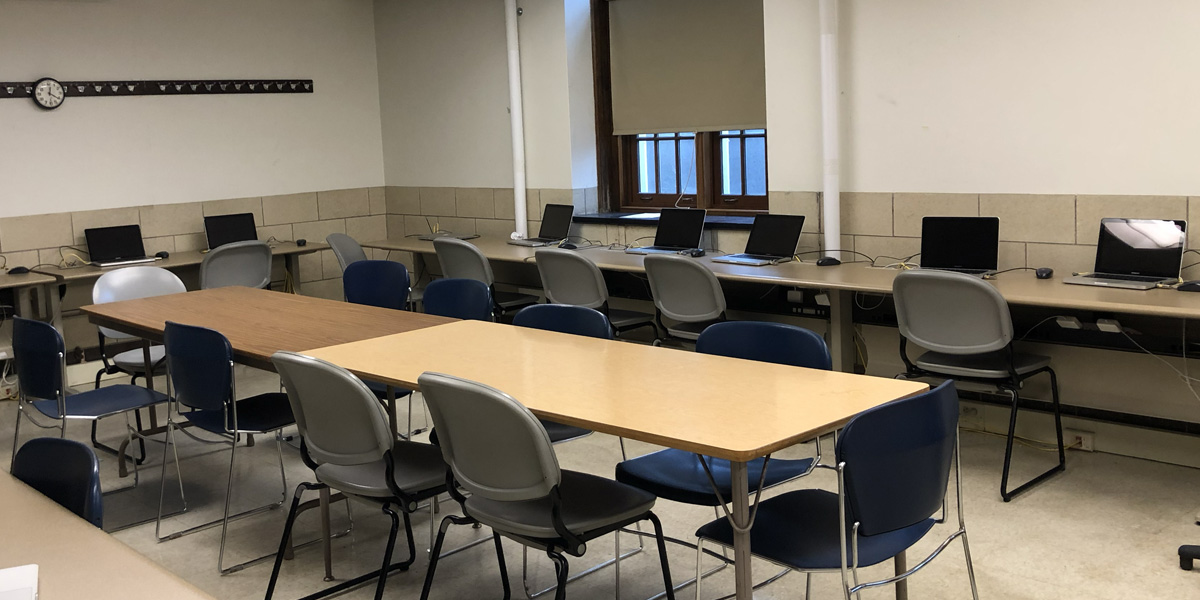
Rooms 1, 2, and 3 on the east wing were two smaller classrooms and a faculty office.

  • Gregory Hall Rooms 1, 2, 3 before
    Gregory Hall Rooms 1, 2, and 3 before renovation

Renovation Progress

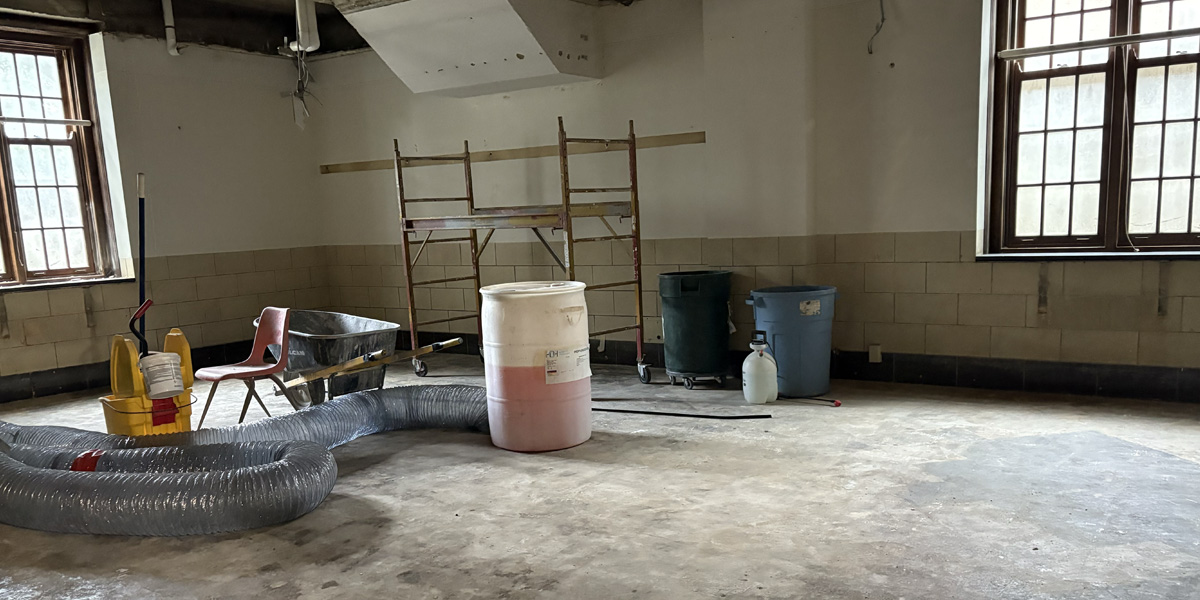
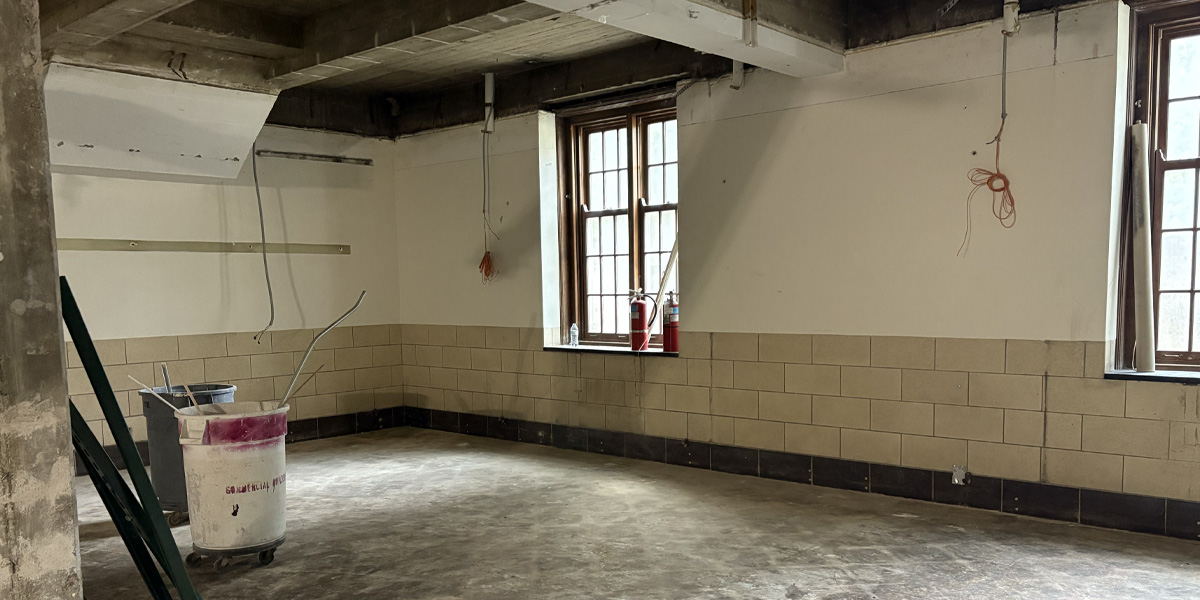
Renovations included knocking down walls to combine Rooms 1, 2, and 3 into a new hybrid/flexible, state-of-the-art classroom.

  • Gregory Hall Room 1 after demo
    Gregory Hall Room 1 after demo

Architectural Renderings

By Spring 2026, Room 1 will offer classes by all three departments in the College of Media, supporting activities such as advertising brand consultations, journalism press conferences, and media and cinema studies production, and will enable hybrid teaching and conferencing.

Architectural rendering of the entrance to Gregory Hall Room 1

Architectural rendering of Gregory Hall Room 1

โ€”Photos by Meghan Burnett and Holly Rushakoff. Architectural renderings by Reifsteck Wakefield Fanning.

Share on social
Media faculty, students, alumni present research at 2025 International Communication Association conference


Faculty, graduate students, and recent alumni from the College of Media co-presented various topics of research at the 75th annual International Communication Association Conferenceโ€”the largest academic conference for communication scholarsโ€”on June 12-16, 2025, in Denver, Colorado. The ICA aims to advance the scholarly study of human communication by encouraging and facilitating excellence in academic research worldwide. 

2025 ICA program

This yearโ€™s conference theme addressed โ€œDisrupting and Consolidating Communication Research.โ€ College of Media presenters included faculty in the Institute of Communications Research and the Charles H. Sandage Department of Advertising; graduate students in the MS advertising program; and doctoral students in the Institute of Communications Research PhD program. 

College of Media research presenters and presentations are listed below in bold. (Please see the ICA conference program for complete listings.)

Angharad Valdivia and Supathida Kulpavaropas

Intersectional Experiences of Oppression and Resistance

  • Chair: Angharad Valdivia, Professor Emerita, Institute of Communications Research

Making Sense of AI Across the Media Industries: Disrupting Communication Research by Bridging Divides

โ€œEnterprise AI: Hidden Ironies for Creators, Marketers, and Media Scholarsโ€

  • Mike Yao, Professor of Digital Media, Advertising; Director of the Institute of Communications Research

Playing for a Better Life: Serious Games and Gamification

โ€œThe Power of Play: The Effectiveness of Serious Game on Depression Stigmaโ€

  • Nansong Zhou, ICR student
  • Donghan Fu, Wuhan U, China
  • Zikun Liu, Wuhan U, China

Feminist Disruptions: Institutionalizing Gender in Communication Studies

โ€œIntersectional FSD, a Utopia Yet to Be Achievedโ€

  • Angharad Valdivia, Professor Emerita, Institute of Communications Research
Alice Ji
Alice Ji

Media Literacy and Information Environments

โ€œThe Effect of Message Fatigue on Visual Attention to, and Elaboration of Mental Health Infographicsโ€

  • Alice Ji, ICR student
  • Veranika Paltaratskaya, ICR student
  • Kevin Wise, Professor of Advertising

Conversations With the Machine (Priming, Tensions, Failure, Impact)

โ€œCompetitors or Complements? Examining the Effect of Human-AI Interaction on Human-Human Interactionโ€

  • Maggie Zhang, ICR student
  • Sakshi Bhalla, ICR student
Yanbo Li

Algorithmic Bias and Transparency

  • Chair: Yanbo Li, ICR student

โ€œRecommendation Transitions on YouTubeโ€

  • Yanbo Li, ICR student
  • Sakshi Bhalla, ICR student
  • Harsh Taneja, Associate Professor of New and Emerging Media, Advertising

Organizers

Kevin Wise
Kevin Wise (center) with Chen (Crystal) Chen at left, PhD ’23, ICR; and Yanfang Wu at right, Wise’s former student while at Missouri

Consolidating Communication Research Through Causal Inference

  • Shuning Lu, U of Maryland
  • Ewa Maslowska, Associate Professor of Advertising
  • Harsh Taneja, Associate Professor of New and Emerging Media, Advertising
  • Nathan Walter, Northwestern U

Information Processing and Health Outcomes

โ€œDebunking COVID-19 Falsehoods: A Test of Three Cognitive Predispositions as Buffers for Partisan Influencesโ€

  • Wei Wang, U of Wisconsinโ€“Madison
  • Yihan Danny Jia, Boston U
  • Maria Grabe, Boston U
  • Kevin Mudavadi, Indiana U Bloomington
  • Gillian Paxton, ICR student
  • Jennifer Hwang, U of California, Los Angeles
  • Jimmy Ochieng, Indiana U Bloomington

MIAO-nipulating Trust: AI Dialogue, Verification, and Cross-Platform Misinformation

โ€œComparing Conversational Agentsโ€™ and Social Media Postsโ€™ Roles in Correcting Health Misinformationโ€

  • Ziyang Gong, iSchool
  • Junqi Shao, iSchool
  • Nisa Rahman, ICR student
  • Leona Yi-Fan Su, Associate Professor of Advertising

Personalization and Privacy

โ€œShhโ€ฆ Is Algorithm Listening?โ€ How Folk Beliefs and Knowledge Shape Our Coping Mechanisms Against Targeted Adsโ€

  • Jiyeon Chang, ICR student
  • Se Il Park, ICR student
  • Yujin Lee, ICR student

Language and Social Interaction Research Escalator Session

โ€œThe Market of Marriage: Matchmaking and the Reinforcement of Gender and Class Boundaries in Chinaโ€

  • Anqi Peng, ICR student

Making Sense of the Machine and the Communication with it

Mike Yao, Harsh Taneja, and ICR students

โ€œThe Minds Behind the Prompts: How Mental Models Shape User Interaction with Generative AIโ€

  • Weizi Liu (MS โ€™19, advertising; PhD โ€™24, iSchool)
  • Mike Yao, Professor of Digital Media, Advertising; Director of the Institute of Communications Research

โ€œFrom โ€˜Ghostly Companionsโ€™ to โ€˜Invisible Mechanismsโ€™: Exploring Lay Representations and Performance Expectations of AI Across Task Contextsโ€

  • Jiyeon Chang, ICR student
  • Mike Yao, Professor of Digital Media, Advertising; Director of the Institute of Communications Research
  • Weizi Liu (MS โ€™19, advertising; PhD โ€™24, iSchool)

Popular Media and Culture Research Escalator Session

โ€œReclaiming Dignity or Reinforcing Misogyny? A Study of Sigma Male Meme Localization in Chinaโ€

  • Weiting Du, ICR student
Anna Liu
Anna Liu

Promising Student Papers

โ€œOnline Ratings in the Social Context: Exploring Consumersโ€™ Critical Data Literacy and Sense-Making of Numeric Informationโ€

  • Anna Liu, ICR student

Communicating with the Machine: Dynamics and Sophistication

โ€œTesting the Machine-Likeness Hypothesis: How Humans Communicate Like Intelligent Agentsโ€

  • Hai Liang, Chinese U of Hong Kong, HONG KONG
  • Longhan Wei, Chinese U of Hong Kong, HONG KONG
  • Maggie Zhang, ICR student
  • Jiyuan Qi, Chinese U of Hong Kong, HONG KONG
  • Anfan Chen, Hong Kong Baptist U, HONG KONG

GATO-lyzing Minds: Digital Advocacy, Social Cues, and Online Persuasion Tactics

โ€œWhen Humans Anthropomorphize Non-Humans: The Influence of Language Cues and Human Motivation on Anthropomorphism and Persuasionโ€

  • WooJin Kim, U of Colorado Boulder
  • Chang-Dae Ham, Professor of Advertising and Associate Head of Graduate Studies
Supathida Kulpavaropas

Advertising and Consumer Behavior

โ€œDoes the Phrase โ€˜Limited Editionโ€™ Embedded in Ad Matter? The Influence of an Advertising Attribute on Consumerโ€™s Choices and Variety-Seeking Behaviorโ€

  • Supathida Kulpavaropas (PhD ’17, ICR)
  • Sela Sar, Professor of Advertising
  • Xiaowei Zhang (MS โ€™23, advertising)
  • Qing Ang (MS โ€™24, advertising)

Virtual Social Processes

  • Chair: Sela Sar, Professor of Advertising

โ€œWhat Makes Fake News More Viral? Emotions as Catalyst for Fake News Viralityโ€

  • Sela Sar, Professor of Advertising
  • George Anghelcev, Northwestern U
  • Qing Ang (MS โ€™24, advertising)
  • Xiaowei Zhang (MS โ€™23, advertising)

Critical (Race) Disruptions and Transformations in Dominant Communication Paradigms

โ€œThe Tensions Between Internationalizing and Intersectionalities in the ICAโ€

  • Angharad Valdivia, Professor Emerita, Institute of Communications Research

Share on social
Students recognized for outstanding work in Hearst Journalism Awards Program


A group of University of Illinois students have been recognized for their outstanding work in the 2024-25 Hearst Journalism Awards Program.

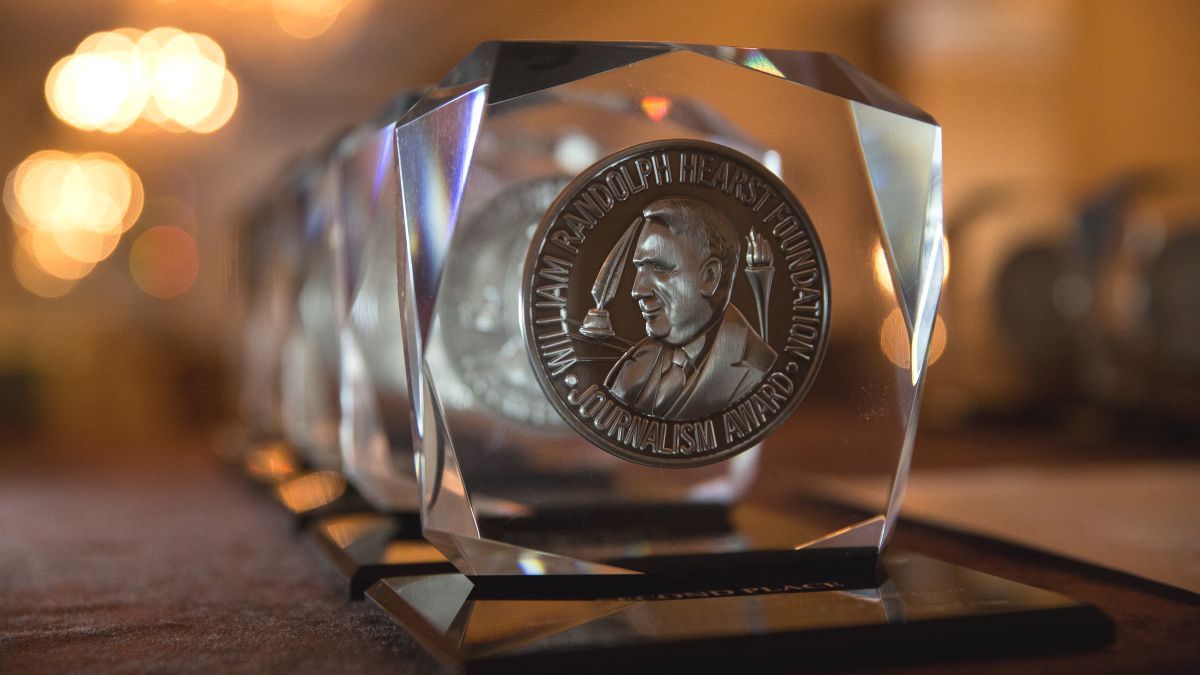
Hearst Award

Update June 12, 2025:

(Photo of Layli Nazarova
by Jakub Mosur.)

Congratulations to two journalism students for their outstanding accomplishments at the Hearst National Championships!

Layli Nazarova won first place and a $10,000 scholarship award in Hearst’s National Audio Championship. Madison Holcomb was named a finalist and won a $1,500 scholarship award for Hearst’s National Writing Championship.

Both Nazarova and Holcomb advanced to the Hearst Championships, the culmination of the 2024-25 Hearst Journalism Awards Program, held May 31-June 5 in San Francisco, California, to complete assignments under deadlines that were judged by media professionals.

Photo of Madison Holcomb by Jakub Mosur.
(Photo of Madison Holcomb by Jakub Mosur.)

Nazarova’s assignment was toย produce a two-minute story on the following topic: โ€œDemonstrate how one of President Trumpโ€™s executive orders is having an impact on life in the San Francisco Bay Area. Choose from one of the following subject areas: immigration, higher education, tariffs, the economy, DEI.โ€ Listen to her story.

Holcomb’s assignment was to write two articles: a news story from an interview with Executive Chair and Director of TPG Inc. Jim Coulter, and an article about how one of President Trumpโ€™s executive orders is affecting the Bay Area. Read her stories.

The Hearst Championships, often referred to as the โ€œPulitzers of College Journalism,โ€ included 29 student journalists from across the country. The finalists were selected from 1,260 entries submitted in 14 competitions held throughout the academic year.


Original story published May 20, 2025:

A six-student team won first place in the Multimedia Digital News/Enterprise Team category, and two students won individual awards including first place in Explanatory Reporting and fourth place in Audio News.

Journalism students Maggie Knutte, Nathan Gonzalez, Piper Pascarella, Nour Longi, and Faith Lee, and agricultural communications student Elena Cleary earned first place and a $3,000 scholarship for a documentary on period poverty titled “Tailoring Hope,โ€ which was one of 60 entries submitted from 35 schools in the multimedia competition.

Additional credit for the documentary goes to 2024 Illinois journalism alum Stephanie Wayda and Fourah Bay College students Amadu Lamrana Bah, Stella Fredricka Bangura, Ola Deen, Nuhu Jalloh, Alpha Janneh, Aminata Kamara, Kelfala Kargbo, Rose-Lyn Koroma, and Hanna Aba Yankson.

The project is the inaugural work of the Illinois Partnership for African Womenโ€™s Health Narratives, an interdisciplinary initiative that empowers early-career African and American journalism and media students to research, produce, and disseminate the true stories of grassroots innovations to womenโ€™s health challenges in Africaโ€”leveraging the humanizing power of first-person, character-driven storytelling to raise awareness and drive meaningful change.

“Tailoring Hope” focuses on Uman Tok, a nongovernmental organization based in Freetown, Sierra Leone, West Africa, which aims to alleviate period poverty and menstrual exclusion and educate girls and boys about sexual and reproductive health awareness. Read more about the making of the documentary.

Watch here:

Madison Holcomb, a senior in journalism, won first place in Explanatory Reporting and a $3,000 scholarship for her piece on livestock fatalities during transportation. The story was published in Investigate Midwest.

Read Holcomb’s story.

Layli Nazarova, a junior in journalism, won fourth place in Audio News and a $1,000 scholarship for her stories on campus accessibility and the designation of the Middle Eastern North African Census.

Listen to Nazarova’s stories.

The Hearst Journalism Awards Program was founded in 1960 to provide support, encouragement, and assistance to journalism education at the college and university level. 

Share on social
Alum Murray Kalis wins 2025 College of Media Distinguished Alumni Awardย 


For his outstanding career accomplishments and generous monetary support of advertising students, Murray Kalis (BS โ€™61) was recognized by the College of Media with the 2025 Distinguished Alumni Award. 

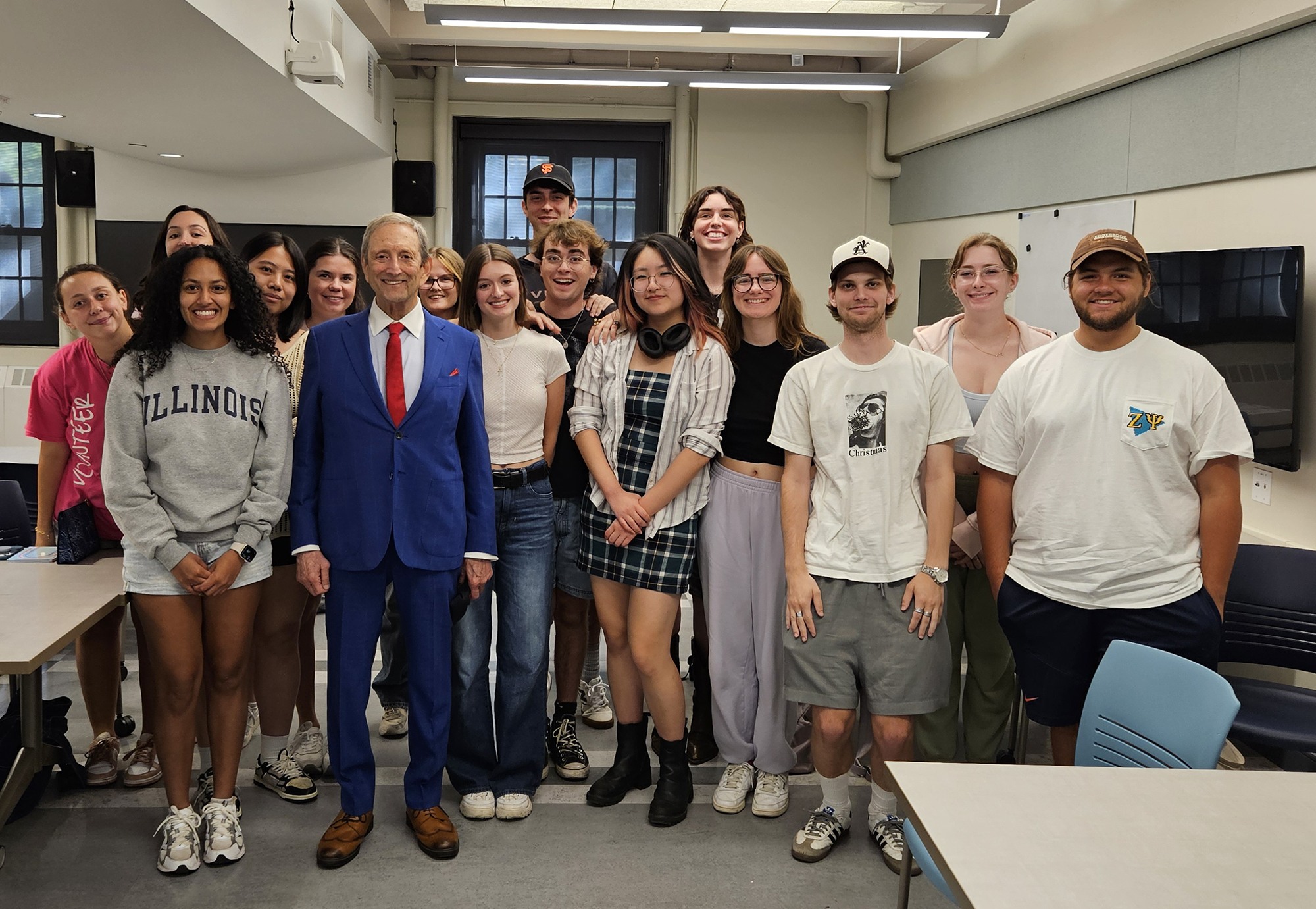
Murray Kalis with class
Murray Kalis with advertising students during one of his visits to the College of Media.

Kalis, whose work has taken him across the world and back, heading his own agency, and serving as chair of the largest global network of independent agencies, has experienced some remarkable moments throughout his 50 years (and counting) in advertising. 

Heโ€™s helped numerous companies build their brands, including United Airlines, Nestle, KFC, Wetzelโ€™s Pretzels, Hormel Foods, and Starbucks Coffee. Most recently, a former client brought him in as a strategic investor for Daveโ€™s Hot Chicken, where he is creating TV and social media advertising that has helped it grow to over 300 restaurants, and just begun international expansion.  
In 2020, he established the Murray Kalis Award for Creativity in Advertising to provide monetary gifts to advertising students judged for creative excellence. Students who demonstrate smart positioning, outstanding creative concepts, strong execution, and a โ€œwowโ€ factorโ€ฏreceive awards for Best Single Ad, Best Campaign, and Best Portfolio. 

โ€œThe response to the Award for Creativity in Advertising has been beyond what I anticipated,โ€ Kalis said. โ€œThe students are thrilled to express creative ideas. And the questions I get when I teach are insightful, mature, and often surprising.โ€

โ€œMurray Kalis has charted an exciting career in advertising and shares his wealth of experience, advice, and encouragement with our students,โ€ said Dean Tracy Sulkin. โ€œThe College of Media appreciates the time he devotes to our classesโ€”as well as his advocacy of creativity through the award that he establishedโ€”and we are proud to honor him with the 2025 Distinguished Alumni Award.โ€   

Murray Kalis early on his career
Murray Kalis early in his advertising career.

As a student at the University of Illinois, Kalis felt fortunate to be taught by the legendary โ€œFather of Advertising Educationโ€ Professor Charles H. Sandage. 

โ€œI can picture him to this day. He made an impression on me that still guides my work,โ€ Kalis said. โ€œHe discovered advertising could impart its own magic: That a great ad can do more than sell, it can add value to the product itself.โ€ 

Kalis said Sandage always approached advertising from a highly philosophical and intellectual way and encouraged critical thinking. โ€œHe used a kind of Socratic method [of teaching].โ€ 

If students gave an incorrect answer, Sandage had a way of guiding them to the right one. 

โ€œHe would start asking you questions, and he would lead you to understand, to try to defend your position, and suddenly you realize, โ€˜Oh, that doesn’t make any sense,โ€™โ€ Kalis said. 

After receiving his bachelorโ€™s degreeโ€”and thanks to the University of Illinois Reserve Officers’ Training Corps programโ€”Kalis was commissioned as a lieutenant in the United States Army where he put his civilian education in advertising to work in psychological operations.

โ€œI had two years of active duty basically running an ad agency,โ€ he said. โ€œWe found illustrators and writers among the draftees, and we would create leaflets to be dropped out of planes.โ€  

Following his military service, a masterโ€™s degree in fine arts, and a college teaching position in Iowa, Murray joined ad agency Leo Burnett in Chicago. 

There, he quickly rose up from junior copywriter to creative director in an era when the ad industry resembled the glossy, high-profile lifestyles portrayed in the television series Mad Men.  

Murray Kalis checking lens

As a member of the Academy of Television Arts and Sciences and Emmys judge, Kalis met Mad Men star Jon Hamm at a reception for the cast and producers.  

Kalis said they discussed the similarities of the TV show and his real-life experience in advertising, which included โ€œmaking those pitches, dealing with clients, and having to work your way through three-martini lunches.โ€ 

Kalisโ€™s creative career also introduced him to actor Tom Hanks. To prepare for a role as a Chicago advertising executive in the 1986 film Nothing in Common, Hanks followed Kalis around the office to get a feel for his daily routine.  

At this point in his career, Kalis says he is mainly working in social media, which is a lot different than when he first started in the business. Then, there were just three television channels that offered an opportunity to advertise. 

While media delivery options have changed over the years, Kalis said the purpose of advertisingโ€”finding solutions to consumer problemsโ€”has remained the same.  

โ€œThe media changes,โ€ he said, โ€œbut people donโ€™t. Itโ€™s Maslowโ€™s Hierarchy of Needs, just like when I was entering Greg Hall for the first time.โ€

After all these years, Kalis is still full of energy and enthusiasm for the advertising industry.

โ€œI love the biz. I love doing this stuff,โ€ Kalis said. โ€œI love looking at a product and figuring out how to match it with a consumer.โ€ 

Above: Murray Kalis was creative director for this Dave’s Hot Chicken ad.

Share on social
College of Media
119 Gregory Hall
810 S. Wright St.
Urbana, IL 61801
217-333-2350