Media students present at 2025 Undergraduate Research Symposium


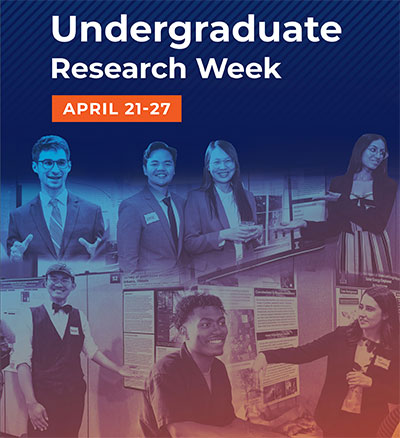
Undergraduate Research Week program cover 2025

Update May 29, 2025: Congratulations to the students who presented “Uman Tok: Tailoring Hope, Renewing Futures in Sierra Leone” for receiving an award for Outstanding Oral Presentation at the Undergraduate Research Symposium from the Office of Undergraduate Research! Some of these students previously won an award in 2024 for Outstanding Exhibit on this same research topic, which they continued work on in 2025.


Updated April 28, 2025

Students from all four majors in the College of Media participated in the annual University of Illinois Undergraduate Research Week, held April 20-26.

The Undergraduate Research Symposium, the signature event held on Thursday, April 24, at the Illini Union, features presentations, posters, and performances from students across campus. 

Below is a list of Media student presentations as well as acknowledgements of Media graduate students and faculty who have mentored students presenting at Undergraduate Research Week.

Oral Panel

Health Modalities

“Evaluating the Persuasiveness of LLM-based Chatbots in Health Communication”

  • Atharva Sindwani, Sophomore, Computer Science + Advertising

Research Mentor: Leona Yi-Fan Su, Advertising

Atharva Sindwani

Media & Culture

“Uman Tok: Tailoring Hope, Renewing Futures in Sierra Leone”

  • Nathan Gonzalez, Sophomore, Journalism, COM
  • Elena Cleary, Senior, Agricultural Communications, ACES
  • Nour Longi, Senior, Journalism, COM
  • Piper Pascarella, Junior, Journalism, COM
  • Faith Lee, Senior, Journalism, COM
  • Maggie Knutte, Senior, Journalism, COM

Research Mentors: Charles “‘Stretch” Ledford, Journalism, and Alison Davis, Journalism

Journalism students present on Uman Tok at Undergraduate Research Symposium

(From left to right: Elena Cleary, Maggie Knutte, Piper Pascarella, Faith Lee, Nour Longi. Not pictured: Nathan Gonzalez.) 

Social Change & Identity

“The Relations Between Cinematic Spaces and Cycles of Oppression in Kenji Mizoguchi’s Street of Shame”

  • Rory McFadden, Senior, Media & Cinema Studies

Research Mentor: Jenny Oyallon-Koloski, Media & Cinema Studies

Rory McFadden

Artificial Intelligence & Machine Learning II

“Navigating the Future: Investigating the Use of Artificial Intelligence in Students’ Writing”

  • Arianna Gandhi, Sophomore, Advertising

Research Mentor: Carolyn Wisniewski, Center for Writing Studies

Arianna Gandhi at Undergrad Research Symposium


Poster Presentations

Humanities, Culture, & Society

Graphic Witness in Media: “Three Billboards Outside Ebbing, Missouri” and Beyond

  • Francesca Dumitrescu, Senior, Media & Cinema Studies

Research Mentor: CL Cole, Media & Cinema Studies

Francesca Dumitrescu

Social Science and Human Behavior

“Terror Discourse: Social Media’s Response to Counter-Terrorism Events”

  • Mihir Sharma, Freshman, Global Studies, LAS
  • Nina Issel, Sophomore, Journalism, COM

Research Mentor: Do Young Gong, Political Science

Nina Issel

CS Student Ambassadors/Research Scholars (CS STARS)

Tuesday, April 22, 4-6 p.m., Illini Union Rooms A, B, C, and South Lounge

“Salesperson-Product Matching Recommender System”

  • Alexia Rendon, Junior, Computer Science + Advertising, COM

“Understanding High school Students’ Experiences in a Culturally Responsive Computing Program”

  • Skyla Jin, Freshman, Computer Science + Advertising, COM
Skyla Jen

“Virtual Reality Game for Interactive Motion Planning”

  • Grace He, Junior, Computer Science + Advertising, COM
  • Omosefe Edomwande, Freshman, Computer Science, ENG
Grace He


Undergraduate Research Apprenticeship Program

The Undergraduate Research Apprenticeship Program offers undergraduate students with little or no research experience the opportunity to work with graduate students and postdoctoral scholars on their research projects, explore the culture and process of research, and build on their existing abilities within a community of scholars.

  • Nina Issel, Sophomore, Journalism (COM)

Media Research Mentors

Alina Huang and Veranika Paltaratskaya

Doctoral student Veranika Paltaratskaya (above right), Institute of Communications Research, was the research mentor for Alina Huang, sophomore in communication and psychology (LAS), who presented “Understanding Consumer Interactions with Product Transparency Apps (PTAs) Using the Persuasion Knowledge Model” as part of the Social Science & Human Behavior poster presentations.

Ayushi Maskey and Alice Ji

Doctoral student Alice Ji (above right), Institute of Communications Research, was the research mentor for Ayushi Maskey, junior in statistics + computer science (LAS), who presented “The Effect of Message Fatigue on Attention to Mental Health Messages” as part of the Heath & Wellness poster presentations.

Pushti Vora

Kevin Wise, professor of advertising, was the research mentor for Pushti Vora, junior in brain and cognitive sciences (LAS) who presented “The Impact of Mindless Scrolling on Dopamine Regulation and its Parallels to Gambling Addiction” as part of the Social Science & Human Behavior poster presentations.
Advertising and ICR faculty, students present research at 2025 American Academy of Advertising Conference


Advertising faculty and graduate students in the MS advertising and ICR doctoral programs, as well as several alumni, participated in the 2025 annual conference of the American Academy of Advertising, held March 6-9 in Pittsburgh, Pennsylvania.

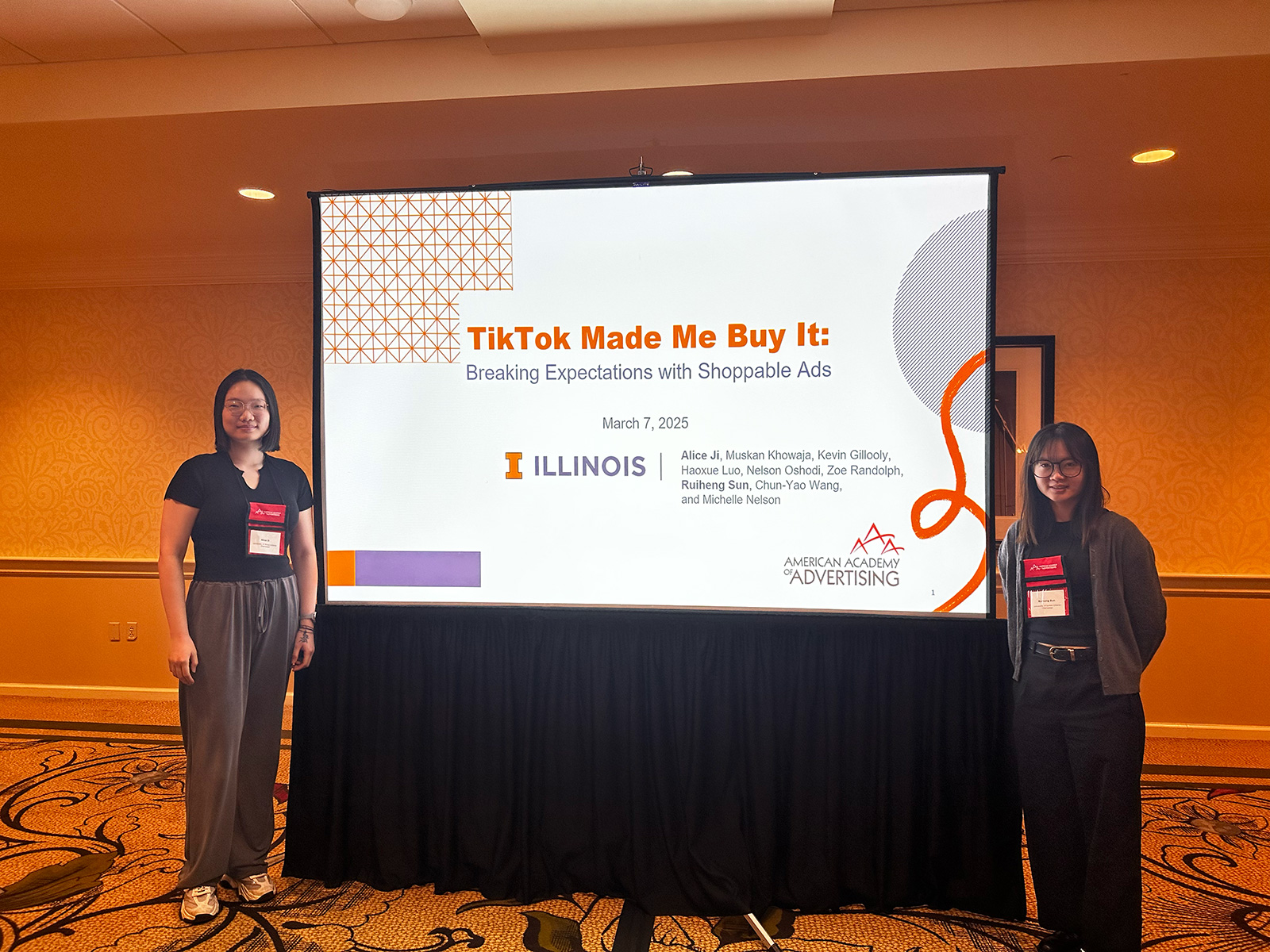
ADV and ICR students at 2025 AAA
ICR doctoral student Alice Ji and advertising graduate student Ruiheng (Rachel) Sun co-present “TikTok Made Me Buy It” at the 2025 AAA conference.

Faculty and graduate students participated in eight paper presentations and three panels, discussing research and ideas related to teaching AI and advertising, disability, ethics and data, and more.

As vice president of AAA, Chang-Dae Ham, professor of advertising and associate head of graduate studies, organized the research paper reviews and conference program and Kevin Wise, professor of advertising, served as chair of AAA’s graduate student committee.

The full list of Illinois papers and authors included:

“Finessing Realism: Harmonizing Behavioral Realism and Message Framing in Virtual Influencer Advertising – Mind Perception Theory Application”
Seo Jeong Heo, Se Il Park, Floria Yujin Lee

“Does Authenticity Matter? The Impact of Visual Realism and Humanlike Expressions on the Effectiveness of Virtual Influencers”
Jinping Wang (University of Florida), Assistant Professor Guolan Yang

“Navigating Consumer Acceptance of Cultured Meat: An Exploratory Narrative Review of Communication Strategies”
Ziyang Gong, Tianli Chen, Yan (Anna) Liu, Associate Professor Leona Yi-Fan Su, Jingen Xuan

“In Watermark We Trust? Exploring How Consumers Cope with AI Influencer Advertising: Multidimensional Persuasion Knowledge and Construal Level Approach”
Se Il Park, Floria Yujin Lee, Seo Jeong Heo

“TikTok Made Me Buy It: Breaking Expectations with Shoppable Ads”
Alice Ji, Muskan Khowaja, Kevin Gilloly, Haoxue Luo, Nelson Oshodi, Zoe Randolph, Ruiheng Sun, Chun-Yao Wang, Professor and Head Michelle Nelson

“Exploring How Consumer Evaluation of Social Justice Issues Influence Brand Activism Effectiveness”
Assistant Professor Louvins Pierre, Carolyn Lin (University of Connecticut)

“Understanding Consumer Engagement with Vertical Farming Brands on Twitter: An Approach Using Guided Latent Dirichlet Allocation for Topic Modeling”
Junqi Shao, Tianli Chen, Associate Professor Leona Yi-Fan Su

“When Virtual (vs. Human) Celebrity Voice Matters: Interplay between Celebrity Type and Endorsing Message – Construal Level Theory Application”
Floria Yujin Lee, Seo Jeong Heo, Se Il Park

Panels

Teaching Data Ethics in Advertising: Pedagogical Approaches That Meet Industry Demand
Natalie Brown Devlin (University of Texas at Austin), Associate Professor Ewa Maslowska, Daniela Molta (Syracuse University), Associate Professor Harsh Taneja

“Generative AI and the Future of Advertising Creativity: Bridging the Gap Between Academia and Industry”
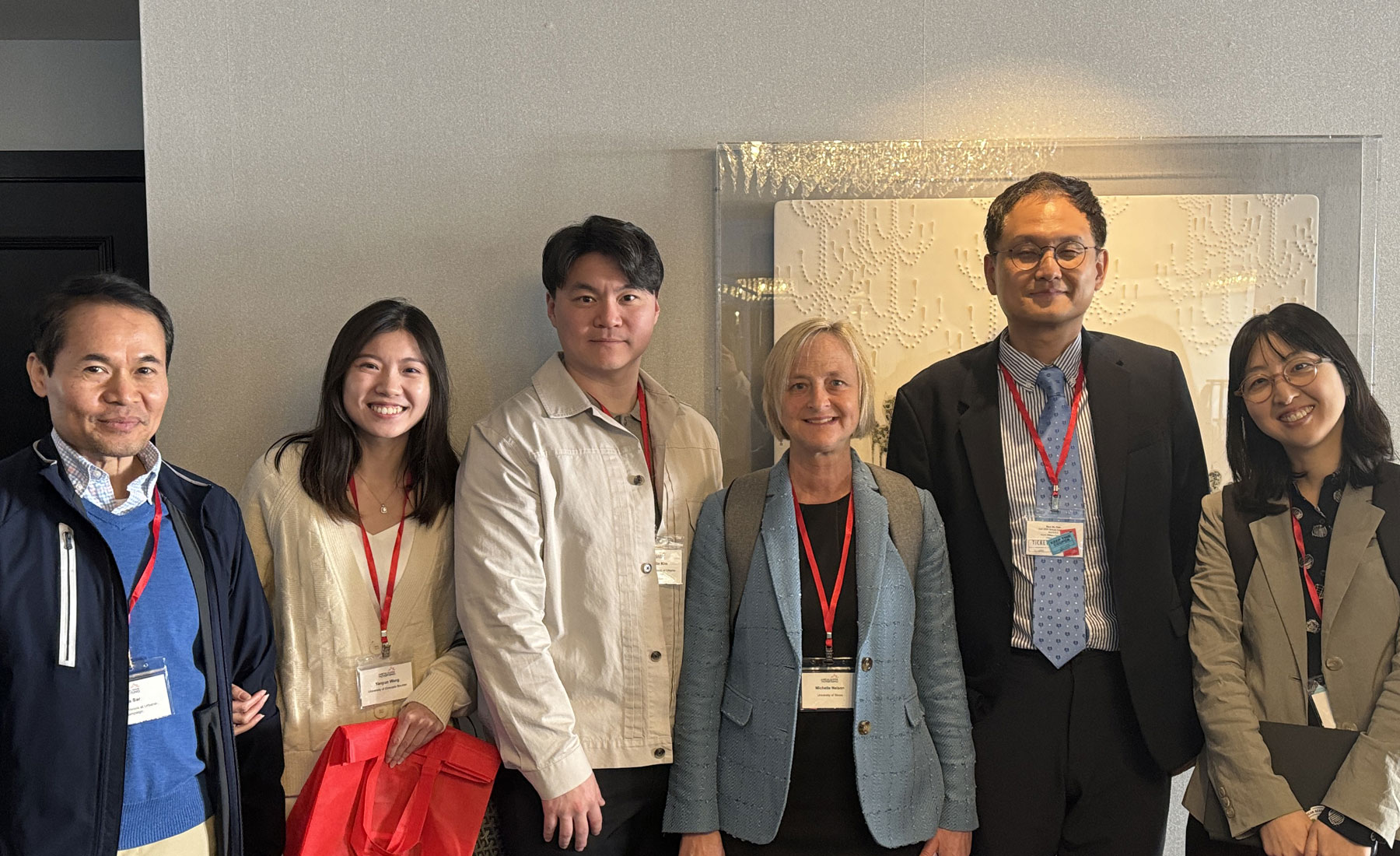
Weizi Liu (Texas Christian University), Yanyun (Mia) Wang (University of Boulder), Assistant Professor Louvins Pierre, Tripp Westbrook (Firehouse Agency), Linda Groendyke (Digital Insights Labs), Jon Irwin (Liquid Agency)

“Disability DEI in Advertising: Preparing Future Advertising Professionals to Embrace Disability Authentically in Their Work”
Cathy Chan Butler (American Association of Advertising Agencies), Josh Loebner (VML), Professor and Head Michelle Nelson, Edward Timke (Michigan State University), Beth Haller (Towson University), Erin Whiteside (University of Tennessee), Summer Shelton (Limelight Insights by Shugoll), Maria DeMoya (University of Tennessee), Eric Haley (University of Tennessee)

Share on social

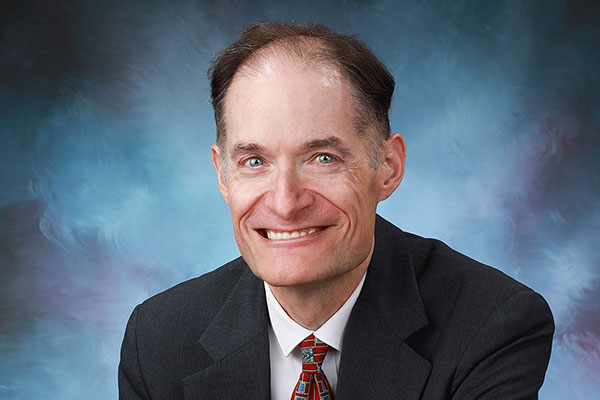
New book by Matthew Ehrlich explores the history of the phony cancer drug Krebiozen


In March 1951, Andrew Ivy—at the time, one of the most renowned scientists and medical ethicists in the U.S.—held a press conference in Chicago to announce Krebiozen, a recently discovered wonder drug that Ivy said could dramatically help cancer patients. The announcement created a frenzy among cancer patients, who deluged the University of Illinois’ Chicago campus, where Ivy was vice president in charge of the professional schools at the time, with telephone calls trying to obtain it.

Matthew Ehrlich

But within a few months, Krebiozen was denounced by the American Medical Association and, a few years later, Ivy, the drug’s creator Stevan Durovic and some of their supporters were prosecuted for fraud.

The dramatic Krebiozen saga culminated in Durovic fleeing the U.S., Ivy’s reputation in ruins and two of his U of I colleagues—President George Stoddard and Provost Coleman Griffith—ousted from their positions, in part because of their association with the scandal.

The Krebiozen Hoax: How a Mysterious Cancer Drug Shook Organized Medicine, a new book by Matthew C. Ehrlich, a professor emeritus of journalism at Illinois, examines the controversial drug’s dramatic rise and fall.

Although the sensational story of Krebiozen has since faded into obscurity, Ehrlich said that its lessons are relevant today, offering potent reminders about the dangers of medical misinformation, misplaced trust and the unquestioning adoption of unproven treatments. “The Krebiozen Hoax” is also a cautionary tale about the pitfalls of hubris and how the political climate can undermine public trust in established institutions and mainstream medicine.

According to the author, Krebiozen was “a quintessential example of medical quackery” that “foreshadowed today’s bitter debates over health misinformation, medical freedom and scientific and educational expertise.”

Krebiozen also marked a “key historical moment for the Food and Drug Administration,” which was then flexing new regulatory powers, and its stance on that drug triggered backlash from cancer patients and accusations of medical overreach when the agency reported the drug was worthless as a cancer treatment, refused to license it and blocked its interstate shipment. 

“It was a big episode, not just in the history of the U of I but also in the history of the whole state of Illinois, since the legislature and the governor got involved,” Ehrlich said. “And then, of course, it became a national deal with the involvement of the FDA and the National Cancer Institute. Illinois Senator Paul Douglas and even President Lyndon Johnson at one point got sucked into this whole thing.”

The story of Krebiozen is a poignant reminder that these travails are nothing new, but instead have ample historical precedent. It is also a reminder of the damage that can be inflicted when quackery and all the untruths that accompany it go unchecked for too long.

The book details how Durovic, an unknown doctor who had never published peer-reviewed research on the drug’s performance, duped a world-renowned clinician and scores of vulnerable patients who were desperate to find a cure for a frightening disease. 

Ever evasive about the medicine’s formula and origins, Durovic indicated that it was derived by stimulating horses’ immune systems and extracting their blood, a potential form of immunotherapy that piqued Ivy’s research interests in the body’s defenses against cancer and may have clouded his professional judgment.

The Krebiozen Hoax book

“Where I think Ivy went wrong is when he dug in his heels and refused to listen when first his close friends, then his scientific associates and prominent groups and organizations told him Krebiozen was worthless,” Ehrlich said. “He really seemed to have a natural stubbornness and a strong ambition to make a lasting contribution to science that may have gotten the best of him. And he never renounced Krebiozen, despite all the personal and professional travails that befell him.”

Ehrlich’s book examines how public excitement over the drug elevated Ivy’s Sisyphean pursuit of clinical trials and federal approval for the drug to a nationwide cause, attracting A-list supporters such as movie star Gloria Swanson and environmentalist Rachel Carson, a cancer patient who briefly and unsuccessfully treated herself with it.

The battle to obtain “fair trials” of Krebiozen that advocates believed would demonstrate its efficacy once and for all pitted them against federal regulators, mainstream medicine and the AMA. Ivy and Durovic accused the AMA of conspiring with powerful corporate interests to keep Krebiozen off the market after failing to seize control of it. 

When the FDA refused to license the drug, angry demonstrators besieged the White House, with cancer patients waving picket signs declaring, “I need Krebiozen to live!”

“Krebiozen is one episode in a long, sorry series of such episodes, and that’s one of the reasons I wanted to write about it,” Ehrlich said. “It just had colorful characters involved, including Ivy, Stoddard, and Douglas.”

Ivy was a distinguished physiologist and medical ethicist who testified as a representative of the AMA at the Nuremberg trials and was once dubbed “the conscience of U.S. science” by Time magazine. His friend Douglas was a firebrand Democrat legislator and decorated war hero who became one of Krebiozen’s biggest supporters and foremost legislative sponsors. 

“And, like Ivy, once Douglas committed to it, he dug in and would not be dissuaded from it,” Ehrlich said.

Were it not for Ivy’s star power, political connections, rapport with the press and federal agencies’ confusion over which of them was responsible for regulating it, the Krebiozen controversy likely would have fizzled more quickly, according to the author.

Dr. Andrew Ivy
Dr. Andrew Ivy

Ehrlich examines the historical conditions that existed when Krebiozen came to prominence and how they likely heightened the controversy surrounding the drug.

In Ehrlich’s exploration of Krebiozen’s tumultuous history, he notes that it was among nearly150 miracle cures for cancer that were touted at one time or another. The Krebiozen controversy copied the pattern of many such brouhahas that preceded it—and foreshadowed many of those that came after it, including controversial treatments for COVID-19 such as hydroxychloroquine, Ehrlich said. 

“People should be aware that these things happen from time to time,” Ehrlich said. “The story of Krebiozen is a poignant reminder that these travails are nothing new, but instead have ample historical precedent. It is also a reminder of the damage that can be inflicted when quackery and all the untruths that accompany it go unchecked for too long.”

The book was published by 3 Fields Books.


Editor’s note:    

To reach Matthew Ehrlich, call 217-333-1365 or email mehrlich@illinois.edu.

ISBN: 0252088115 

A press kit with photos of the author and the book’s cover is available from News Bureau.

View original press release.

Share on social

Media faculty, students present research at 2024 International Communication Association conference


Faculty, graduate students, and recent alumni from the College of Media co-presented 16 topics of research at the 74th annual International Communication Association Conference—the largest academic conference for communication scholars—on June 20-24, 2024, in Gold Coast, Queensland, Australia. The ICA aims to advance the scholarly study of human communication by encouraging and facilitating excellence in academic research worldwide. 

ICA Conference Cover

This year’s conference theme addressed “Communication and Global Human Rights.” Media presenters included faculty in the Institute of Communications Research, the Charles H. Sandage Department of Advertising, and the Department of Journalism; graduate students in the MS Advertising program; and doctoral students in the Institute of Communications Research PhD program. 

Media research presenters and presentations are listed below. (Note: Presenters/authors from other units or institutions are not included. Please see the ICA conference program for full author listings.)

Theme: Environmental Risk and Science Communication
“Satire and Perceived Trustworthiness in Communicating About Renewable Energy”

  • Leona Yi-Fan Su, Assistant Professor, Advertising and ICR
  • Jennifer Shiyue Zhang, ICR student

Theme: Crisis Communication
“Public Engagement in an Era of Misinformation: Examining Corporate Responsible and Ethical Communication on Twitter”

Yanbo Li, ICR student

Theme: Continuing Effects and Practice of Stereotypes in Intercultural Communication
“Effects of Chinese Female Images in Controversial Advertisements on Audience Attitudes and Purchase Intention”

  • Ruiheng (Rachel) Sun, MS Advertising student (pictured below)
Rachel Sun
Rachel Sun

Theme: Hello Chatbot! Can We Talk?
“How Conversational-Agent Modality Affects Charitable Behavioral Intentions: The Roles of Communication Style and Anthropomorphism”

Theme: Stigma, Infodemic, and Social Media
“Unmasking the COVID-19 Infodemic: An In-Depth Examination of Information Dissemination and Misinformation Propagation on Twitter During the COVID-19 Pandemic”

Theme: Information Systems and Health Communication
“Combating Optimistic Bias: Evaluating the Role of Self-Focused Augmented Reality in Enhancing E-Cigarette Risk Perception Among Users”

  • Lizi Ma, MS Advertising alum (December ’23)

Theme: Information Systems and Health Communication
“Understanding (Counter-) Persuasive Effects of Personalized Health Messages Through Psychological Reactance Theory: Privacy Intrusion as a Freedom Threat”

Theme: Journalistic Acts on Social Media
“The Journalists’ Exodus: Navigating the Transition From Twitter to Other Alternative Platforms”

Theme: Navigating New Visibility That’s Feline Perplexing: Examining Emerging Dynamics around Data and Disclosure
“A Picture Is Worth a Thousand Doubts: The Counterintuitive Impact of Chat Log Screenshots”

Theme: Information Systems and Persuasive Effects
“Recall or Perception? Social Media Engagement Metrics, Perceived Social Endorsement, and Perceptions of Message Credibility”

Theme: Global Communication: Marco and Micro Perspectives
“Relational Surveillance Through Alipay Within the Localized Chinese Context”

  • Ran Ju, ICR alum (PhD ’23)

Theme: Information Systems and AI
“Playing Hide and Seek With Algorithms: Investigating Digital Media Users’ Algorithm Refinement Behavior”

  • Ewa Maslowska, Associate Professor, Advertising and ICR
  • Jiwon Oh, ICR student
  • Jiyeon Chang, ICR student

Theme: Algorithms, Social Media and Online Engagement
“Analyzing the Political Leanings of YouTube Recommendations in Brazil: A Network-Based Approach Using YouTube Audience on Twitter”

Theme: Information Systems and Methodological Considerations, Science, and Climate
“Extending Message Framing to Virtual Space: An Experimental Study on the Impact of Self-Focused vs. Non-Self-Focused AR Embodiments on Vaping Risk Perceptions”

  • Mike Yao, Professor and Director of ICR, Advertising and ICR

Theme: Information Systems at Work
“Targeting Against Disinformation: The Effect of Microtargeted Corrections on the Impact of Fake News”

Melodie Zhao
Melodie Zhao

Theme: Information Systems in the Social Context
“Unraveling the Impact of User-Generated Content and Producer-Generated Content on K-Pop Fan Identity and Motivations”

  • Zixuan (Melodie) Zhao, ICR student (pictured at right)

Share on social

Jenny Oyallon-Koloski considers the power of movement in film in her first book: ‘Storytelling in Motion’


Three vertical mirrors hang on the wall in the office of Jenny Oyallon-Koloski, assistant professor of media and cinema studies, where she keeps an open area that allows her the space to move. 

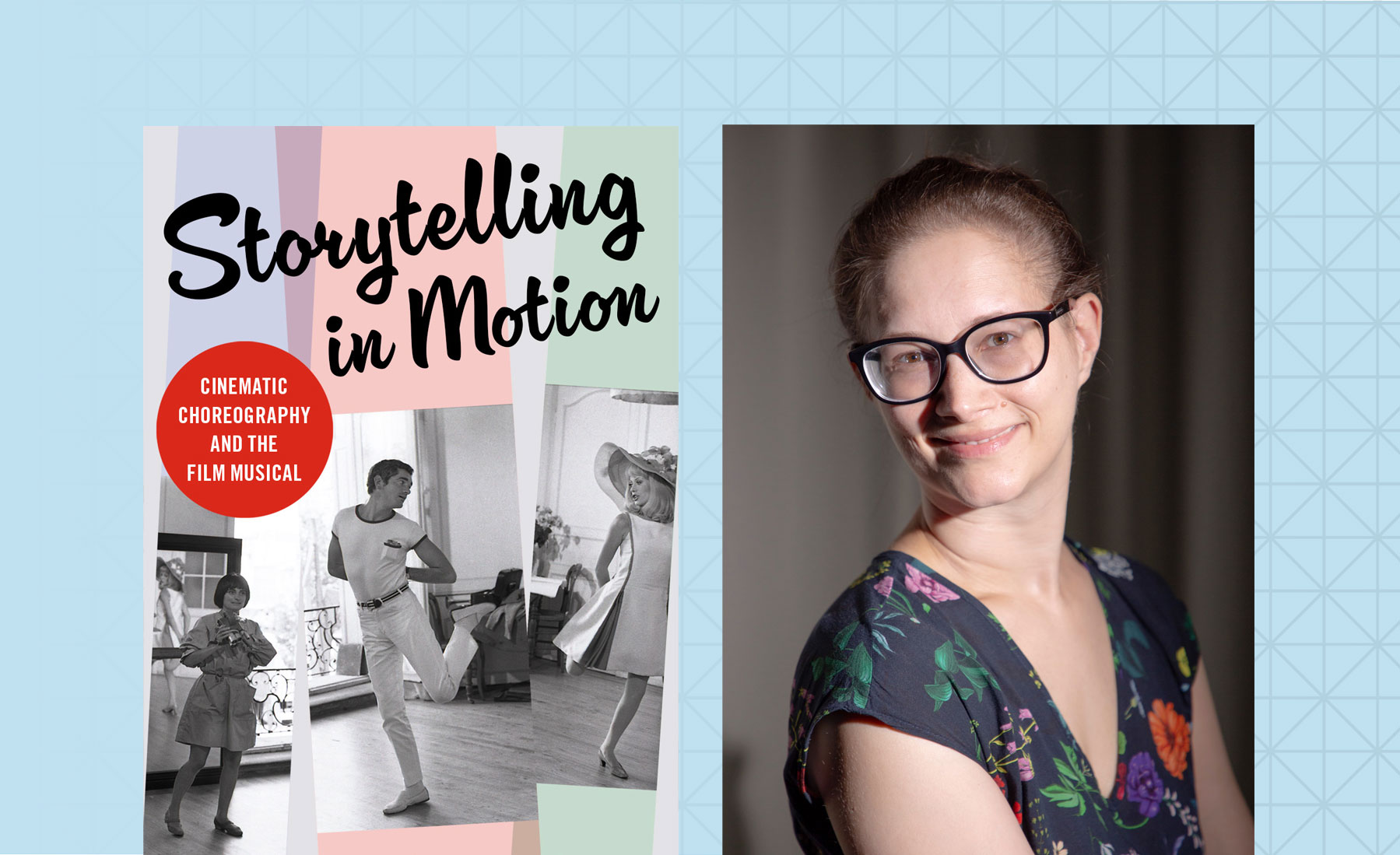
Jenny Oyallon-Koloski and new book

As a certified movement analyst and director of the movement visualization (mv) lab, she wants the space to serve as a research environment where she can use motion-capturing technology to study the manifestations of human movement in cinematic space.

Her extensive research on how figure movement and dance create meaning in musical cinema is the subject of her first book, Storytelling in Motion: Cinematic Choreography and the Film Musical (Oxford University Press), which will be available May 17. 

Oyallon-Koloski’s idea for the book came out of her dissertation project, which tied her interest in dance and movement into her core work in film and film history. 

While her dissertation focused mainly on French filmmaker Jacques Demy, using his films as case studies, her book discusses broader ideas of how people can understand the significance of dance in film. 

“That’s one of the core questions [in the book]—how do filmmakers use movement to tell stories, and specifically in the musical genre,” she said.

Her book also compares French and American film production histories and considers the impact of time, money, and rehearsal space available to filmmakers. 

“What I found was really interesting between French and American musicals is Hollywood had a symbiotic relationship with Broadway, and those industries or artistic sectors kind of grew together. So there was all this culture around dance and musicals, at least in the Hollywood system. But in France, those artistic sectors were really separate,” she said.

That’s one of the core questions [in the book]—how do filmmakers use movement to tell stories, and specifically in the musical genre?

Oyallon-Koloski discovered an interest in dance and movement in college. While doing her dissertation research, she became a certified movement analyst at the Laban/Bartenieff Institute of Movement Studies in New York, an educational and research center that trains people in the language of movement. 

Oyallon-Koloski movement lab

“I was taking dance classes, but I wasn’t getting a specific degree in dance and I really wanted to be able to have credibility with the dance community,” she said. 

Oyallon-Koloski spent two years studying the Laban system—a method and language describing, visualizing, interpreting, and documenting human movement invented by Rudolf von Laban in the 1920s—alongside a wide range of students with interests in dance, therapy, academic research, and more. 

Using never-before-published interviews with filmmakers and choreographers, she applies the principles from the Laban/Bartenieff Movement Studies to analyze the impact of figure movement in cinema. 

Oyallon-Koloski also created three video essays to accompany her written chapters: Seeing Movement in Cinema: An Introduction to Laban Movement Analysis; Endless Conversations: Reflexive Musical Clusters; and Diegetic Flutters: Views from the bridge, which was accepted to the international Marienbad Film Festival to be held in the Czech Republic this June. 

Movement visualizations
Visualizations of movement traceforms from the mv lab.

Making video essays is one of Oyallon-Koloski’s course specialties, as well as digital media production, contemporary movies, and cinema theory. 

Although she doesn’t consider videographic criticism a substitute for writing, Oyallon-Koloski does believe audiovisual context is a way to help generate interest in films, particularly those people have rarely seen.

Oyallon-Koloski, a dual American-French citizen who speaks fluent French and lived in France her senior year of high school, says her familiarity with the culture enabled her to write a book about dance in French cinema, which some might consider a fringe topic.

After completing Storytelling in Motion, Oyallon-Koloski says she realized she still has more to say on the subject of French cinema.

“I think my next project will probably be about [Jacques] Demy and his filmography. He made about 13 films, so [the book would be] less focused on dance and movement and more film history and style,” she said. “I like working with archival collections … and I like the interplay between French cinema and international cinema.” 

Share on social

Media students present at 2024 Undergraduate Research Symposium


Undergraduate Research Symposium

Update June 4, 2024: Congratulations to the students who presented “Exploring Period Poverty in Sierra Leone” (pictured below) for receiving an award for Outstanding Exhibit at the Undergraduate Research Symposium from the Office of Undergraduate Research! Learn more about their trip to Sierra Leone.


Students from the College of Media are participating in the annual University of Illinois Undergraduate Research Week, held April 21-27. The Undergraduate Research Symposium, the signature event held on April 24 at the Illini Union, features presentations, posters, and performances from students across campus. 

Media student presentations include:

Sierra Leone group presentation

On Exhibit: Robots & Medical Technology
“Exploring Period Poverty in Sierra Leone” 

  • Faith Lee, junior in journalism
  • Piper Pascarella, sophomore in journalism
  • Maggie Knutte, junior in journalism
  • Stephanie Wayda, senior in journalism
  • Nour Longi, junior, journalism
  • Elena Cleary, junior in agricultural communications (College of ACES)
  • Research Mentors: Alison Davis and Charles “Stretch” Ledford, Department of Journalism
     
Garima Sharma

CS Student Ambassadors/Research Scholars
Illinois Scholars Undergraduate Research Program Research Expo
“Comparing Human Generated Text with Machine Generated Text”
Garima Sharma, senior in CS + advertising
 

Marina Manuel

Poster Presentation: Social Science & Human Behavior 
“Mental Health and Wellbeing Outcomes among Gender and Sexuality Diverse Individuals Raised in Fundamentalist Religious Environments: Exploratory Analyses and Study Design”
Marina Manuel, senior in media and cinema studies
Research Mentor(s): Chris Fraley and Maggie Palmiero, Department of Psychology (College of LAS)

Pfeifer

Jenny Oyallon-Koloski, assistant professor of media and cinema studies, was the research mentor for Molly Pfeifer, senior in psychology (College of LAS) and cinema studies minor, who is presenting “Embracing Ambiguity in Low Concept Film Marketing” as part of the Humanities, Arts & Social Sciences poster presentations. 

View the Undergraduate Research Week program.

Advertising and ICR faculty and graduate students recognized at 2024 AAA conference


AAA group of faculty and students

Faculty and graduate students in the Charles H. Sandage Department of Advertising and Institute of Communications Research were honored with awards and presented research at the annual conference of the American Academy of Advertising, held March 14-17, 2024, in Portland, Oregon. 

Nelson AAA award

Professor Michelle Nelson, head of the Charles H. Sandage Department of Advertising, won AAA’s Career Award, the Ivan L. Preston Outstanding Contribution to Research on Advertising Award. As AAA’s top research award, this is designed to honor an individual who has made an outstanding contribution to the discipline of advertising through a systematic and sustained program of published research. The award carries a $1,000 prize. This award is given only to active AAA members for exemplary research on advertising across 20 years or more. 

Chang-Dae Ham, associate professor of advertising and associate head of graduate studies, was elected vice president of AAA and began his term on the executive committee.

Kevin Wise, professor of advertising, was appointed head of AAA’s graduate student committee. 

ICR student WooJin Kim (Advisor: Chang-Dae Ham) won a doctoral dissertation competition award for “When Humans Anthropomorphize Nonhumans: Examining the Role of AI Interactivity and Human Motivations.” Floria Yujin Lee, a graduate student in advertising, won a travel fellowship award. 

(Pictured at top: Professors Sela Sar at left, Michelle Nelson in center, and Chang-Dae Ham at right at the conference with graduate students.)

Presentations

Pre-Conference Panel Session: “How to Develop a Successful Journal Submission: Advice from Editors and Leading Experts” – with presentation “Best practices for experimental studies” by Sela Sar, professor of advertising

Special Session: “Stepping out of the Ivory Tower: Engaged Research & Teaching in Advertising” led by Professor Michelle Nelson

Research paper presentations: 

AAA students present
“Hey, You Put Ads in My Netflix: How Audiences Negotiate the Changing Streaming Video Landscape”
Floria Yujin Lee (MS Advertising), Masashi Fukada (MS Advertising), Paris Baptiste (MS Advertising), Xinle Du (MS Advertising); Professor Michelle Nelson 

“Exploring Motivation to Follow Virtual Influencers (VIs): The Role of Emotional Attachment as a Mechanism for Generating Positive Effects in VI-Endorsed Advertising”
Professor Chang-Dae Ham and Seo Jeong Heo (ICR) 

“When Lonely Hearts Meet Talkative Artificial Intelligence (AI) Chatbot: Exploring the Role of AI Interactivity in Sociality Motivation in the Context of AI-Powered Advertising”
WooJin Kim (ICR), Professor Chang-Dae Ham, Dongchan Lee (Northwestern University), Se Il Park (ICR), Seo Jeong Heo (ICR), Floria Yujin Lee (MS Advertising) 

Michelle and Regina with alpaca and llama

(Pictured above: Alumna Regina Ahn (MS ’14, advertising; PhD ’19, ICR) and Professor Michelle Nelson met a llama and alpaca during the AAA conference.)

See more photos from the conference.


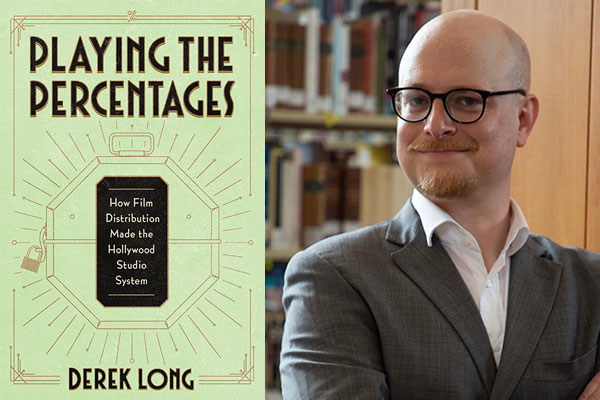
Derek Long takes on history of Hollywood film distribution in his first book, ‘Playing the Percentages’


Derek Long, assistant professor of media and cinema studies, sheds light on a rarely covered piece of Hollywood history in his first book, Playing the Percentages: How Film Distribution Made the Hollywood Studio System.

Derek Long publishes book

Praised as “invaluable to media industry scholars of the past and present,” the book is a comprehensive history of film distribution in the United States during the silent era that illustrates the importance of power struggles between distributors and exhibitors over booking, pricing, and playing time (i.e., how long it stays in theaters).

“When people think about Hollywood as an industry, maybe they think about the more glamorous aspects of it like stars, producers, or figures in Hollywood,” Long said. “But I was interested in how Hollywood came to be an industrial institution and the history of that, particularly in the silent era.”

Playing the Percentages, set for release on April 16, considers the economic history of the industry’s film distribution process from 1910 through 1930, including booking, circuiting, and packaging marketing practices.

While many Hollywood histories focus on linear narratives such as industry growth and improvements in technology, Long said there was a “hole in the scholarship” regarding the various ways films were distributed, sold, or marketed. 

“That was a story nobody had really told, at least in an American context, and so I wanted to fill that gap,” he said. 

Long didn’t begin writing Playing the Percentages until 2017, but the project developed out of his dissertation over a decade ago. 

Previous histories basically think about distribution as a mechanism or industrially organized system of shipping films out when there’s a lot more to it than that.

In addition to using digital libraries, Long conducted extensive archival research across the country, visiting the Margaret Herrick Library in California, which is the archives and repository of the Academy of Motion Picture Arts and Sciences; the Warner Brothers Archives at University of Southern California; the Library of Congress in Washington, D.C.; the New York Public Library; the Shubert Archives in New York; and the Harry Ransom Center at the University of Texas.

After months of research, Long said it became apparent that developing the system of film distribution was not a straight line and his book highlights those crucial changes in the system brought about by live theater, the rise of longer feature-length films, and the transition to sound. 

“Previous histories basically think about distribution as a mechanism or industrially organized system of shipping films out when there’s a lot more to it than that,” Long said. “Actually, the history of building that system is part and parcel of the history of Hollywood as an industry, and how it came to be so powerful, particularly in the 1930s and ’40s.” 

Long, whose course specialties include film history, media distribution, and digital tools and historiography, has incorporated his research discoveries into his lectures on classical Hollywood and how distribution works. 

In addition to teaching and writing, Long is also the creator and developer of Early Cinema History Online, a filmographic database of credits for over 35,000 early American films. The searchable archive, which serves as a reference tool for scholars, features credits for titles released in the United States from 1908 through 1920. 

He also organizes the annual MACS Student Showcase, screening student work that has been produced in MACS classes throughout the academic year. This year’s showcase will be held on Saturday, May 4, at the Spurlock Museum.

Long is already thinking about a sequel to his first book, which would look at film distribution relationships in the 1930s and ’40s, including how race was a factor.  

“I want to look at alternative systems of distribution, particularly for race cinemas, films specifically for African American audiences,” Long said. “That was essentially a completely segregated and different form of distribution.”

In the meantime, Long is enjoying the feeling of accomplishment after completing his first book.

“It’s very exciting to see your book in print for the first time,” Long said. “Especially when you’ve been working on it for so long.”

Long’s book, Playing the Percentages, will be available on April 16; use code UTXM25 for a discounted price.

Share on social

How will generative artificial intelligence affect political advertising in 2024?


Michelle Nelson
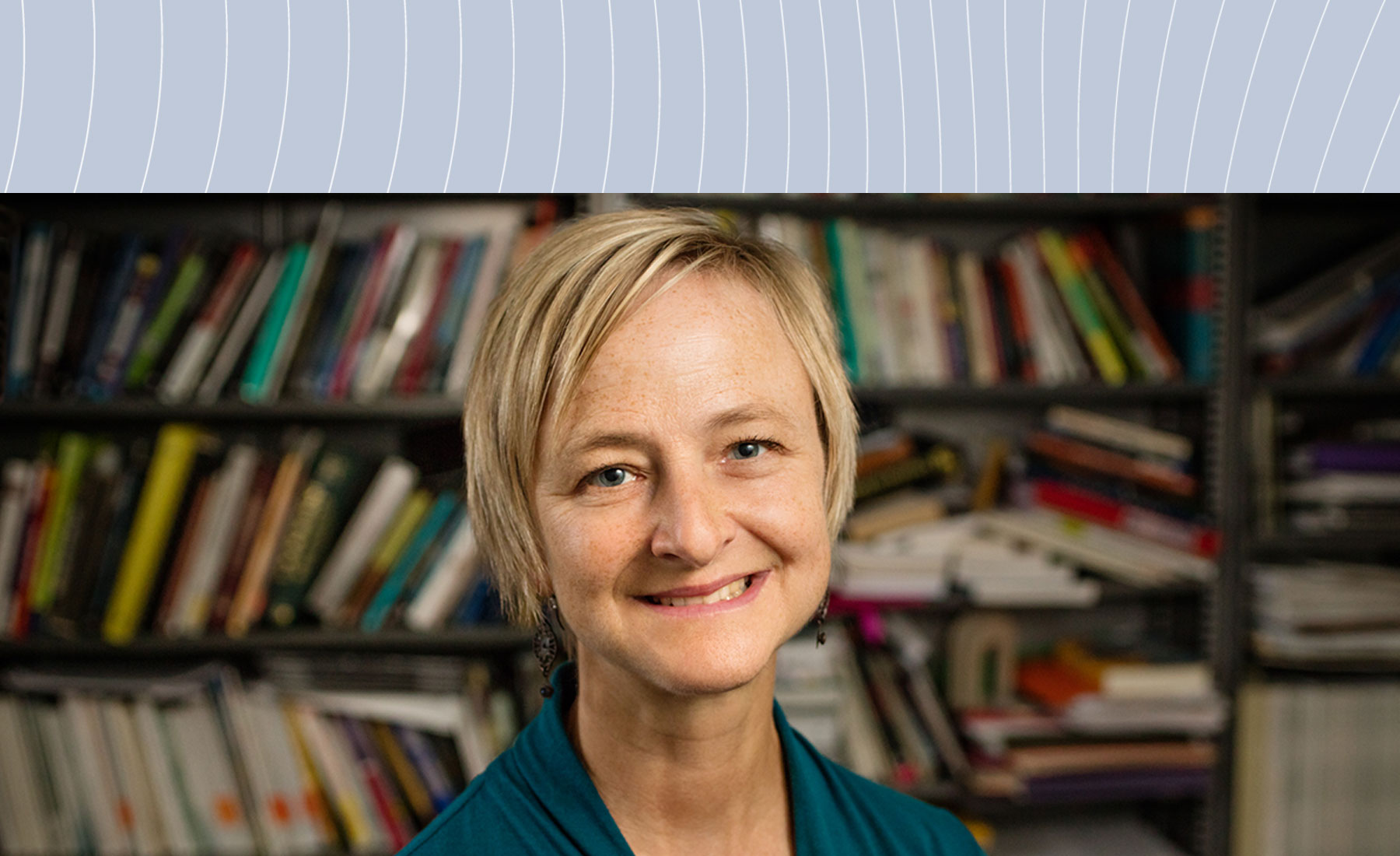
Michelle Nelson, professor and head of the Charles H. Sandage Department of Advertising, says voters should expect to see a lot more generative AI in political ads during the 2024 election cycle, warning that it might be difficult-to-impossible to tell what’s real and what’s fake. (Photo by L. Brian Stauffer.)

It’s estimated that $12 billion will be spent on political ads this election cycle—30% more than in 2020. The sheer volume of ads is remarkable, and there is vast potential to use this political information to contribute to democracy: to reach more potential voters and provide accurate information. There’s also more potential than ever for generative artificial intelligence to misrepresent candidates and policies, leading to confusion in the voting booth. News Bureau editor Lois Yoksoulian spoke with advertising professor and department head Michelle Nelson about the topic.

How is AI used in political ads, and what are some recent examples of AI-generated political ads?

After President Joe Biden announced his re-election bid, the Republican National Committee released an AI-generated political advertisement that depicted a dystopian world should Biden be re-elected. The video ad features a number of “what if” questions (e.g., What if crime worsens?) with AI-generated images. This is a classic fear appeal-negative attack ad. Emotional ads reach us, and we remember them—like the famous Daisy political ad used during the 1964 election cycle or the Willie Horton ad used in 1988. But they may also get some backlash for being too negative, too manipulative, especially because they are using AI.

Some say the Joe Biden RNC ad is the first AI-generated ad, but it’s hard to prove. However, in the top left corner of the ad, you see a disclosure in a small font: “Built entirely with AI imagery.” The video description on the GOP’s YouTube page says, “An AI-generated look into the country’s possible future if Joe Biden is re-elected in 2024.” So they are not hiding the use of AI. There’s also a spoof ad that ran on The Daily Show, which uses an AI-generated voiceover for Biden. It’s pretty easy these days to use AI tools to create content and make it look pretty real.

Are the entities behind these types of ads required to disclose that AI has been used?

The Federal Election Commission, the governmental body that regulates political communication, including advertising in the U.S., sought public comments on amending a regulation related to the use of deliberately deceptive AI in campaign ads at their meeting titled 2023: REG 2023-02 Artificial Intelligence in Campaign Ads. They have not yet made a ruling here. However, states such as California, Texas, Michigan, Washington, and Minnesota have enacted new state laws where any deepfake AI images, video, or audio need to be labeled in. A similar law is being discussed here in Illinois. It’s not clear how these state laws relate to the Constitution.

Some tech companies have started requiring disclosures. For example, Google indicated that all AI-generated political ads shown on YouTube or other Google platforms “that alter people or events” must have a prominent disclosure. There is also a verification process for political ads in some regions.

Microsoft has started their “Content Credentials as a Service” which is like a watermarking tool—it lets users digitally sign and authenticate the media—whether it’s an image or video through their Coalition for Content Provenance and Authenticity. The idea is that the watermark serves as metadata so users can see the history of the content. For example, “how, when, and by whom the content was created or edited,” whether by a person or AI. This information stays with the content so anyone can see the origin.

To what extent AI-generated political content is now being watermarked or disclosed I have no idea. It seems difficult to police all of these images at this moment in time.

What is the potential harm of using AI in political ads? 

The concerns for harm relate to possibilities for deepfakes and disinformation. Others can re-create something using AI voice or images without authorization to create stories and content that are absolutely untrue.

We’ve had tools and technology in the past, like Photoshop to manipulate existing images. Do you remember the 2004 ads featuring altered photos depicting John Kerry, the Democratic nominee for president, and Jane Fonda at an anti-Vietnam War rally? Ads are regularly embellished or altered: The colors or lighting are changed to make people look ominous or more youthful. But this is different. This is a whole new level. Anyone can make AI messages using free tools such as Open AI’s ChatGPT or Google’s Bard. This may be good when used responsibly, or it may be harmful.

Our research shows that many people don’t know that the First Amendment protects political advertising in the U.S. Political advertising is not held up to the same standards as commercial advertising, say for a cheeseburger. The Truth-in-Advertising laws by the Federal Trade Commission do not apply to political ads. That means political ads can legally be deceptive or lie. Of course, there are libel laws, but they are rarely used in this arena.

Beyond this regulatory difference in commercial and political advertising, the idea is that we want free-flowing political information to contribute to a dialogue that can enhance our democracy. Too much regulation can have a chilling effect on political speech. Yet the potential today with AI to lie and deceive and to deploy these messages in a personalized manner and at a grand scale offers a challenge perhaps to our thinking about regulation and political advertising.

Do you have any advice on how consumers can spot the use of generative AI in political ads?

They can’t. You can look for irregularities like the number of legs on the cat. But it is getting harder and harder to tell if AI makes an image or video. Whether it’s Taylor Swift, an image of Trump in jail, or a funny meme, we can’t always tell, especially as we scroll through our social media feeds. The best we can do is hope that the tech industry develops systems able to trace the origin of the content so we can see who made the image and when and how. If this tech is built in, it’s harder to fool people. We could also encourage disclosure mandates among tech companies.

But in the age of this kind of media and in an election year, we need to focus on the basics of media literacy—looking for reliable sources of information, watching the political debates and trying to form our own informed opinions.

Editor’s note: To reach Michelle Nelson, call 217-344-5068; email nelsonmr@illinois.edu

View original press release.

Angela Aguayo selected as 2024-25 Humanities Research Institute Faculty Fellow


Angela Aguayo

Angela Aguayo, associate professor of media and cinema studies and acting director of the Roger Ebert Center for Film Studies, has been selected as a 2024-25 Humanities Research Institute Faculty Fellow.

As an HRI Faculty Fellow, Aguayo will be provided with research funds and one semester of release time to work on a new book, titled Collective Matters: Documentary Film Practice and Public Engagement in the US, 1970-Present.

Her book will address the micro-practices of public engagement with documentary production that have led to sustained media culture. When the larger culture is deeply divided, the traditions and strategies of community-centered documentary storytelling build connections between people.

“There is a long tradition of communities representing themselves, acquiring equipment, pinning a sheet to a wall, and projecting images made by the community for the community,” Aguayo said. “These early films addressed social problems, local needs, and aspired to compel hearts rather than turn profits. This tradition had evolved over the years, shaped by technological innovation and years of connecting media-making with communities who need validation, visibility, and representation.”

Drawing upon research in media, communication, and cultural studies, and informed by interviews with media workers, filmmakers, and activists, the book will consider how community-centered documentary storytelling provides frameworks for larger civic-sector conversations.

“These are the types of media that start and sustain conversations in the world, beyond the screening room, about what could and should be done to activate the conditions for a more equitable and just world,” Aguayo added.

Aguayo will join six other faculty members and seven graduate students who will meet at the Humanities Research Institute throughout the year to address how they are rethinking research paradigms. She will take leave from teaching for the Fall 2024 semester.

The upcoming project will be Aguayo’s third book. Her first book was a reader on theories of public argumentation. Her second book, Documentary Resistance, addressed the possibilities for documentary and social change.

HRI grants fellowships to Illinois faculty and graduate students, who spend the year engaged in research and writing. All HRI Fellows participate in HRI activities, including the yearlong Fellows Seminar.

HRI’s 2024-25 theme, “Think Again…,” is an invitation to revisit well-known texts, to upend dominant narratives, to historicize what appears self-evident in the present, and/or to ask what happens when we juxtapose x with y in ways never been done before. “Think Again” underscores the opportunity to think across diverse interdisciplinary formations, and to identify when, how, and under what conditions new ones may be happening.

College of Media
119 Gregory Hall
810 S. Wright St.
Urbana, IL 61801
217-333-2350