Advertising students create real-life client campaigns through Sandage Project capstone course


Students in ADV 498: The Sandage Project developed campaigns for three community organizations in Fall 2025, including Lincoln250, H3 (Harm, Healing, and Hope), and EARS Effingham Animal Rescue Sanctuary.

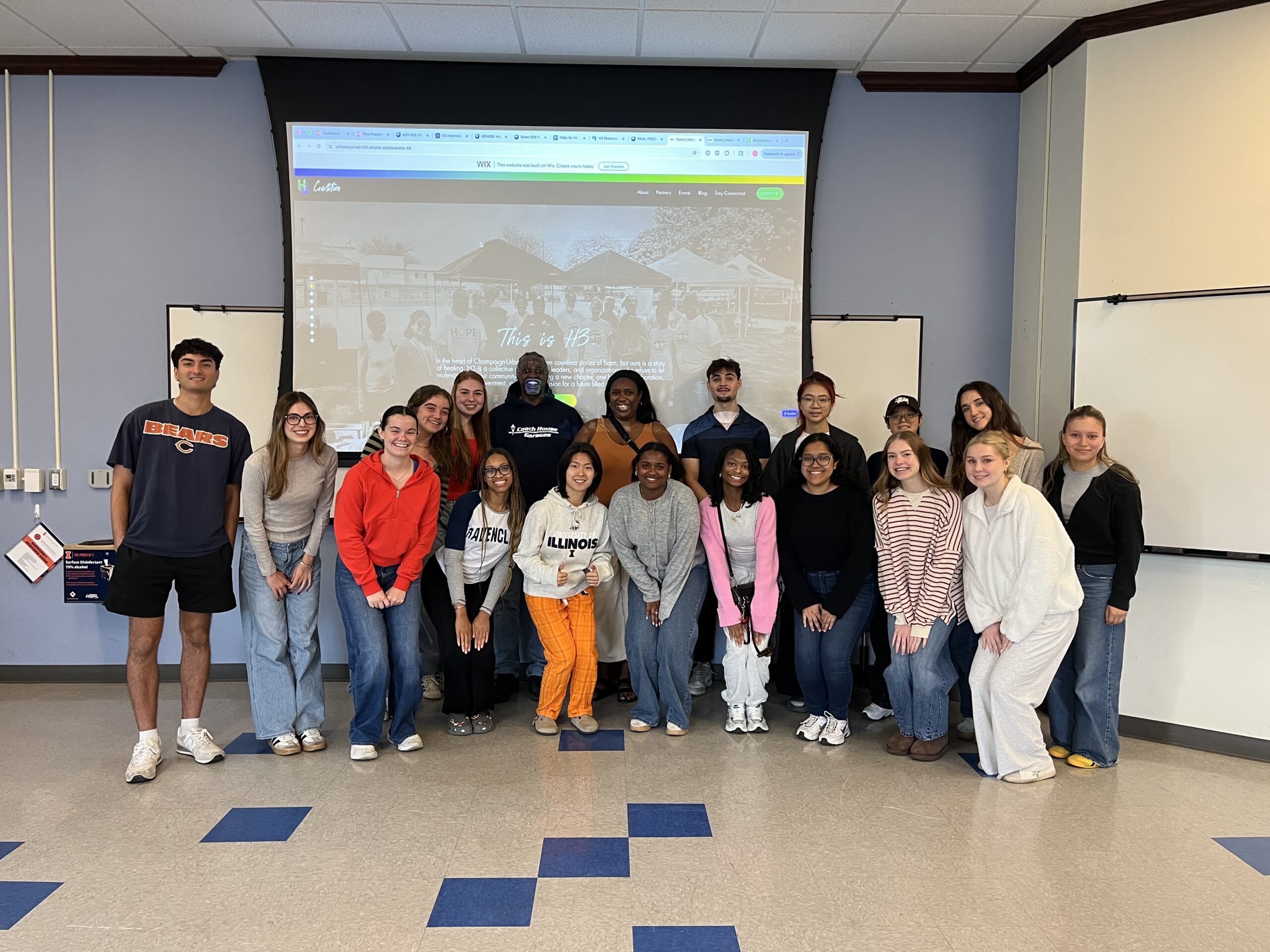
Advertising students pictured with their client, H3.

“The students put together impressive campaigns for each, and the clients were very happy,” said senior lecturer of advertising Marisa Peacock.

The eight-week service-learning capstone provides advertising majors an opportunity to develop ad campaigns for a nonprofit or local community partner. Clients may use any campaigns or assets produced.

Cooper Haynes, a senior in advertising, was part of the Lincoln250 team, which developed a full  digital platform, including a website and Instagram page, that organizes, interprets, and presents Lincoln-era history in a modern, accessible format.

“Working with my team and actually being divided into roles with goals and objectives that we set for each member was really nice for having a bit of insight into how team dynamics work at real agency and company jobs,” he said. “Navigating problems [with] people having different ideas of how to approach things was also a great experience for preparing for the industry as well.”

Throughout the course, students meet clients to understand the organization and campaign goals, then complete a discovery report analyzing the target audience, brand, and competitive landscape. These insights inform the campaign strategy.

Teams pitch three campaign concepts to the client and based on feedback, select one to develop further. Students refine the creative and media strategies and present a final campaign in the last week.

Three student teams collaborated to strengthen the visibility and impact of H3 (Harm, Healing, Hope), a coalition of organizations, businesses, and individuals in Champaign County dedicated to ending community violence. Together, these groups produced a cohesive set of recommendations to help H3 share its story, reach its audience, and transform its mission into a broader movement.

Jamaira Williams, a senior in advertising who worked on the H3 campaign, said she learned the true lesson of the Sandage course wasn’t about selling a product, but selling a feeling.

“Advertising is, at its core, the purest form of storytelling. Every brand color, every word chosen, is a mirror, because people crave to see themselves reflected in the world. We’re not crafting fiction, we’re guiding real brands and real livelihoods,” she said. “The moment you respect the reality of their brand, you transition from student to professional.”

Clients for the Sandage Project are selected based on their ability to support meaningful, real-world public engagement experiences for students. Ideal clients are community partners—on or off campus—who are open to authentic collaboration and willing to actively engage with students throughout the process. Their mission or campaign should benefit from storytelling that creates emotional connection, often through real community voices or narratives.

Natalie Circolone, a senior in advertising, worked as the creative director for the EARS Effingham Animal Rescue Sanctuary, positioning the rescue as a transparent, caring, foster-based organization that helps people “write the next chapter” in each animal’s life by adopting or fostering. The team also helped to increase awareness and engagement through social media storytelling and small, tangible touchpoints like stickers and goodie bags that keep EARS visible in the community.

“The Sandage Project gives seniors in advertising a real opportunity to work in an agency setting, with designated roles and a real client,” Circolone said. “Through this project, I gained hands-on experience planning and executing a creative campaign, applying skills I’ve developed over the past four years in advertising courses. The opportunity to create something meaningful for such a great cause was a rewarding experience.”

Share on social
Illinois announces first dual-credit initiative, bringing media and other courses to high school students


Understanding the role of popular television shows and movies in society—and in students’ own lives—is a central focus of a high-enrollment 100-level course in the College of Media at the University of Illinois Urbana-Champaign.

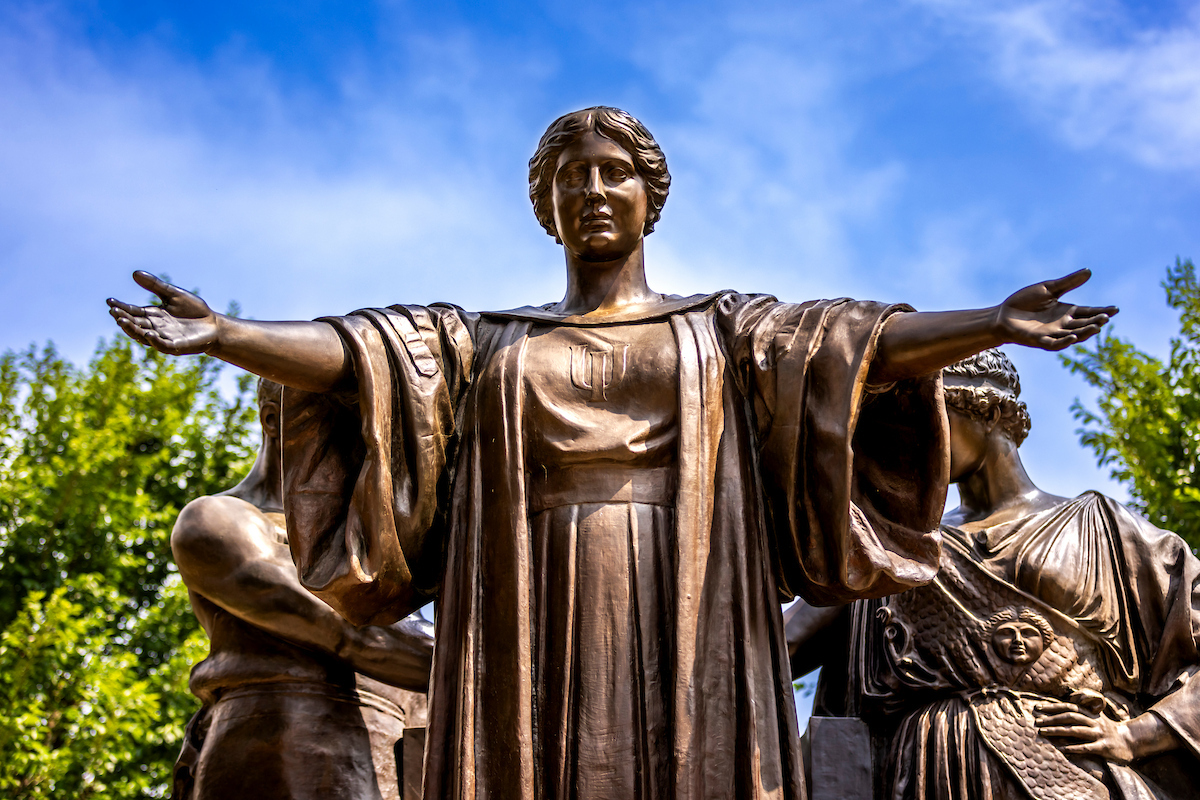
Alma Mater

Starting in the 2026-27 academic year, the media and cinema studies course “Introduction to Popular TV and Movies” will be one of four U of I courses also taught in the classrooms of select Illinois high schools as part of the new Dual Credit Learning Accelerator initiative.

The four courses are:

  • ASTR 150: Killer-Skies: Astro-Disaster
  • CS/STAT 107: Data Science Discovery
  • MACS 100: Introduction to Popular TV and Movies
  • SPED 117: The Culture of Disability

This pilot opportunity marks a new approach for the university in offering its popular general education courses directly to high school students across Illinois in the form of dual credit—at no cost to those students.

“The dual-credit initiative reflects our university’s commitment to expanding access and opportunity for students and families across Illinois,” said Provost John Coleman. “Through the Learning Accelerator’s innovative learning model, we’re bringing transformative educational experiences to high school classrooms and preparing students throughout the state for success in college and beyond.”

Led by the Office of Online Learning and the Office of Undergraduate Admissions, the Learning Accelerator was funded through the American Talent Initiative IDEAS grant to establish the university’s first dual-credit initiative.

The result is a dual-credit model that can scale up so that an academic unit at the U of I can offer any of its courses to a high school student.

The College of Media is proud to support this initiative, which strengthens the land-grant mission by expanding access to an Illinois education and promoting early student success.

“The dual-credit program offers us the opportunity to bring our exciting media curriculum to students who interact with the media but have a limited idea as to how it’s developed and created,” said Jason P. Chambers, associate dean for access and engagement and professor of advertising. “By providing students access to courses such as MACS 100, they’ll get a chance to consider a media major before arriving at the University of Illinois.”

Through the MACS 100 course, students will build media literacy skills while thinking critically about popular media. One goal of the course is to teach students how to see beyond narrative to address how the film form—such as cinematography, editing, sound, and special effects—generates meaning.

“The most important lesson, I believe, is that even ‘popular’ media, films, and TV shows produced for mass audiences have meaning and complexity,” said Jon Knipp, senior lecturer of media and cinema studies who teaches MACS 100. “These are cultural expressions that tell us a lot about the world and ourselves if we pay attention—and thinking about something deeply makes it more enjoyable.”

The four new dual-credit courses slated for the 2026-27 academic year were developed to showcase the breadth of educational topics offered at Illinois, with faculty partners who are passionate about reaching students from underrepresented populations and interested in presenting their courses in a setting outside of campus that might spark interest in their fields of study.

“We’re trying to offer both an advanced educational experience, but also something that students might not get in a regular high school class,” said Hilary Gross, the Learning Accelerator program coordinator. “The hope is that we might show high school students that college can be whatever you make it.”

For more details about this new program, see the University of Illinois News Bureau press release.

Share on social

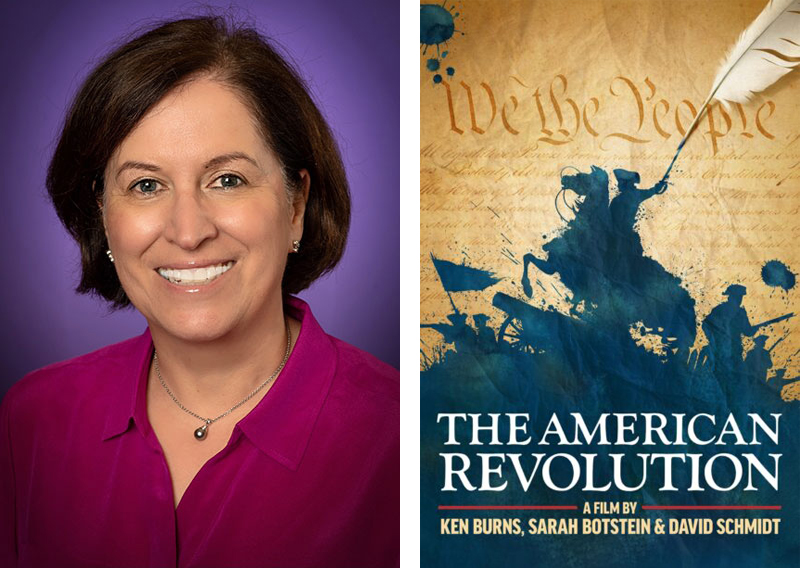
I on the Media: Melita Garza discusses journalism’s role in Ken Burns’s ‘The American Revolution’


Ken Burns’s new PBS series The American Revolution is more than a sweeping historical documentary—it illustrates the ways in which journalism helped ignite and sustain the fight for independence. Melita Garza, associate professor and Tom and June Netzel Sleeman Scholar in Business Journalism, and winner of Journalism History’s 2024 essay contest, shares her insights on journalism’s pivotal role in shaping America’s founding era.

Ken Burns's "The American Revolution" film promo

About the Media Expert

Melita M. Garza

Melita M. Garza, associate professor in the Department of Journalism and a faculty member of the Institute of Communications Research, is an American journalism historian who studies news as an agent of democracy, specializing in English- and Spanish-language news, the immigrant press, and coverage of underrepresented groups. She is the lead editor of The Routledge Companion to American Journalism History (2024). Her research has won awards from the American Journalism Historians Association, and the Association for Education in Journalism and Mass Communication divisions of: History, Minorities and Communication, and International Communication.


How does this series place journalism at the heart of the American Revolution?

The most obvious example is the documentary’s treatment of colonial reaction to the Stamp Act, showing that the two dozen weekly newspapers, along with pamphleteers, stoked support for colonial tax protests. Significant though this is, the imprint of journalism on the Revolution is much bigger than that.

Bostonians reading the Stamp Act in 1765
Bostonians reading the Stamp Act in 1765, public domain, via Wikimedia Commons

Consider that Burns starts his six-part history with a quote from Thomas Paine, America’s first political journalist. The documentary opens with a black screen that slowly transforms into the pink, purple, and yellow colors of dawn. The audience then hears a voice intoning:

From a small spark, kindled in America, a flame has arisen not to be extinguished. Without consuming, it winds its progress from nation to nation, and conquers by a silent operation. Man finds himself changed and discovers that the strength and powers of despotism consist wholly in the fear of resisting it, and that in order to be free, it is sufficient that he wills it.”

Although these words of agency come from Paine’s The Rights of Man, written in 1791 during the French Revolution, they capture the spirt of Paine’s earlier writings, such as Common Sense, which helped catalyze the colonists to pursue and persist in the American Revolution. Writing for Wired in 1995, Jon Katz explained why this pioneer of free expression should be remembered in the Internet age. “Because we owe Paine. He is our dead and silenced ancestor. He made us possible.” The documentary covers the eight years of the American Revolution, making it impossible to push too deeply into any single historical actor’s role with the depth they deserve. Ideally, however, the series will inspire viewers to take another look at Thomas Paine and other figures from our past whose impact isn’t fully understood today.

Join, or Die
Political cartoon (1754) attributed to Benjamin Franklin, public domain, via Wikimedia Commons

And there’s more. Still within the first two-and-a-half minutes of the documentary, viewers are introduced to Benjamin Franklin. Although described simply as a noted scientist and writer in The American Revolution, Franklin was a pivotal figure in the development of American journalism and is credited with publishing one of the earliest pieces of colonial visual journalism: the political cartoon. The documentary showcases the famous “Join, or Die” snake woodcut drawing, published in Franklin’s Pennsylvania Gazette on May 9, 1754. Originally designed to rouse the colonists to unite during the French and Indian War, the documentary notes that it was republished to urge colonial unity against the British during the American Revolution.

The documentary is replete with such examples of what I call “hidden” journalism, in which their groundbreaking significance to the journalism profession as a whole remains obscured.

Apart from serving as a sparkplug for rebellion, what are some other ways the documentary depicts the role of journalism in colonial life?

There are a few things, again, just in the first installment, that the documentary flicks at, which underscore the primacy of journalism and print culture more generally in the lives of the colonists. For instance, in a segment discussing the impact of British culture on colonial life, historian Jane Kamensky references the London Book Shop and the Crown Coffee House in Boston. Bookstores offered colonial citizens exposure to Enlightenment ideas, among other things, and served as centers of cultural exchange for the community. Book sellers were often also in the newspaper business. One such newspaper owner was Benjamin Franklin, who is also credited with being first to open a book shop in colonial America. Likewise, coffeehouses were central places for the exchange of news and newspapers. These are two more examples of the “hidden” journalism in the documentary.

Another aspect of journalism that might be easy to overlook in the documentary involves the episode of the Saturday, December 27, 1760, arrival of the British frigate that “brought with it big news”—the death of King George II and the ascendancy of King George III to the British throne. In early colonial America, it was often faster to get news from England by ship than it was to get news from southern colonies, considering the state of the roads at the time. Even so, having to wait two months to find out that you were being ruled by a new monarch illuminates the pace of colonial communication compared to that of today’s high speed Wi-Fi society.

What can The American Revolution teach us about telling historical stories in ways that connect with today’s audiences?

Ken Burns is well known as a gifted storyteller and the documentary’s striking visuals, sound effects and music, and well-edited commentary from experts, are staples of his work. In The American Revolution, letters and journals from young men, women, and officials and pundits on both sides are the stars. These primary sources allow individuals to speak as though they are reporting to us from the homefront and the battlefront, and that brings the Revolution right into our living rooms centuries after it ended. Simply employing solid storytelling techniques is only partly why the story resonates with today’s audiences. The other reason is that we can see parallels with our own experience. Some of these parallels are obvious. Others are a matter of perspective.

Thomas Paine
Thomas Paine (1792) by Laurent Dabos, public domain, via Wikimedia Commons

For instance, one scene shows colonists on the street reading newspapers together, with some looking like they are commenting to each other. Thinking critically about media and information, the colonists were practicing true social media. In person, face-to-face, they exchanged ideas in a way today’s often anonymous, digital exchanges can’t compare. And as the documentary also notes, word of mouth was also a prime source of news. While it is true that stories and ideas didn’t have a World Wide Web to buzz through, these mechanisms still allowed journalism, starting with Thomas Paine’s Common Sense, to go viral through the colonies. In fact, the documentary points out a prime reason for print culture’s popularity in the Thirteen Colonies: At the time, only Scandinavia was more literate than the American colonial population.

Other relatable issues that we still grapple with today, such as women’s rights, the limits of free speech, taxation, and immigration, to name a few, are also highlighted. Take immigration. In the documentary, historian Christopher Brown discusses “the sheer diversity…living in the heart of the Thirteen Colonies”:  Africans, Scots, Scots-Irish, Huguenots, Germans, and Native Americans, along with the English. The outcome of American Revolution, both the reel one and the real one, proves it was not culture, national origin, or language that brought the colonists success. In historian Christopher Brown’s words, the colonists cohered “around a set of purposes and ideals for one common cause.” In my view, the American Revolution shows how colonial journalism played a prime role in establishing coherence for that single cause: freedom.

Share on social

ICR faculty and students receive honors at 2025 National Communication Association convention


The Institute of Communications Research marked a highly productive year at the 2025 National Communication Association convention from November 19-23 in Denver, Colorado, with faculty members, students, and alumni presenting research, chairing panels, and contributing to programming at the 111th annual event.

In addition to this strong scholarly presence, several members of the ICR community were recognized with some of NCA’s most prestigious awards.

“These achievements underscore ICR’s enduring leadership in communication scholarship and its commitment to fostering impactful research across generations of scholars,” said Mike Yao, director of ICR and professor of digital media in the Charles H. Sandage Department of Advertising.

One of this year’s standout accomplishments came from ICR doctoral student Nansong Zhou (pictured above), whose paper “Serious Games as Digital Mental Health Tools: Increasing Depression Literacy and Reducing Stigma,” co-authored with Donghan Fu (University of Missouri-Columbia), was selected as a Top Student Paper in the Game Studies Division. Zhou was also elected to serve as the Division’s next Student and Early Career Representative, a leadership role that reflects his growing visibility and influence within the field. 

ICR Professor Sang-Hwa Oh and ICR alum Seo Yoon Lee receive NCA award.

ICR’s reputation for shaping the field was further affirmed by the recognition of Sang-Hwa Oh, associate professor of advertising, whose article—co-authored with former ICR doctoral student Seoyoon Lee (PhD ’23)—received the inaugural Teri Thompson Outstanding Article Award from Health Communication (pictured above). This rare honor is especially notable: Out of the journal’s 35-year publication history, only three papers were selected for this distinction. Receiving the award directly from the journal’s founding editor, Teresa Thompson, underscored the lasting influence and methodological rigor of Oh’s research on social media, public risk perception, and preventive health behaviors.

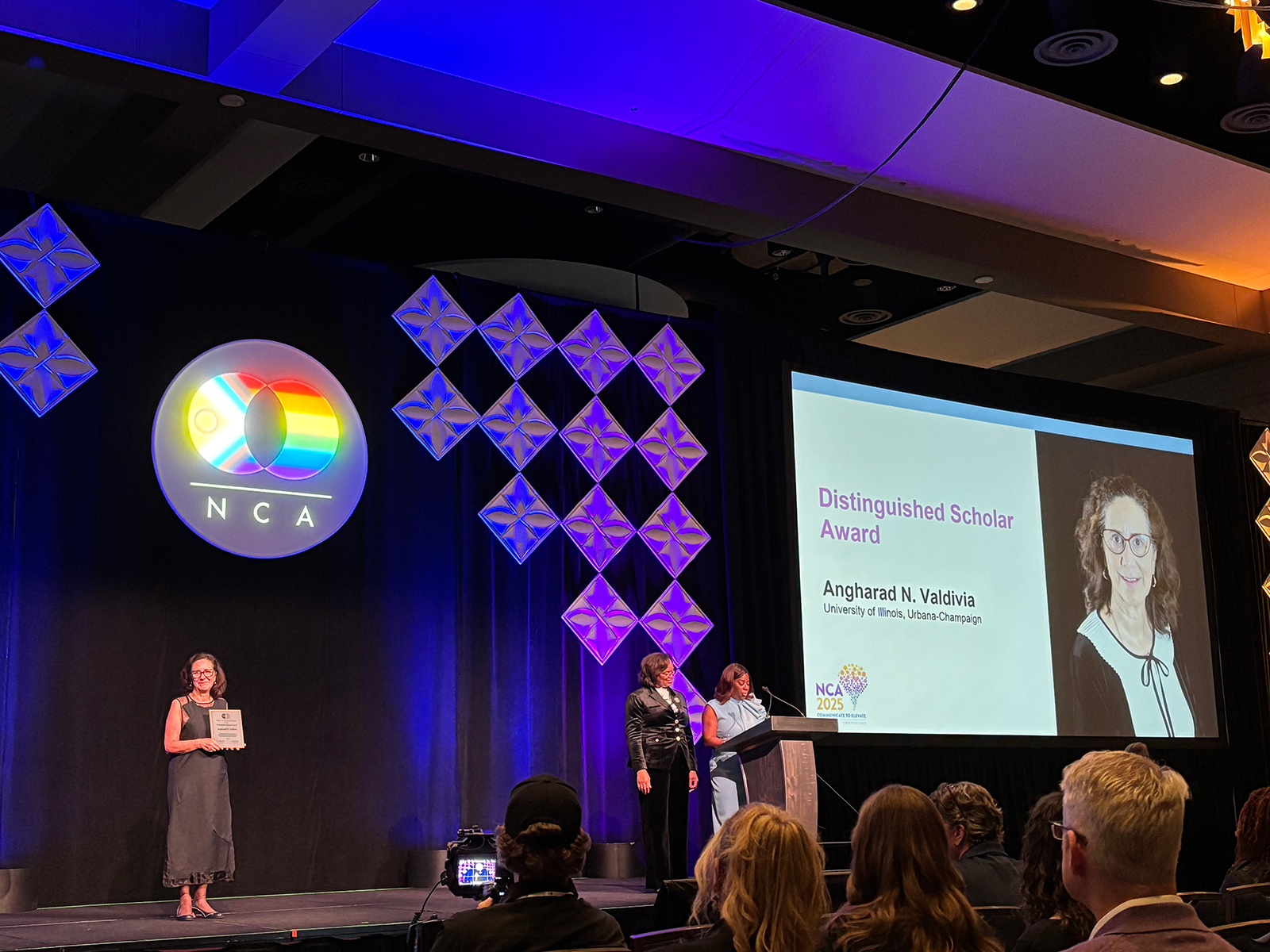
Professor Angharad N. Valdivia wins NCA Distinguished Scholar Award

The conference also celebrated the contributions of Angharad Valdivia, ICR professor emerita, who was honored with NCA’s Distinguished Scholar Award during the President’s Award Ceremony (pictured above). One of NCA’s highest honors, the award recognizes a career of groundbreaking scholarship and mentorship in media studies, Latina/Latino studies, and global communication. Valdivia’s presence throughout the conference—as panel chair, respondent, mentor, and presenter—reflected both her continuing intellectual leadership and her deep commitment to supporting emerging scholars. Valdivia’s NCA participation included:

  • Senior Mentor, 2025 La Raza Mentoring Panel
  • Member, Publications Council Meeting
  • Chair and respondent, “The Complexities of Elevating Latinidad and the Media”
  • Respondent, “Audiences Navigating Disney and Popular U.S. TV Shows”
  • Presenter (with ICR doctoral student Kendra Williams), “Barbie as a Cultural Phenomenon: Doll, Brand, and Media Icon”

ICR faculty and students also contributed important new research to the conference program. Kevin Wise, professor of advertising, and doctoral student Alice Ji collaborated on the study “Reimagining the Presentation of Important Safety Information (ISI) in Social Media Pharmaceutical Advertising,” co-authored with ICR doctoral student Veranika Paltaratskaya and Erin Willis (University of Colorado, Boulder), presented in the Health Communication Division. Their work adds to ICR’s growing presence in research addressing digital health communication and public understanding of risk information.

Ji contributed an additional presentation on ISI in pharmaceutical social media advertising as part of the Health Communication Division’s paper session. ICR doctoral student Jennifer Zhang presented her dissertation research, “More Vivid, More Deeply Processed: Exploring the Roles of Message Format in Misinformation and Correction of Health Misbeliefs,” in the Health Communication Division.

Two ICR alumni were also recognized with major awards at NCA:

Mel Stanfill (PhD ’15), University of Central Florida, won the Diamond Anniversary Book Award for the book Fandom Is Ugly: Networked Harassment in Participatory Culture (NYU Press, 2024).

ICR alum Mel Stanfill

Diana Leon-Boys (PhD ’20), University of Wisconsin-Madison, won NCA’s New Investigator Award in the Critical and Cultural Studies Division.

See NCA’s full list of 2025 national and interest group award winners.

Share on social

Senior lecturer Carrie Wilson-Brown receives Larine Y. Cowan Make a Difference Award


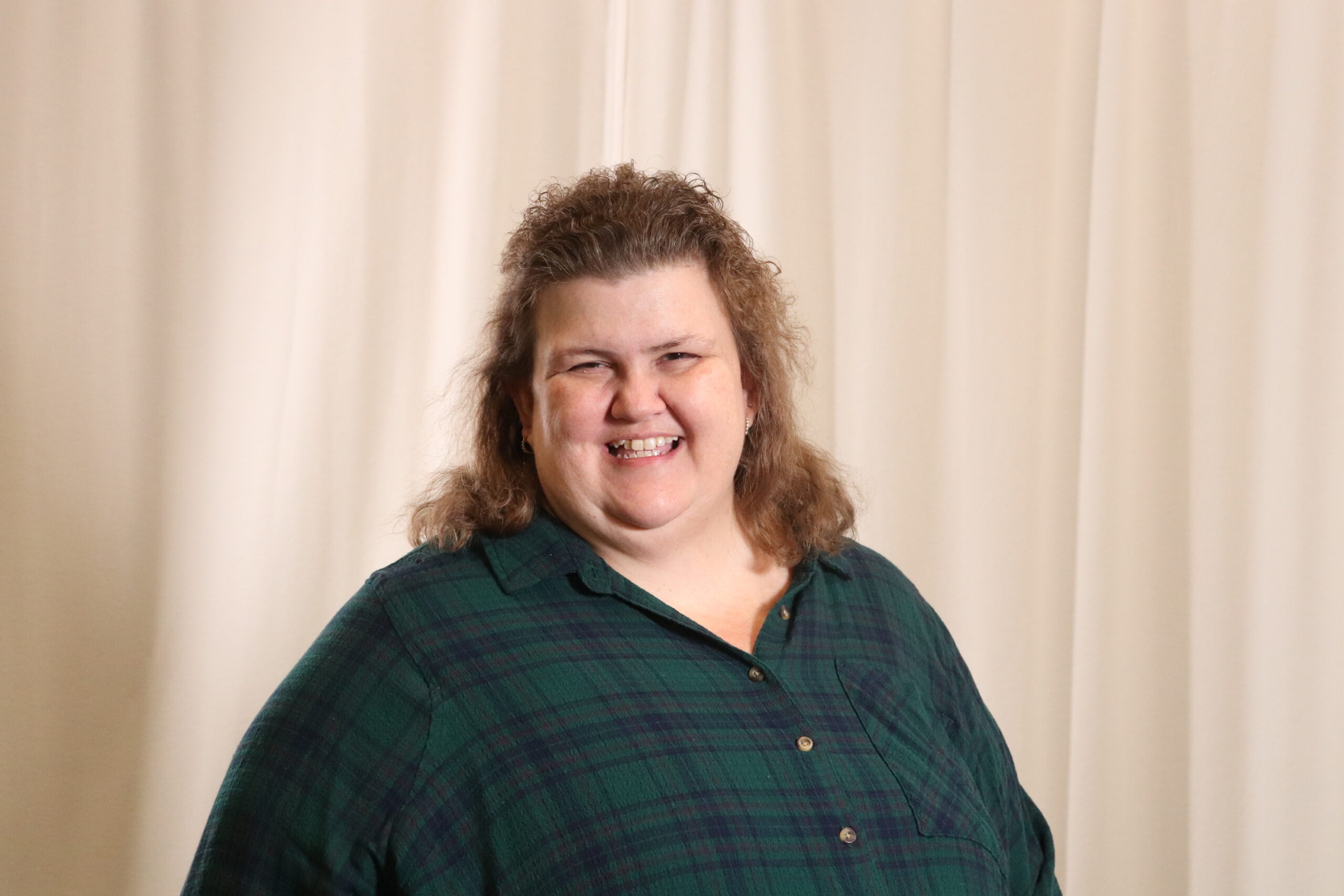
Carrie Wilson-Brown wins award

Carrie Wilson-Brown, senior lecturer of media and cinema studies and advertising, received the 2025 Larine Y. Cowan Make a Difference Award for Teaching and Mentoring in Diversity from the Office of the Vice Chancellor for Access, Civil Rights & Community.

The Teaching and Mentoring in Diversity award honors faculty, instructors, or lecturers who have consistently contributed to the promotion of understanding critical issues related to diversity and equity in teaching and/or the mentoring of diverse students.

Wilson-Brown was nominated in part by students, including Odi Ogbuefi, a senior in advertising, pictured at right.

The Larine Y. Cowan Make a Difference Awards celebrate the achievements of faculty, academic professionals, and civic service employees who made significant contributions in creating and sustaining an inclusive living, learning, and working community at Illinois.

Named in honor of the past Assistant Chancellor and Director of what is now the Office for Access & Equity, the Larine Y. Cowan Awards were created to reflect the commitment to human rights advocacy, social justice, and diversity that defined her leadership for nearly 20 years at Illinois.

Share on social

In the Spotlight: Ann Abdelzaher


Learn more about the people who help make our college such a great place to work—what they do, what inspires them, and a few things you might not know—in this Q&A series featuring staff members from across the College of Media and Illinois Public Media.

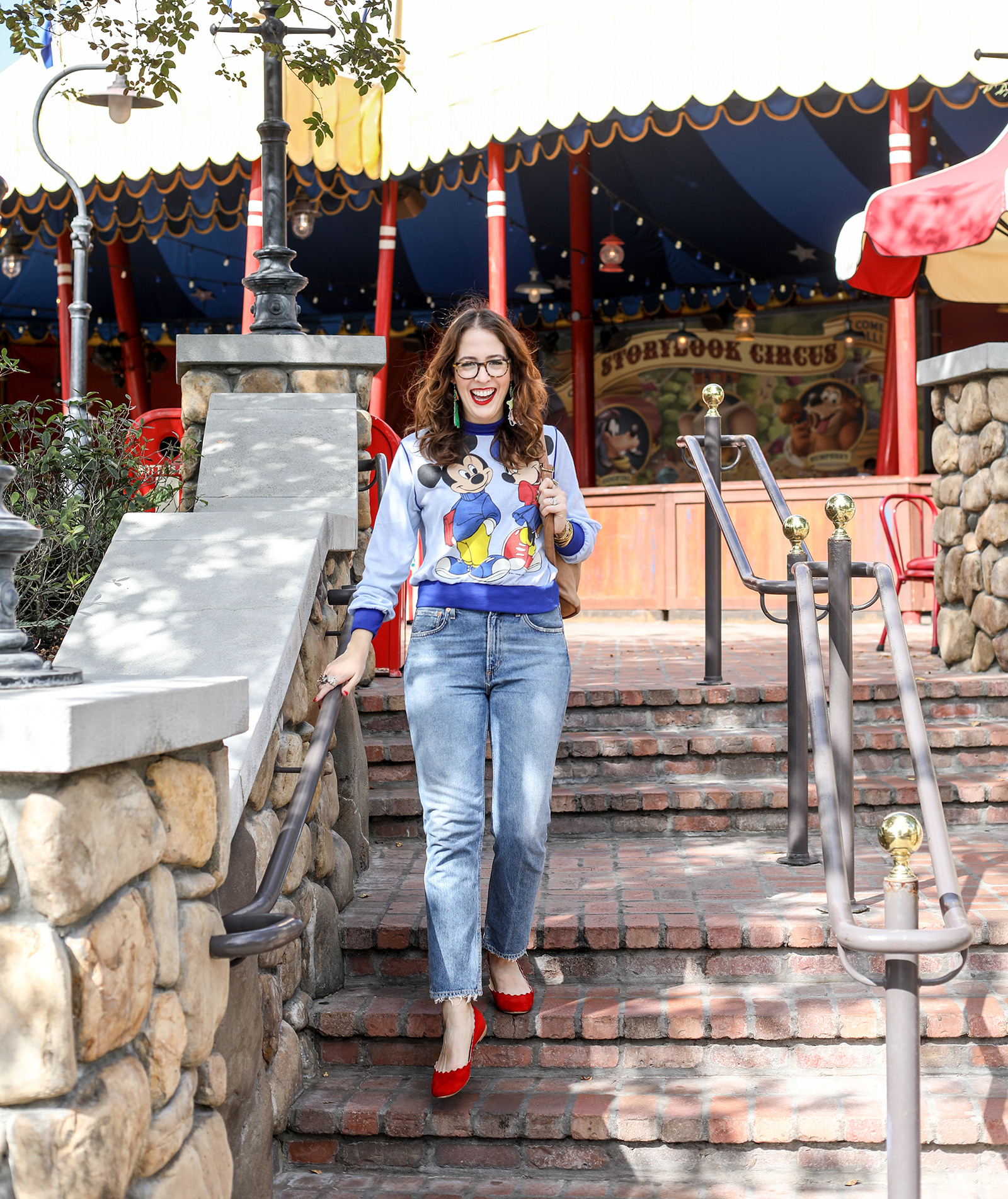
Ann Abdelzaher

Ann Abdelzaher        
eLearning Specialist
Media Tech

How long have you worked at the College of Media?

Four-and-a-half years.

What led you to your current career or position?

I started in special education and gradually switched gears to educational technology where I became focused on eLearning, first as a developer.

Can you tell us a little about what you do in your current role?

I help faculty members develop online courses that are both engaging and accessible and in keeping with current best practices. I also advise faculty on the current technologies and tools available to them.

What’s one fun fact about you that your coworkers might not know?

I have an extensive collection of Disney’s Goofy, and I love to crochet.

What’s your favorite place (restaurant, coffee shop, park, etc.) in Champaign-Urbana?

Kohinoor Indian restaurant! Their food is the best.

What are you currently watching, listening to, or reading?

I always have at least two books going at once as well as an audio book. But I am currently reading Unbound by Michael Miller.

Do you have any pets?

Yes, a Siamese cat named Ash (AKA Ashifur).

Share on social

Department of Media & Cinema Studies partners with Flyover Film Studios to launch new internship


Beginning in Fall 2025, the Department of Media & Cinema Studies created a new internship for students at Flyover Film Studios in Rantoul. Francisco Albarran, a senior in media and cinema studies, was the first student selected for the program.

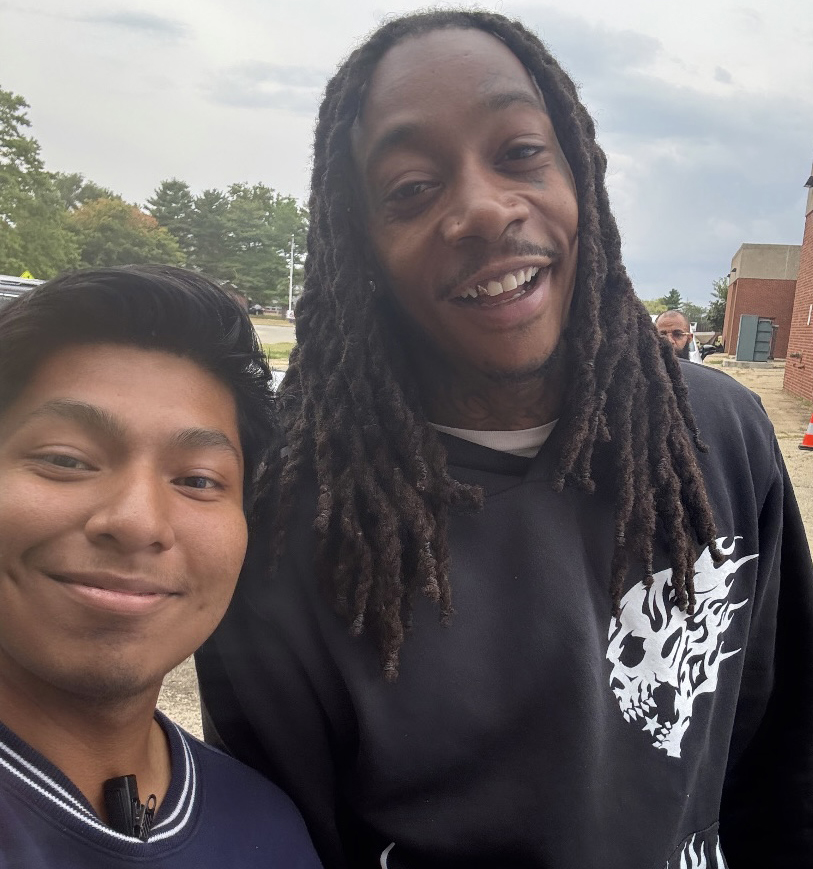
Wiz Khalifa
Francisco Albarran, a senior in media and cinema studies, met rapper Wiz Khalifa while working as an intern on the set of the upcoming crime drama Moses the Black.

Albarran was able to work on the production of a new drama Moses the Black, starring Omar Epps and rappers Wiz Khalifa and Quavo. Curtis “50 Cent” Jackson is an executive producer of the film, which is set to premiere in January 2026.

The semester-long internship, which grew out of conversations with Victor Font, senior lecturer of media and cinema studies, and Flyover Film Studios, offers students hands-on experience in a growing local film industry.

“Learning about Flyover’s [film] projects made me realize what a remarkable hands-on experience this could be for our MACS students,” Font said. “It took time and coordination to make it happen, and it’s incredibly rewarding to see this partnership become a reality.”

Film production in the region is expanding, thanks to new state tax incentives that are drawing more companies to shoot locally, said Derek Long, associate professor of media and cinema studies. For students, this surge translates into increased opportunities for on-set learning in a field where practical experience is essential.

“As MACS expands its media production-oriented curriculum, we are always seeking professionalization opportunities for our students, as media production is very much a learn-by-doing industry,” Long said.

The internship is designed for advanced production students willing to learn the different facets of the media production industry—from directing and cinematography to support and infrastructure roles.

I think the real benefit of this internship lies in opening students’ eyes to the wide variety of different types of labor that go into a professional media production in the 21st century, including those that aren’t necessarily ‘on set.’

“Our hope is that they get a broad sampling of the types of media industry work they might do after they finish their degree. In that sense, we want that broader experience to augment both the on-set focus of our classroom production curriculum and the critical thinking skills of our studies courses,” Long added.

Interns work both at Flyover Studios, which hosts sets, costumes, production offices, and other resources, and with visiting production companies shooting in Illinois.

“I think the real benefit of this internship lies in opening students’ eyes to the wide variety of different types of labor that go into a professional media production in the 21st century, including those that aren’t necessarily ‘on set,’” Long said.

Through his internship, Albarran was able to participate in many aspects of film production. He helped build bedroom and jail sets; shaped scenes filmed at Willard Airport in Savoy; and transported crew members.

Being involved in day-to-day operations also allowed Albarran to meet and interact with cast and crew, pictured below from left to right, the film’s director Yelena Popovic and actors Vonzell D. Scott (Fight Night: The Million Dollar Heist) and Corey Hendrix (The Bear).

Albarran said he was nervous at times about his role on the set, but encouragement from everyone around him helped boost his confidence.

“I was anxious, but everyone was telling me to relax, just enjoy the moment—that I deserved to be there just as much as anyone else,” he said. “I have all these people who just believe in me, and there’s no greater feeling than that.”

Share on social

Independent journalist Chris Cillizza to visit the University of Illinois for a conversation on political reporting


Chris Cillizza, an independent news creator on Substack and YouTube, will be on the University of Illinois Urbana-Champaign campus for a conversation about reporting on politics and independent journalism on Tuesday, Dec. 2, from 5-6 p.m.

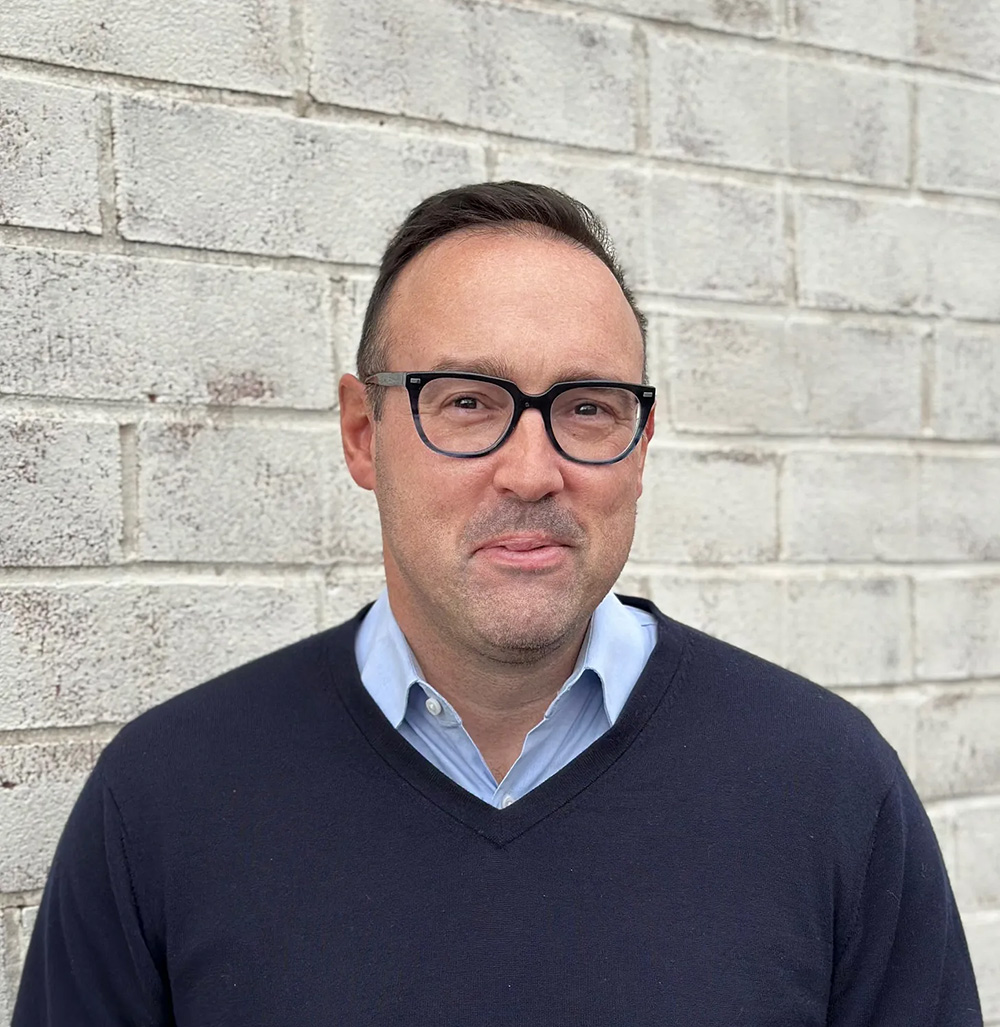
Chris Cillizza

This event is free and open to the public and is presented by the Richard and Leslie Frank Center for Leadership and Innovation in Media at the University of Illinois College of Media. 

Attendees may join the event in Lincoln Hall (Room 1092), 702 S. Wright, Urbana, or register to join via Zoom. The conversation will be led by Colleen King, director of the Frank Center and clinical assistant professor of journalism. 

Cillizza has more than 32,000 subscribers to his daily political newsletter, “So What,” on Substack and more than 130,000 subscribers to his YouTube channel. 

He also hosts a show called “Politics Aside with Chris Cillizza” for the Monumental Sports Network. In it, Chris talks to some of the most powerful people in Washington about the sports they play, love, and watch. He is a political analyst for NewsNation. He contributes content to the Daily Beast and Noosphere. Prior to his career as an independent journalist, Chris spent more than 20 years in mainstream media. He previously served as politics reporter and editor-at-large for CNN and is founding editor of the Washington Post political blog “The Fix.”

For more information, please contact Colleen King at cck@illinois.edu

Share on social

Take 5 with Media Alumni: Carlye Wisel


Carlye Wisel (BS ’09, journalism) was a lifestyle reporter interviewing famous musicians and celebrities like Mick Jagger and Kim Kardashian before a bachelorette trip to Disney World changed her career trajectory. Now, as a freelance journalist covering Disney and Universal theme parks, Wisel has contributed to magazines like Travel + Leisure, Glamour, National Geographic,and TIME, shares creative content with nearly 60,000 Instagram followers, and hosts a highly rated podcast, Very Amusing.Learn more about this College of Media alum who has built a journalistic career at the intersection of pop culture, travel, and joy.

1. You started as a lifestyle reporter, but a visit to Walt Disney World changed your life. What about that experience hooked you and made you focus full-time on theme parks?

Part of what I love about having a journalism background and having experience in reporting is that you can choose any career you want. If you randomly end up in Orlando and ask yourself, ‘What is going on in this city?’ you can [turn it into] a job, which is exactly what happened to me. I got married in 2015 and my husband suggested I go to Disney World for my bachelorette party. There were 11 or 12 of us, and it was the most complicated vacation I’ve ever planned in my entire life. A normal person would think it was too difficult, and never want to go back again, but me, as a reporter, went, ‘What’s going on here?’ And I needed to just dial in and figure out how people do this, and that hunt for more information and learning more about Disney World has sustained me 10 years to this day, where I’m still invested and curious in everything that’s happening there.

2. On the outside, it appears that you have a “dream job.” Is that accurate or a misconception? What kinds of challenges does your job present that most people wouldn’t realize?

I love my job, but it is, at the end of the day, challenging. While no one wants to hear someone complain about how often I have to go to the Magic Kingdom, there is an element to reporting on one of, if not the largest, entertainment companies in the world that often gets under-discussed. Everything I say—even if I say it casually into a mic instead of written down for a major publication—has to be at the same level of expertise and professionalism. That is where the lines blur, and it can be really tricky, especially when you host your own podcast. Because I can’t ever tell people something that isn’t fact-checked or isn’t true. Everyone makes mistakes, but as a reporter, it’s very important to me that even if I’m yapping in my house [on my podcast], just telling a story about a theme park, all of it has to be true and accurate. And so, I do still very much live a life of a newspaper reporter, even in this fun context.

3. You’ve won numerous awards for your stories, with your work published in a variety of outlets including The New York Times. What’s one story you’ve written throughout your career that stands out the most?

The most challenging story that I have written while covering theme parks was definitely the one I wrote for Vox after Walt Disney World reopened during the pandemic. My job for a long time was real light and fun. It was roller coasters, it was “lands,” it was fun-themed cupcakes. And then it became local government, union mandates, and wastewater levels. It really became a very serious reporting job. And that shift was something I didn’t expect but thank goodness I had the training for it. I went to Disney World for the reopening, and it was really challenging to report about, because I felt like ‘I’m in this space, I need to make sure I represent every single person in this puzzle.’ I needed to represent cast members, who are the employees at Walt Disney World. I needed to represent local government. I spoke to [Florida State House Representative] Anna Eskamani, who is incredible, just one of the most prolific voices in Florida government today. I was able to really piece together a full picture of what it’s like, not just, ‘These are the lines! These are the 6-foot tape [markers] on the ground.’ I was able to really report about it from all angles, and that was extremely challenging, but definitely one of the proudest moments of my career, because I felt like I really was in a time and place where I was able to cover it as accurately as humanly possible.

4. Has your podcast changed the way you think about storytelling compared to print or online journalism? Is podcasting and creating content for social media an evolution of more traditional reporting?

I’m still a journalist, but I think that podcast host, content creator, reporter—that all needs to be woven in, which is modern-day journalism in a nutshell. I do think the lines have blurred a lot, because there is a huge spectrum. I don’t think you have to choose which bucket you’re in, and if people perceive you as a content creator, that’s totally fine. Just as the way social media evolves, my career has shifted. And I really don’t know what happens next. Now the modern model of what I do is, ‘If you’re freelance, you have a niche, you’re known for this one thing. You write some stories, you have a podcast, you’re on social media, you post videos, and maybe you have a newsletter.’ And what’s interesting is that four years from now, that won’t be the case. But because I have a journalism background, because I chose to study a trade and not just a subject, I really do feel like I can pivot to whatever comes next, because at the end of the day, it’s all storytelling. And if you can get information out in a clear, concise way, that’s really all that matters, not the formula from which that comes.

5. What advice would you give to students or aspiring journalists who want to tell stories that capture wonder, creativity, and joy? Do you have any suggestions for students who want to turn their passion for writing about a niche topic into a profession?

The great thing about graduating from the College of Media is that you’re going to have the skills, no question. Now, the challenge is finding out how to make your passion your profession. Let’s say you have a different media job and want to report on this one wacky thing. You can self-publish posts, newsletters, even videos about it. You can become an expert, the face of that, and likely be hired to report about it. 

Remember, at the end of the day, you came from studies that benefit you in any career you end up taking. Having the expertise is only half of it. The more abilities you have, the easier it’s going to be to get work. Early on in my career, I would upsell a story by [providing photos]. If you have video skills, on-camera skills, voiceover skills, it will always benefit you. The more experience that you can have under your belt in all these different facets of reporting, the easier it’s going to be—freelance or full-time—to land a job.

Share on social

2025-26 Ebert Fellows announced


Each fall, the Roger Ebert Fellowship program selects three College of Media undergraduate students to participate in the yearlong fellowship that aims to shape their skills in critical writing through immersion in the film industry.

Ebert theatre- orange

The Roger Ebert Fellows chosen for the 2025-26 academic year are Paige Gaines, Amir Rehab, and Jin Wang.

The program, named after the late Pulitzer Prize-winning film critic for the Chicago Sun-Times and University of Illinois journalism alum, allows students to work with former Chicago Tribune film critic Michael Phillips in engaging with notable figures within the film and media industry and strengthening their critical analysis and writing skills.

This year, the Ebert Fellows will participate in monthly workshops both on campus and in Chicago, curate screenings through the Roger Ebert Center for Film Studies at Spurlock Museum, and engage in radio exercises with Steve Morck, senior digital media producer at Illinois Public Media.

Phillips has been the advisor since the program began in 2015. When it comes to selecting the Ebert Fellows, he looks for something beyond the conventional: persuasive, compelling and “alive.”

“Ebert was a lot more than a ‘film critic,’ Phillips said. “He brought the world around him into the writing, which is not easy to do well, and he did it just about better than anybody.”

Another yearly highlight is the Fellows’ coverage of the True/False Film Fest in Missouri. This is a two-night excursion that entails covering the festival, where Phillips encourages the students to speak with people involved in the films that interest them the most.

“Whether it’s for radio podcasting, print, or introducing a film, anything we can do to get the students a little closer to the writer they want to become is the goal,” Phillips said.


Meet the 2025-26 Ebert Fellows

Paige Gaines is a senior earning a dual degree in media and cinema studies and in communication. She is looking forward to working with the other Fellows.

Paige Gaines

“Both of the other Fellows are in advertising, so it will bring different outlooks from what I have had,” Gaines said. “I’m really interested to see what I can learn from them and what they can learn from me.”

Gaines frequently attended Ebertfest as a child and is a distant relative of Roger Ebert. She wants to improve her review-writing skills and efficiency.

The True/False Film Fest is the event that Gaines is most excited for because of the screenings of documentaries revolving around social and political issues.

“I love telling stories about people who don’t have stories told about them as much,” Gaines said. “What better way to get exposure to that scene than going to where it’s hosted?”

One of Gaines’s favorite films is Therapy Dogs, a hybrid documentary-fiction comedy,because she saw it at an important part of her life, and it ignited her love for her career.


Amir Rehab, a senior in advertising, is looking forward to working with Phillips, meeting with directors, and evolving as a writer.

Amir Rehab

“Living in the USA and Algeria has given me so many different perspectives within our media that we consume,” he said. “Through design and editing, I learned how visuals can tell stories and evoke emotions.”

Rehab transferred to the University of Illinois last year and chose advertising as a major because it combines two things he has always loved—creativity and strategy.

He currently makes his own short-form documentaries and is interested in using this program to improve his storytelling capabilities and network.

“Putting yourself out there in uncomfortable situations in order to evolve is important,” Rehab said. ”If you’re just staying in the exact same spot, you’re not going to get anywhere.”

His favorite movie is Parasite, which won the 2020 Academy Award for Best Picture,because of the powerful message through the acting and visual storytelling.

“I was extremely impressed by the cinematography—the details in distinguishing class division and income inequality. It’s a very powerful message achieved not only through acting but also through visual storytelling and camera work!”


Jin Wang is a junior in advertising. She is most excited for the immersion trips to Chicago, where the students will work in the Ebert Fellow workshop and visit art exhibitions.

Wang is eager to learn more about film this year, as her criticism in the past has mostly revolved around paintings and sculpture.

“Criticism is essential because our experiences shape how we see the world,” Wang said. “It brings different viewpoints together and helps people express their own ideas.”

She is excited to collaborate with the other Fellows by contributing different ideas and opinions.

Wang’s favorite movie is the Korean film Wedding Dress because of the themes about family and love.

“It reminds me that love isn’t just about happy moments, but also about sacrifice,” Wang said. “It’s so emotional and it makes me feel deeply connected to the story and the characters.”

Share on social

College of Media
119 Gregory Hall
810 S. Wright St.
Urbana, IL 61801
217-333-2350