Advertising and ICR faculty, students, alumni present research at 2026 American Academy of Advertising Conference


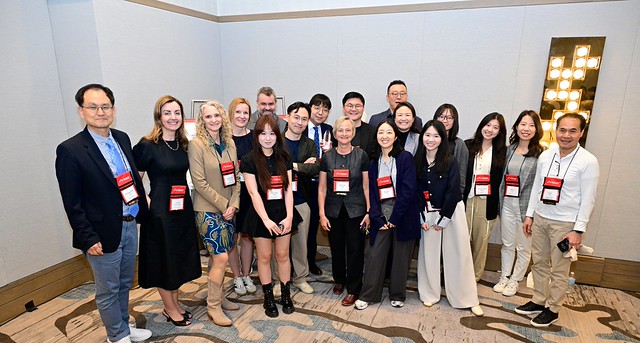
Advertising faculty with appointments in the Institute of Communications Research, doctoral students in ICR, graduate students in advertising, and ICR alumni participated in the 2026 annual conference of the American Academy of Advertising, held March 26-29 in Austin, Texas.

Through presentations and panels, they discussed research and ideas related to teaching AI and advertising, ethics, and more. Advertising Professor Chang-Dae Ham serves as the 2026-27 president-elect of AAA and will become AAA’s president next year.

Below is a list of the Illinois participants and their research.

AAA conference group shot

Special Topic Sessions

“Navigating Advertising Academic Leadership During a Time of Change: An Inside Look at Administration Roles in the Age of A.I., Program Changes, and Industry Upheaval”

Speakers: Huan Chen (University of Florida), Joe Phua (Southern Methodist University), Shu-Chuan (Kelly) Chu (DePaul University), Matthew S Eastin (University of Texas at Austin Professor and Head Michelle Nelson, Soojung Kim (University of North Dakota), Fuyuan Shen (Pennsylvania State University), Tom Reichert (University of South Carolina), Heidi Hennick-Kaminski (Michigan State University), Harsha Gangadharbatia (University of North Carolina at Chapel Hill)

“Teaching Privacy in the Age of AI: Preparing Ethical Advertising Professionals”

Speakers: Kristen Sussman (Texas State University), Faren Karimkhan (Syracuse University), Daniela Molta (Syracuse University), Associate Professor Ewa Maslowska, Carina Alderete (Accenture)


Panels

“Foundational Framework in Virtual Influencer Marketing: Bridging Operational Control and Narrative Archetypes in Virtual Influencer Design”

Speakers: ICR doctoral student Seo-Jeong (Rachel) Heo, Professor and Associate Head of Graduate Studies Chang-Dae Ham

“When Robots Cross the Line: Consumer Moral Judgments of Robots’ Harm and Authority Violations”

Speakers: ICR doctoral student Seo-Jeong (Rachel) Heo, Yuhosua Ryoo (University of Minnesota Duluth), ICR alum WooJin Kim (University of Colorado Boulder)

“Scandals, Morality, and Cancel Culture: How Consumers Judge Brands and Influencers”

Speakers: Saima Kazmi (University of Oregon), Assistant Professor Louvins Pierre, Josh Anderson (University of Arizona)

“When Identity Disclosure Matters: The Interplay of Identity Disclosure, Message Type, and Product Type in AI Influencer Advertising on Social Media”

Speakers: ICR doctoral student Se Il Park, Professor and Associate Head of Graduate Studies Chang-Dae Ham

“Beyond the Algorithm: The Double-Edged Impact of Explainable AI”

Speakers: ICR alum WooJin Kim (University of Colorado Boulder), ICR doctoral student Se Il Park, Professor and Associate Head of Graduate Studies Chang-Dae Ham, ICR alum Un Chae Chung (University of Wisconsin Whitewater)

“Peripheral Cues in a Democracy? Using the Elaboration Likelihood Model to Examine Information Cues and Negativity in Millions of Political TV Advertisements”

Speakers: ICR doctoral student Alice Ji and Professor and Head Michelle Nelson

“Zero-Click Persuasion in LLM Advertising: The Role of Response Structures and Regulatory Mode Fit”

Speakers: ICR doctoral student Seo-Jeong (Rachel) Heo, Yuhosua Ryoo (University of Minnesota Duluth)

“Measuring AI-Advertising Aversion: An Initial Scale Development and Empirical Assessment of Its Relationship with AI Anxiety”

Speakers: Assistant Professor Louvins Pierre, Viviana Carolina Zambrano Rodriguez (University of South Carolina), MS advertising student Jiayi (Joy) Wang

“From Black Box to Glass Box: The Moderating Role of AI Literacy on the Political Matching Effect”

Speakers: ICR alum WooJin Kim (University of Colorado Boulder), ICR doctoral student Se Il Park, ICR alum Un Chae Chung (University of Wisconsin Whitewater), ICR alum Seo Yoon Lee (Texas Christian University), ICR doctoral student Jiyeon Chang

“Adaptive or Defensive? How Perceived Regulatory Efficacy Shapes Consumer Coping with Targeted Advertising”

Speakers: Professor and Associate Head of Graduate Studies Chang-Dae Ham, Ilwoo Ju (Purdue University)

“Signaling Transparency or Triggering Skepticism? Exploring How AI Disclosure in Product Advertising Influences Purchase Intention”

Speakers: Assistant Professor Louvins Pierre, Viviana Carolina Zambrano Rodriguez (University of South Carolina), MS advertising student Jiayi (Joy) Wang, ICR doctoral student Nisa Rahman


Moderators

Professor Sela Sar served as moderator for a panel on the theme of “Rethinking Advertising Research”

ICR doctoral student Yujin (Floria) Lee served as moderator for a panel on the theme of “Social Representation in Advertising”

Share on social
ICR team co-edits book on media, meanings surrounding quinceañeras


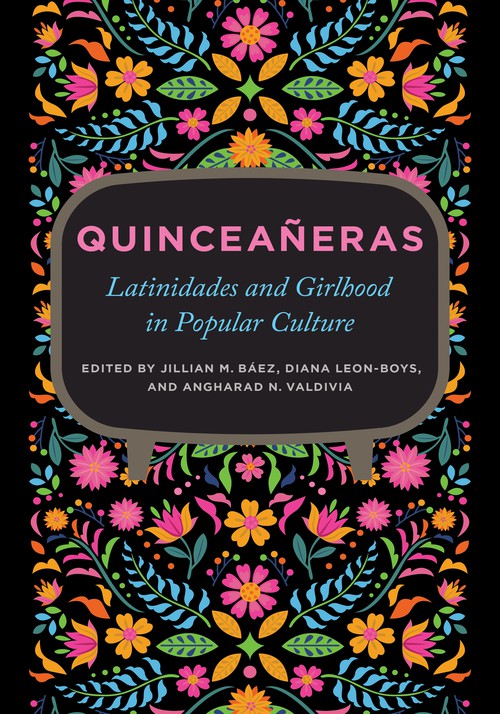
A team from the Institute of Communications Research, including two alumni and an emerita professor, have co-edited the book Quinceañeras: Latinidades and Girlhood in Popular Culture” (University of Illinois Press).

Quinceañeras book cover

Jillian M. Báez (PhD ’09, communications and media, ICR), Diana Leon-Boys (PhD ’20, communications and media, ICR), and Institute of Communications Research Professor Emerita Angharad N. Valdivia (PhD ’91, communications and media, ICR) edited a collection that draws on the expanding field of girlhood studies to examine the increasing visibility of the event and the figure of the quinceañera herself in pop culture.

The contributors focus on quinceañeras as a trope for English-language media’s treatment of Latina girlhoods and Latinx cultures but also examine how use of the quinceañera charts openness and inclusivity within Latinx culture.

Valdivia was part of an ICR team that also organized an exhibit on quinceañeras in 2022, with current ICR doctoral student Stephanie Pérez and alum Ariana Cano (PhD ’24, communications and media, ICR), who were also book contributors.

Share on social

ICR student selected for 2026-27 Humanities Research Institute Fellowship


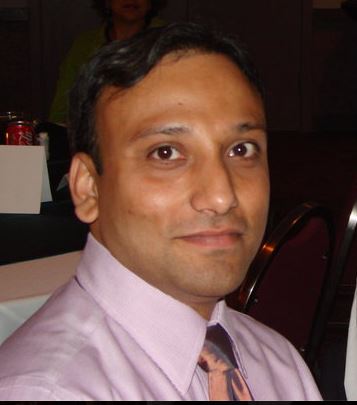
Anirban Mukhopadhyay, a student in the Institute of Communications Research, has been selected as a 2026-27 Humanities Research Institute Graduate Student Fellow.

Anirban Mukhopadhyay

Mukhopadhyaym will join six other graduate students and seven faculty members who will meet at the Humanities Research Institute throughout the year to address how they are rethinking research paradigms.

The theme for this year’s Fellowship is “Up Against Erasure,” which invites researchers to persuade others of the stakes of identifying processes of erasure, of being up against it, and of working in opposition to it. Mukhopadhyay’s research narrative is “Governing the AIR: Radio, Polity, and Nationalism in Postcolonial India, 1950–2023.”

As an HRI Graduate Student Fellow, Mukhopadhyay will receive a $25,000 stipend and a tuition and partial fee waiver.

HRI grants fellowships to Illinois faculty and graduate students, who spend the year engaged in research and writing. All HRI Fellows participate in HRI activities, including the yearlong Fellows Seminar.

Share on social
Margaret Ng selected as Center for Advanced Study Associate for 2026-27 academic year


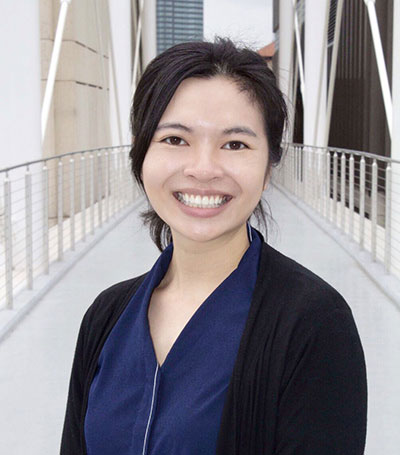
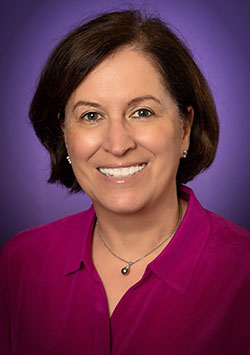
Margaret Ng, associate professor of journalism and a faculty member in the Institute of Communications Research, has been selected as a Center for Advanced Study Associate for the 2026–2027 academic year.

Margaret Ng

As a CAS Associate, Ng will take time off from teaching in Fall 2026 to advance her research on “platform migration,” focusing on how regulatory bans, algorithmic shifts, and geopolitical tensions drive user migration between social media platforms. She argues that these shifts are fueling digital nationalism and reshaping digital sovereignty in an increasingly fragmented society.

Ng said recent events highlight the urgency of this topic, including the restructuring of TikTok in the U.S. and regulatory restrictions in Taiwan, the decline of Twitter/X use among journalists and academics, and the rise of Truth Social as the de facto official channel for the U.S. Presidency. These events reveal how global tensions and local politics are transforming the platforms people choose and the public spheres they build. 

“We live in an era of rapid digital migration. We are seeing a wave of “digital migration” where users are trading in the dominant platforms for new communities that match who they are and what they care about.” Ng said.

“This project examines the forces behind this shift—from algorithmic decay and privacy concerns to political polarization and digital fatigue—and how these movements are reshaping the social, political, and cultural dimensions of online life.”

Ng said her study will particularly investigate digital migration across the United States, Hong Kong, and Taiwan by integrating large-scale computational analysis, surveys of thousands of users, and in-depth interviews with college students, journalists, tech workers, and elderly users. Drawing from those insights, the project will develop a framework that explains how political systems, institutional pressures, and everyday user practices intersect to shape modern migration patterns. 

Ng said the findings promise to advance both theory and policy by documenting how these digital migrations create new forms of labor precarity, fragment public discourse, and erode the shared information environment essential for democracy.  As users segregate into platforms that reflect their personal identities, the project explores how this new “digital mobility” challenges Big Tech dominance, redefines national sovereignty online, and ultimately reshapes the future of media, regulation, and public life.

Ng was appointed a CAS Associate for the Fall 2026 semester upon the recommendation of CAS professors and with concurrence of campus and university administrations.

CAS Associates are tenured Illinois faculty members whose project proposals are selected in an annual competition. They are granted one semester of teaching release time to pursue an individual scholarly or creative project. 

The Center for Advanced Study works with every department on campus to identify and support the most productive, high-achieving, and innovative faculty at Illinois, providing them with connections and funding to pursue their work. Members of this accomplished community are invited to participate in CAS activities throughout the year and given opportunities to present their work to the CAS community. See CAS’s upcoming events.

Share on social

Centennial Circle: Investing in the next century of media education

Join a once-in-a-lifetime opportunity to shape the future of the College of Media at Illinois

Futuristic illustration of person viewing screens


A centennial is more than a milestone—it’s an invitation to define the future together.

As the College of Media approaches its 100th anniversary, we celebrate our proud legacy and commit to advancing the next era of media education and research. Illinois Media graduates have informed the public, shaped culture, advanced technology, and transformed the way the world connects. To ensure this momentum carries into the next century, the College of Media invites its most passionate supporters to help lead the way through the Centennial Circle.

The Centennial Circle will be launched to honor visionary donors who make transformational investments. Induction into the Centennial Circle recognizes gifts of $100,000 or more to any fund in the College of Media between January 1, 2026, and December 31, 2027. Donors can make an outright gift, a pledge, or a deferred gift such as a bequest in their will or a beneficiary designation of their IRA.

College of Media Dean Tracy Sulkin emphasized the historic significance of the Centennial Circle as the college celebrates its 100th anniversary in 2027.

“A centennial invites us to honor our past while envisioning a bold future. In this unique moment, philanthropy will play a central role in shaping the next 100 years of media,” said Dean Sulkin. “Joining the Centennial Circle is an opportunity to create a powerful, lasting legacy—one that uplifts generations of students and strengthens media education and research at Illinois for decades to come.”

Donors may choose to support any fund in the College of Media, including the Centennial Fund, which helps meet emerging priorities, from technology advancements and innovative pedagogy to faculty and student research. Recent examples of donor-funded impact include the founding of the Richard and Leslie Frank Center for Leadership and Innovation in Media and the Roger Ebert Center for Film Studies, student support such as scholarships and the Media Technology Center, and faculty support such as research initiatives and named professorships.

Preparing students for academic and professional success means ensuring they can navigate, analyze, and communicate effectively in an ever-changing media landscape. Support for the Centennial Fund positions the college to address complex societal challenges, including AI, media literacy, civic and public engagement, and the accessibility of news and information.

Joining the Centennial Circle is an opportunity to create a powerful, lasting legacy—one that uplifts generations of students and strengthens media education and research at Illinois for decades to come.

Tracy Sulkin

College of Media Dean

“The Centennial Circle reflects the power of partnership between the College of Media and our alumni and friends,” said Deanne Johnson, senior assistant dean for advancement. “By aligning philanthropic vision with emerging priorities, donors help ensure Illinois remains at the forefront of media education for generations.” 

The historic cohort of Centennial Circle donors will be recognized during a College of Media centennial celebration and featured across the college’s communication channels. Recipients will also get a commemorative Centennial Circle lapel pin.

Join us in shaping the College of Media’s second century:

We welcome the opportunity to explore how your philanthropic vision can align with your passions and create lasting impact for the College of Media’s second century. To learn more, please contact Deanne Johnson, Senior Assistant Dean for Advancement, at 217-244-5466 or jhns@illinois.edu.

Share on social

I on the Media: Melita Garza discusses journalism’s role in Ken Burns’s ‘The American Revolution’


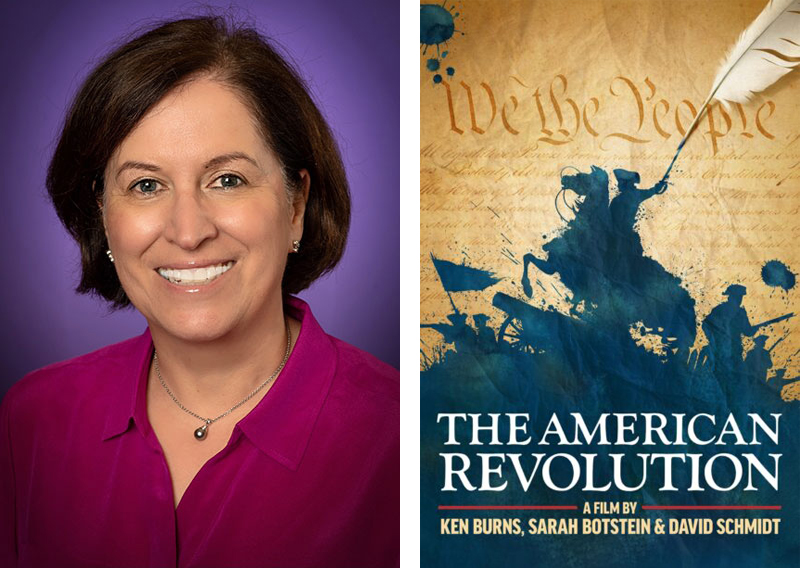
Ken Burns’s new PBS series The American Revolution is more than a sweeping historical documentary—it illustrates the ways in which journalism helped ignite and sustain the fight for independence. Melita Garza, associate professor and Tom and June Netzel Sleeman Scholar in Business Journalism, and winner of Journalism History’s 2024 essay contest, shares her insights on journalism’s pivotal role in shaping America’s founding era.

Ken Burns's "The American Revolution" film promo

About the Media Expert

Melita M. Garza

Melita M. Garza, associate professor in the Department of Journalism and a faculty member of the Institute of Communications Research, is an American journalism historian who studies news as an agent of democracy, specializing in English- and Spanish-language news, the immigrant press, and coverage of underrepresented groups. She is the lead editor of The Routledge Companion to American Journalism History (2024). Her research has won awards from the American Journalism Historians Association, and the Association for Education in Journalism and Mass Communication divisions of: History, Minorities and Communication, and International Communication.


How does this series place journalism at the heart of the American Revolution?

The most obvious example is the documentary’s treatment of colonial reaction to the Stamp Act, showing that the two dozen weekly newspapers, along with pamphleteers, stoked support for colonial tax protests. Significant though this is, the imprint of journalism on the Revolution is much bigger than that.

Bostonians reading the Stamp Act in 1765
Bostonians reading the Stamp Act in 1765, public domain, via Wikimedia Commons

Consider that Burns starts his six-part history with a quote from Thomas Paine, America’s first political journalist. The documentary opens with a black screen that slowly transforms into the pink, purple, and yellow colors of dawn. The audience then hears a voice intoning:

From a small spark, kindled in America, a flame has arisen not to be extinguished. Without consuming, it winds its progress from nation to nation, and conquers by a silent operation. Man finds himself changed and discovers that the strength and powers of despotism consist wholly in the fear of resisting it, and that in order to be free, it is sufficient that he wills it.”

Although these words of agency come from Paine’s The Rights of Man, written in 1791 during the French Revolution, they capture the spirt of Paine’s earlier writings, such as Common Sense, which helped catalyze the colonists to pursue and persist in the American Revolution. Writing for Wired in 1995, Jon Katz explained why this pioneer of free expression should be remembered in the Internet age. “Because we owe Paine. He is our dead and silenced ancestor. He made us possible.” The documentary covers the eight years of the American Revolution, making it impossible to push too deeply into any single historical actor’s role with the depth they deserve. Ideally, however, the series will inspire viewers to take another look at Thomas Paine and other figures from our past whose impact isn’t fully understood today.

Join, or Die
Political cartoon (1754) attributed to Benjamin Franklin, public domain, via Wikimedia Commons

And there’s more. Still within the first two-and-a-half minutes of the documentary, viewers are introduced to Benjamin Franklin. Although described simply as a noted scientist and writer in The American Revolution, Franklin was a pivotal figure in the development of American journalism and is credited with publishing one of the earliest pieces of colonial visual journalism: the political cartoon. The documentary showcases the famous “Join, or Die” snake woodcut drawing, published in Franklin’s Pennsylvania Gazette on May 9, 1754. Originally designed to rouse the colonists to unite during the French and Indian War, the documentary notes that it was republished to urge colonial unity against the British during the American Revolution.

The documentary is replete with such examples of what I call “hidden” journalism, in which their groundbreaking significance to the journalism profession as a whole remains obscured.

Apart from serving as a sparkplug for rebellion, what are some other ways the documentary depicts the role of journalism in colonial life?

There are a few things, again, just in the first installment, that the documentary flicks at, which underscore the primacy of journalism and print culture more generally in the lives of the colonists. For instance, in a segment discussing the impact of British culture on colonial life, historian Jane Kamensky references the London Book Shop and the Crown Coffee House in Boston. Bookstores offered colonial citizens exposure to Enlightenment ideas, among other things, and served as centers of cultural exchange for the community. Book sellers were often also in the newspaper business. One such newspaper owner was Benjamin Franklin, who is also credited with being first to open a book shop in colonial America. Likewise, coffeehouses were central places for the exchange of news and newspapers. These are two more examples of the “hidden” journalism in the documentary.

Another aspect of journalism that might be easy to overlook in the documentary involves the episode of the Saturday, December 27, 1760, arrival of the British frigate that “brought with it big news”—the death of King George II and the ascendancy of King George III to the British throne. In early colonial America, it was often faster to get news from England by ship than it was to get news from southern colonies, considering the state of the roads at the time. Even so, having to wait two months to find out that you were being ruled by a new monarch illuminates the pace of colonial communication compared to that of today’s high speed Wi-Fi society.

What can The American Revolution teach us about telling historical stories in ways that connect with today’s audiences?

Ken Burns is well known as a gifted storyteller and the documentary’s striking visuals, sound effects and music, and well-edited commentary from experts, are staples of his work. In The American Revolution, letters and journals from young men, women, and officials and pundits on both sides are the stars. These primary sources allow individuals to speak as though they are reporting to us from the homefront and the battlefront, and that brings the Revolution right into our living rooms centuries after it ended. Simply employing solid storytelling techniques is only partly why the story resonates with today’s audiences. The other reason is that we can see parallels with our own experience. Some of these parallels are obvious. Others are a matter of perspective.

Thomas Paine
Thomas Paine (1792) by Laurent Dabos, public domain, via Wikimedia Commons

For instance, one scene shows colonists on the street reading newspapers together, with some looking like they are commenting to each other. Thinking critically about media and information, the colonists were practicing true social media. In person, face-to-face, they exchanged ideas in a way today’s often anonymous, digital exchanges can’t compare. And as the documentary also notes, word of mouth was also a prime source of news. While it is true that stories and ideas didn’t have a World Wide Web to buzz through, these mechanisms still allowed journalism, starting with Thomas Paine’s Common Sense, to go viral through the colonies. In fact, the documentary points out a prime reason for print culture’s popularity in the Thirteen Colonies: At the time, only Scandinavia was more literate than the American colonial population.

Other relatable issues that we still grapple with today, such as women’s rights, the limits of free speech, taxation, and immigration, to name a few, are also highlighted. Take immigration. In the documentary, historian Christopher Brown discusses “the sheer diversity…living in the heart of the Thirteen Colonies”:  Africans, Scots, Scots-Irish, Huguenots, Germans, and Native Americans, along with the English. The outcome of American Revolution, both the reel one and the real one, proves it was not culture, national origin, or language that brought the colonists success. In historian Christopher Brown’s words, the colonists cohered “around a set of purposes and ideals for one common cause.” In my view, the American Revolution shows how colonial journalism played a prime role in establishing coherence for that single cause: freedom.

Share on social

ICR faculty and students receive honors at 2025 National Communication Association convention


The Institute of Communications Research marked a highly productive year at the 2025 National Communication Association convention from November 19-23 in Denver, Colorado, with faculty members, students, and alumni presenting research, chairing panels, and contributing to programming at the 111th annual event.

In addition to this strong scholarly presence, several members of the ICR community were recognized with some of NCA’s most prestigious awards.

“These achievements underscore ICR’s enduring leadership in communication scholarship and its commitment to fostering impactful research across generations of scholars,” said Mike Yao, director of ICR and professor of digital media in the Charles H. Sandage Department of Advertising.

One of this year’s standout accomplishments came from ICR doctoral student Nansong Zhou (pictured above), whose paper “Serious Games as Digital Mental Health Tools: Increasing Depression Literacy and Reducing Stigma,” co-authored with Donghan Fu (University of Missouri-Columbia), was selected as a Top Student Paper in the Game Studies Division. Zhou was also elected to serve as the Division’s next Student and Early Career Representative, a leadership role that reflects his growing visibility and influence within the field. 

ICR Professor Sang-Hwa Oh and ICR alum Seo Yoon Lee receive NCA award.

ICR’s reputation for shaping the field was further affirmed by the recognition of Sang-Hwa Oh, associate professor of advertising, whose article—co-authored with former ICR doctoral student Seoyoon Lee (PhD ’23)—received the inaugural Teri Thompson Outstanding Article Award from Health Communication (pictured above). This rare honor is especially notable: Out of the journal’s 35-year publication history, only three papers were selected for this distinction. Receiving the award directly from the journal’s founding editor, Teresa Thompson, underscored the lasting influence and methodological rigor of Oh’s research on social media, public risk perception, and preventive health behaviors.

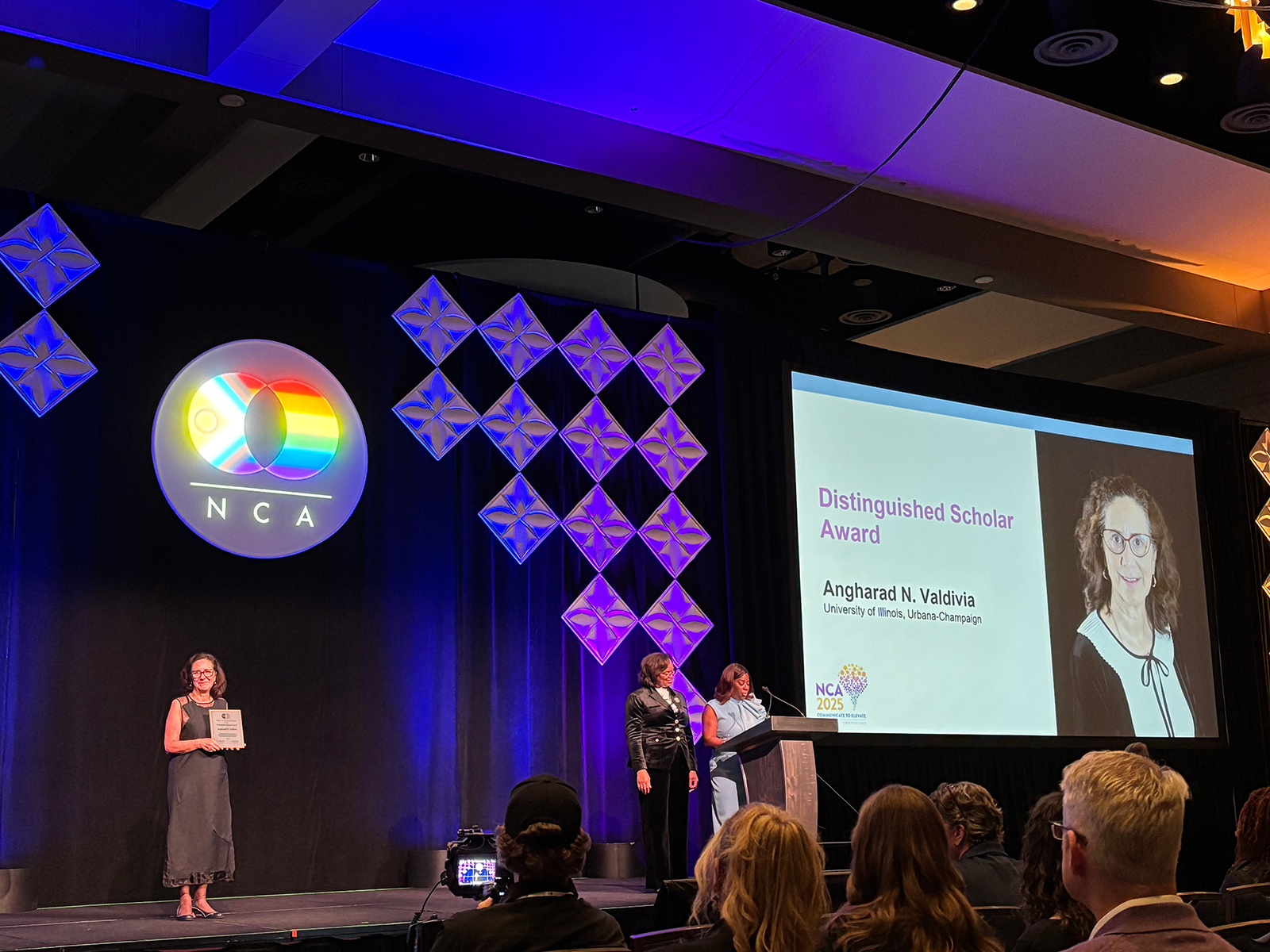
Professor Angharad N. Valdivia wins NCA Distinguished Scholar Award

The conference also celebrated the contributions of Angharad Valdivia, ICR professor emerita, who was honored with NCA’s Distinguished Scholar Award during the President’s Award Ceremony (pictured above). One of NCA’s highest honors, the award recognizes a career of groundbreaking scholarship and mentorship in media studies, Latina/Latino studies, and global communication. Valdivia’s presence throughout the conference—as panel chair, respondent, mentor, and presenter—reflected both her continuing intellectual leadership and her deep commitment to supporting emerging scholars. Valdivia’s NCA participation included:

  • Senior Mentor, 2025 La Raza Mentoring Panel
  • Member, Publications Council Meeting
  • Chair and respondent, “The Complexities of Elevating Latinidad and the Media”
  • Respondent, “Audiences Navigating Disney and Popular U.S. TV Shows”
  • Presenter (with ICR doctoral student Kendra Williams), “Barbie as a Cultural Phenomenon: Doll, Brand, and Media Icon”

ICR faculty and students also contributed important new research to the conference program. Kevin Wise, professor of advertising, and doctoral student Alice Ji collaborated on the study “Reimagining the Presentation of Important Safety Information (ISI) in Social Media Pharmaceutical Advertising,” co-authored with ICR doctoral student Veranika Paltaratskaya and Erin Willis (University of Colorado, Boulder), presented in the Health Communication Division. Their work adds to ICR’s growing presence in research addressing digital health communication and public understanding of risk information.

Ji contributed an additional presentation on ISI in pharmaceutical social media advertising as part of the Health Communication Division’s paper session. ICR doctoral student Jennifer Zhang presented her dissertation research, “More Vivid, More Deeply Processed: Exploring the Roles of Message Format in Misinformation and Correction of Health Misbeliefs,” in the Health Communication Division.

Two ICR alumni were also recognized with major awards at NCA:

Mel Stanfill (PhD ’15), University of Central Florida, won the Diamond Anniversary Book Award for the book Fandom Is Ugly: Networked Harassment in Participatory Culture (NYU Press, 2024).

ICR alum Mel Stanfill

Diana Leon-Boys (PhD ’20), University of Wisconsin-Madison, won NCA’s New Investigator Award in the Critical and Cultural Studies Division.

See NCA’s full list of 2025 national and interest group award winners.

Share on social

Media literacy research and engagement initiatives address societal challenges


Faculty and graduate students across the College of Media are pursuing a range of activities aimed at understanding challenges to media literacy and developing interventions to improve it.

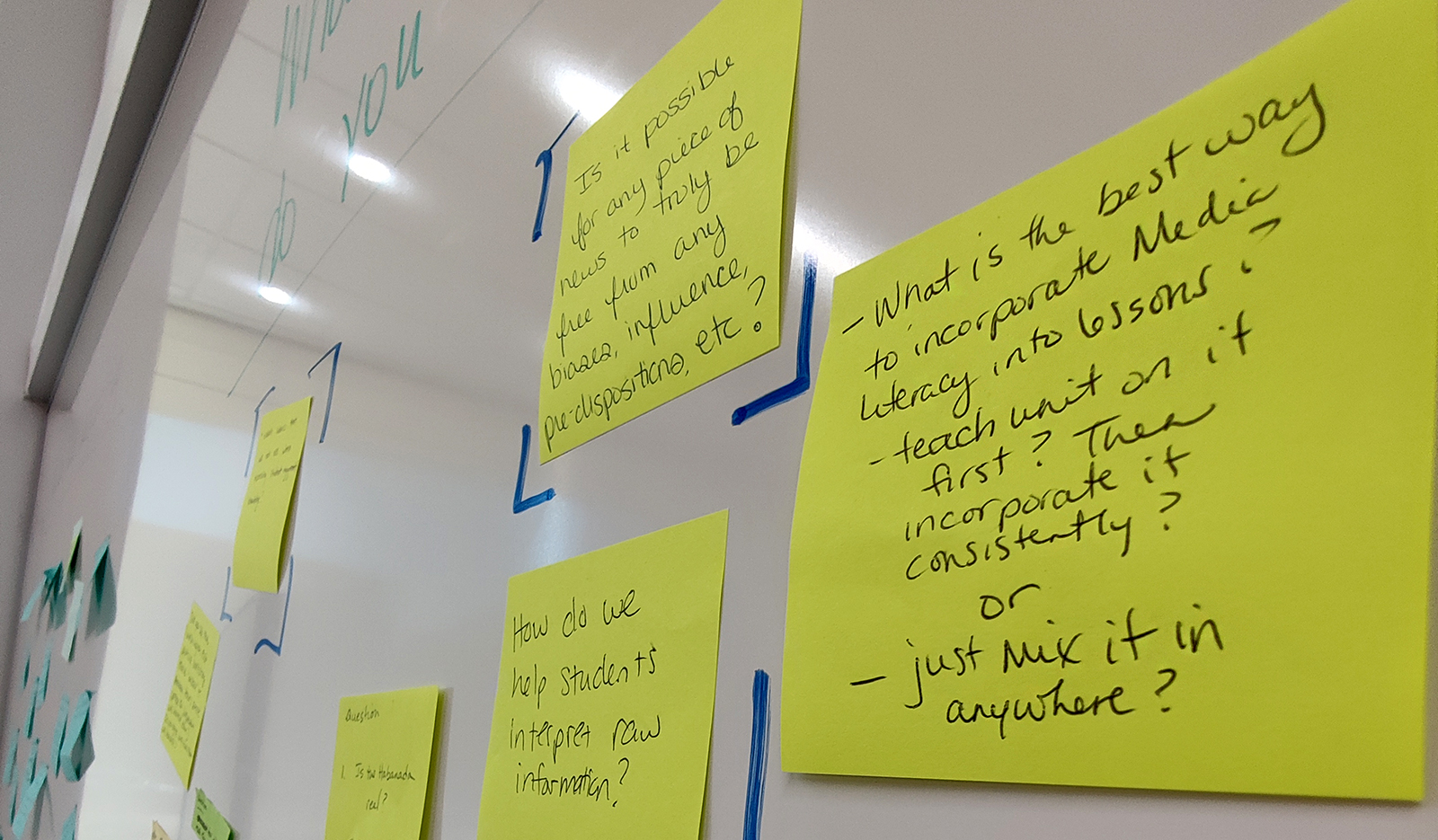
Post-Its from IMEDIA workshop

Recent activities include:

A team including Michelle Nelson, professor of advertising, Amanda Ciafone, associate professor of media and cinema studies, Stephanie Craft, professor of journalism, ICR doctoral student Gillian Paxton, and undergraduate student Maaike Niekerk, is investigating older adults’ media use, media literacy, and the role of media in fostering social connection. The research seeks to understand how older adults use media across a broad range of platforms and tools, including generative AI, and the challenges they face in doing so. The aim is to explore how improving media literacy may help them better navigate the media environment to meet their social and information needs. The study involves interviews with those who offer help and instruction regarding media and technology use through senior centers, public libraries, park districts and the like, and focus groups with older adults. This project is funded by a College of Media seed grant.

Professor Amanda Ciafone presenting at IMEDIA workshop
Amanda Ciafone, associate professor of media and cinema studies, presents at a workshop hosted by IMEDIA.

Related to this project, Ciafone was awarded funding to organize media and digital literacy workshops with European scholars and advocates to advance research, education, and transatlantic dialogue on older age and media literacy under the Jean Monnet Center of Excellence grant awarded to the European Union Center at the University of Illinois Urbana-Champaign. Ciafone said Europe has more rapid “demographic aging,” where a population’s average age increases, than the United States and robust models for media literacy policy and education.

As part of its mission to bolster research in media literacy, the College of Media hosts a regular gathering of faculty across campus to discuss research in media literacy across disciplines and to identify potential opportunities for collaboration. These conversations have so far included faculty in the College of Fine & Applied Arts, University Library, School of Information Sciences, College of Education, and College of Liberal Arts & Sciences.

The Initiative for Media Education Inquiry and Action, a collaboration between the College of Media and College of Education, is developing a media literacy micro-credential for teachers. IMEDIA was created in 2021 to help teachers in Illinois fulfill the mandate of a state law requiring media literacy instruction in public high schools. IMEDIA has offered in-person workshops for teachers to help them incorporate media literacy into their current teaching. The aim of the micro-credential is to broaden the reach of workshops by making the instruction and resources available online in a way that also offers teachers the opportunity to add a media literacy credential to their licenses.

A research study conducted by Nelson, ICR doctoral student Sakshi Bhalla, and Michael Spikes, co-founder of the Illinois Media Literacy Coalition, emerged from IMEDIA’s teacher workshops. The study, which included interviews with 20 educators from across the state of Illinois about the nature and challenges of media literacy education in their schools, found several digital divides that undermine the efficacy of state-mandated media literacy instruction in Illinois high schools. Their findings were published in the Journal of Media Literacy Education.

IMEDIA also is updating its eText, MEdia Matters, which is currently used in a variety of introductory undergraduate courses. The text will be a key resource for teachers pursuing the micro-credential and will be freely available for use in their classrooms.

Craft is part of a team comprising faculty from five universities engaged in a long-term research initiative to build a model of news literacy behavior that will inform efforts to increase people’s resistance to misinformation. The team has developed a widely used measure of news literacy knowledge and most recently has been investigating how greater news literacy knowledge translates into better news consumption behaviors reflecting that greater knowledge. The most recent study was presented in August at the annual meeting of the Association for Education in Journalism and Mass Communication.   

Share on social

How well does NPR incorporate history into its journalism?


When journalists don’t have access to historical tools, and don’t have that impetus to go and check out things, they are presenting news that is really not informing the public. And nobody wants to do that.

Melita M. Garza

When news stories ignore the past, the audience sometimes struggles to fully understand the issue. Because of this, history professors stress the importance of incorporating historical context into news coverage of current events. Doing so enables journalists to bring forth a more complete and informed story, which benefits the audience.

Melita Garza, associate professor and Tom and June Netzel Sleeman Scholar in Business Journalism, stressed the importance of including current events within the context of historical background in this installment of the News Literacy Edition of the NPR Public Editor. In her research, Garza says she has seen journalists declare something “unprecedented” when what they reported on was not, in fact, unprecedented.

Read full article

Seo-Jeong (Rachel) Heo

Seo-Jeong (Rachel) Heo

Email: sjheo2@illinois.edu

Research Interests

My research focuses on human–AI interaction in advertising and marketing contexts, with particular emphasis on how AI-driven advertising shapes consumer perception, attitude, and underlying psychological mechanisms. Specifically, I examine (1) virtual influencers as persuasive agents, (2) large language model (LLM) interfaces as persuasive environments, and (3) social robots as embodied communicators. Across these domains, my work aims to advance theory on AI-mediated persuasion by integrating insights from social and cognitive psychology.

Recent Publications/Presentations

Heo, S.-J., Park, S.-I., Lee, & Y.-J. (2025) Finessing Realism: Harmonizing Mixed Reality and Message Framing in Virtual Influencer Advertising – Mind Perception Theory Application. Proceedings of the 2025 American Academy of Advertising (AAA) 

Park, S.-I., Lee, Y.-J. & Heo, S.-J. (2025) In Watermark We Trust? Exploring How Consumers Cope with AI Influencer Advertising: Multidimensional Persuasion Knowledge and Construal Level Approach. Proceedings of the 2025 American Academy of Advertising (AAA) 

Lee, Y.-J., Heo, S.-J. & Park, S.-I. (2025) When Virtual (vs. Human) Celebrity Voice Matters: Interplay between Celebrity Type and Endorsing Message – Construal Level Theory Application. Proceedings of the 2025 American Academy of Advertising (AAA) 

Heo, S.-J. & Ham, C.-D. (2024), Exploring Motivation to Follow Virtual Influencers (VIs): The Role of Emotional Attachment as a Mechanism for Generating Positive Effects in VI-Endorsed Advertising, Global Advertising Colloquium, Korean Advertising Society, July 2024, Seoul, Korea.

Courses Taught

  • ADV 360: Innovations in Advertising, instructor of record 
  • ADV 283: Advertising & Brand Strategy, instructor of record 
  • ADV 281: Advertising Research Method, instructor of record 
  • ADV 150: Introduction to Advertising, teaching assistant

Awards and Honors

  • Fall 2025 Washington Media Scholars Foundation Fund for Graduate Students, Advertising Division, Association for Education in Journalism and Mass Communication (AEJMC), 2025 
  • Competitive award recognizing outstanding graduate research potential in advertising and media scholarship. Sponsored by the Washington Media Scholars Foundation. 
  • Fall 2025 Maureen Moore Fellowship, Graduate College, University of Illinois Urbana-Champaign, 2025 Graduate fellowship awarded by the UIUC Graduate College in recognition of academic excellence and research achievement. 
  • Spring 2023 List of Teachers Ranked as Excellent by their Students, Charles H. Sandage Department of Advertising, University of Illinois Urbana-Champaign 
  • Fall 2023 List of Teachers Ranked as Excellent by their Students, Charles H. Sandage Department of Advertising, University of Illinois Urbana-Champaign

Related Links

College of Media
119 Gregory Hall
810 S. Wright St.
Urbana, IL 61801
217-333-2350