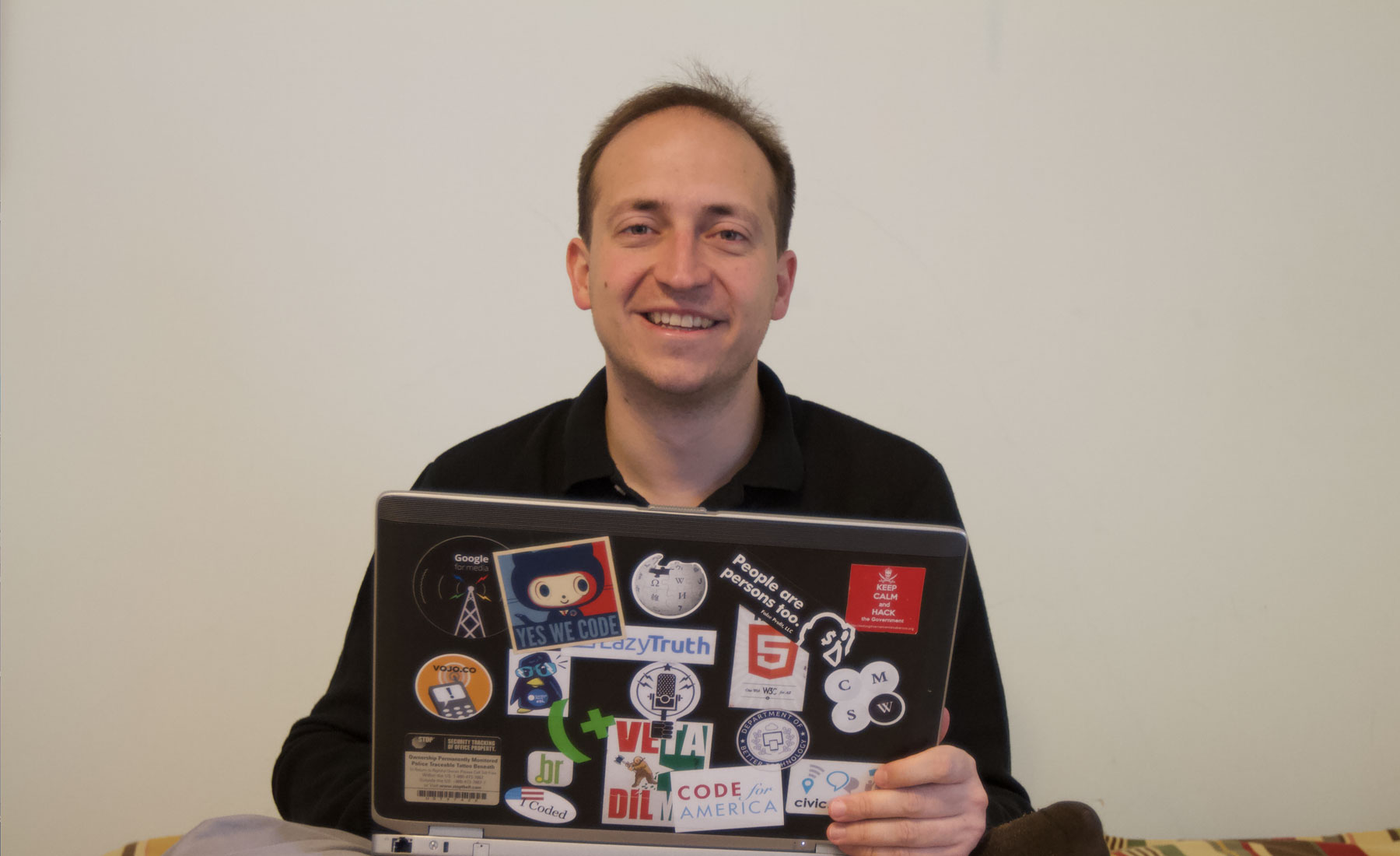
New journalism professor Alex Gonçalves explores social dynamics through data-driven insights


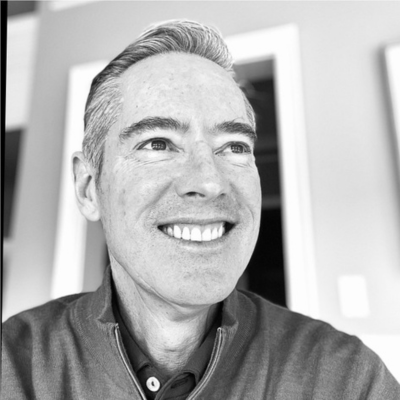
Alex Goncalves

Alex Gonçalves believes a vibrant press is crucial to the future of democratic societies. He also knows the foundation of a dynamic media ecosystem is created in the classroom. 

For that reason, it’s been his goal to work in journalism education since Gonçalves left the newsroom as a science reporter and began his academic journey more than a decade ago.

“I am motivated by the thought of contributing to the education of the next generation of journalists and communicators,” Gonçalves said.

This fall, he joins the College of Media as a new assistant professor in the Department of Journalism. 

Gonçalves, who received a PhD in communication from Columbia University and a master’s degree in comparative media studies from MIT, will be teaching Journalism 102: Surviving Social Media. 

At both universities, Gonçalves studied the role of social media in the emergence of new cultural paradigms—a subject that continues to be a part of his research to help “inform the policies that shape the role of digital platforms.”

In addition to teaching, Gonçalves is also passionate about his research, which focuses on the intersection of computer science and social communication. 

When he realized the College of Media would offer him the opportunity to teach and to continue research, he knew it was the right place for him, where he “could teach future journalists and communicators while advancing my research agenda in a very stimulating intellectual environment,” he said.

Gonçalves also felt a personal connection to the College of Media as he’d always admired the late James W. Carey, a journalism professor, former director of the Institute of Communications Research, and former dean. Carey, a student of the media’s role in society, was an internationally recognized scholar in communications research. 

“I was exposed to [Carey’s] thought on journalism at MIT. His [book] Communication as Culture: Essays on Media and Society was part of the recommended reading list for the degree in comparative media studies,” he said. “Later, I joined the PhD program he founded and infused with his vision at Columbia Journalism School.”

After receiving a bachelor’s degree in computer science in 2002, Gonçalves worked as a software developer in Brazil for eight years. He got a second bachelor’s in social communication and worked at a Brazilian newspaper as a science journalist for four years.

In 2011, Gonçalves received the Visionary Journalist Fellowship, a $55,000 prize toward a master’s degree in communication abroad. The following year, he won a Person of the Year Fellowship, a $10,000 award given by the Brazilian-American Chamber of Commerce to young professionals pursuing graduate studies in the U.S. 

Eventually, Gonçalves began to focus on academia—teaching numerous courses in data science, public speaking, journalism ethics, and science reporting—and research, using computational methods to study digital communication. 

His focus on understanding social dynamics through data-driven insights helped him obtain an $82,500 Brown Institute Magic Grant for the development of a platform to make defense contracting data searchable by journalists and transparency activists. 

Currently, Gonçalves is working on turning his dissertation into a book, with plans to publish in the U.S. and Brazil, which examines the role of social media in the rise of the New Right in Brazil.

Though his roles have varied throughout his career—from software developer and reporter to scholar and educator—the interplay of communication and technology, and a desire to share knowledge with others, have been common threads. 

“I believe education is a privileged space for real communication. I love seeing my students making use, in practical settings, of the knowledge that I shared with them,” Gonçalves said. “Occasionally, I get emails from former students of mine telling me that something I shared with them has become very useful in their professional lives. That makes me very happy.”
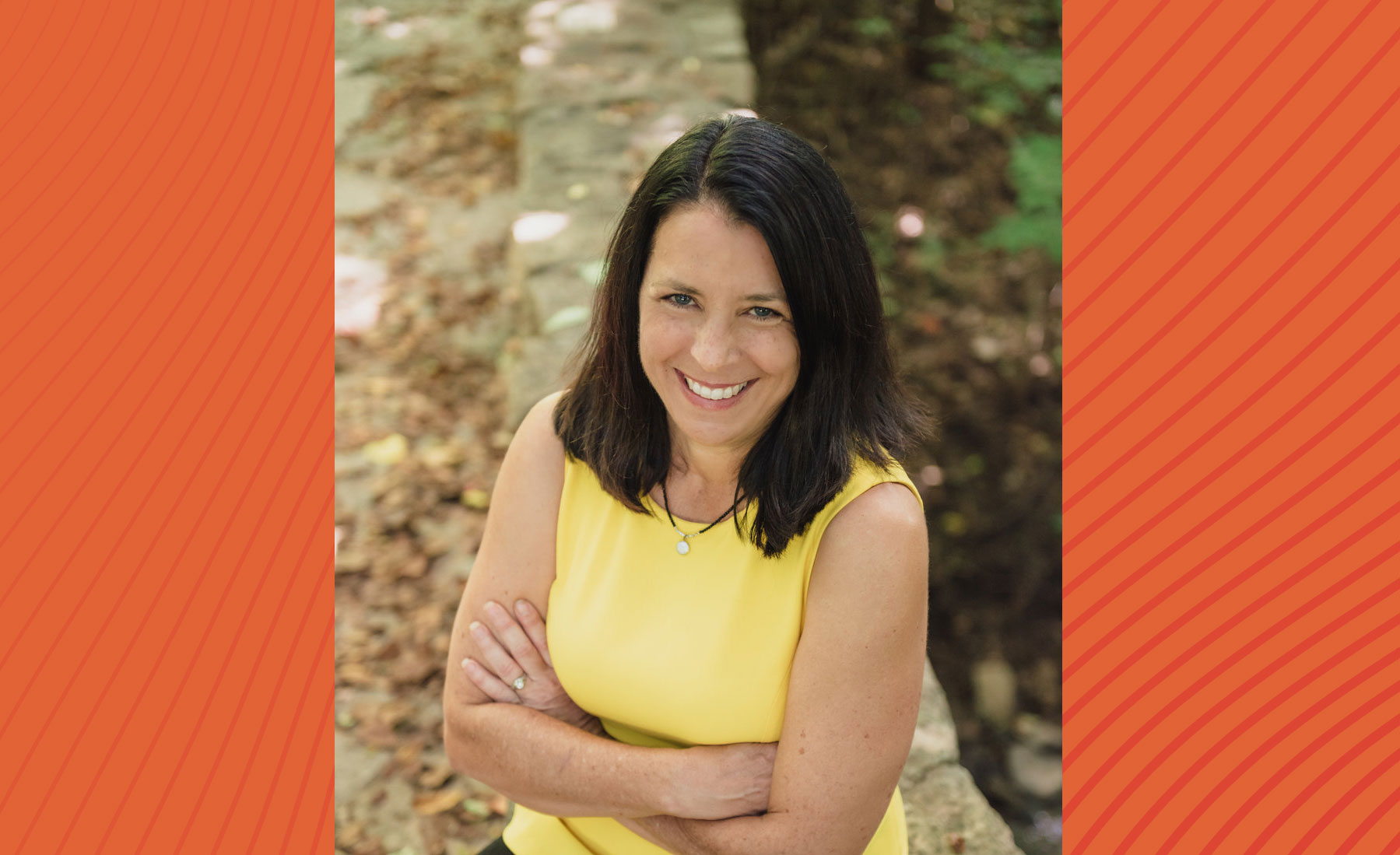
New journalism lecturer and science writer Nancy Averett strives to highlight humanity behind research


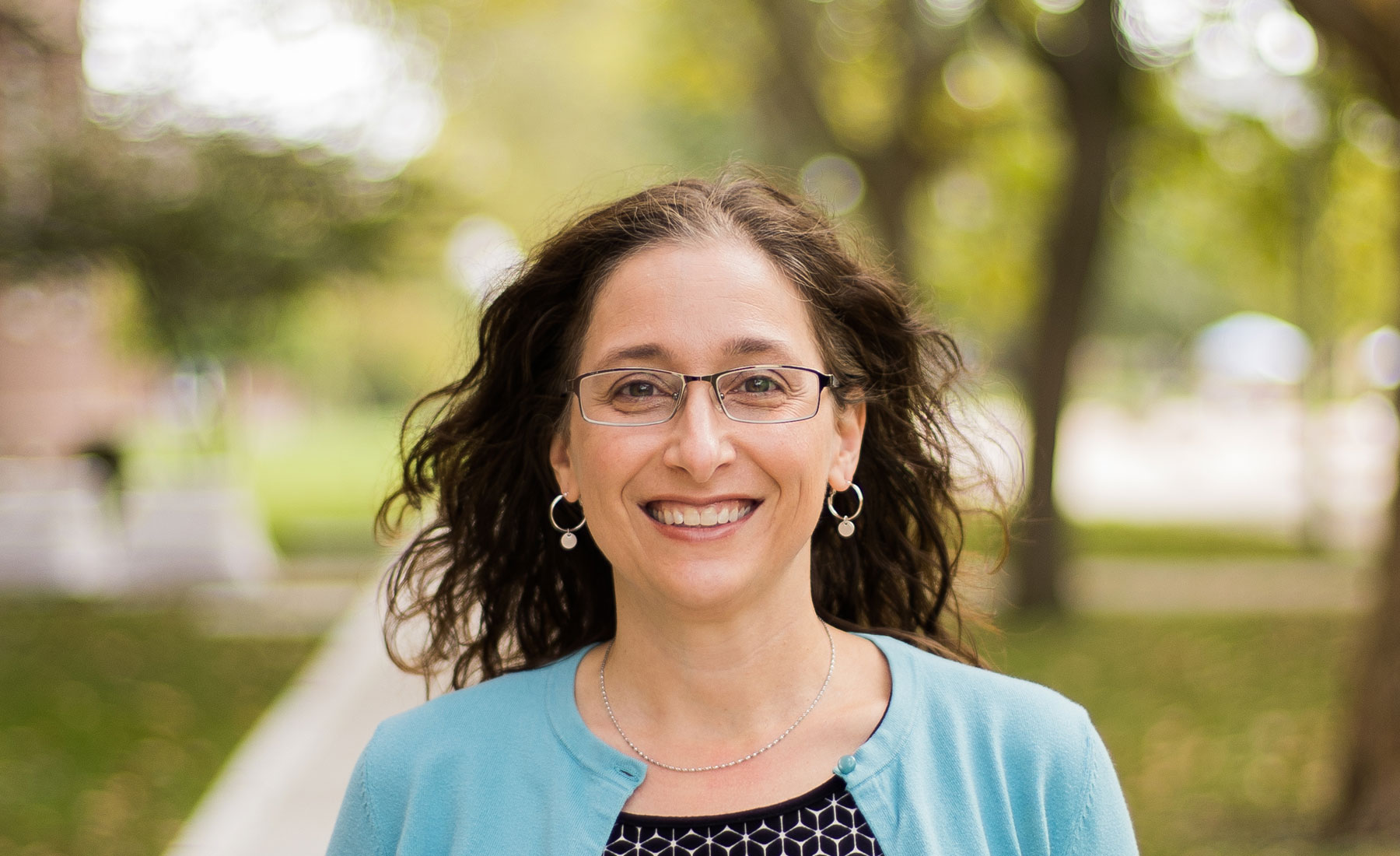
Nancy Averett

As an independent science journalist for the last 17 years, Nancy Averett has dedicated her career to writing about the intersection where science and humanity connect. 

The award-winning reporter, who has a passion for the “sociological side of science and putting a human face on it,” says her secret weapon as a science writer is simple—she’s not a scientist. Instead, she views herself as a translator, reaching into the minds of scientists, engineers, and doctors to explain how their research will impact people. 

She’s looking forward to sharing that passion with students and fellow faculty this fall as a new lecturer in the Department of Journalism.

Averett, who has been published in Scientific American, Discover, The Nation, and other magazines, will teach three courses this fall: Science Journalism, Intro to Journalism, and Newsgathering across Platforms.

Averett will bring a breadth of experience to the classroom, having served as an adjunct instructor at Miami University of Ohio, where she designed and taught courses in news writing, editing, and feature writing.

In addition to teaching and mentoring young journalists, Averett was one of five journalists selected by a national nonprofit in 2019 to teach a workshop for scientists on how to communicate better with the press. She has always found teaching to be a worthwhile pursuit. 

“I just found all of those [teaching] experiences pretty rewarding,” said Averett, who is a member of the National Association of Science Writers and Society of Environmental Journalists.

After receiving a bachelor’s degree in international affairs at the University of Colorado, Averett went on to obtain a master’s degree in journalism from the University of Missouri. 

For the next 10 years, Averett worked as a reporter at three daily newspapers including the Columbia Daily Tribune in Missouri; the North Jersey Herald & News in New Jersey; and the Morning Call in Pennsylvania. She was recognized with awards for her writing at each post. 

With aspirations to write more long-form articles for magazines, Averett ventured into freelance writing, publishing her first articles in Runner’s World. Soon after, she attended an American Society of Journalists and Authors conference where she met other freelance writers and learned many of them were covering science news.

“After a while [I thought], I want to do what they’re doing. Their stories are really cool,” she said.

Averett started to pitch story ideas to Audubon magazine and “did a lot of writing about birds.” She also began to write for university publications.

From there, Averett focused on writing about wildlife, climate change, and environmental science, gaining recognition at top national publications including Sierra, Undark, and Mother Jones.

Her extensive journalism experience also includes working as the Midwest Climate Reporting Fellow for the Food & Environment Reporting Network, writing breaking news and long-form stories about climate change and agriculture, food production, and land rights issues. 

In 2020, she won first place for Outstanding Feature Story from the Society of Environmental Journalists for an article on air quality and industry titled “Undone Science: When Research Fails Polluted Communities.” That same year she also won the Robert G. Fenley Writing Award (silver) from the Association of American Medical Colleges. 

Averett says she will likely cut back on freelance work to focus on teaching, and perhaps, to pursue a long-held dream of writing a book. 

For now, she’s thinking about ways to help students realize the importance of effectively communicating science.

“We’ve got to find a way to excite people about science and understand really how science works,” Averett said. “I think being science literate would basically save lives.” 

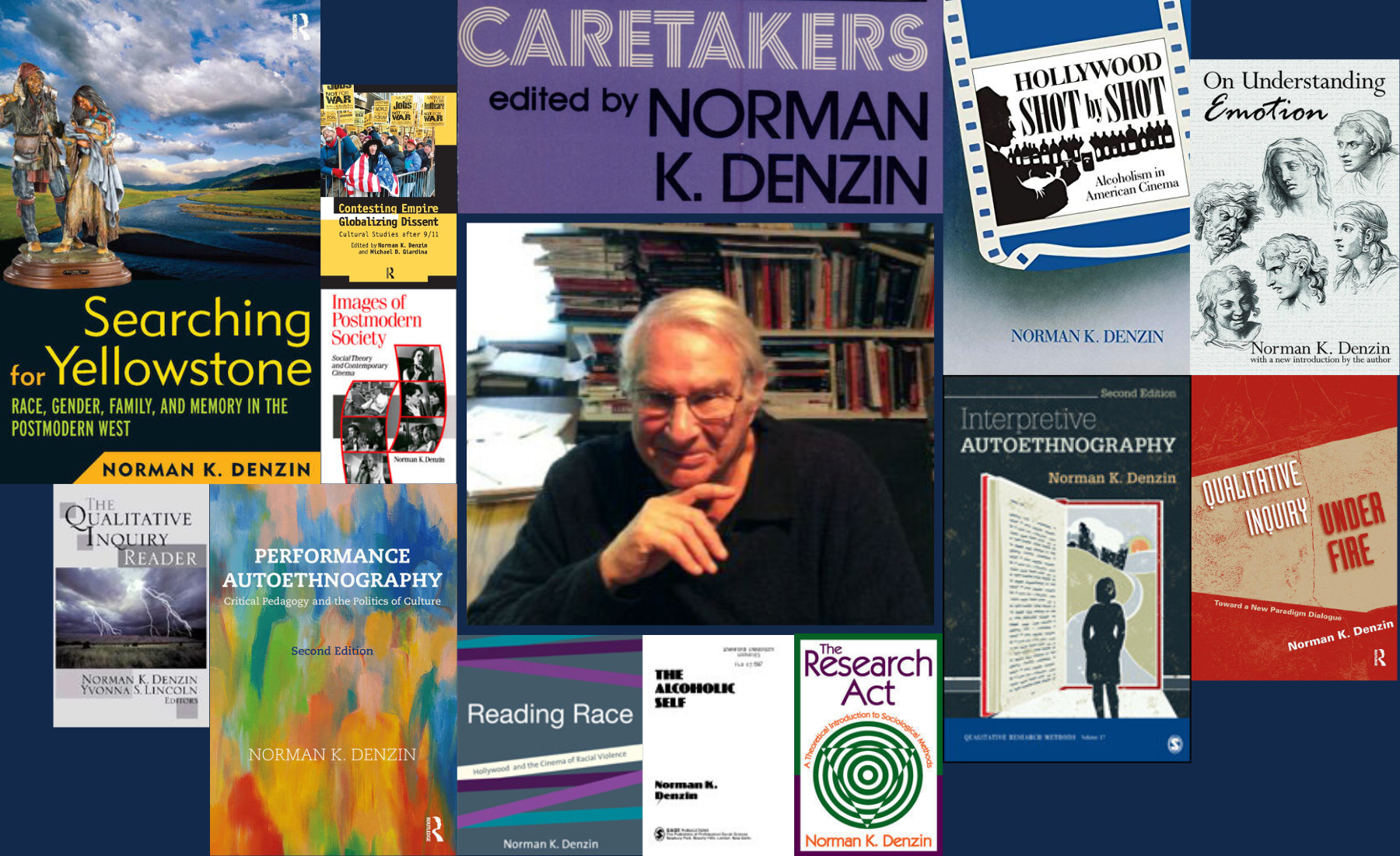
ICR emeritus professor and renowned scholar Norman Denzin passes away at 82


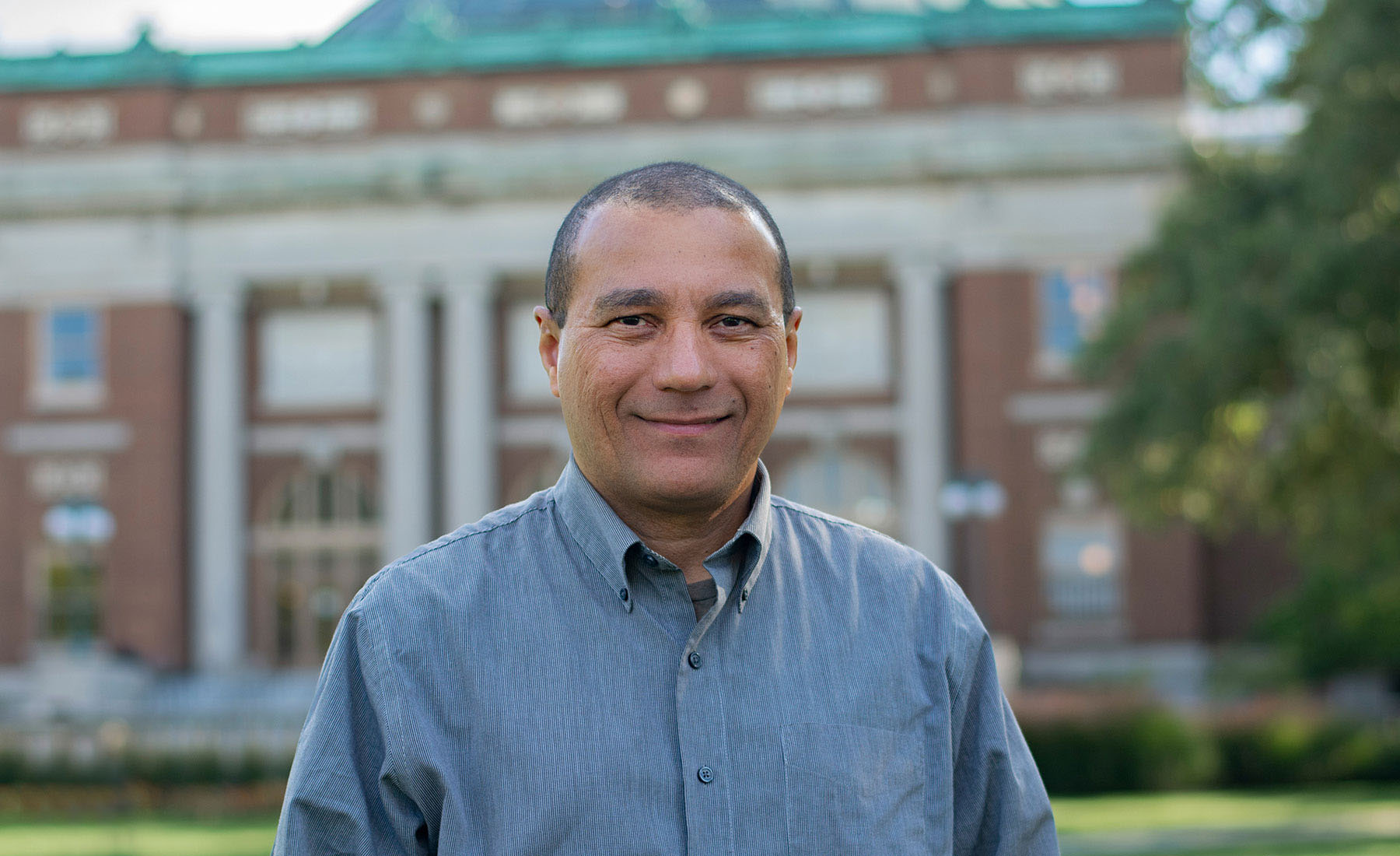
Norman Denzin

Norman Denzin, research professor emeritus of communications at the Institute of Communications Research, professor emeritus of media and cinema studies, and professor emeritus of sociology and humanities at the University of Illinois, passed away on August 6 at the age of 82.

Denzin was one of the world’s foremost authorities on qualitative research and cultural criticism, and a renowned figure in symbolic interactionist theory. 

A writer, scholar, teacher, and visionary, Denzin was also a mentor to many generations of students, faculty, and staff at the College of Media, especially within ICR. 

Professor CL Cole, the head of the Department of Media & Cinema Studies, co-authored a special issue on Denzin for the Journal of Sport and Social Issues in 2006 with Robert E. Rinehart, one of Denzin’s former students at UIUC. 

In it they wrote: “It is impossible to list all of his contributions or to fully express how his work has positively affected countless others. It is impossible to detail how his prolific writing, his creative vision and fresh ways of thinking have created a sea-change in those who have encountered them, struggled with them, incorporated them. It is also impossible to recount how his charming, easy-going affability, and generosity of spirit have lent themselves to mentees, friends, colleagues, students.”

Denzin was affiliated with several units on campus, including the Department of Sociology, Center for Global Studies, and Women and Gender in Global Perspectives.

He began in the sociology department in the early 1980s and joined ICR a decade later. He was also active in the Unit for Criticism and Interpretive Theory. In 2005, he founded the annual International Congress of Qualitative Inquiry conference, hosted by the International Center for Qualitative Inquiry, from which a series of journals were produced. 

Denzin was the author, co-author, or co-editor of more than 50 books and 200 professional articles and chapters and was still actively authoring and co-authoring papers as recently as last year.

He was awarded the prestigious Charles H. Cooley Award for his book, The Alcoholic Self, and the George Herbert Mead Award for lifetime contributions to the study of human interaction, both from the Society for the Study of Symbolic Interaction. 

Learn more about Denzin’s accomplishments.

A tribute wall for Denzin has been created by Renner-Wikoff Chapel & Crematory.

Investigative journalist and Media alum Tim Schwab to publish first book

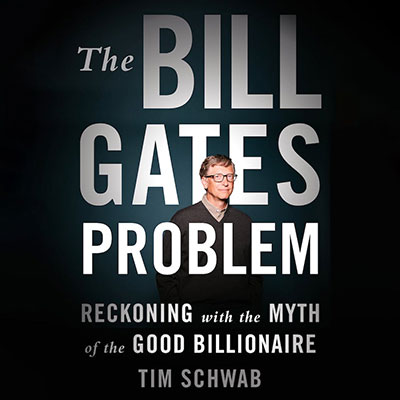
Tim Schwab (MS ’06, journalism), an investigative journalist based in Washington D.C., has written The Bill Gates Problem: Reckoning with the Myth of the Good Billionaire, which will be published in November by Henry Holt (Macmillan). 

Schwab’s book investigates Bill Gates and the Gates Foundation, “showing how he uses philanthropy to exercise enormous political power without accountability.”

The book has foreign rights/translation deals to be sold in more than a dozen different markets, allowing it to reach readers in the UK, Germany, South Africa, India, China, and beyond.

Schwab was previously honored with an Izzy Award and a Deadline Club Award for his groundbreaking reporting on the Gates Foundation for The Nation, Columbia Journalism Review, and The British Medical Journal. 

Schwab book

Advertising alum Georgia Schreiner wins Media Planner of the Year award

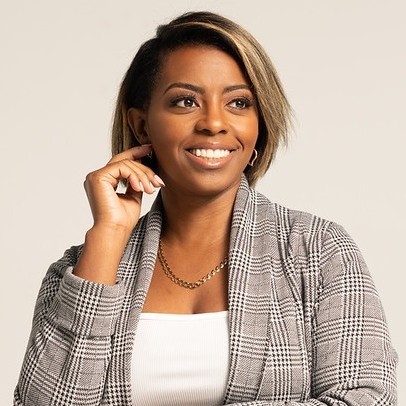
Georgia Schreiner (BS ’10, advertising) won the Media Planner of the Year at Ad Age’s Small Agency Awards.

Just one person was chosen for the media planner award, which recognizes candidates who have demonstrated a flair for bringing innovation to media planning, leveraged the vast media offerings in unexpected ways to successfully communicate a brand’s message, and delivered an engaging brand experience in new ways. Entrants were required to show how they made a direct impact on a specific campaign, brand, or product launch.

Schreiner also accepted the Gold Media Agency of the Year award on behalf of Exverus Media, the California ad agency where Schreiner works as associate media director. 

The Ad Age Small Agency Awards honor small, independent agencies that are performing well in three important areas: creating amazing and effective work for clients, building a financially healthy business, and cultivating a diverse and rewarding environment for employees.

See the Ad Age article here.

Georgia Schreiner


Alum Rick Sallinger inducted into National Academy of Television Arts and Sciences Silver Circle

Rick Sallinger (BS ’71, MS ’72, advertising) was inducted into the Heartland Chapter of the National Academy of Television Arts and Sciences Silver Circle.

The Silver Circle honors media professionals who have contributed 25 years or more to the television industry, and who also have made a meaningful and significant contribution to broadcasting and/or new media. 

Sallinger, who worked at WPGU from 1967-71 as an announcer, music and program director. He was inducted into the Illini Media Hall of Fame in 2022.

After working as a radio reporter in Cleveland and Chicago, Sallinger moved on to television news working at stations in Indianapolis, Denver, and Chicago.

In 1990, Sallinger became a foreign war correspondent for CNN based in London covering events like the Gulf War, the war in Yugoslavia, and the reunification of Germany.

He settled in Colorado, joining KCNC-TV, a CBS affiliate in Denver, in 1993 where he continues to work today. (Update: He retired in December 2023.) 

Sallinger has covered nearly every major Colorado story in recent years including the Columbine High School shootings, the Oklahoma City bombing trials, and the murder of JonBenet Ramsey. In 2005, Sallinger won the George Foster Peabody Award for a series he did on Army recruiting.

This video from CBS Denver highlights Sallinger’s career and recent honor:

<


Kissel leads global advertising company named Network of the Year at Cannes Lions Festival

Dave Kissel (BS ’85, journalism), global business lead at DDB, announced the worldwide advertising company was recognized as Network of the Year at the 2023 Cannes Lions International Festival of Creativity. 

The Cannes Lions International Festival of Creativity is held annually in Cannes, France. The global event celebrates creativity, effectiveness, and innovation and is considered the largest gathering of the advertising and creative communications industry.  

In addition to the Network of the Year award, DDB Worldwide won one Grand Prix in Film, one titanium, 12 gold, 25 silver, and 50 bronze trophies. 

Kissel has been the global business lead for McDonald’s, DDB’s biggest multi-national client, since 2017. Since Kissel began, DDB has won more marketing effectiveness awards for McDonald’s than any other creative agency. 

Kissel is a member of DDB Worldwide’s Executive Leadership Team and Omnicom’s Global Client Leaders team. He is also a member of the College of Media Alumni Leadership Council.

Dave Kissel

Sulkin reappointed as College of Media Dean


Tracy Sulkin

Tracy Sulkin, who has served as dean of the University of Illinois College of Media since 2018, has been reappointed for a five-year term, pending Board of Trustees approval.

The reappointment follows a review of Sulkin’s first term.

“The Dean’s Evaluation Committee was generous with its praise for her transparent and effective leadership, noting her consultative yet decisive approach to decision-making; her strategic approach to the budget, including the establishment of clear priorities and a commitment to effectively communicating the details of the campus budget model to faculty and staff; and her active promotion of diversity, equity, and inclusion in the college,” said Rosa Milagros Santos, acting executive vice provost for academic affairs at the Urbana campus.

“It is a great privilege to serve the College of Media community for another term as dean,” said Sulkin. “I am eager to work with our talented and dedicated faculty, staff, students, and alumni to build on the exciting momentum we have created together over the past five years. As we begin our planning for our centennial celebration in 2027, it is clear that there is a bright future ahead for the College of Media.”

The evaluation committee highlighted several key accomplishments under Sulkin’s leadership, including the elevation of the College of Media’s profile on campus, success in advancement—notably the biggest gift in College of Media history with the establishment of the Richard and Leslie Frank Center for Leadership and Innovation in Media, plus the Roger Ebert Center for Film Studies—and substantial upgrades to technology and infrastructure to support research, teaching, and learning.

“I am confident she will build upon this momentum and continue to advance the College of Media as a strong leader,” Santos added.

Sulkin joined the faculty at the University of Illinois in 2002, after earning her PhD in political science from the University of Washington. She formerly served as the College of Media’s interim executive associate dean and has held administrative positions in the Department of Political Science, including as associate head for undergraduate programs and director of graduate studies. She has been a fellow of the Big 10 Academic Alliance Academic Leadership Program and the University of Illinois President’s Executive Leadership Program. She is the recipient of multiple awards for excellence in teaching and is the author or coauthor of numerous articles and three books on legislative behavior, communication, and representation.

Journalism master’s student Herbert DaCosta awarded fellowship to help educate public about climate change


Herbert DaCosta

Herbert DaCosta, a graduate student in the journalism master’s degree program, was awarded the 2023-24 Thornton Tomasetti Foundation Technical Literacy Fellowship for his exceptional submittal to help the wider public understand and connect with climate change. DaCosta is a research development manager at the University of Illinois Office of Proposal Development. 

The fellowship offers up to $5,000 in funding for projects that further the public’s technical literacy on environmental issues and other topics. Submittals were reviewed by Jim Glanz, New York Times international investigative reporter; Richard L. Tomasetti, consultant and founding principal; and Elisabeth Malsch, managing principal of Thornton Tomasetti, Inc.

DaCosta said he plans to use the fellowship to carry out the research needed to write about climate change in a way that a broader audience can understand. 

“The fact that there is a significant percentage of the population who believes that climate change is a hoax means that we still have a large gap to reach when it comes to the academic community to reach [people’s] minds and hearts,” DaCosta said. “It is possible that although the academic community has sent out the message, it was not in a way in which the public could relate and understand. My goal is to give a small contribution to narrow that gap.”

“We’re extremely proud of Herbert for earning this fellowship where he can make an impact by improving how journalists communicate environmental issues to the public,” said Mira Sotirovic, associate professor and Karin and Folke Dovring Scholar in Propaganda, and head of the Department of Journalism. The Department of Journalism has prioritized the study of science and technology journalism, creating an online curriculum that begins Fall 2023.

In his current job, DaCosta supports the Illinois research community in the development of large and multidisciplinary grant proposals. The position, which he’s held since 2017, has been a great fit for DaCosta, who is a trained scientist with a passion for writing. 

After obtaining a PhD in chemistry with minors in physics and computer engineering from the University of Florida and a Doctor of Science in chemistry from the University of São Paulo, Brazil, DaCosta worked as an industrial research engineer. He developed novel catalytic converters to decrease regulated emissions from diesel engines and new technologies to capture carbon dioxide and to convert it into useful products. 

Realizing he liked writing more than research and development, DaCosta found a career in research development that allowed him to combine his science skills and his interest in writing.  

DaCosta plans to complete his master’s degree in journalism at Illinois next year. He said his goal is to be able to “write about science for the wider community and to become better at assisting the Illinois research community in the development of large grant proposals.” 

DaCosta feels it’s important to be able to communicate science and technology concepts clearly to educate others. 

“Learning is more effective when the new lessons learned are built on previous knowledge,” he said. “Also, learning is enabling, in many ways. The more one learns, the more one can learn.”

Advertising alum Jackson-Smith speaks at Cannes Lions Festival

Dani Jackson-Smith (BS ’06, advertising), founder of the Cre8tors, a creative management agency rooted in culture and social impact, participated in a panel discussion, “REAL TALK: Pushing Creativity Outside Your Lane,” at the Cannes Lions International Festival of Creativity held on June 23 in Nice, France. The annual festival is home to the world’s most prestigious advertising awards. 

Jackson-Smith, a member of the Charles H. Sandage Department of Advertising’s James Webb Young Advisory Board and a 2021 recipient of ADCOLOR’s “Rockstar” Award, established the Cre8tors in 2019 with a mission to create experiences that unite, transform, and drive change in communities across the globe. The Cannes appearance follows two other Cre8tor launch events in Chicago and New York in June. Learn more.

Dani Jackson-Smith

College of Media
119 Gregory Hall
810 S. Wright St.
Urbana, IL 61801
217-333-2350