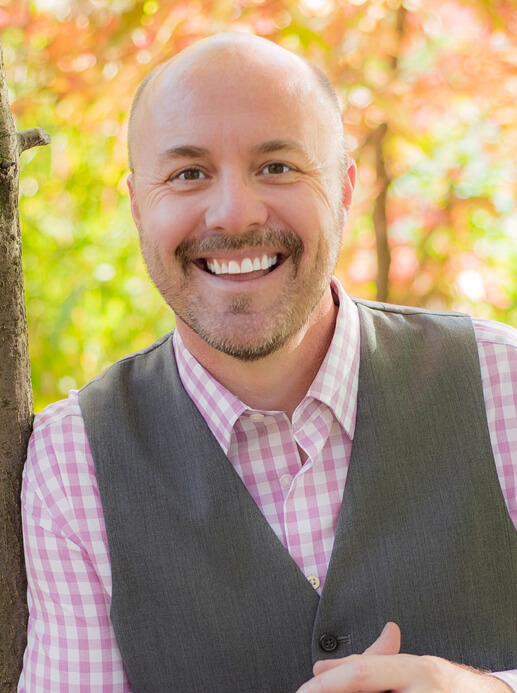
Kevin Finke (BS ’92, advertising) received a University of Illinois Alumni Association Comeback Award, given to prominent and accomplished alumni who are invited to participate in various activities during Homecoming Weekend, with a focus on providing opportunities for honorees to interact with current students, and sharing information about their professional experiences and the value of their University of Illinois education.
Finke is founder and chief experience officer of Experience Willow, a human-centered design and consulting firm in Decatur, Georgia. At Illinois, he was an athlete in volleyball; a student leader in the Student Alumni Association (as well as Alpha Tau Omega and Mortar Board); and Homecoming king. Finke is an in-demand speaker and conference facilitator, and he is proud to be an active member of the LGBTQ community, where he advocates for equitable and inclusive business environments. He and his husband Rob Stalder live and work together in Decatur, Georgia.
Finke (pictured below, fifth from left) met with seniors in Media during the Student Leader Lunch and was part of a panel discussion with other alumni award winners.
College of Media attendees at the Student Leader Lunch included Katie Clark, senior assistant dean for student services; Makayla Wilson, media and cinema studies; Olivia Rice, media and cinema studies; Nate Walinder, advertising; Kevin Finke (BS ’92, advertising); Aniruddha Pai, computer science + advertising; Ryan Leshock, advertising; and Nicole Wozny, advertising.
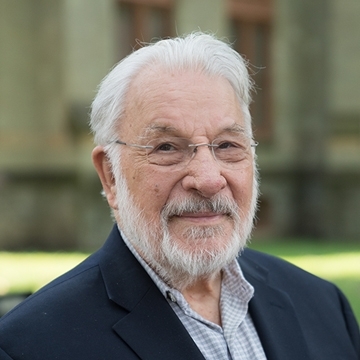
Institute of Communications Research alumnus Klaus Krippendorff (PhD ’67), one of the most prominent researchers and scholars in the field of communications, passed away in early October at the age of 90. Krippendorff was an emeritus professor of communication who had taught at the University of Pennsylvania Annenberg School for Communication for 55 years. One of his many contributions to the field is the Intercoder Reliability Method that is named after him (Krippendorff’s Alpha Reliability). This method is widely used in the field of communications and social science of quantitative content analysis and allows researchers to verify the accuracy of the reliability between coders. He also developed Krippendorff’s Quadrilogy, a software that computes four reliability coefficients from numerous binary coded units of analysis. He was also a past president of the International Communication Association. He authored many books, including The Reliability of Generating Data (2022), Content Analysis: An Introduction to Its Methodology (2019), On Communicating: Otherness, Meaning, and Information (2009), and more.
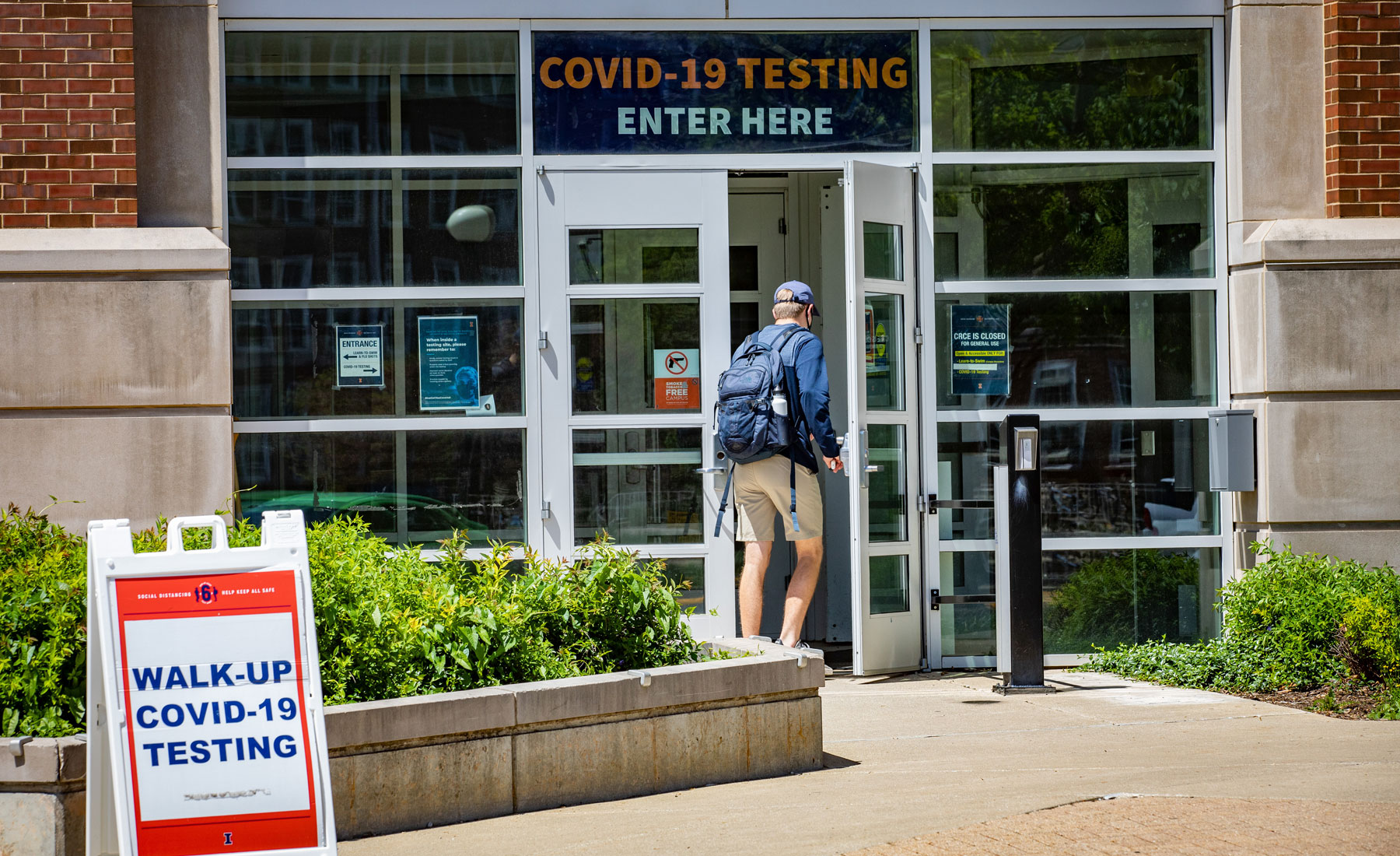
Three College of Media faculty have received a $25,000 research grant from SHIELD Illinois for a project that will examine public attitudes, news framing, and online engagement about SHIELD COVID-19 testing. The analyses will help inform best practices and strategies for future campaigns addressing public health crises.
SHIELD is the University of Illinois System’s statewide saliva-based COVID-19 testing program that began in Fall 2020. More than 1,700 K-12 schools, community colleges, universities, and other organizations make up the program’s client base.
The MUSE research group.
The faculty members conducting the research are Ewa Maslowska, assistant professor of advertising; Margaret Ng, assistant professor of journalism; and Harsh Taneja, associate professor of new and emerging media in the Charles H. Sandage Department of Advertising. Last spring, they formed a research group called MUSE to study media users and consumers through interdisciplinary methods. The SHIELD research is the group’s first funded project.
Maslowska, Taneja, and Ng broadly research media usage: Maslowska specializes in marketing communication and consumer behavior. Taneja focuses on how and why people consume media. Ng studies how data from social media platforms can be used to explore an event or issue in a different way.
The group will investigate social media discourse, news coverage, and other data to understand how the public responded to SHIELD’s communications. Their findings will be published in academic articles, compiled into a report for the general public, and posted on an interactive online dashboard in summer 2023. SHIELD plans to use the findings to further benefit the state of Illinois.
In initial observations, Taneja said that COVID-19 is different from past public health crises because of the influence of social media.
In terms of physical transmission, “COVID -19 is perhaps similar to several other bugs in the past in how far and fast it can spread,” he said. “And then you add social media, which is available to both increase the scale and the speed of transmission of information about it.”
In a state as diverse as Illinois, geographic differences also must be considered when analyzing public perceptions of COVID-19.
“We are very mindful of the fact that attitudes towards COVID, in general, downstate, tend to be very different from attitudes towards COVID, than, let’s say, in Chicago,” Taneja added.
Even though vaccine hesitancy has existed before COVID-19, Ng said that this pandemic was the first time every citizen needed to make a personal decision about vaccination in a relatively short period of time. While social media has become the main source of information, misinformation about vaccination is also widespread.
“With minimal restrictions on post content, misinformation easily becomes widespread on social media,” Ng said. “That’s why a study on the SHIELD health campaign will reveal the opportunities and challenges the effort encountered in the past two years.”
The last few years have given media scholars like Ng and her colleagues new research opportunities. The pandemic and other public health crises shouldn’t just be understood from a biological perspective, she argues.
“It really depends on the communication side—communication scholars have a very unique position to help make sure that society as a whole can get that benefit from vaccination,” Ng said. “And I’m very glad that we got the funding so that our media expertise can benefit the whole state at both a societal level and at an individual level.”
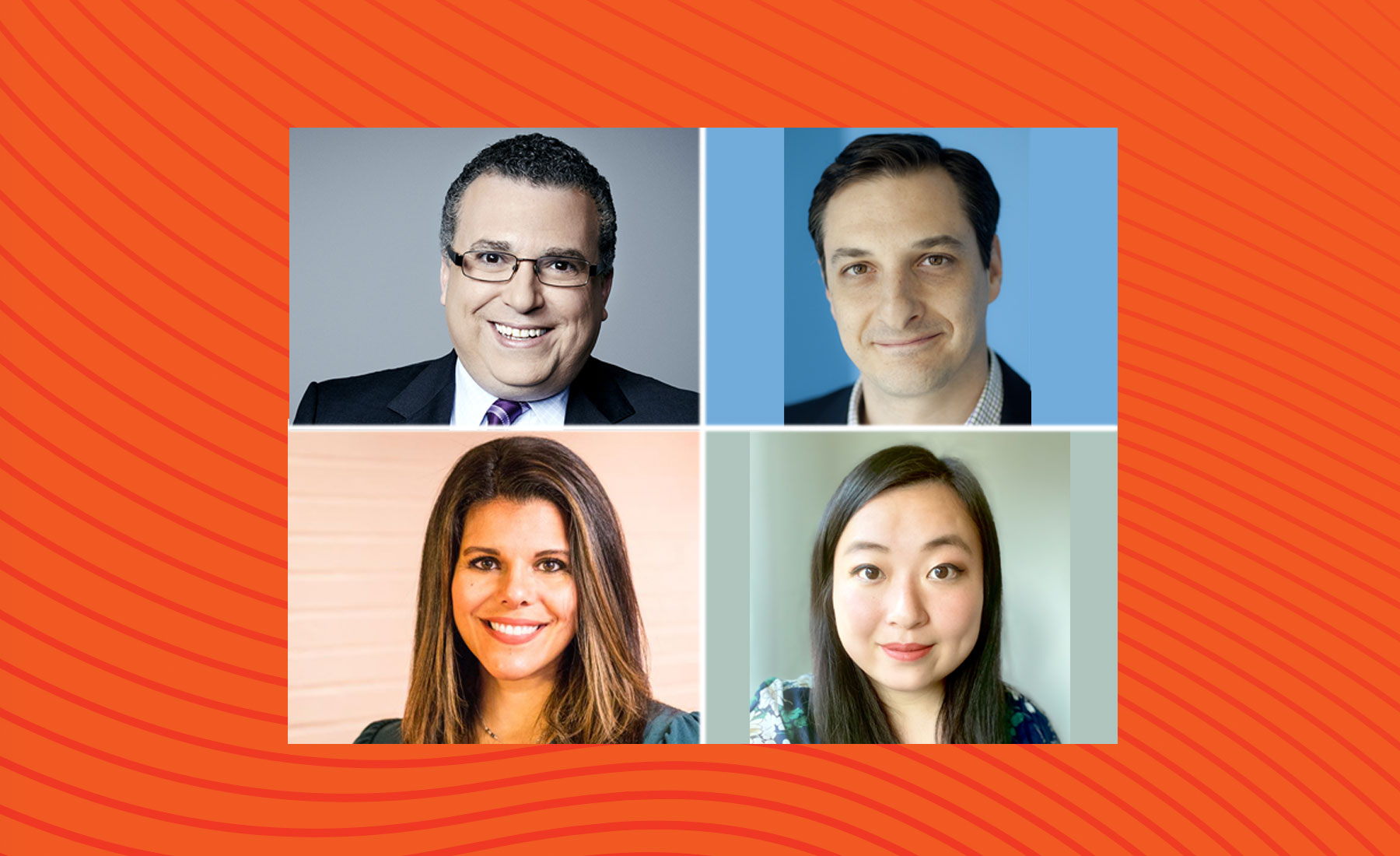
The Richard and Leslie Frank Center for Leadership and Innovation in Media at the University of Illinois Urbana-Champaign will host four of the country’s top political journalists—David Chalian from CNN, Domenico Montanaro from NPR, Vivian Salama from the Wall Street Journal, and Alice Yin from the Chicago Tribune—for a panel discussion on what it’s like to cover politics and elections in 2022.
Titled “Reporting on Politics and Elections in 2022,” the panel will be held Thursday, Oct. 13, from 6-7 p.m., in the Knight Auditorium of Spurlock Museum, 600 S. Gregory, Urbana.
Vivian Salama, Wall Street Journal National Security Reporter
Alice Yin, Chicago Tribune City Hall Reporter
Moderator: Colleen King, Frank Center for Leadership and Innovation in Media Director and Clinical Assistant Professor of Journalism
The panelists will weigh in on the upcoming midterm elections and potential national outcomes, from the fate of President Joe Biden to the control of Congress, and more. Audience questions will be welcomed toward the end of the hour or may be submitted through the Zoom registration form.
David Chalian is CNN’s vice president of political coverage and political director. In his role, Chalian oversees CNN’s daily political coverage across all platforms, the polling and decision desk operations, and helps guide the editorial content for the network’s special event political programming.
Domenico Montanaro is NPR’s senior political editor/correspondent. Based in Washington, D.C., his work appears on air and online delivering analysis of the political climate in Washington and campaigns.
Vivian Salama covers national security for the Wall Street Journal, based in Washington. She has covered U.S. foreign policy and national security issues for nearly two decades, reporting from more than 75 countries. Most recently, she has reported extensively from Ukraine.
Alice Yin is a reporter for the Chicago Tribune’s metro desk, responsible for covering the ins and outs of Cook County government and the Obama Presidential Center.
For more information, please contact Colleen King, director of the Frank Center for Leadership and Innovation in Media and clinical assistant professor of journalism, at cck@illinois.edu.
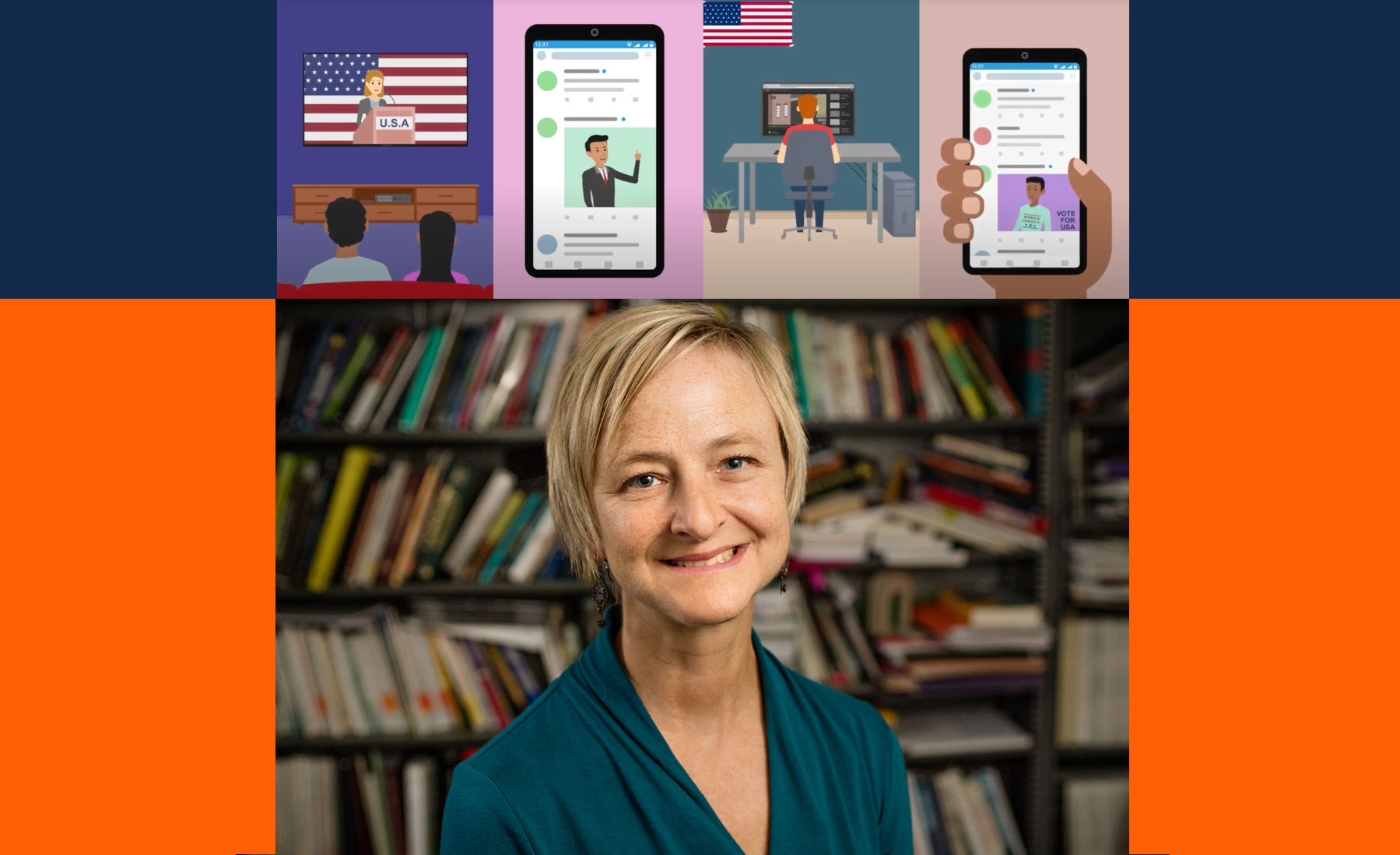
It can be challenging to distinguish between a paid political ad and one that is not in today’s media environment, especially on social media. News Bureau editor Lois Yoksoulian spoke with advertising professor Michelle Nelson about the topic. New research from Nelson and her colleagues found that most adults—even those who are politically engaged and educated—do not fully understand online targeting, sources and funding for political ads, or the unique regulatory environment for political speech that is different from commercial speech.
Professor Michelle Nelson (Photo by L. Brian Stauffer)
Are political ads regulated, and how do they differ from commercial ads?
Political ads are a form of political speech, which is given more protection than commercial speech under the First Amendment, with the idea that the free flow of political information is essential for the functioning of a democracy. Commercial speech, which includes advertising for products and services, has been defined as speech that merely proposes a commercial transaction.
Only commercial speech is regulated by the Federal Trade Commission, motivated by the governmental interest of providing true and nonmisleading information to consumers. Not all commercial speech is advertising, and not all advertising is commercial speech. An ad for a McDonald’s burger is commercial speech, subject to the FTC rules regarding false and misleading information. An ad for a candidate is political speech, not subject to the FTC rules or any content-based guidelines.
However, the Supreme Court has said that time, place and manner restrictions can apply to political ads. For example, laws that require funding disclosure don’t compromise the content of the speech because they provide citizens with information regarding the message’s source. So, there is some regulation for political ads regarding source disclosure.
Is this level of regulation adequate?
No, especially on social media. For example, the “Stand By Your Ad” provision of the 2002 Bipartisan Campaign Reform Act, which requires anyone running for federal office to include the “I approve this message” as part of their ads, only applies to TV and radio, not to social media.
What this means for U.S. voters is that they may not be able to know the true source of the political message. It’s like the Federal Election Commission hasn’t caught up to what’s happening in the media environment. Increasingly, people are getting their political ads and information online. I believe that people have the right to know the source of messages so they can best evaluate the message.
False ads can be challenged through defamation and libel, but those processes take time. The challenge must be filed by the parties who feel wronged, and they probably will not be resolved before that campaign period is long over. So, these measures probably are not strong deterrents.
Any regulations about the message content may be seen as ”chilling” political speech. I’m not sure we want the government to censor ads’ content.
How can citizens determine who is behind a political ad if it is unclear?
As political speech, political advertising is regulated by the FEC. There are clear rules for source disclaimers such as who paid for it, whether it was endorsed by the candidate—on radio, newspaper, TV, outdoor and “communications placed for a fee on another person’s website”—but none exist for social media.
Ironically, some of the big tech companies are offering transparency. You can find out some information. For example, Meta offers an ad library, so you can see which organizations are spending money on the platform and how many ads were run, etc., and from there, you could click on the organization’s website. Google now has a verification process and offers transparency on who’s running ads online, and the FEC offers information about super PACS. People could visit OpenSecrets.org to find out more information about super PACS, as well.
However, that’s a lot of work. Most people probably do not have the time for this intensive search. It would be better, in my opinion, if there were clear, consistent and conspicuous guidelines for source disclosure in digital media, where people could see the organization and link to the organization’s website and donors.
What are some of the differences between political ads that we might see on television versus those we might encounter on social media?
First, it’s pretty easy to recognize a TV or radio ad. However, it’s not always so easy in social media. The FTC requires that paid advertisements or influencers include a “clear and conspicuous” disclosure—but not all ads have that disclosure, or it’s not so clear and conspicuous.
Second, you may not encounter political ads on all of your social media. In October 2019, Twitter announced it would stop accepting paid political advertising. This change was a significant move for a technology company whose revenue relied partly on political advertising. The action set off a series of decisions from other social media companies to regulate paid political advertising. While some companies also banned paid political advertising or instilled fact-checking, some platforms remained open for paid political advertising. YouTube announced it would do some limited fact-checking but would not allow microtargeting of ads.
I doubt there will be any governmental restrictions on political advertising on social media, but, interestingly, more than half of American surveyed in a Pew Research Center poll believed that social media shouldn’t allow political ads.
Third, some research suggests that a more diverse set of candidates advertise on Facebook, and the content of the messages may be less negative, less issue-focused and more partisan than TV commercials. This probably means that social media advertising is more targeted—probably to those who already agree with the messages. So we aren’t seeing a broad array of messages in our social media feed—we see those that we already know or with which we agree. The messages may be more like reminder messages or nudges to vote than informational content.
What steps can citizens take to increase their political advertising literacy in preparation for the current midterm and upcoming 2024 presidential election cycles?
Everyone could learn more about political advertising regulations and sources. Our research group made the brief video (see below) to help all voters understand some of the key issues. We also have a website with more information, tips and even a quiz where you can check out your knowledge.
Also, the Annenberg Public Policy Center runs a fact check website where you can get all kinds of information on ads and check out if an ad is false or misleading from across the political spectrum.
And know that even though most political ads are probably providing some good information, we should all carefully scrutinize the information and check a variety of sources before entering the voting booth.
Editor’s note: To reach Michelle Nelson, call 217-344-5068; email nelsonmr@illinois.edu.
Eight projects led by College of Media faculty and staff have been selected to receive funding as part of the Mark L. Brandt Public Engagement Fellows program, established this year to provide undergraduate Media students with professional experience in public engagement activities. It also provides opportunities for students to participate in programs that support first-generation college students, students from underrepresented groups, and/or students with significant financial need.
“We are delighted to be honoring Mark Brandt’s legacy through opportunities for our students to work with College of Media faculty and staff on projects that make a difference in our community, our state, and the nation,” said Dean Tracy Sulkin.
Brandt was a 1986 alumnus of Illinois who retired early from a career in finance at General Electric. After his death in 2021, the College of Media received an estate gift of just over $1 million to create the Brandt Public Engagement Fellows program. The trustee of his estate, Mary Leyendecker, chose to ensure that his legacy makes a positive impact on students and society. The funds will provide internships for up to 40 Media students annually, with opportunities announced in both fall and spring semesters.
Below is a list of the projects, activities, and programs that received funding for Brandt Public Engagement Fellows for Fall 2022. College of Media undergraduate students who wish to apply for these opportunities should check their email inbox for the October 3 Advising Newsletter for more details.
Mis/Disinformation in Asian and Asian American Communities Research Project Led by Rachel Kuo, Assistant Professor of Media & Cinema Studies The Brandt Fellow will support research on a project that studies the historical and political contexts of mis/disinformation in Asian and Asian American communities through the use of community education workshops, oral histories, and focus groups. Working closely with the PI, the Brandt Fellow will support data collection and analysis; facilitate community research workshops and skills-trainings; and co-write and produce resource guides on Asian and Asian American history and ethnic media; and meet different community partners.
Roger Ebert Center for Film Studies Led by Julie Turnock, Associate Professor of Media & Cinema Studies This academic year (2022-2023) is the inaugural year of the Roger Ebert Center for Film Studies. The Brandt Fellow will primarily use their skills in web design, graphic design, and public relations, to build and update a public-facing website for the Ebert Center, and work with the College of Media’s Director of Communications to publicize Ebert Center events via social media. They will also play a key role to help make the activities of the Ebert Center available to the local community.
SHIELD Illinois Research Project Led by: Ewa Maslowska, Assistant Professor of Advertising Margaret Ng, Assistant Professor of Journalism Harsh Taneja, Associate Professor of Advertising The Brandt Fellows will help with a project with SHIELD Illinois—the community COVID-19 saliva-based testing program of the State of Illinois. Our project aims to understand public attitudes, news framing, and diffusion networks related to SHIELD COVID-19 testing through social media discourse and news coverage. The Brandt Fellows will take part in the process of data gathering and analysis and develop visualizations.
IMEDIA Led by: Amanda Ciafone, Associate Professor of Media & Cinema Studies, Director of Graduate Studies for the Institute of Communications Research CL Cole, Department Head, Professor of Media & Cinema Studies Stephanie Craft, Associate Dean for Academic Affairs, Professor of Journalism Michelle Nelson, Professor of Advertising The Brandt Fellow will help develop the digital communications strategy of the Initiative for Media Education Inquiry and Action. IMEDIA is a collaboration between the College of Media and the College of Education to help fill high school teachers’ needs for media literacy training and curriculum development in light of new Illinois State mandates requiring a unit of “media literacy” in all public Illinois high schools.
New Voices Internship Program Led by Daniel Almanza, Assistant Director of Media Career Services The New Voices Internship Program provides first-generation college students with support and opportunities to grow their resume as soon as they join the College of Media. Students in the program are given opportunities for professional development through workshop-style meetings with the Assistant Director of Career Services, as well as other members of the campus community. In addition to interviews, students will participate in projects based on their interests, as they align with the content needs of the College of Media.
Brand Hub Led by Susan Muirhead, Visiting Associate Director, Hub for Brand Innovation and Advertising Technology The Brandt Fellow will work with the Brand Hub on further development of their community and outreach efforts primarily through the development of Fall and Spring Brand Hub Marketing Fairs, in partnership with the Champaign Public Library. This includes support with program development, event marketing materials, and with the recruitment of student volunteers at these events. They will also be instrumental in the implementation of a pipeline system for nonprofits to work with the Brand Hub and courses in the Charles H. Sandage Department of Advertising. The Brandt Fellow will also assist, where possible, with the development of the second year of the Impact Marketing and Fundraising Fellowship program, which is set to launch in early June 2023.
Illinois Community Media Project Led by Angela Aguayo, Associate Professor of Media & Cinema Studies The Illinois Community Media Project is a grant-funded project to bring media production, curation, and documentation to underserved communities. We begin with building connections with local service organizations and through collaborative identification of social problems, design a media production outreach program. Our Illinois Community Media team works hands-on with students to connect classroom knowledge with the community. The Brandt Fellows will assist in planning public-facing speaker visits, organizing, and assisting with community-based projects, creating documentation content of events, and building website and social media presence for the organization.
News, Brews & Beatz Led by Moss Bresnahan, Executive Director of Illinois Public Media Illinois Public Media produces a quarterly series called News, Brews & Beatz—a space for diverse voices to engage in breakthrough conversations on community issues and realistic solutions. Each quarter, News, Brews & Beatz focuses on a different topic in a way that elevates Black voices and shares what individuals and nonprofit groups are doing to build community. The Brandt Fellow will assist with this multiplatform initiative, which includes content airing on TV, radio, and social media. They will also create short videos for TikTok and other social media as part of the News, Brews & Beatz initiative.
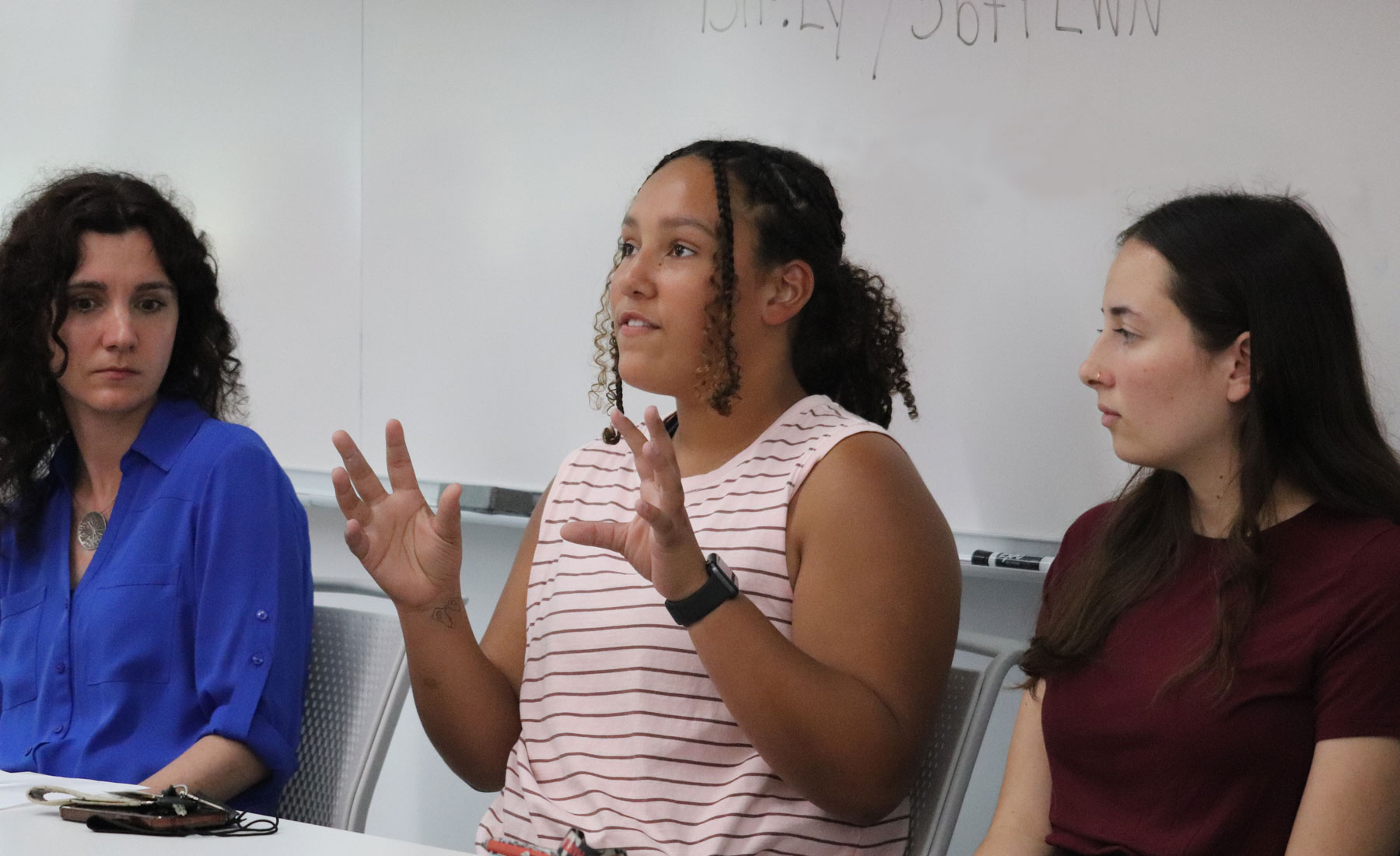
Pictured at top: Media alumna Dora Valkanova (PhD ’20, ICR), Urbana High School student Halie Thompson, and sophomore in journalism Ashley Gilbert discussed ways in which students were audiences and creators of social media content at an IMEDIA media literacy workshop this summer for public school educators. IMEDIA is one of the funding recipients in the Mark L. Brandt Public Engagement Fellows program.
September 20, 2022 | Faith Lee, Communications Intern
Following a Fall 2020 doctoral seminar on intersectional Latina feminist media issues at the Institute of Communications Research, Angharad Valdivia, a research professor who is also a professor of Latina and Latino studies, and her students were inspired to create a museum exhibit on quinceañeras. The team of Valdivia, ICR doctoral students Ariana Cano and Stephanie Pérez, and ICR alumna Dora Valkanova (PhD ’20) developed “Quinceañeras: Celebration, Joy, and Ethnic Pride.”
The new exhibit at Spurlock Museum opens on Saturday, Sept. 24, and runs through Sunday, Dec. 4.
The group drew inspiration from Quinceañera Style: Social Belonging and Latinx Consumer Identities, a book by Rachel Valentina Gonzalez, but amongst their studies surrounding “quinces,” which included extensive research on matters of labor and consumerism, they noticed one thing was missing: joy.
“I feel like I’ve really tried to bring some realities about what a quince is. Sometimes it’s not always joyful,” Cano said. “[We wanted to show] the process it takes to get to the quinceañera.”
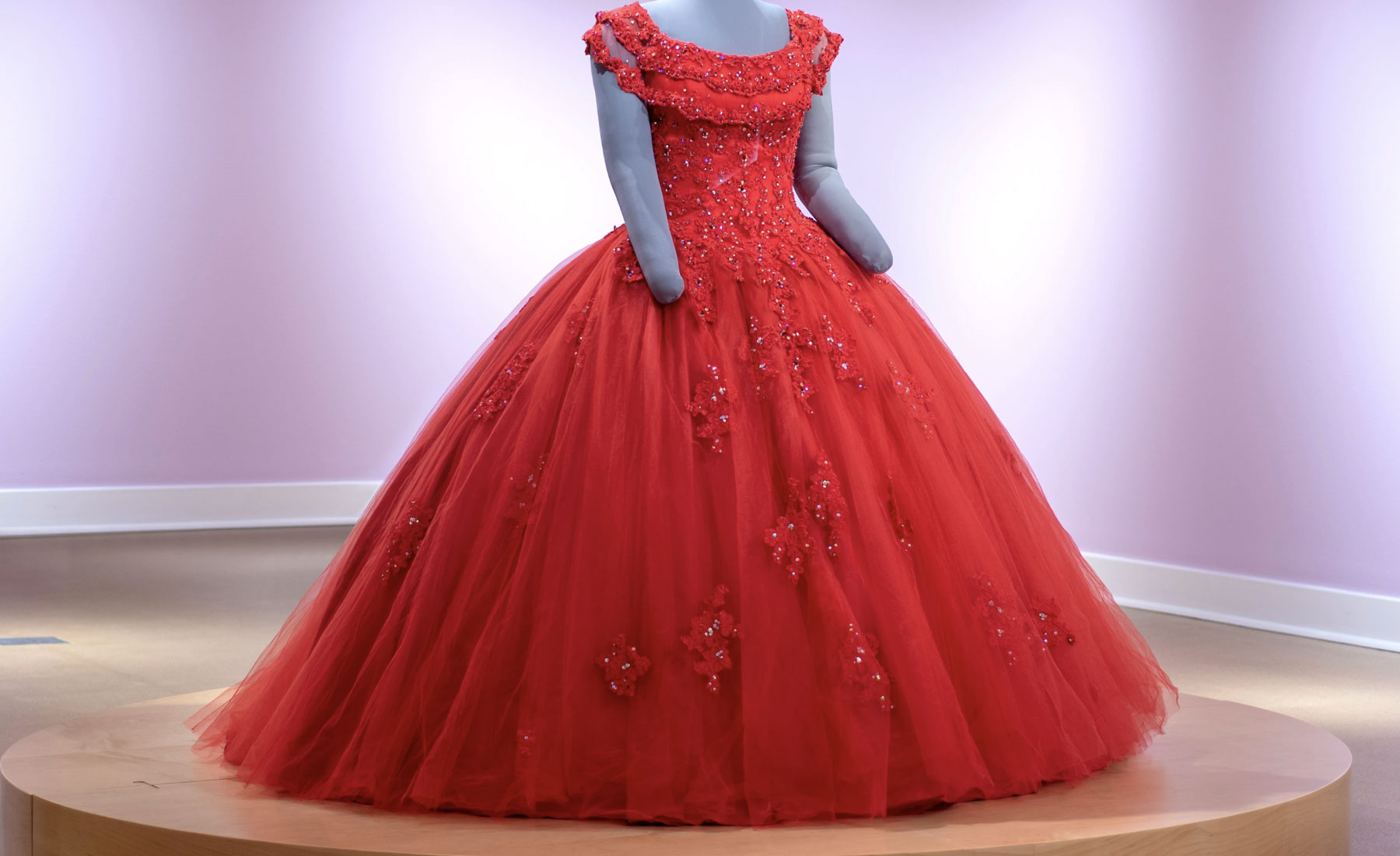
The exhibit will focus on the joy of the traditional celebrations that mainstream media oftentimes does not capture and will contextualize popular culture representations of this important coming-of-age event for Latinx/es and Latin Americans. Video reels, original dresses, photographs, and decorations will be featured in the exhibit to provide visitors with the experience and feel of an actual quinceañera.
“Consumerism of Latinidad is always tied to stereotypical things. When you really dig deep into what a quinceañera is, it’s symbolic sometimes, it’s a process other times. To some people, it’s an actual event and to some, it’s about the quinceañera herself,” Cano said.
Their own experiences with quinceañeras also fueled the project. Both Cano and Pérez had their own quinceañeras to celebrate their 15th birthdays. Cano took up choreographing for quinceañeras and has choreographed more than 30 dances.
Since Summer 2021, the group has been collecting, approving, and installing artifacts in the exhibit.
“In the museum itself, I think we have it set up like the quinceañera process. Honestly, before the quinceañera day, there are at least six months prior to that where all of it is prepping for the quinceañera day,” Cano said.
The ICR-based team who created the quinceañeras exhibit at Spurlock Museum includes (top row) Angharad Valdivia, a research professor who is also a professor of Latina and Latino studies; ICR doctoral student Ariana Cano; (bottom row) ICR doctoral student Stephanie Pérez; and ICR alumna Dora Valkanova (PhD ’20).
Cano and Pérez also developed a zine, a self-published form of a magazine, and Cano produced a website as ways to engage with visitors beyond the exhibit. Valkanova produced two videos that can be viewed at the exhibit: one is a compilation of quinceañeras on mainstream media and the other features actual quinceañeras.
“It’s a project about joy. One of my favorite things as a professor and as a scholar is mentoring my doctoral students,” Valdivia said. “It has been a joy because I can see the future of my field. I can see the next generation of professors and it makes me very happy to see their energy, creativity, and commitment to social justice.”
The exhibit has also united the Latinx community in Champaign-Urbana as it features photos and artifacts from community members, including a donated dress.
“It celebrates a local community. We have a lot of artifacts and photographs from Champaign-Urbana,” Valdivia said. “The Spurlock Museum is very interested in connecting with the local community. Not just for the University, but to make its exhibit appeal to a broad range within the area.”
They also hope the exhibit appeals to a broad range of students.
“It’s important to see the representation of different [styles] of quinceañeras and an understanding of what it is other than surface level,” Cano said. “I hope that people get a better, deeper understanding of what a quinceañera is.”
The exhibit opens on Saturday, Sept. 24, 4–6 p.m., and will feature remarks by Michael DeAnda, College of Computing and Digital Media, DePaul University, and Rachel Gonzalez-Martin, Department of Mexican American & Latina/o Studies, University of Texas at Austin.
Melissa Wagner (BS ’18, journalism), a public relations senior at Zebra Technologies, was recently recognized as a “Rising Star” in PRNEWS’ Top Women Awards program.
Some of her accomplishments at Zebra include launching the company’s first-ever Global Week of Service during the pandemic, which engaged nearly 150 employees who volunteered more than 1,000 hours in 11 countries with 45 organizations. Her contributions have also helped secure Zebra’s #25 spot on Newsweek’s inaugural list of America’s Most Loved Workplaces and #79 position on Forbes’ list of America’s 500 Best Midsize Employers.
After 43 years as a journalist, Bill Hill (BS ’75, journalism) teaches sports reporting to graduate students at Arizona State University’s Walter Cronkite School of Journalism and Mass Communication. He previously served as assistant managing editor at MLB.com, directing coverage of 10 West division teams and coordinating MLB’s internship program.
Congratulations to all of the College of Media faculty and teaching assistants who were ranked as excellent by their students!
This list is based on Instructor and Course Evaluation System (ICES) questionnaire forms completed by students during the Spring 2022 semester. Only those instructors who distributed ICES forms at least once during this time period and who released their data for publication are included in the list. View the complete list.
Note: * denotes that the instructor ratings were outstanding.















 Congratulations to all of the College of Media faculty and teaching assistants who were ranked as excellent by their students!