Geography, language dictate social media and popular website usage, study finds


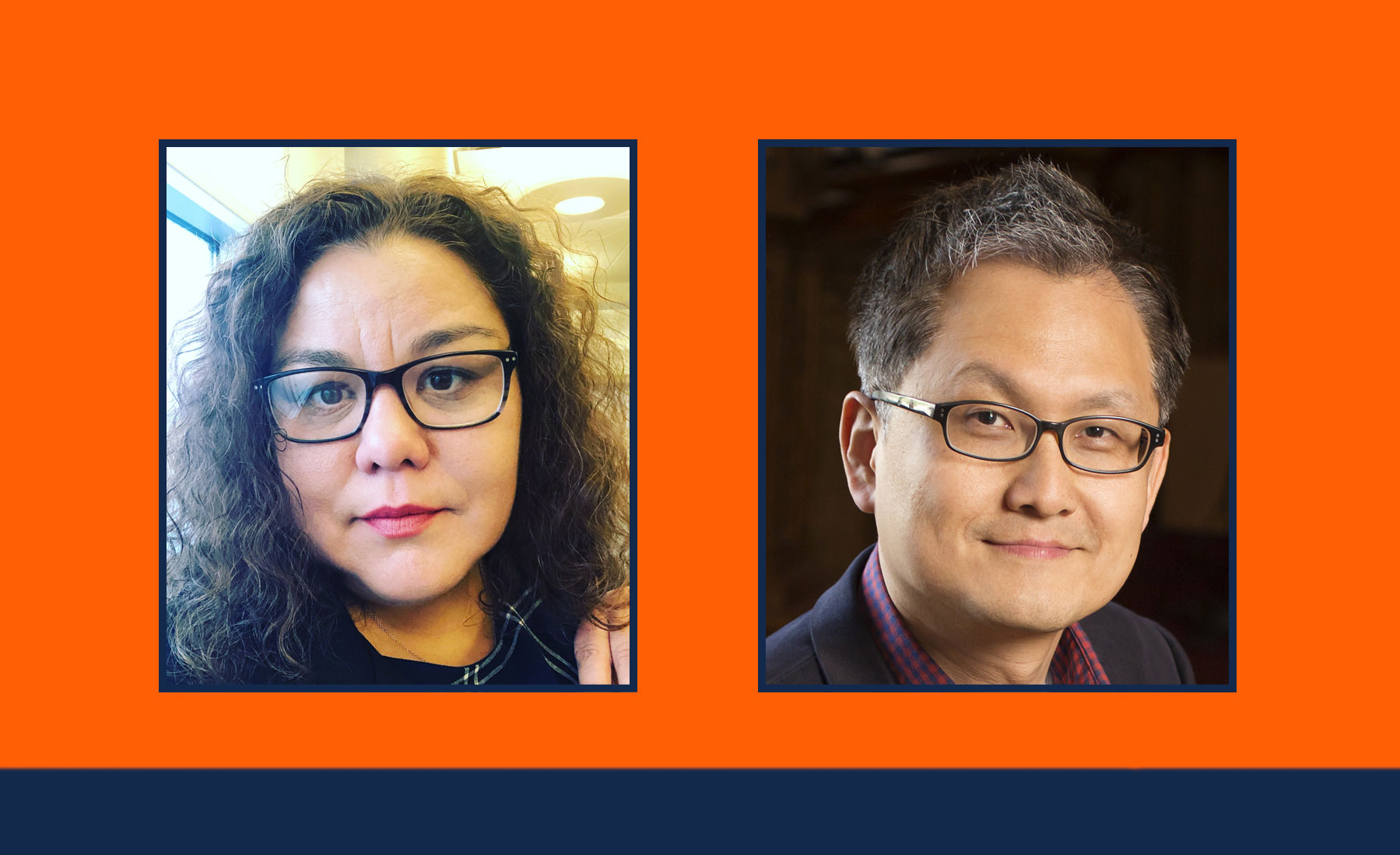
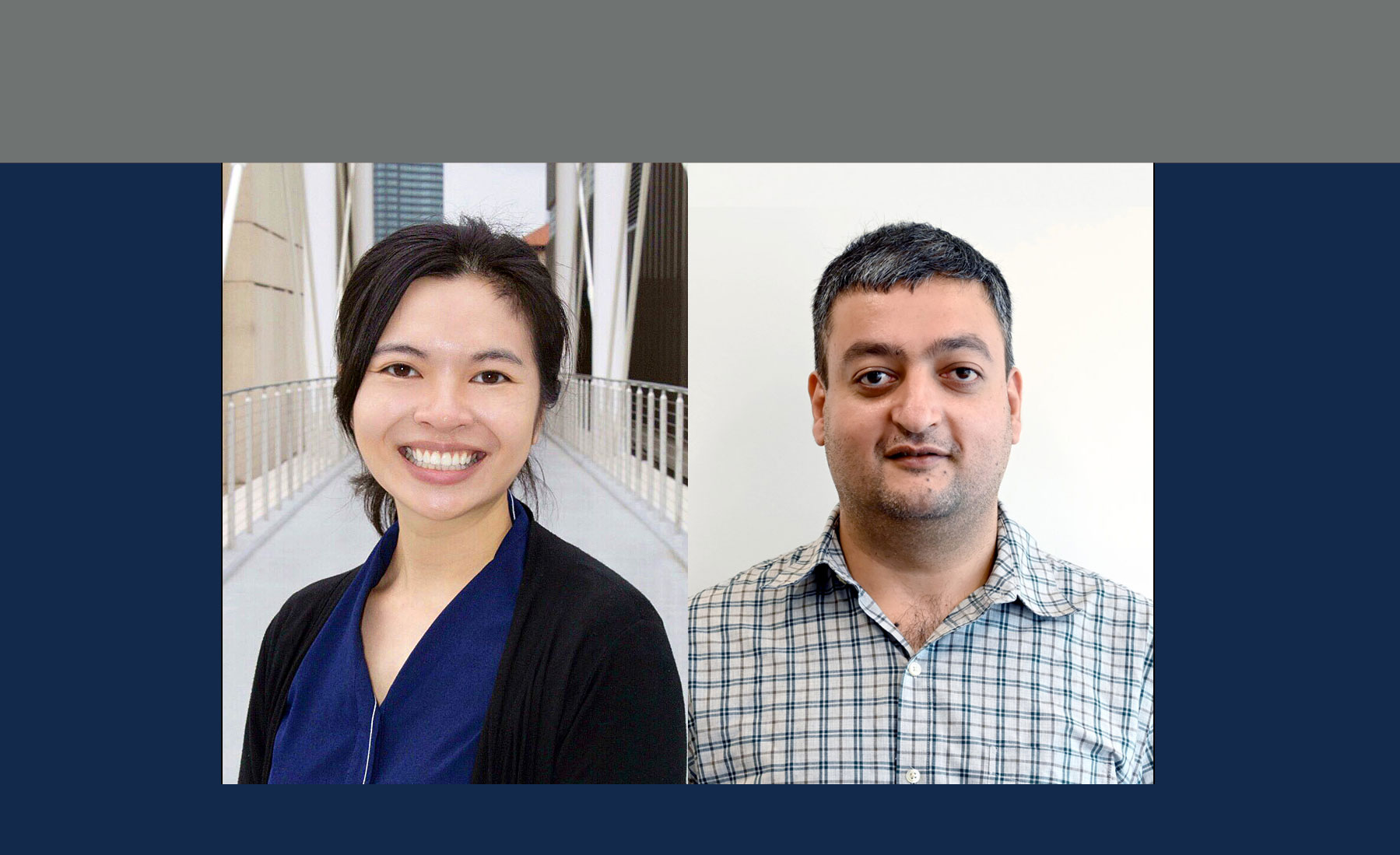
Ng and Taneja

Since its inception, the Internet has been viewed by technology experts and scholars as a way to access information at a global scale without having to overcome hurdles posed by language and geography. However, researchers at the University of Illinois Urbana-Champaign found that how people around the world use the same popular social media platforms and websites remains vastly different based on their language and geography.

A new study by Harsh Taneja, associate professor of new and emerging media in the Charles H. Sandage Department of Advertising, and Margaret Yee Man Ng, assistant professor of journalism, builds upon previous research and examines Internet consumption across 124 countries through their usage of popular websites, as well as Twitter and YouTube—two globally dominant social media platforms.

The results of the new study are published in the journal PLOS ONE.

“The goal of this work was to develop ways to assess which countries are most like each other in the usage of these popular websites and social media platforms and to identify factors that explain the similarities,” the researchers said.

The team found that language and geography remain the most salient predictors of web usage, and their role on YouTube and Twitter is just as significant as on the wider web.

“This is true of the websites they visit and also how they use social media,” Taneja said. “Sure, YouTube is the most popular online outlet in most of the world, but people in Nepal on average do not watch the same videos as people in the United States.”

The team collected and compared trending Internet traffic data and the use of hashtags for the two most popular social media platforms—Twitter and YouTube—and the 500 most-visited sites using Alexa’s Global Rank in the 124 nations studied.

“We chose to work with Twitter and YouTube because although they are both very popular, they attract different audiences, so they capture a very wide slice of Internet use,” the researchers said.

“Our analysis suggests that global web use is quite heterogeneous, whether it is website traffic or in how people use Twitter or YouTube, with social media usage being even less similar overall than the usage of websites,” Ng said.

Previous studies have shown that the free exchange of information has been hampered by government regulations and protections in nations like Russia and China, for example.

“However, government regulation is not the only reason for the restrained flow of information,” Taneja said. “Our study offers empirical evidence that people generally prefer content that focuses on their region and in their language.”

While using data reflecting trending YouTube videos and Twitter topics via hashtags may not wholly capture Internet consumption numbers, it works well as a proxy to gauge consumption on these platforms, the researchers said.

“An important caveat of this work is that we must acknowledge that trending topics are not purely based on consumption,” Ng said. “There is some sort of a black box that determines the complete picture, but tracking hashtags is an effective proxy and less biased than methods involving geolocation, for example, because many users do not reveal their location while browsing.”

Taneja and Ng said the study is beneficial to researchers studying the global flow of information—and, importantly, misinformation—and for web content producers interested in gaining a larger or more targeted global audience.

Seed funding from the Center for Social and Behavioral Science at the University of Illinois Urbana-Champaign supported this study.

Editor’s notes:

To reach Harsh Taneja, email harsht@illinois.edu.

To reach Margaret Yee Man Ng, email ymn@illinois.edu.

The paper “Web use remains highly regional even in the age of global platform monopolies” is available online and from the U of I News Bureau. DOI: 10.1371/journal.pone.0278594

View original press release.

2022 College of Media Teaching Award recipients announced


Each academic year, the College of Media seeks nominations for a teaching award that honors faculty who display a strong commitment to the undergraduate teaching mission. This year, Josh Heuman and Yiran Gao have been recognized as recipients of the 2022 College of Media Teaching Awards. 

Heuman

Heuman, a teaching assistant professor in the Department of Media & Cinema Studies and the Department of Journalism, received the Award for Excellence in Undergraduate Teaching by a Specialized Faculty Member. Heuman’s teachings range widely across the field of media studies, including courses in media industries, media law, media history, media theory, and media genre, narrative, and style. His research explores media industries and regulation, especially in television, with an emphasis on the regulation of media work. He’s also interested in the evolution of the television writers’ room where stories are first introduced.

Gao

Gao, a doctoral student at the Institute of Communications Research, received the Award for Excellence in Undergraduate Teaching by a Teaching Assistant. Since Spring 2018, Gao has consistently been ranked as excellent by her students, based on Instructor and Course Evaluation System (ICES) questionnaire forms. Her interdisciplinary research interests lie at the intersection of media studies, critical cultural studies, science and technology studies, and global studies. Her current research focuses on the roles and the impact of digital media on the formation of digital public sphere at a transnational level.

James W. Carey Faculty Fellows selected for 2022-24

Angela Aguayo and Chang-Dae Ham

Two College of Media faculty members affiliated with the Institute of Communications Research have been selected as James W. Carey Faculty Fellows for academic years 2022-2024. Both Angela Aguayo, associate professor of media and cinema studies, and Chang-Dae Ham, associate professor of advertising and director of graduate studies in advertising, will receive the honor and a stipend to support their research activities. 

As a Carey Faculty Fellow, Aguayo will work on a book project called Collective Matters, which examines how traditions in the humanities, health care, law, and education manifest through documentary in non-theatrical spaces, addressing the rituals of media producing, screening, and circulating that bind communities across time. During his Carey Faculty Fellow tenure, Ham will conduct research on digital data literacy and privacy issues. 

Established in 2021, the James W. Carey Fund for Faculty Excellence was endowed by Carey’s four sons to honor their father’s legacy at the College of Media and within the field of media. At ICR, Carey earned his doctoral degree, was a research professor, and served as director (1969-1976); he also served as dean of the college. The Carey Fund supports research activities of the outstanding faculty in ICR, the world’s oldest program for interdisciplinary research and doctoral education in communication and media studies. 

To join Carey’s family, former students, colleagues, and friends in growing the endowment, please visit the College of Media giving page, click on the orange “Give Online Now” button, and select the Carey Fund under “Nurture Excellence in Media Faculty.”

ICR alum and prominent scholar Krippendorff passes away at age 90

Institute of Communications Research alumnus Klaus Krippendorff (PhD ’67), one of the most prominent researchers and scholars in the field of communications, passed away in early October at the age of 90. Krippendorff was an emeritus professor of communication who had taught at the University of Pennsylvania Annenberg School for Communication for 55 years. One of his many contributions to the field is the Intercoder Reliability Method that is named after him (Krippendorff’s Alpha Reliability). This method is widely used in the field of communications and social science of quantitative content analysis and allows researchers to verify the accuracy of the reliability between coders. He also developed Krippendorff’s Quadrilogy, a software that computes four reliability coefficients from numerous binary coded units of analysis. He was also a past president of the International Communication Association. He authored many books, including The Reliability of Generating Data (2022), Content Analysis: An Introduction to Its Methodology (2019), On Communicating: Otherness, Meaning, and Information (2009), and more.

View his obituary in the Philadelphia Inquirer.

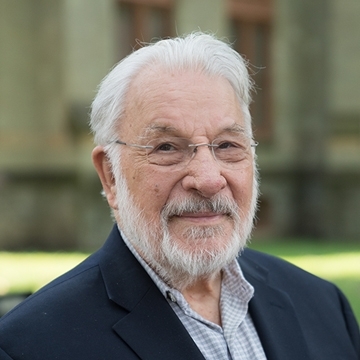
Klaus Krippendorff

Media faculty receive SHIELD Illinois grant to study public attitudes of COVID-19 testing

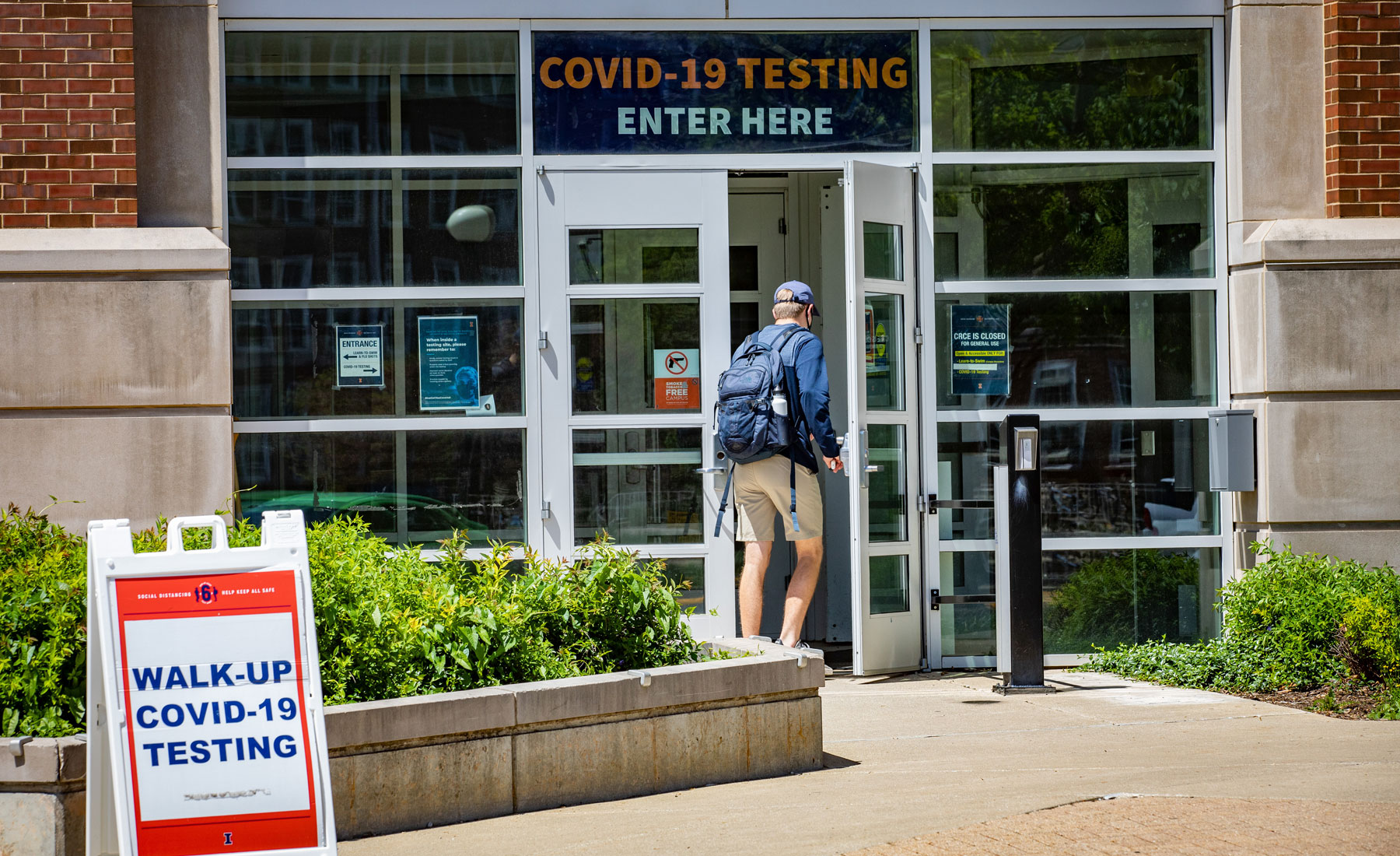
SHIELD testing site

Three College of Media faculty have received a $25,000 research grant from SHIELD Illinois for a project that will examine public attitudes, news framing, and online engagement about SHIELD COVID-19 testing. The analyses will help inform best practices and strategies for future campaigns addressing public health crises.

SHIELD is the University of Illinois System’s statewide saliva-based COVID-19 testing program that began in Fall 2020. More than 1,700 K-12 schools, community colleges, universities, and other organizations make up the program’s client base.

MUSE research team
The MUSE research group.

The faculty members conducting the research are Ewa Maslowska, assistant professor of advertising; Margaret Ng, assistant professor of journalism; and Harsh Taneja, associate professor of new and emerging media in the Charles H. Sandage Department of Advertising. Last spring, they formed a research group called MUSE to study media users and consumers through interdisciplinary methods. The SHIELD research is the group’s first funded project.

Maslowska, Taneja, and Ng broadly research media usage: Maslowska specializes in marketing communication and consumer behavior. Taneja focuses on how and why people consume media. Ng studies how data from social media platforms can be used to explore an event or issue in a different way.

The group will investigate social media discourse, news coverage, and other data to understand how the public responded to SHIELD’s communications. Their findings will be published in academic articles, compiled into a report for the general public, and posted on an interactive online dashboard in summer 2023. SHIELD plans to use the findings to further benefit the state of Illinois.

In initial observations, Taneja said that COVID-19 is different from past public health crises because of the influence of social media.

In terms of physical transmission, “COVID -19 is perhaps similar to several other bugs in the past in how far and fast it can spread,” he said. “And then you add social media, which is available to both increase the scale and the speed of transmission of information about it.”

In a state as diverse as Illinois, geographic differences also must be considered when analyzing public perceptions of COVID-19.

“We are very mindful of the fact that attitudes towards COVID, in general, downstate, tend to be very different from attitudes towards COVID, than, let’s say, in Chicago,” Taneja added.

Even though vaccine hesitancy has existed before COVID-19, Ng said that this pandemic was the first time every citizen needed to make a personal decision about vaccination in a relatively short period of time. While social media has become the main source of information, misinformation about vaccination is also widespread. 

“With minimal restrictions on post content, misinformation easily becomes widespread on social media,” Ng said. “That’s why a study on the SHIELD health campaign will reveal the opportunities and challenges the effort encountered in the past two years.”

The last few years have given media scholars like Ng and her colleagues new research opportunities. The pandemic and other public health crises shouldn’t just be understood from a biological perspective, she argues.

“It really depends on the communication side—communication scholars have a very unique position to help make sure that society as a whole can get that benefit from vaccination,” Ng said. “And I’m very glad that we got the funding so that our media expertise can benefit the whole state at both a societal level and at an individual level.” 

—Vivian La, Communications Intern

ICR team creates Spurlock Museum exhibit on quinceañeras


Following a Fall 2020 doctoral seminar on intersectional Latina feminist media issues at the Institute of Communications Research, Angharad Valdivia, a research professor who is also a professor of Latina and Latino studies, and her students were inspired to create a museum exhibit on quinceañeras. The team of Valdivia, ICR doctoral students Ariana Cano and Stephanie Pérez, and ICR alumna Dora Valkanova (PhD ’20) developed “Quinceañeras: Celebration, Joy, and Ethnic Pride.” 

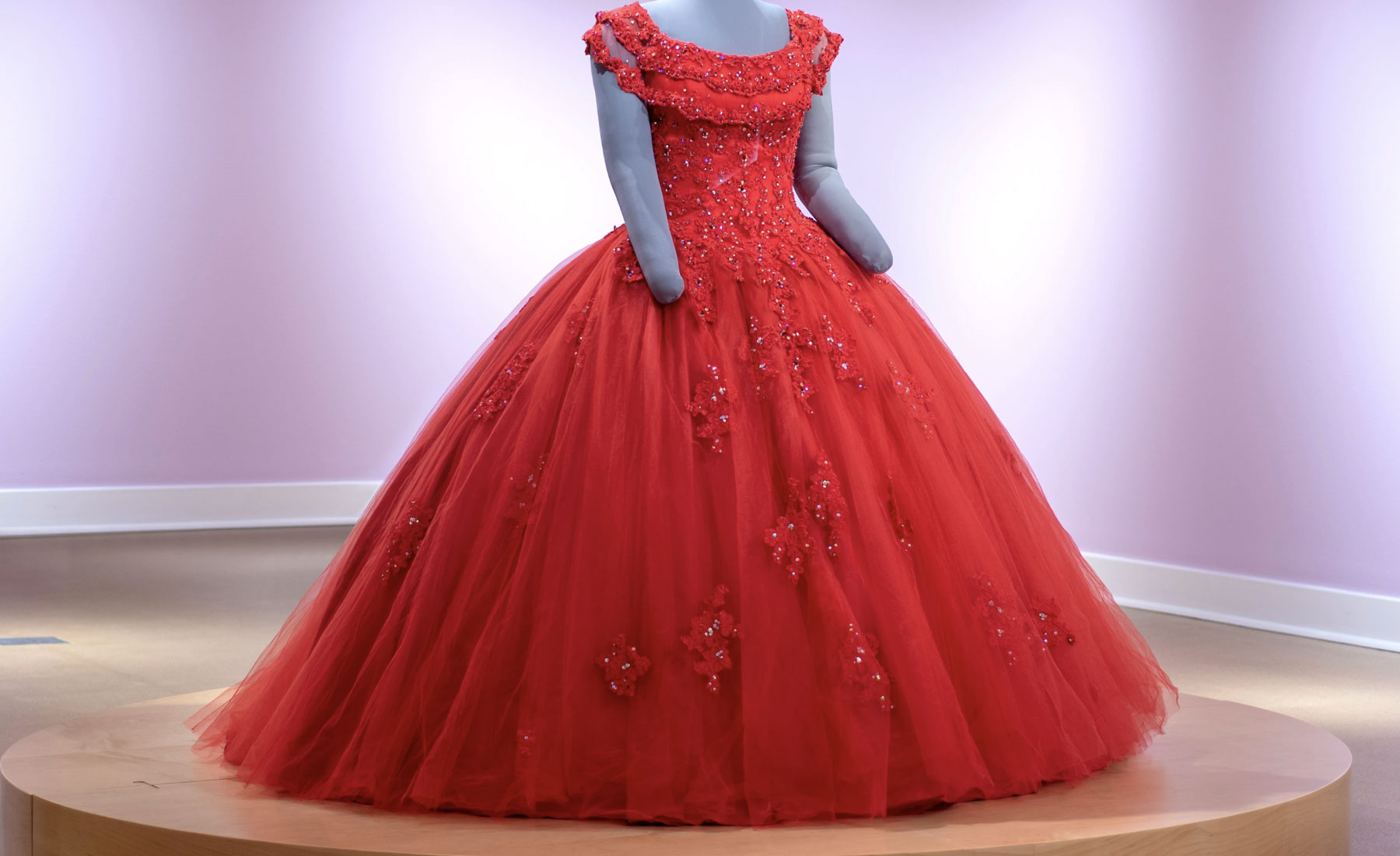
Quinceaneras dress at Spurlock exhibit

The new exhibit at Spurlock Museum opens on Saturday, Sept. 24, and runs through Sunday, Dec. 4.

The group drew inspiration from Quinceañera Style: Social Belonging and Latinx Consumer Identities, a book by Rachel Valentina Gonzalez, but amongst their studies surrounding “quinces,” which included extensive research on matters of labor and consumerism, they noticed one thing was missing: joy. 

“I feel like I’ve really tried to bring some realities about what a quince is. Sometimes it’s not always joyful,” Cano said. “[We wanted to show] the process it takes to get to the quinceañera.” 

The exhibit will focus on the joy of the traditional celebrations that mainstream media oftentimes does not capture and will contextualize popular culture representations of this important coming-of-age event for Latinx/es and Latin Americans. Video reels, original dresses, photographs, and decorations will be featured in the exhibit to provide visitors with the experience and feel of an actual quinceañera. 

“Consumerism of Latinidad is always tied to stereotypical things. When you really dig deep into what a quinceañera is, it’s symbolic sometimes, it’s a process other times. To some people, it’s an actual event and to some, it’s about the quinceañera herself,” Cano said.  

Their own experiences with quinceañeras also fueled the project. Both Cano and Pérez had their own quinceañeras to celebrate their 15th birthdays. Cano took up choreographing for quinceañeras and has choreographed more than 30 dances.

Since Summer 2021, the group has been collecting, approving, and installing artifacts in the exhibit. 

“In the museum itself, I think we have it set up like the quinceañera process. Honestly, before the quinceañera day, there are at least six months prior to that where all of it is prepping for the quinceañera day,” Cano said. 

ICR exhibit team
The ICR-based team who created the quinceañeras exhibit at Spurlock Museum includes (top row) Angharad Valdivia, a research professor who is also a professor of Latina and Latino studies; ICR doctoral student Ariana Cano; (bottom row) ICR doctoral student Stephanie Pérez; and ICR alumna Dora Valkanova (PhD ’20).

Cano and Pérez also developed a zine, a self-published form of a magazine, and Cano produced a website as ways to engage with visitors beyond the exhibit. Valkanova produced two videos that can be viewed at the exhibit: one is a compilation of quinceañeras on mainstream media and the other features actual quinceañeras.

“It’s a project about joy. One of my favorite things as a professor and as a scholar is mentoring my doctoral students,” Valdivia said. “It has been a joy because I can see the future of my field. I can see the next generation of professors and it makes me very happy to see their energy, creativity, and commitment to social justice.” 

The exhibit has also united the Latinx community in Champaign-Urbana as it features photos and artifacts from community members, including a donated dress.

“It celebrates a local community. We have a lot of artifacts and photographs from Champaign-Urbana,” Valdivia said. “The Spurlock Museum is very interested in connecting with the local community. Not just for the University, but to make its exhibit appeal to a broad range within the area.” 

They also hope the exhibit appeals to a broad range of students. 

“It’s important to see the representation of different [styles] of quinceañeras and an understanding of what it is other than surface level,” Cano said. “I hope that people get a better, deeper understanding of what a quinceañera is.” 

The exhibit opens on Saturday, Sept. 24, 4–6 p.m., and will feature remarks by Michael DeAnda, College of Computing and Digital Media, DePaul University, and Rachel Gonzalez-Martin, Department of Mexican American & Latina/o Studies, University of Texas at Austin.


Media faculty and TAs make list of teachers ranked as excellent

CongratsCongratulations to all of the College of Media faculty and teaching assistants who were ranked as excellent by their students!
This list is based on Instructor and Course Evaluation System (ICES) questionnaire forms completed by students during the Spring 2022 semester. Only those instructors who distributed ICES forms at least once during this time period and who released their data for publication are included in the list. View the complete list.

Note: * denotes that the instructor ratings were outstanding.


ADVERTISING

STEVE HALL – ADV 150

CHANG-DAE HAM – ADV 281 (Summer 2022)

* TERRY KASDAN – ADV 409

* AMANDA MABRY-FLYNN – ADV 283

* EWA MASLOWSKA – ADV 461

MICHELLE NELSON – ADV 582 

* MARISA PEACOCK – ADV 491, ADV 498

SELA SAR – ADV 588

ALLISON VANCE – ADV 350

* STEPHEN WARREN – ADV 314

CARRIE WILSON-BROWN – ADV 290

* MIKE YAO – ADV 460


JOURNALISM

JOSH HEUMAN – JOUR 205

CAROL LOMBARDI – JOUR 220

MARGARET YEE MAN NG – JOUR 425

STEPHEN WARREN – JOUR 360, JOUR 361


MEDIA & CINEMA STUDIES

DEREK LONG – MACS 262

* JENNY OYALLON-KOLOSKI – MACS 504


TEACHING ASSISTANTS

* D. CARRILLO FUCHS – MACS 101

Y. GAO – MACS 100

J. GU – MACS 101

Y. KANG – MACS 100

A. MUKHOPADHYAY – MACS 101

J. PYO – MACS 100

New professor Garza connects journalism history to the present


Melita Garza

Melita Garza, an award-winning journalist, media historian, and a new associate professor and Tom and June Netzel Sleeman Scholar in Business Journalism, sees a reporter as a detective investigating a larger story. And she’s most interested in the stories that haven’t been told.

“The idea of trying to piece together the missing pages of history—that is the most fascinating to me,” Garza said. “I know that these stories have been overlooked in the past, so I want to uncover them.”

Garza is interested in how history can be used to understand current issues surrounding representation, diversity, and equity. It’s also the foundation of the class she’s teaching this fall, JOUR 250: Journalism Ethics & Diversity.

“I bring up historical issues, always,” Garza said. “Because I think it’s not possible to understand the present if we don’t understand the past.”

She also wants to ground the course in psychology.

“I think it is important, no matter what you plan to do with your career, to be aware of how our minds work to short circuit our ability to get the full picture or get the full story,” she said. “Understanding the psychology of diversity is just as important as understanding the history of diversity.”

With more than 20 years of experience at professional media outlets such as the Chicago Tribune, Bloomberg News in New York, and the McKinsey Quarterly in London, Garza is an expert in journalism history, media diversity, business reporting, English- and Spanish-language news, the media and civil rights, and literary journalism. For the past decade, she was on the journalism faculty at Texas Christian University.

After graduating from Harvard University with a bachelor’s degree in government in 1983, Garza began her journalism career. She was an inaugural member of Los Angeles Times’ Minority Editorial Training Program. She then worked at the Milwaukee Journal for a few years before landing a position at the Chicago Tribune. 

During her 15-year tenure at the Chicago Tribune, Garza covered a range of stories that spanned city government, immigration, and big business. She did a lot of “old-fashioned reporting” before the Internet became a resource, and her investigative work on the 2001 Firestone tire failures led to a Pulitzer Prize nomination.

“It was an adventure in terms of finding out what went wrong at the tire plant indicator and how that led to potentially many deaths,” Garza said.

As a reporter, Garza was always interested in business journalism, seeing business as a very dominant influence “in defining public discourse,” she said.

She earned her MBA from the University of Chicago while working as associate editor for McKinsey Quarterly, a London-based business publication.

“Part of the problem with being a journalist is you’re always on the outside looking in,” Garza said. “And I thought that maybe I could get better insight into business if I did this.”

While in business school, she realized how much she enjoyed research and digging deeper into topics. And her peers in class encouraged her, saying she would make a good teacher. 

Garza worked at Bloomberg news before pursuing a PhD in journalism and mass communication from the University of North Carolina at Chapel Hill. Her dissertation focused on a Spanish-language newspaper in San Antonio, Texas, La Prensa, which she had heard stories about from her parents. She compared La Prensa’s coverage of Mexican immigrants during the Great Depression to that found in English-language newspapers, then drew parallels to how immigration was portrayed in the news media in 2008 during the financial crisis.

This fall, in addition to her teaching, Garza will be editing a collection of essays called The Routledge Companion to American Journalism History, which she described as a re-imagining of journalism history.

She’s also working on an oral history project on how the lived experiences of journalists of color are valued or not valued in newsrooms across the country.

Garza said she’s excited to be back in Illinois, and especially getting to know more people in the College of Media.

“I’m looking forward to meeting a lot of new students from very diverse backgrounds,” she said. “I’m just super excited to be coming and meeting all of you.”


Melita Garza

Associate Professor and Tom and June Netzel Sleeman Scholar in Business Journalism
Director of Graduate Studies

Affiliations

  • Department of Journalism
  • Institute of Communications Research 

Education

  • PhD in Journalism, University of North Carolina at Chapel Hill Hussman School of Journalism and Media 
  • MBA, University of Chicago Booth School of Business 
  • AB in Government, Harvard University

Course Specialties

  • Journalism History 
  • Business Journalism 
  • Diversity 
  • Qualitative Research Methods 
  • Oral History

Background

Melita M. Garza is an associate professor and the Tom and June Netzel Sleeman Scholar in Business Journalism in the Department of Journalism. She is the 2022-2023 Chair of the Standing Committee on Research for the Association for Education in Journalism and Mass Communication. She was a fellow at the Donald W. Reynolds National Center for Business Journalism. Prior to getting her PhD, Melita M. Garza was an award-winning journalist, working at the Chicago Tribune, Bloomberg news, and the Los Angeles Times during a two-decade-long career.

Awards

Research and Creative Endeavor

Melita Garza is an American journalism historian who studies news as an agent of democracy, specializing in English- and Spanish-language news, the immigrant press, and coverage of underrepresented groups. She is the lead editor of The Routledge Companion to American Journalism History (2024). She is the author of They Came to Toil: Newspaper Representations of Mexicans and Immigrants in the Great Depression (Austin: University of Texas Press, 2018), which was a finalist for the Tankard Book Award, the Frank Luther Mot/ Kappa Tau Alpha Award, and the National Association of Chicana and Chicano Studies (NACCS) Tejas Fojo Award. Her research has also won awards from the American Journalism Historians Association (AJHA), and the Association for Education in Journalism and Mass Communication (AEJMC) divisions of: History, Minorities and Communication, and International Communication.

Related Links

No posts found.

Helping Students Be Wise Consumers of Media


Educators at the IMEDIA media literacy workshop

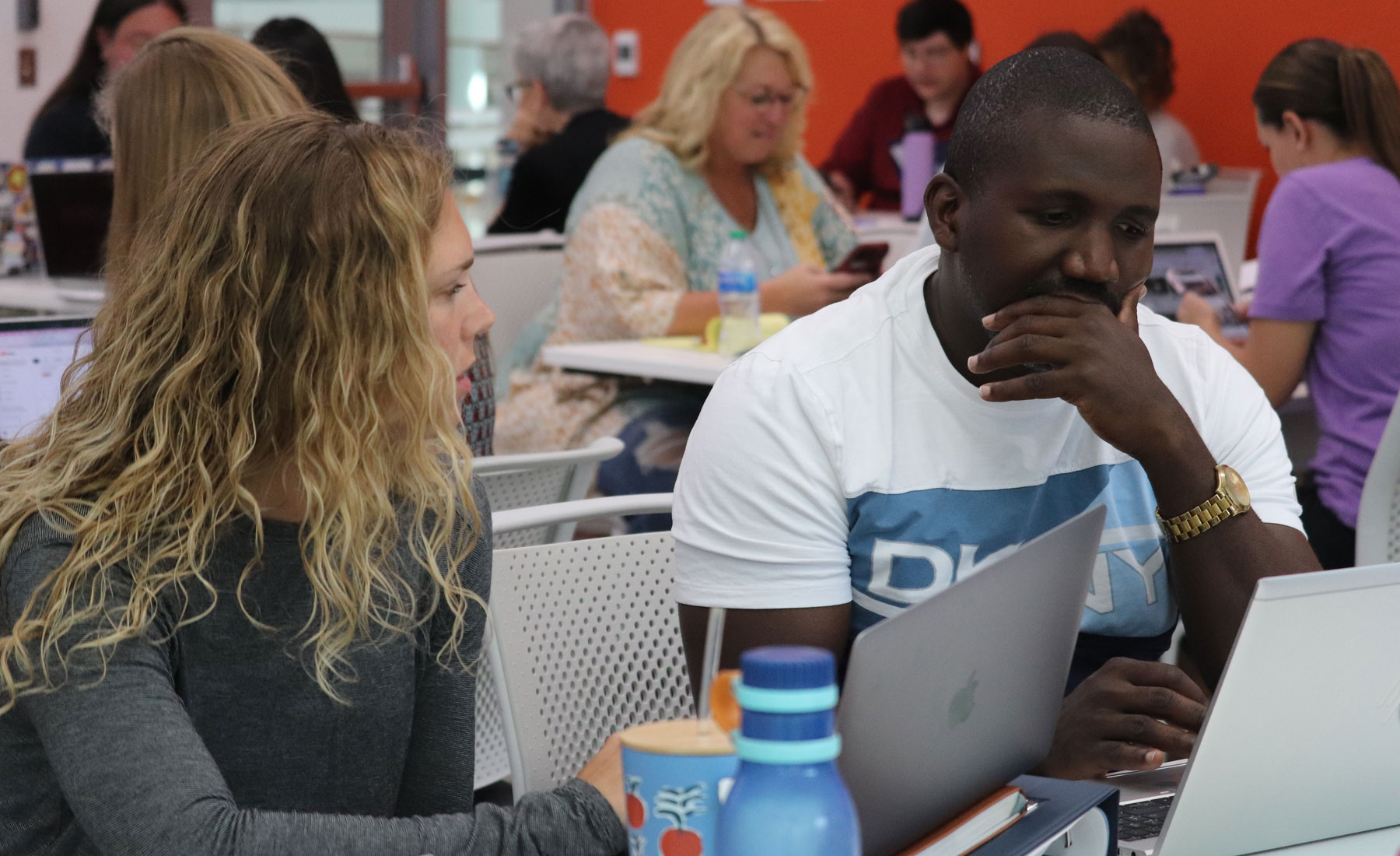
Twenty-one Illinois public school educators learned how to incorporate media literacy into their curricula this summer through an IMEDIA media literacy workshop on campus, hosted by faculty from the College of Media and College of Education.

“Media literacy is especially important in light of the last presidential election and the amount of disinformation and misinformation that is pervasive in the U.S.,” said Professor Sarah McCarthey, head of the Department of Curriculum & Instruction in the College of Education. “It’s more and more critical that we equip students with the ability to discern what’s factual from what’s not.”

The workshop, attended by librarians and teachers from language arts, social studies, special education, and art, was developed by the College of Media and the College of Education. The two colleges recently jointly launched a program entitled “Initiative for Media Education Inquiry and Action (IMEDIA),” along with the cofounder of the Illinois Media Literacy Coalition, Michael Spikes of Northwestern University.

The workshop was designed to better equip teachers and students with media literacy skills to encourage mindful media consumption and production and to help teachers meet the needs of a state mandate requiring public high schools to teach media literacy beginning with the 2022-2023 school year.

“Many of us in the College of Media have been working on media literacy-related research and teaching in the last several years,” said Professor Stephanie Craft, head of the Department of Journalism. “When we heard about the new law, we wanted to be able to turn that work into action. Teaming up with curriculum and instruction experts in the College of Education seemed an ideal way to do that.”

The IMEDIA team introduced participants to key concepts in the framework for media literacy, with a focus on news media literacy. Educators were:

  • shown how to help students identify propaganda and see how the media have been used for social and political change throughout history,
  • instructed in how to use documentaries to increase media literacy, and
  • taught by a local Urbana High School student and undergraduate students from the College of Media how students are both creators and consumers of social media content.

The IMEDIA collaboration is working to build a robust critical media literacy curriculum in Illinois schools. Interested teachers will continue working with IMEDIA for follow up on media literacy implementation throughout the 2022-2023 school year.

“Preparing Illinois students to successfully navigate an increasingly complex media environment is vital to their well-being and ability to participate in democratic life,” Craft said.

“The end goal is quite simple,” McCarthey added. “We want all of our students to be prepared to be critical media consumers.”

Learn more about IMEDIA.

IMEDIA team
IMEDIA team members include Professor Sarah McCarthey from the College of Education; Professor Amanda Ciafone from the College of Media; Michael Spikes from Northwestern University; doctoral student Sakshi Bhalla from the College of Media; Professor Michelle Nelson from the College of Media; Professor CL Cole from the College of Media; Professor Stephanie Craft from the College of Media; and Professor Jon Hale from the College of Education.
Educators at the IMEDIA media literacy workshop
Twenty-one public school educators attended the IMEDIA media literacy workshop held this summer at the Siebel Center for Design on campus.
College of Media
119 Gregory Hall
810 S. Wright St.
Urbana, IL 61801
217-333-2350