‘Illini Sports Night’ airs first show on B1G+ network


Update 5/9/2023: Congratulations to the students who produced this broadcast! They won the 2023 NATAS Mid-America Student Production Award in the College Sports Program category.

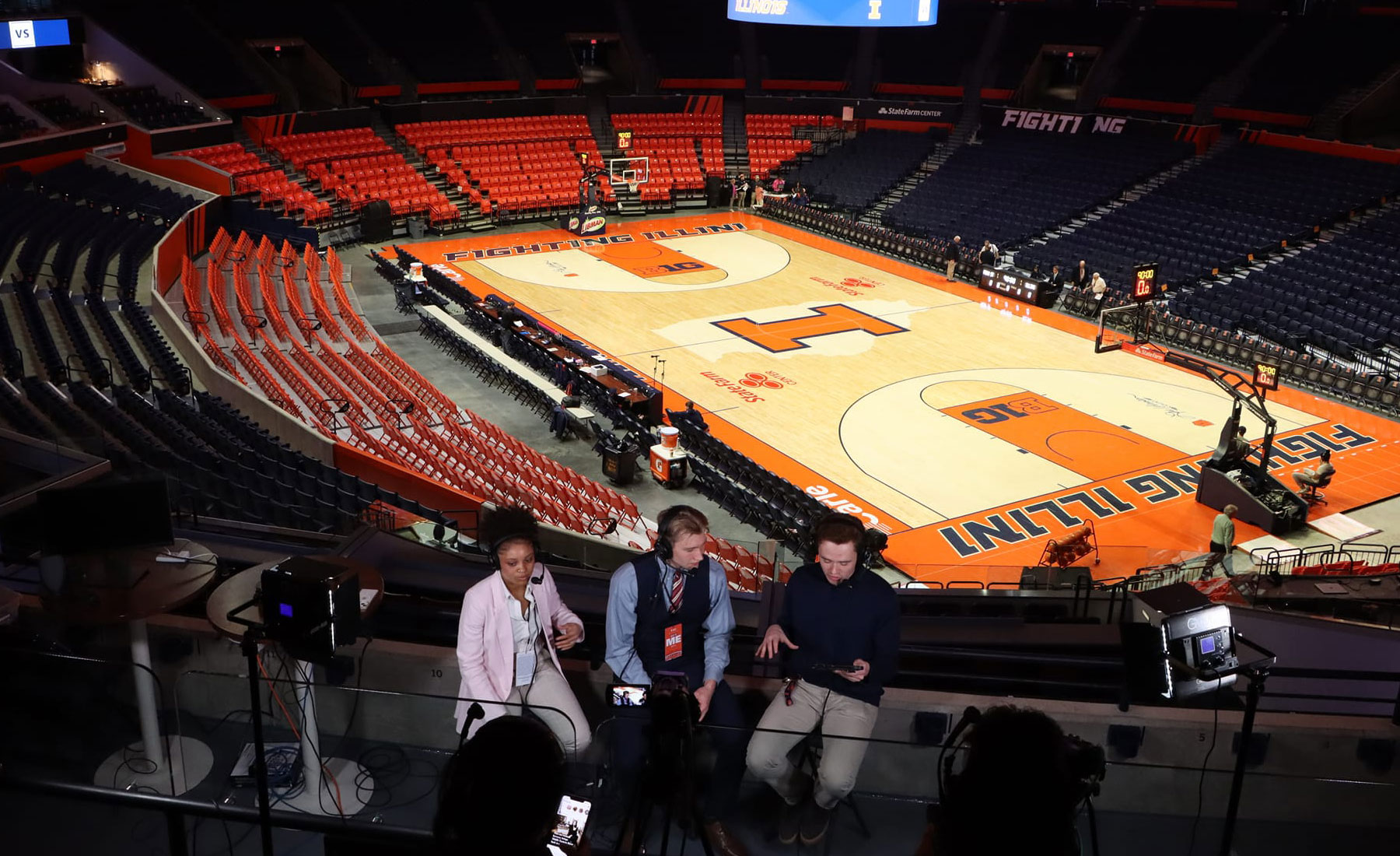
Illini Sports Night pregame show
(Photos by Carla Erdey.)

Illini Sports Night hosted a live pregame show at State Farm Center on February 19 before the Fighting Illini women’s basketball game—the first-ever collaboration between the B1G+ network and the student-produced broadcast. The half-hour show aired on B1G+, which livestreams non-televised games.

Emmie Larson, senior in journalism and executive producer of Illini Sports Night, said students prepared for their national broadcast for three weeks.

“It was awesome to see that hard work and preparation create a live show,” she said. “This is something we’ve all never done before. It was cool to know we were capable of doing that.”

The pregame show focused on the Illinois women’s basketball team and the Penn State team, featuring interviews with players on both teams, commentary from the student anchors, and a sit-down with Illinois women’s basketball head coach Shauna Green. (Watch their special broadcast below and see behind-the-scenes photos.)

Illini Sports Night is part of UI7 Newsroom, where students write, produce, and report on all sports at the University as part of the journalism curriculum at the College of Media.

“The Illini Sports Night team had the opportunity to expand the reach of the program on a national scale and gain invaluable experience that will serve them in their future career pursuits,” said Kenneth Erdey, instructor and technical coordinator for Richmond Studio, the site for the student broadcasts.

Illini Sports Night pregame show team

Adrian Carrasco, senior in journalism and producer of the show, said he’s learned a lot from this experience and from his peers.

“That’s the great thing about working here—everybody’s so prepared and on it,” he said.

While their pregame show at State Farm Center did have some unexpected elements, Carrasco said they all took it in stride and learned something new.

During their live show, former women’s basketball head coach Theresa Grentz was honored with a banner unveiling—something the Illini Sports Night team thought would happen after their show ended.

The team quickly adjusted the end of their show, with anchors remarking on the historical impact of the moment, before transitioning to B1G+ programming.

“As our job, we kind of have to be ready for everything,” Carrasco said. “We have to be ready to solve any issues that come and just be on our A-game.”

Larson said one of her biggest takeaways from the show was that you can never be too prepared.

“If you keep your head in the game, you can create something very cool and very successful,” she said.

Illini Sports Night airs Tuesdays at 7 p.m. Watch past broadcasts. 

New Emerging Leaders Program connects advertising students with industry leaders in Chicago


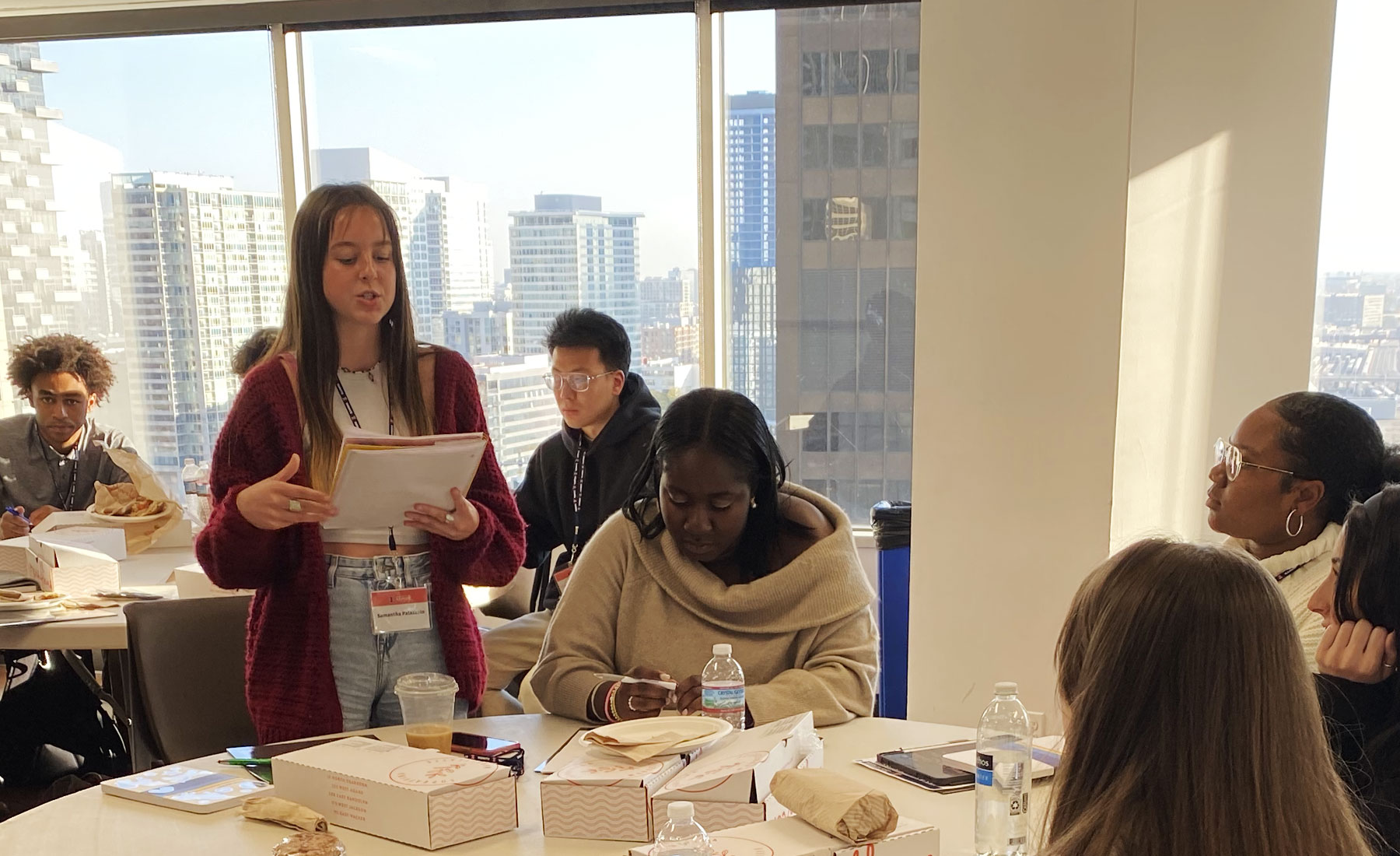
Emerging Leaders

The Charles H. Sandage Department of Advertising and the Hub for Brand Innovation and Advertising Technology have created a new professional workshop series for students through the Emerging Leaders Program, which aims to immerse students in the advertising industry. 

Thirty advertising students were selected for the 2022-23 academic year to gain experience in innovative areas of advertising, and network with University of Illinois alumni and industry guests in three workshops at the Illini Center in downtown Chicago. 

“These immersive events allow students in the Emerging Leaders Program to interact with and learn from industry leaders in an experiential learning format,” said Michelle Nelson, professor of advertising and acting head of the department. “These experiences will also give students a unique advantage when they enter the job market.”

The program has focused on three themes in their workshops: programmatic advertising, brand strategy, and product marketing.

Susan Muirhead, associate director of the Brand Hub, was glad to develop an opportunity for students to apply their advertising skills outside of the classroom and gain a closer look at the advertising industry. 

“I hope [students] learn about what the industry is doing so they’ll get a pulse on what’s happening and what the emerging trends are,” Muirhead said.

The sessions consist of a three-hour workshop where students work on a group project or exercise, followed by a two-hour networking event where students engage with peers and attending professionals and alumni.

Muirhead said the events have been a fun opportunity for both students and professionals to meet each other. 

“I think [the industry professionals] are really impressed with the energy, the passion, and the talent, and how bright our students are.”

In October, the first workshop on the future of advertising technology was presented by The Trade Desk, which offers an independent media-buying platform.

“I learned about measuring audiences and media planning and the digital aspect of advertisements,” said Asia Griffin, a senior in advertising. “Just being able to network and talk to people at The Trade Desk was a great experience.”

Emerging Leaders

In February, global advertising agency Leo Burnett presented on brand strategy and the students completed a Cultural Insights exercise, a tool actively used by the brand strategy team at Leo Burnett.

“I want to be more involved with Chicago-based companies,” said Joshua Watson, junior in advertising. “It’s also a good opportunity to learn more about what Leo Burnett is, what a job looks like there, and even just seeing all the people [who work] there.”

TikTok will host the last workshop in April, focusing on TikTok search engine optimization and product marketing.

Danielle Rowaiye, a junior in advertising, has enjoyed the program so far.

“I’m just excited to get to meet up with the same people again and have that same opportunity to network and to learn,” Rowaiye said. 

Students and companies interested in participating in future Emerging Leaders Program events can contact Susan Muirhead at muirhea@illinois.edu

Richmond Studio to undergo $2M renovation to create state-of-the-art broadcast facility


Richmond Studio

Students in the College of Media will have access to a state-of-the-art broadcast studio and newsroom this fall after nearly $2 million in renovations are completed at the Richmond Studio.

Since 1999, the studio—connected to Campbell Hall, the home of Illinois Public Media—has served as the site for the college’s broadcast journalism courses. Three student broadcasts are currently produced at the studio for the University of Illinois public access TV channel UI7, including UI7 Live, Illini Sports Night, and Good Morning Illini.

The renovation project, which will begin in mid-March and is expected to reach substantial completion before the Fall 2023 semester begins, is made possible thanks to a gift from Richard and Leslie Frank. In 2020, the Franks gave the College of Media $7.5 million—the largest gift in college history—to establish the Richard and Leslie Frank Center for Leadership and Innovation in Media and to renovate Richmond Studio. This project is the first major overhaul of the building since it was erected in 1996, funded by a $2 million gift from Jack C. and Marjorie Laird Richmond.

“Through their enthusiastic support and generosity, Richard and Leslie Frank are ensuring our next generation of broadcast journalists will enter the profession ready to make an impact,” said Mira Sotirovic, associate professor, Karin and Folke Dovring Scholar in Propaganda, and head of the Department of Journalism. 

The renovation project includes a fully remodeled studio with a new control room. A new equipment storage and check-out room will be built, as well as a video and audio production room where students will be able to record podcasts. 

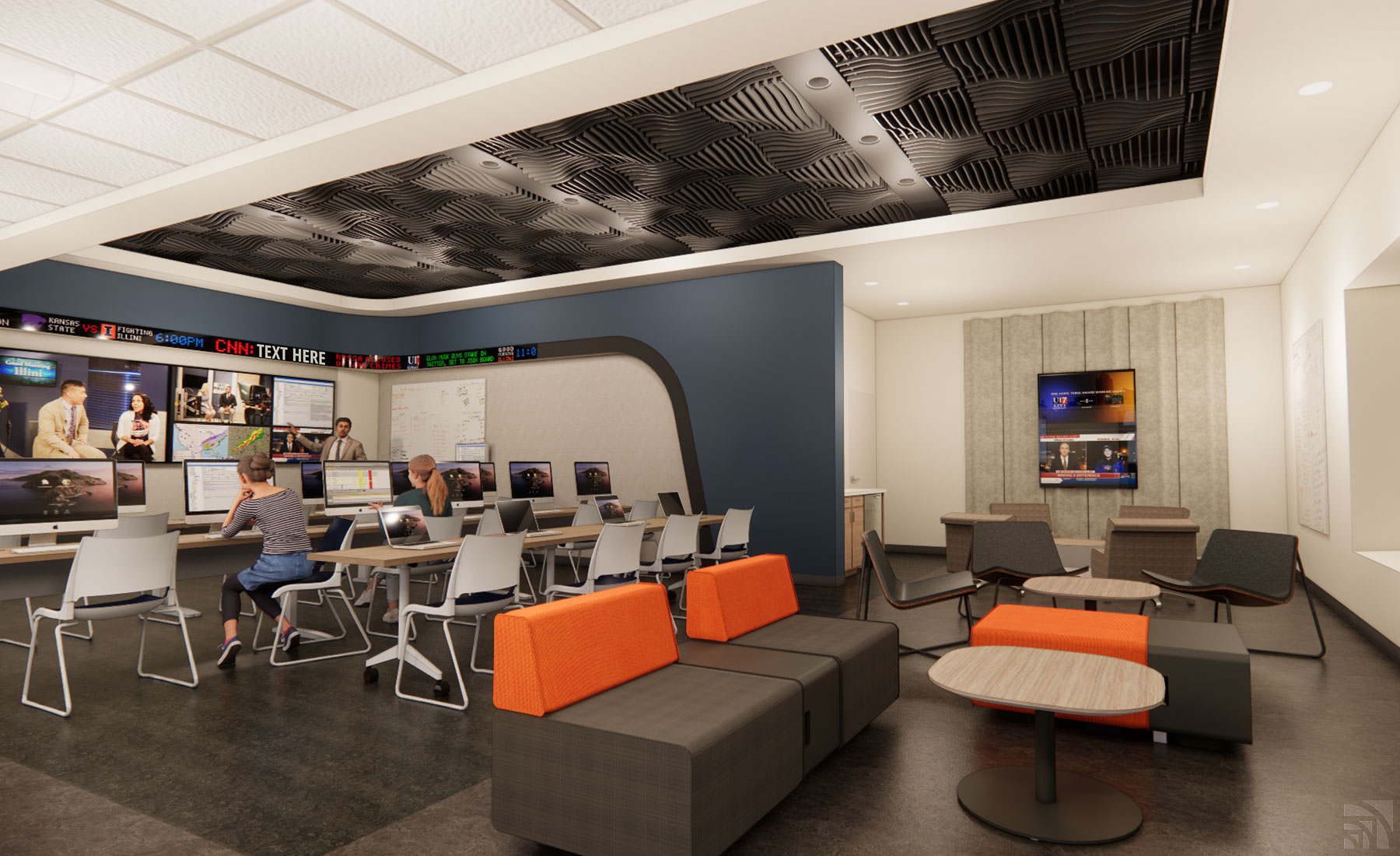
The existing classroom and computer lab located adjacent to the studio will become a collaborative room that serves not only as a class meeting space with a lab but also a newsroom and green room. A scrolling, LED news ticker will be installed around the perimeter of the newsroom and computer lab area. (Pictured above is a rendering of the newsroom and green room.)

Most of the current equipment—including studio cameras, lights, and the control systems—will be upgraded to more modern versions that newsrooms around the country are currently using, allowing students to learn best practices. 

“My commitment to the University of Illinois, and Leslie’s career and passion for journalism, inspired us to want to give back to the journalism program by creating a new, state-of-the art broadcast facility,” Rich Frank said. “We are really impressed with the program here and the people who are dedicated to making it one of the top in the country.”

“Shaping journalists starts at the university level,” said Leslie Frank. “We feel that the University of Illinois has a fantastic journalism program and think our contribution will only enhance it, giving students more advantages and opportunities to become successful in their future journalism careers.”  

Richmond Studio broadcast
Students on the set of Richmond Studio broadcast an episode of UI7 Live. (Photo by Kenneth Erdey.)

Kenneth Erdey, instructor of journalism and technical coordinator for the Richmond Studio, says he’s excited to see the new opportunities the renovations will bring to students. 

He expects to see expanded televised programming, live reporting from various locations outside of the studio, and more breaking news coverage, which will be beneficial to students. 

“On-camera talent is going to get better because there’s going to be more opportunity for them to [be on-air],” Erdey said. “Newscasts will improve because there will be more opportunities to cover breaking news.”

Alison Davis, lecturer of journalism and Emmy-award winning documentarian, is thrilled about the revamped studio and increased access to experiential learning. 

“The renovated space will not only give students access to the latest technology but it will be a space for collaboration,” Davis said. “We hope students in all classes will use Richmond to further their creativity and journalism skills whether it is joining the UI7 Newsroom RSO, creating a podcast, anchoring a newscast, or producing their own TV show.”

Erdey, who has taught at the studio for 12 years, says his goal has always been to give students a sense of a real, working newsroom. 

“I want this building to be a working experience, but also allow students to make the mistakes they need to make before they get their job,” Erdey said. “The work students are doing here is not just college work, it’s [broadcast] television.” 

March 10 is the last day classes will be held at the studio before it’s closed for construction. However, students will continue reporting for the duration of the semester, making video stories to be uploaded to ui7newsroom.com. Live studio shows will be limited to one special per show. 

“The Department of Journalism is dedicated to preparing students for an industry that will continue to evolve with changes in technology,” Sotirovic added. “When Richmond Studio reopens, the new experiences it will offer will give students a distinct career advantage in today’s dynamic media environment.”

Ebert Symposium 2023 to address documentary, violence, and the media


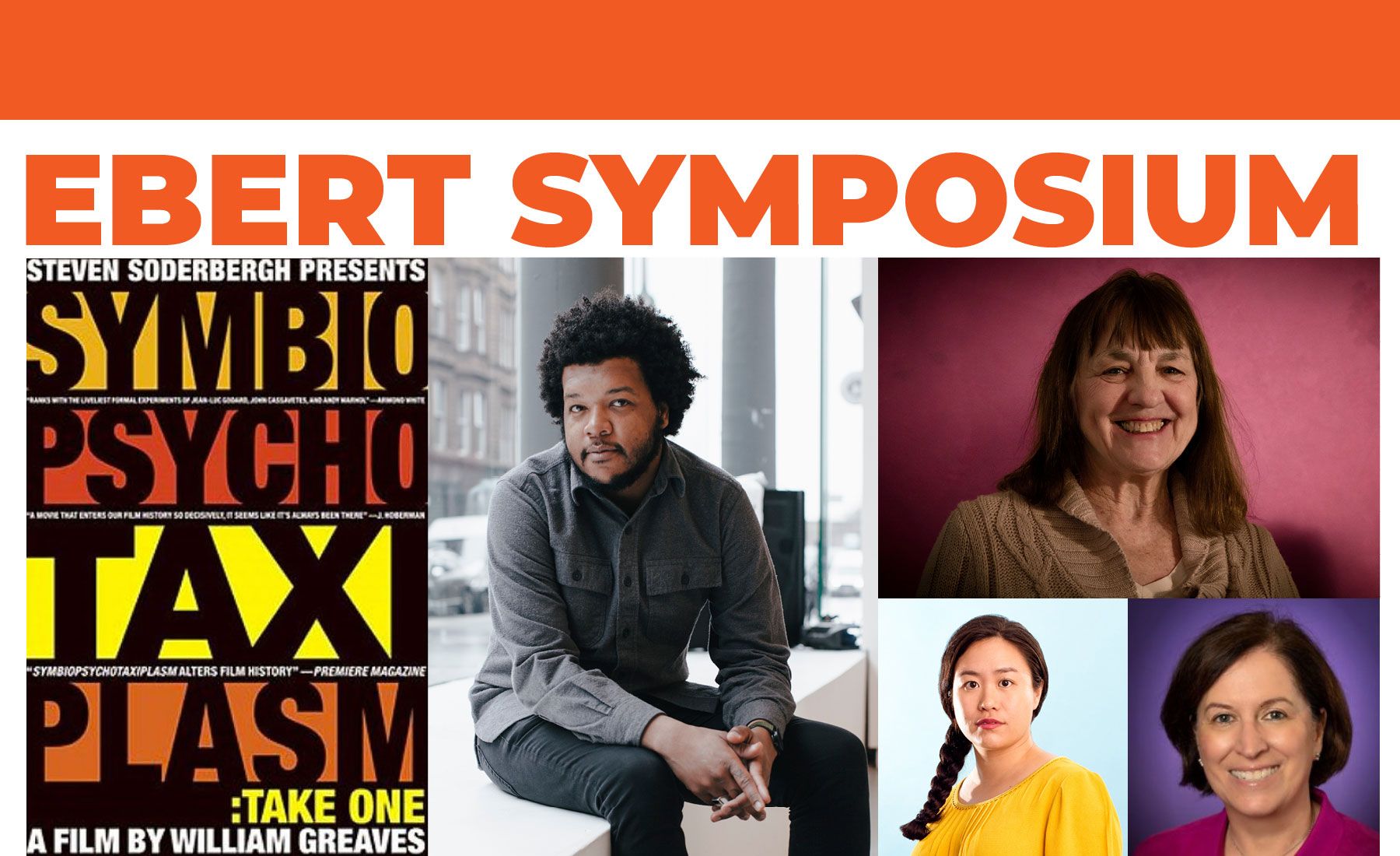
Ebert Symposium 2023

This year’s Chaz and Roger Ebert Symposium will feature a film screening, keynote speaker, and two roundtable discussions that address the theme of “Documentary, Violence, and the Media.” The events, which are free and open to the public, are presented by the Roger Ebert Center for Film Studies.

Chaz Ebert’s beloved grandson, Joseph London Smith, was tragically and unintendedly the victim of gun violence in Atlanta, Georgia, in September 2022. In dedication to his memory, the Ebert Symposium will explore the power of cinema to mediate violence and ask: How does cinema intervene in this conversation? 

PROGRAM

TUESDAY, APRIL 18

7:30-9 p.m.
Knight Auditorium, Spurlock Museum, 600 S. Gregory, Urbana

Screening of Symbiopsychotaxiplasm: Take One
Symbiopsychotaxiplasm: Take One (1968) is an experimental documentary by Black Emmy award-winning filmmaker William Greaves that was selected by the Library of Congress for preservation in the National Film Registry in 2015. Ebert Symposium keynote speaker Amir George, artistic director of Kartemquin Films, selected the film and will share introductory remarks. Learn more.

WEDNESDAY, APRIL 19

9:30 a.m.-2:30 p.m.
Illini Room C, Illini Union, 1401 W. Green, Urbana

Keynote Speaker
9:30–10:45 a.m.
“To Be Radical”
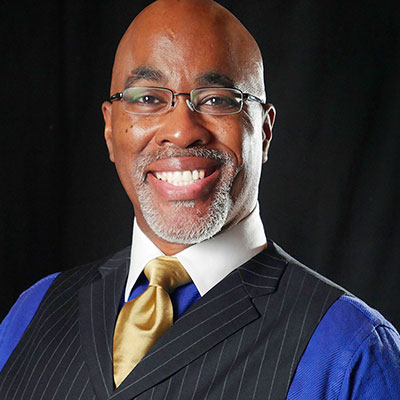
Amir George, Artistic Director, Kartemquin Films, Chicago
Join us in person or register to join via Zoom.

Roundtable Discussion #1
11:30 a.m.–12:30 p.m.
“Cinema and Media Interventions into Violence”

Panelists: 

  • Rachel Kuo, Assistant Professor of Media & Cinema Studies, UIUC
  • Denise Zaccardi, Executive Director and Founder of CTVN, Community TV Network, Chicago 
  • Melita Garza, Associate Professor and Tom and June Netzel Sleeman Scholar in Business Journalism, UIUC
  • Moderated by Angela Aguayo, Associate Professor of Media & Cinema Studies, UIUC

Roundtable Discussion #2
1-2:30 p.m.
“Cinema and Violence in Challenging Times”

Panelists include the following Ebertfest 2023 filmmaker guests:

  • Edson Oda, director of Nine Days (2020)
  • Jason Michael Berman, producer of Nine Days and president of Mandalay Pictures
  • Max Libman, teenage founder and director of CU International Film Festival, Champaign-Urbana
  • Brenda Robinson, producer of Marian Anderson: The Whole World in Her Hands (2022)
  • Moderated by Jenny Oyallon-Koloski, Assistant Professor of Media & Cinema Studies, UIUC

KEYNOTE SPEAKER

Amir George

Amir George, Artistic Director of Kartemquin Films

Amir George is an award-winning filmmaker and has served as a programmer at True/False Film Fest and Chicago International Film Festival. As an artist, George creates spiritual stories, juxtaposing sound and image into an experience of non-linear perception. George’s films have screened at institutions and film festivals including Schomburg Center for Research in Black Culture, Institute of Contemporary Arts, London, Anthology Film Archives, Glasgow School of Art, Museum of Contemporary Art Chicago, Ann Arbor Film Festival, Trinidad and Tobago International Film Festival, BlackStar Film Festival, and Camden International Film Festival, among others.

The Ebert Symposium began in 2018 and is named in part for the late film critic Roger Ebert. Ebert, who died in 2013, was an Urbana native, journalism alumnus, Pulitzer Prize-winning film critic for the Chicago Sun-Times, and founder of RogerEbert.com. His namesake film festival, known as Ebertfest, runs April 19-22 at the Virginia Theatre in downtown Champaign. 

PANELISTS

Rachel Kuo

Rachel Kuo, Assistant Professor of Media & Cinema Studies in the College of Media, University of Illinois Urbana-Champaign

Dr. Rachel Kuo writes, teaches, and researches race, social movements, and technology. Her current book manuscript, Movement Media: Racial Solidarities Across Platforms, brings together archival research and ethnographic fieldwork to examine historical and contemporary grassroots organizing and social movement media forms addressing state violence and U.S. democracy. Her new work examines transnational and intergenerational information systems in Asian diasporas and histories of mis- and disinformation. Her writing has been published in New Media & Society, Social Media and Society, Journal of Communication, Teen Vogue, Truth Out, and ACM Interactions. 

She is a founding member and current affiliate of the Center for Critical Race and Digital Studies and also a co-founder of the Asian American Feminist Collective. She is a co-editor of the anthology Black and Asian Feminist Solidarities with Haymarket Books and co-editor of the the book series Critical Race + Digital Studies at New York University Press. She is also a guest editor at the Asian American Writers’ Workshop, including the World Without Cages project. 

Denise Zaccardi

Denise Zaccardi, Executive director and founder of CTVN, Community TV Network, Chicago 

Denise Zaccardi, executive director and CTVN founder, holds a PhD in Communications from The Union Institute and wrote the nation’s first dissertation on media arts curriculum for low-income, minority youth. She earned an M.S. in Early Childhood Education from State College in Buffalo, and a B.A. in Psychology from the University of Dayton. She has participated as a media and education activist with a variety of local and national organizations. Dr. Zaccardi has received numerous awards for her contributions to the field, including the Christian Service Award from the University of Dayton, and the Service Recognition Award for Arts Educator from the Illinois Arts Alliance. Dr. Zaccardi has put together a team of seasoned artist/teachers carefully selected not only for their exceptional ability to engage and teach arts underserved youth; but to represent a broad range of vital skills and knowledge including psychology, marketing, organizational dynamics, writing, audio, editing, producing, directing, graphics, and animation.

Community TV Network (CTVN) is a non-profit company devoted to empowering youth with the resources and education they need to make digital media! Our network of artists, teachers, and alumni has been promoting the visions and voices of Chicago’s students for 49 years. CTVN promotes positive youth and community development with the overall goal of raising the educational success and economic viability of the neighborhoods in which young participants live and work. CTVN programs instill in our students the awareness, motivation, and tools they need to create positive futures for themselves and the people around them.

Melita Garza

Melita Garza, Associate Professor and Tom and June Netzel Sleeman Scholar in Business Journalism in the College of Media, University of Illinois Urbana-Champaign

Melita M. Garza is an associate professor and the Tom and June Netzel Sleeman Scholar in Business Journalism in the Department of Journalism. She is the 2022-2023 Chair of the Standing Committee on Research for the Association for Education in Journalism and Mass Communication. She was a fellow at the Donald W. Reynolds National Center for Business Journalism. Prior to getting her PhD, Melita M. Garza was an award-winning journalist, working at the Chicago Tribune, Bloomberg news, and the Los Angeles Times during a two-decade-long career.

She is an American journalism historian who studies news as an agent of democracy, specializing in English- and Spanish-language news, the immigrant press, and coverage of underrepresented groups. She is the lead editor of a forthcoming book that aims to re-envision the history of journalism. She is the author of They Came to Toil: Newspaper Representations of Mexicans and Immigrants in the Great Depression (Austin: University of Texas Press, 2018), which was a finalist for the Tankard Book Award, the Frank Luther Mot/ Kappa Tau Alpha Award, and the National Association of Chicana and Chicano Studies (NACCS) Tejas Fojo Award. Her research has also won awards from the American Journalism Historians Association (AJHA), and the Association for Education in Journalism and Mass Communication (AEJMC) divisions of: History, Minorities and Communication, and International Communication.

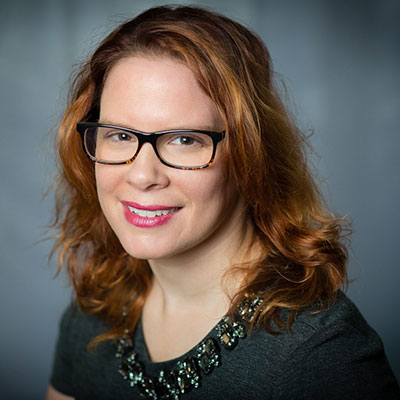
Angela Aguayo

MODERATOR: Angela Aguayo, Associate Professor of Media & Cinema Studies, UIUC

Angela Aguayo’s research is centered around documentary production and media studies, and her work creates connections between production, theory, and history. She was selected as a James W. Carey Faculty Fellow, for which she will work on a book project called Collective Matters, which examines how traditions in the humanities, health care, law, and education manifest through documentary in non-theatrical spaces, addressing the rituals of media producing, screening, and circulating that bind communities across time. Her project called the Illinois Community Media Project—which focuses on people making and circulating media that is most aligned with the interests of that community—received funding from campus’s inaugural Call to Action to Address Racism & Social Injustice Research Program. She has previously published Documentary Resistance: Social Change and Participatory Media (Oxford University Press), which explores a documentary’s capacity for social change.

Edson Oda

Edson Oda, Director

After a series of award-winning short films and music videos, Japanese Brazilian writer and director Edson Oda made his film directorial debut with Nine Days (2020). Based in Los Angeles, Oda is a BAFTA Breakthrough alum, a Sundance Screenwriters Lab alum, and a Latin Grammy-nominated director for best music video.


Jason Michael Berman

Jason Michael Berman, Producer, President of Mandalay Pictures

Jason Michael Berman, president of Mandalay Pictures, was named in the 2016 Variety Dealmakers Impact Report, and in Variety in 2011 as one of the Top Ten Producers to Watch.

Berman currently has AIR in release for Amazon and Skydance, directed by Ben Affleck, written by Alex Convery, and starring Matt Damon, Ben Affleck, Viola Davis, and Jason Bateman.

He recently produced Surrounded, directed by Anthony Mandler and starring Letitia Wright, Jamie Bell, and Michael K. William, awaiting release from MGM/Amazon. His other recent producing credits include Edson Oda’s Sundance award-winning film Nine Days; Olivier Megaton’s The Last Days of American Crime; Prentice Penny’s Uncorked; Cindy Chupack’s Otherhood; Clark Johnson’s Juanita; Jonathan Helpert’s IO; Gerard McMurray’s Burning Sands; Ryan Koo’s Amateur; Eli Craig’s Little Evil; and Nate Parker’s 2016 Sundance Film Festival Grand Jury and Audience Award-winning film The Birth of a Nation.

Berman is in development on new projects for Skydance, Netflix, Sony, Apple, and A24.

Prior to producing, Berman worked at the William Morris Agency, MGM Studios, and for writer/director Gary Ross. Berman is a member of the Academy of Motion Pictures Arts and Sciences, and the Producers Guild of America. He is a 2006 graduate of the University of Southern California, School of Cinematic Arts, where he has been an adjunct professor since 2013. Berman helped to develop and start the Catalyst program at the Sundance Institute which has now raised over $50M for the financing of award-winning independent narrative film and documentary projects. He is originally from Baltimore, Maryland.

Max Libman

Max Libman, CU International Film Festival Founder

Max Libman is the teenage founder and director of the CU International Film Festival that debuted in October in Urbana and featured eight short films, one of which was produced by the Turner brothers. In his young career, Libman has also been honored for his screenwriting. 


Brenda Robinson

Brenda Robinson, Producer 

Brenda Robinson, producer and entertainment attorney, is involved with numerous film, television, and music projects. She is a producer of Marian Anderson: The Whole World in Her Hands (2022), and was a financier on the Academy Award-winning documentary Icarus as well as Won’t You Be My Neighbor and Step. Robinson is currently head of film finance and inclusion strategies for HiddenLight Productions, a global studio founded by Hillary Clinton, Sam Branson, and Chelsea Clinton. She is also a member of Impact Partners, which is dedicated to funding independent documentaries that focus on social issues.


Jenny Oyallon-Koloski

MODERATOR: Jenny Oyallon-Koloski, Assistant Professor of Media & Cinema Studies

Jenny Oyallon-Koloski is an assistant professor of Media & Cinema Studies at the University of Illinois Urbana–Champaign and a Certified Movement Analyst in Laban/Bartenieff Movement Studies. She serves as the movement analysis specialist for the Media Ecology Project (Mark Williams and John P. Bell, PIs, Dartmouth College) and is a faculty affiliate of the Eye Tracking / Physiology Lab in the College of Media at the University of Illinois. Her current book project argues for the storytelling power of figure movement and dance in musical cinema. She is also the director of the movement visualization (mv) lab and co-creator, in collaboration with Michael Junokas, of the mv tool, an embodied motion-capture research environment to study the manifestations of human movement in cinematic space.
 

Alumna Karen Petitte’s distinguished career advances gender equality in journalism


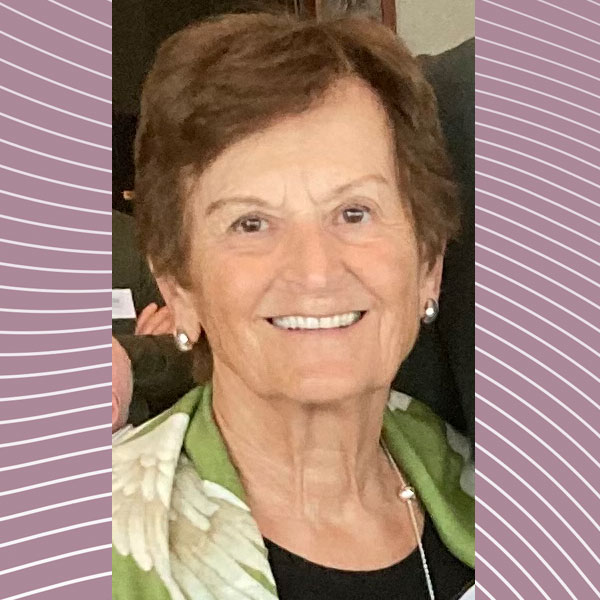
Karen Petitte

University of Illinois alumna Karen Lucas Petitte pursued a career in journalism at a time when barriers were common for women, and opportunities were few. But that didn’t stop the visionary trailblazer from building an illustrious career as an award-winning journalist—and helping to advance gender equality in journalism along the way. 

Petitte’s inspiration to become a journalist came from an unlikely source—the newspaper comic strip, Brenda Starr, Reporter. Petitte loved following the adventures of chic, newspaper reporter Brenda Starr, who traveled around the globe breaking stories (and, probably, just as many hearts).  

“She was quite glamorous, and I think at some point she met some dashing guy with a patch over his eye, and I thought, ‘Oh, I want to do that. That sounds great,’” Petitte said.  

Petitte, who earned two journalism degrees at Illinois (BS ’63, MS ’67), would eventually become a newspaper reporter like the comic book heroine. But it’s the comic’s creator, Dale Messick, whom she would truly come to emulate.

Dalia Messick, who used the pseudonym Dale Messick to avoid gender bias, was a rarity in those days as a female cartoonist. Like Messick, Petitte would forge her own path through a male-dominant field, opening doors for more women. 

After graduation, Petitte worked briefly at the Chicago Tribune and then joined the Chicago Daily News in 1968, assigned to an education beat. Originally, she had applied for an overnight reporter shift at the Chicago Daily News but was told it was “too dangerous” for women.

Although education was traditionally considered a “woman’s beat,” she was happy for the opportunity to break into the newsroom. In 1973, Petitte and a colleague won first prize from the National Council for the Advancement of Education Writing for an investigative piece on financial misconduct at Malcolm X College in Chicago. 

“It was kind of inspiring to be able to report on some of those activities, trying to bring to light things that many people would just as soon have kept in the dark,” Petitte said. 

After an initial focus on education, and later, consumer affairs, Petitte would go on to cover a variety of news stories including disasters, fires, and gender equality issues. She covered a protest at a local Chicago restaurant that had a men’s-only bar area and wrote about the discrepancies in men’s and women’s salaries. 

Eventually, Petitte was offered a position as assistant city editor at the Chicago Daily News—the first woman to ever be considered—and although she preferred reporting, she knew she couldn’t refuse.

“I didn’t really want to be an assistant city editor at the time; I like to report. But I figured, maybe I better do this, because if we [as women] keep asking for these jobs, and then we don’t take them, they’re not going to take us seriously,” Petitte said.

In 1979, Petitte took a brief detour from journalism and tried government. She spent over three years working as Chicago’s consumer affairs commissioner under Mayor Jane Byrne—the first woman to be elected mayor of a major city in the United States. That appointment enabled Petitte to help enforce consumer regulations as opposed to writing about them. 

When Byrne’s term ended, Petitte considered going into public relations but ultimately decided to return to journalism, this time entering the magazine field. Petitte worked as editor of Consumers Digest and then Modern Healthcare and Modern Physician, published by Chicago-based media company, Crain Communications. Petitte stayed with Crain Communications for 16 years before retiring in 2001. 

Petitte’s 40-plus-year journalism career is comprised of prestigious honors, including the first female president of the Chicago Newspaper Guild, an inductee into the Chicago Journalism Hall of Fame, and among the first women to serve as editor-in-chief of The Daily Illini from 1962 to 1963. 

Petitte, who was inducted into the Illini Media Hall of Fame in 2007, has fond memories of her time at the student newspaper, including working alongside the late film critic Roger Ebert (BS ’64, journalism), whom she recalls as “quite a character” and a “very smart, capable, witty guy.” And because she worked evenings at The Daily Illini, she was provided a key to get into her dorm room after the University’s curfew for women—a perk Petitte valued, knowing she had the freedom to choose her own schedule. 

In the latter part of her career, Petitte was able to mentor younger writers, sharing the skills she’d learned over her many years of reporting. She said that helping young people move along in their career was something she enjoyed more than she expected. 

Ten years ago, Petitte found another way to bring along the next generation of journalists by creating the Karen Lucas Petitte Endowed Scholarship in Journalism.

“It just seemed to me a good way to pay back the college for the education that I received, and the knowledge that allowed me to go on and build a career that was very satisfying and rewarding and fun,” Petitte said.

The endowed scholarship, created in 2003, is based on academic merit and financial need, and has created an impact and connection with students that Petitte finds extremely rewarding.

Petitte has met a few of the scholarship winners and has received many thank-you letters—reminders that she’s still helping to pave the way for future journalists, even in her retirement. 

Petitte said she has seen a gradual shift over the years, with more opportunities available for women in journalism. While she’s hesitant to take too much credit for that progress, she is grateful to have had any impact at all.

“It’s a good feeling to know that you helped change some of the patterns, and that there’s some women who came behind you who have some more opportunity,” Petitte said. “I think that’s what it’s all about.”  

Geography, language dictate social media and popular website usage, study finds


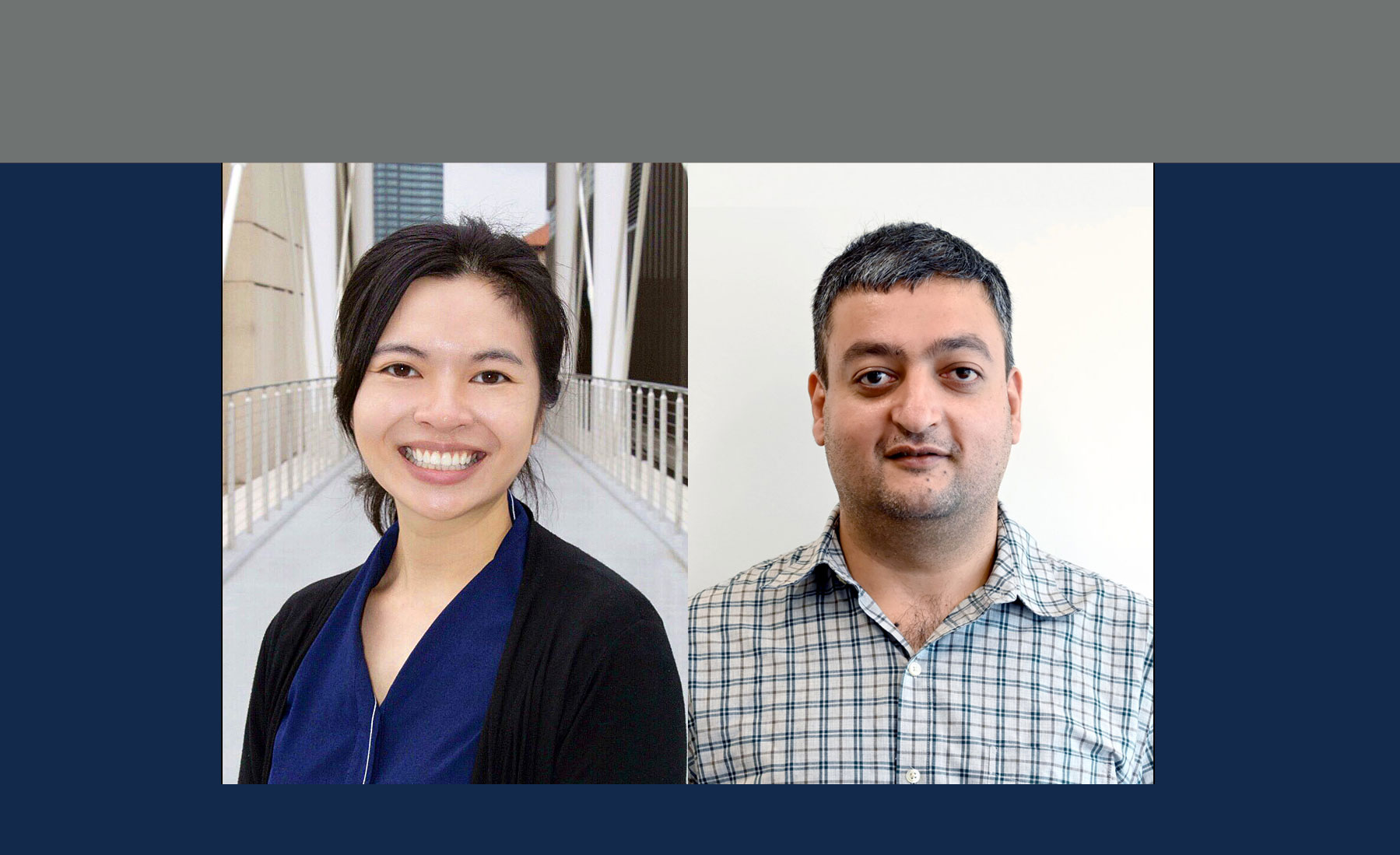
Ng and Taneja

Since its inception, the Internet has been viewed by technology experts and scholars as a way to access information at a global scale without having to overcome hurdles posed by language and geography. However, researchers at the University of Illinois Urbana-Champaign found that how people around the world use the same popular social media platforms and websites remains vastly different based on their language and geography.

A new study by Harsh Taneja, associate professor of new and emerging media in the Charles H. Sandage Department of Advertising, and Margaret Yee Man Ng, assistant professor of journalism, builds upon previous research and examines Internet consumption across 124 countries through their usage of popular websites, as well as Twitter and YouTube—two globally dominant social media platforms.

The results of the new study are published in the journal PLOS ONE.

“The goal of this work was to develop ways to assess which countries are most like each other in the usage of these popular websites and social media platforms and to identify factors that explain the similarities,” the researchers said.

The team found that language and geography remain the most salient predictors of web usage, and their role on YouTube and Twitter is just as significant as on the wider web.

“This is true of the websites they visit and also how they use social media,” Taneja said. “Sure, YouTube is the most popular online outlet in most of the world, but people in Nepal on average do not watch the same videos as people in the United States.”

The team collected and compared trending Internet traffic data and the use of hashtags for the two most popular social media platforms—Twitter and YouTube—and the 500 most-visited sites using Alexa’s Global Rank in the 124 nations studied.

“We chose to work with Twitter and YouTube because although they are both very popular, they attract different audiences, so they capture a very wide slice of Internet use,” the researchers said.

“Our analysis suggests that global web use is quite heterogeneous, whether it is website traffic or in how people use Twitter or YouTube, with social media usage being even less similar overall than the usage of websites,” Ng said.

Previous studies have shown that the free exchange of information has been hampered by government regulations and protections in nations like Russia and China, for example.

“However, government regulation is not the only reason for the restrained flow of information,” Taneja said. “Our study offers empirical evidence that people generally prefer content that focuses on their region and in their language.”

While using data reflecting trending YouTube videos and Twitter topics via hashtags may not wholly capture Internet consumption numbers, it works well as a proxy to gauge consumption on these platforms, the researchers said.

“An important caveat of this work is that we must acknowledge that trending topics are not purely based on consumption,” Ng said. “There is some sort of a black box that determines the complete picture, but tracking hashtags is an effective proxy and less biased than methods involving geolocation, for example, because many users do not reveal their location while browsing.”

Taneja and Ng said the study is beneficial to researchers studying the global flow of information—and, importantly, misinformation—and for web content producers interested in gaining a larger or more targeted global audience.

Seed funding from the Center for Social and Behavioral Science at the University of Illinois Urbana-Champaign supported this study.

Editor’s notes:

To reach Harsh Taneja, email harsht@illinois.edu.

To reach Margaret Yee Man Ng, email ymn@illinois.edu.

The paper “Web use remains highly regional even in the age of global platform monopolies” is available online and from the U of I News Bureau. DOI: 10.1371/journal.pone.0278594

View original press release.

Q&A with Jason P. Chambers

Jason P. Chambers

Get to know some of our College of Media faculty. Jason P. Chambers is the associate dean for access and engagement and professor of advertising. 

How long have you been a professor at the College of Media? What sparked your interest in teaching advertising?
I’ve been at the College of Media since August 2001. I started working here directly out of graduate school from The Ohio State University. I have always been interested in advertising, ever since I was a kid. I was one of those kids who didn’t change the channel when commercials came on—I always wanted to watch and pay attention to the content. In graduate school, I specifically examined the African American experience in advertising as professionals, entrepreneurs, agency owners, executives, and other similar roles. When I joined the College of Media, they were interested in someone who could combine history with advertising. I had this exact experience through my research, so it was the perfect opportunity.

What classes and topics do you currently teach?
Because of my administrative role as the associate dean for access and engagement, I focus my time in teaching ADV 175: Diversity in Advertising. It looks at race, ethnicity, sexual orientation, gender, age, and intersectionality. It also dives deeper into targeted advertising towards members of those communities or groups and the challenges, stereotypes, and opportunities as a result. 

What are your research interests?
Research-wise, my next book is on a gentleman named Tom Burrell. Tom Burrell was one of the first African Americans in the Advertising Hall of Fame. He’s from Chicago, and his agency, Burrell Advertising/Burrell Communications Group, was founded in Chicago in 1971. My interest remains, even after 20 years, in African American entrepreneurship and analyzing how it plays out in the advertising industry.

What do you enjoy the most about working with college students?
What I enjoy most is seeing the light come on when students can make connections between the topics I’m teaching and their interests. Much of my role is to facilitate how students grow in reaching their interests. It’s not just about dispensing information in one direction but finding ways to help students grow intellectually and professionally. After having been here for 20 years, I have seen students I taught 10, 12, and 20 years ago, nearly running Fortune 50 or Fortune 100 companies. You get to witness the minuscule role you played in that growth. It’s really gratifying to see.

What’s the biggest piece of advice you have for students graduating from the College of Media?
My biggest piece of advice is to keep learning and stay nimble. The world of advertising is in an ongoing state of flux. It’s rarely stable in terms of the way that things are done and the roles that exist within the industry. It’s also just as important to stay as flexible as you can, for as long as you can. Flexibility gives you the opportunity to take opportunities. Avoid making decisions that get you so far into your career that you get to a place where you can’t leave or feel the need to stay. Whatever the case may be, stay as nimble as possible for as long as possible.

What are some of your hobbies?
I watched far too much football. The Ohio State football, in particular, being from Ohio and graduating from The Ohio State University. I also dabble in woodworking, I’m quite the DIY’er. I’m currently building a book set of built-in shelves and cabinets in my basement. Those hobbies, in addition to hanging out with my family, my kids, and my wife, are how I like to spend my free time.

—Interview by Lauren Barjami, New Voices Intern

Q&A with Marisa Peacock

Get to know some of our College of Media faculty. Marisa Peacock has been an advertising lecturer since Fall 2019.

Peacock

What is the best part about advertising?
Two things. The first one is simple: Every industry needs advertising—it’s always going to exist. Secondly, advertising is constantly changing and creating. I specialize in social media, which didn’t exist at one point in my timeline, thus everyone is going to be doing something that doesn’t exist just yet within advertising! The limits are endless.

What is your best memory so far from your time spent at the College of Media?
Definitely working with all the students—their energy, openness, curiosity, and willingness to experiment recharges and fills me up every time. It’s a remarkable experience to work with students who put themselves into their work and achieve great things while having fun. 

What classes do you currently teach at the College of Media?
I teach ADV 498: The Sandage Project, which is an eight-week capstone class that is typically taken during the last year of coursework. A capstone class utilizes all your skills and talents over the past years to work on a real campaign with a real client! I taught it seven times, and in every instance the client wanted to pick more than one campaign. The class helps students to work in a team, execute a campaign, and use their creativity. 

What is the best way to network in advertising?
UIUC being a Top 10 school is an amazing start. You’re a part of a lot of moving parts and a huge entity. There is always something going on here and someone to talk to. Additionally, I’d say the best way to network is simply to just be yourself—don’t be afraid to promote yourself. People want to be around other people who like what they do, have great stories, and are interested in multiple things. Be that person in your own way. 

—Interview by Emily Campos, New Voices Intern

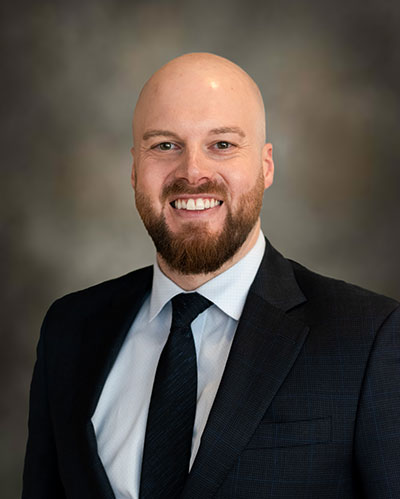
JR Reed joins College of Media Office of Advancement


JR Reed
(Photo by Isabella Pennebaker, photography intern.)

JR Reed considers himself a lifelong learner who enjoys meeting new people and exploring new places—just a few of the many qualities that will serve him well in his new role as assistant director of advancement at the College of Media.

Reed, who officially began in January, is bringing a wealth of experience and a variety of interests, as well as a lot of drive and ambition, to the fundraising position.

For Deanne Johnson, assistant dean for advancement at the College of Media, those were some of the key reasons she felt Reed would be a great addition to the team. 

“His compassion for others and positive outlook on life were obvious from our first meeting,” Johnson said. “He brings a diverse set of skills to the position, and we are fortunate to have him on our Advancement team and in the College of Media.”

Reed said the major gift officer role initially appealed to him because he felt it offered the ability to connect with alumni and donors, hear their stories, and help them find ways to support the college. He knew the job would be a perfect match after meeting with members of the College of Media.  

“Not only did the job description match [my skills and interests] but I really connected with the team here. Everyone I’ve met has been friendly and welcoming, so it just felt right.” he said.  

He recognizes the importance of media and the role it plays in various aspects of today’s world—media is “very cutting-edge, always adapting, and impactful to people’s lives.”

A native of Tolono, Illinois, Reed grew up an Illini fan, frequently attending Illinois football and basketball games. 

“The University was always a big part of my life growing up. I was born and bred orange and blue,” he said. “It makes sense my professional trajectory would bring me back to the area, working for the University.” 

The career path leading Reed to Illinois has been a winding one which includes culinary school, a bachelor’s in business administration from Robert Morris University in Chicago, an infantry squad leader in the U.S. Army, a barber’s license, and an MBA from California Coast University. Most recently, he worked as a membership and marketing supervisor at Costco Wholesale in Champaign. Reed believes his vast experiences have prepared him for the role he’s in today.

Reed says the most valuable lesson he’s learned working at Costco and serving in the U.S. Army was the importance of taking care of people and finding solutions—whether it was soldiers, customers, or the 50-plus employees he managed. He feels it will transfer well to his advancement position.

Reed has also worked at two famous downtown Chicago attractions including the Skydeck at Willis Tower and the Chicago River Boat Architecture Tours. These experiences, coupled with organizing off-site networking events for Costco, has helped to foster his event-planning skills, which he will use in his new position as he supports Chicago-based, alumni-coordinated events. 

He anticipates his first year to be full of learning experiences, and he’s looking forward to integrating into the advancement team and engaging with alumni and donors. 

“Maybe it’s a scholarship or a deferred gift—everybody is going to have a different story and something different they want to support. That’s where I come in, as a liaison, to assure their needs are met to support the University of Illinois and the College of Media,” Reed said. 

“Perhaps the most fulfilling part of the job, and a component I will enjoy the most, is the positive impact on the lives and futures of students, faculty, and staff,” he added. “Each generous gift to the College of Media has the potential to positively transform the academic career of our students. Only rarely do we have the ability and opportunity to make such impacts, and I’m privileged to say I now have the potential to do so.”

2022 College of Media Teaching Award recipients announced


Each academic year, the College of Media seeks nominations for a teaching award that honors faculty who display a strong commitment to the undergraduate teaching mission. This year, Josh Heuman and Yiran Gao have been recognized as recipients of the 2022 College of Media Teaching Awards. 

Heuman

Heuman, a teaching assistant professor in the Department of Media & Cinema Studies and the Department of Journalism, received the Award for Excellence in Undergraduate Teaching by a Specialized Faculty Member. Heuman’s teachings range widely across the field of media studies, including courses in media industries, media law, media history, media theory, and media genre, narrative, and style. His research explores media industries and regulation, especially in television, with an emphasis on the regulation of media work. He’s also interested in the evolution of the television writers’ room where stories are first introduced.

Gao

Gao, a doctoral student at the Institute of Communications Research, received the Award for Excellence in Undergraduate Teaching by a Teaching Assistant. Since Spring 2018, Gao has consistently been ranked as excellent by her students, based on Instructor and Course Evaluation System (ICES) questionnaire forms. Her interdisciplinary research interests lie at the intersection of media studies, critical cultural studies, science and technology studies, and global studies. Her current research focuses on the roles and the impact of digital media on the formation of digital public sphere at a transnational level.

College of Media
119 Gregory Hall
810 S. Wright St.
Urbana, IL 61801
217-333-2350