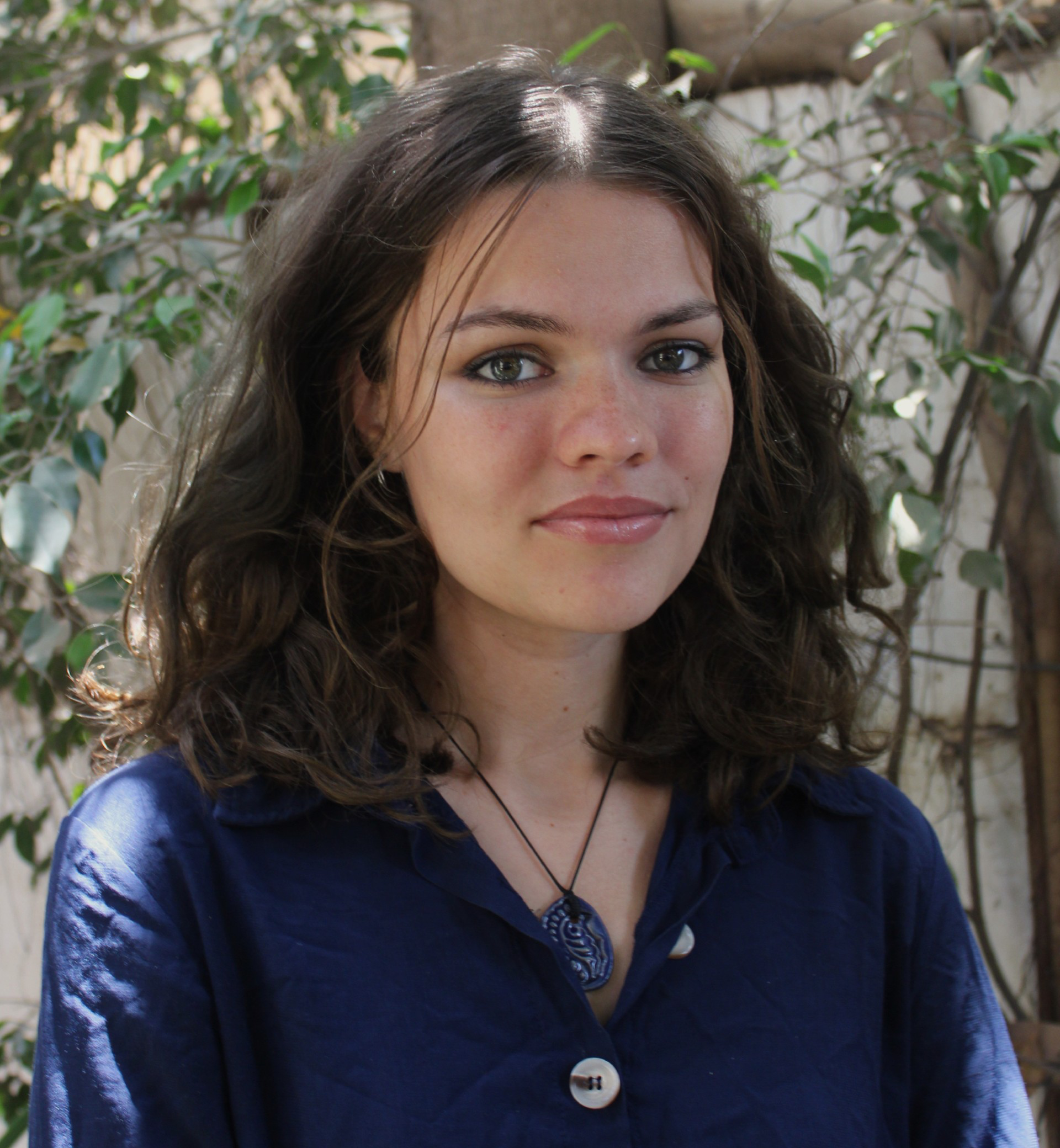
Nina Issel  

Get to know some of our College of Media Students! Nina Issel is a Class of 2027 journalism major.

Nina Issel

What made you choose journalism at the College of Media? 

I realized I enjoyed opportunities to dive deeply into specific topics whether it was researching global conflicts or exploring complex issues in detail and presenting the information. That curiosity and desire to investigate stories led me to journalism. I saw it as a way to engage with meaningful topics and share them in a more impactful way. Journalism allows me to explore ideas more actively and share them with others.

What has been your favorite journalism class so far, and why?

My favorite class so far has been Journalism 215: Multimedia Reporting. While it’s a required course, I think it’s incredibly valuable because it introduces students to the wide range of skills needed in modern journalism. Before taking the class, I primarily saw myself as a writer. However, JOUR 215 reintroduced me to photography and exposed me to video storytelling, which has since become one of my favorite formats. It helped me realize how essential visual storytelling is in journalism, not just for informing audiences, but for engaging them in the work too. 

The class also gave me the confidence to continue developing those skills, which led me to take more advanced courses like video reporting and storytelling. Additionally, the feedback I received was very practical and reflective of real-world journalism, which made the experience even more meaningful. The course helped me discover what I enjoy most about journalism and the direction I want to pursue. 

What resources within the College of Media have been most helpful to you as a journalism student? 

Through the Media Technology Center and Richmond Studio, students can check out professional-grade cameras, microphones, and other equipment. Access to that equipment and hands-on resources have been incredibly helpful. As someone who initially found the technical side of journalism intimidating, being able to use the tools and connect with knowledgeable staff made a big difference in my work on campus. Being given opportunities to experiment, make mistakes, and learn in a supportive environment has been invaluable. It allows you to build practical skills that are essential in the field, especially when working with multimedia. 

What has your experience been like writing for The Daily Illini? 

My experience with The Daily Illini has been extremely valuable. I write for the Arts & Entertainment section, where I often focus on topics related to sustainability, technology, and innovation on campus. One of the most impactful aspects has been learning how to manage multiple assignments at once. There are days when I’m attending events, conducting interviews, and working on different stories all within a short timeframe. That fast-paced environment has helped me develop stronger organizational skills and adapt to the rhythm of journalism. It has also given me opportunities to expand my multimedia skills, including photography, especially when covering my own stories. It’s been a great way to gain real-world experience and understand the demands of the profession. 

Tell me about your internship experience with Sunugal 24. 

I recently began my internship with Sunugal 24, and it has already been a very insightful experience. Initially, I expected to work at a traditional radio station, but I quickly learned that the organization primarily operates as a digital media platform, focusing on YouTube and social media. This has been especially exciting because I’m very interested in multimedia and social media journalism. I’ve had the opportunity to observe how content is created, analyzed, and distributed, including reviewing audience engagement through analytics and participating in discussions about partnerships and content strategy. 

Additionally, working in a multilingual environment where French and Wolof are primarily spoken has given me a new perspective on journalism in a global context. It has challenged me to adapt and think more critically about how information is communicated across different cultures. The experience has strengthened my understanding of digital media and reinforced my interest in pursuing journalism through social and multimedia platforms. 

What are your plans after graduation? 

I’m particularly interested in pursuing a career in explanatory journalism, especially within multimedia and social media platforms. While I’m still exploring specific opportunities, I’m drawn to organizations that focus on breaking down complex issues and providing meaningful context for audiences. I believe that much of the current mistrust in media stems from a lack of context and depth in reporting. In today’s fast-paced, attention-driven environment, stories are often delivered quickly without fully explaining the broader background. I’m interested in helping address that gap by creating content that not only informs but also provides historical and social context. By doing so, I hope to help audiences better understand complex issues and form more informed perspectives. 

 What advice would you give to College of Media students interested in journalism? 

My biggest piece of advice is to make sure journalism aligns not only with your interests, but also with your personality and working style. It’s one thing to value sharing information, but journalism involves a fast-paced, constantly changing workflow. You need to be comfortable diving deeply into a topic and then moving on quickly to the next story. It also often pushes you outside of your comfort zone. If you enjoy that kind of dynamic environment and are curious about a wide range of topics, journalism can be incredibly rewarding. Ultimately, it’s about finding a balance between your passion for storytelling and the type of work environment that motivates you. 

—Interview by Andrea De La Torre, New Voices Intern 

Share on social
Advertising and ICR faculty, students, alumni present research at 2026 American Academy of Advertising Conference


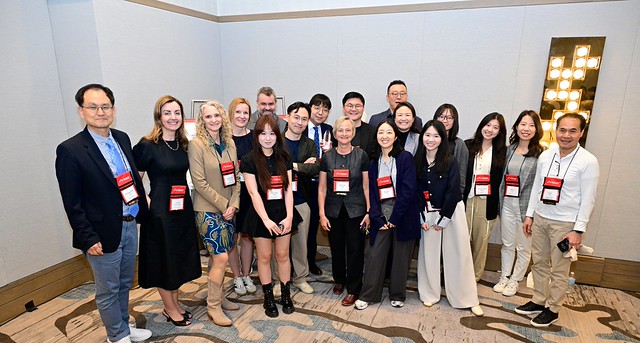
Advertising faculty with appointments in the Institute of Communications Research, doctoral students in ICR, graduate students in advertising, and ICR alumni participated in the 2026 annual conference of the American Academy of Advertising, held March 26-29 in Austin, Texas.

Through presentations and panels, they discussed research and ideas related to teaching AI and advertising, ethics, and more. Advertising Professor Chang-Dae Ham serves as the 2026-27 president-elect of AAA and will become AAA’s president next year.

Below is a list of the Illinois participants and their research.

AAA conference group shot

Special Topic Sessions

“Navigating Advertising Academic Leadership During a Time of Change: An Inside Look at Administration Roles in the Age of A.I., Program Changes, and Industry Upheaval”

Speakers: Huan Chen (University of Florida), Joe Phua (Southern Methodist University), Shu-Chuan (Kelly) Chu (DePaul University), Matthew S Eastin (University of Texas at Austin Professor and Head Michelle Nelson, Soojung Kim (University of North Dakota), Fuyuan Shen (Pennsylvania State University), Tom Reichert (University of South Carolina), Heidi Hennick-Kaminski (Michigan State University), Harsha Gangadharbatia (University of North Carolina at Chapel Hill)

“Teaching Privacy in the Age of AI: Preparing Ethical Advertising Professionals”

Speakers: Kristen Sussman (Texas State University), Faren Karimkhan (Syracuse University), Daniela Molta (Syracuse University), Associate Professor Ewa Maslowska, Carina Alderete (Accenture)


Panels

“Foundational Framework in Virtual Influencer Marketing: Bridging Operational Control and Narrative Archetypes in Virtual Influencer Design”

Speakers: ICR doctoral student Seo-Jeong (Rachel) Heo, Professor and Associate Head of Graduate Studies Chang-Dae Ham

“When Robots Cross the Line: Consumer Moral Judgments of Robots’ Harm and Authority Violations”

Speakers: ICR doctoral student Seo-Jeong (Rachel) Heo, Yuhosua Ryoo (University of Minnesota Duluth), ICR alum WooJin Kim (University of Colorado Boulder)

“Scandals, Morality, and Cancel Culture: How Consumers Judge Brands and Influencers”

Speakers: Saima Kazmi (University of Oregon), Assistant Professor Louvins Pierre, Josh Anderson (University of Arizona)

“When Identity Disclosure Matters: The Interplay of Identity Disclosure, Message Type, and Product Type in AI Influencer Advertising on Social Media”

Speakers: ICR doctoral student Se Il Park, Professor and Associate Head of Graduate Studies Chang-Dae Ham

“Beyond the Algorithm: The Double-Edged Impact of Explainable AI”

Speakers: ICR alum WooJin Kim (University of Colorado Boulder), ICR doctoral student Se Il Park, Professor and Associate Head of Graduate Studies Chang-Dae Ham, ICR alum Un Chae Chung (University of Wisconsin Whitewater)

“Peripheral Cues in a Democracy? Using the Elaboration Likelihood Model to Examine Information Cues and Negativity in Millions of Political TV Advertisements”

Speakers: ICR doctoral student Alice Ji and Professor and Head Michelle Nelson

“Zero-Click Persuasion in LLM Advertising: The Role of Response Structures and Regulatory Mode Fit”

Speakers: ICR doctoral student Seo-Jeong (Rachel) Heo, Yuhosua Ryoo (University of Minnesota Duluth)

“Measuring AI-Advertising Aversion: An Initial Scale Development and Empirical Assessment of Its Relationship with AI Anxiety”

Speakers: Assistant Professor Louvins Pierre, Viviana Carolina Zambrano Rodriguez (University of South Carolina), MS advertising student Jiayi (Joy) Wang

“From Black Box to Glass Box: The Moderating Role of AI Literacy on the Political Matching Effect”

Speakers: ICR alum WooJin Kim (University of Colorado Boulder), ICR doctoral student Se Il Park, ICR alum Un Chae Chung (University of Wisconsin Whitewater), ICR alum Seo Yoon Lee (Texas Christian University), ICR doctoral student Jiyeon Chang

“Adaptive or Defensive? How Perceived Regulatory Efficacy Shapes Consumer Coping with Targeted Advertising”

Speakers: Professor and Associate Head of Graduate Studies Chang-Dae Ham, Ilwoo Ju (Purdue University)

“Signaling Transparency or Triggering Skepticism? Exploring How AI Disclosure in Product Advertising Influences Purchase Intention”

Speakers: Assistant Professor Louvins Pierre, Viviana Carolina Zambrano Rodriguez (University of South Carolina), MS advertising student Jiayi (Joy) Wang, ICR doctoral student Nisa Rahman


Moderators

Professor Sela Sar served as moderator for a panel on the theme of “Rethinking Advertising Research”

ICR doctoral student Yujin (Floria) Lee served as moderator for a panel on the theme of “Social Representation in Advertising”

Share on social

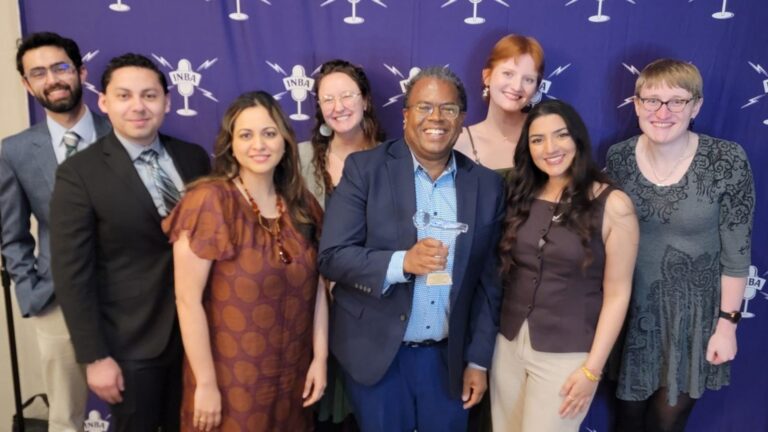
Illinois Public Media recognized with four statewide broadcasting awards, including Best Small Market Radio Station


Illinois Public Media won four Crystal Mic Awards from the Illinois News Broadcasters Association.

INBA Awards
Photo: Courtesy of Illinois News Broadcast Association

Radio and television stations from across Illinois entered the contest. Winners were tiered by whether the station is in a small or large market. The judges considered material produced between July 1, 2024, and December 31, 2025.

Illinois Public Media is a not-for-profit public media service of the College of Media; IPM is the NPR and PBS member stations licensed to the University of Illinois Urbana-Champaign. 

The station was honored with the following:

INBA Crystal Mic Award: Best Small Market Radio Station 

INBA Crystal Mic Award: Best Small Market Radio – Podcasting

INBA Crystal Mic Award: Best Small Market Radio – Breaking News 

INBA Crystal Mic Award: Best Small Market Radio – Political Report 


Best Small Market Radio – Podcasting

What We Brought is a limited series exploring the Asian American experience in Central Illinois. Through voices from seven Asian American communities, it shares powerful stories of identity, resilience, and the things carried between countries—be it food, memories, language, or the weight of the past. It was reported and produced by Nidhi Shastri with assistance and editing by Kulsoom Khan, Arielle Raveney, and Arjun Thakkar.

Best Small Market Radio – Breaking News

On October 30, 2024, Illinois Public Media journalist Jim Meadows and meteorologist Andrew Pritchard broke into programming on WILL-AM 580 and WILL-FM 90.9 to report on a fast-moving fire on dried-out farmland in eastern Champaign County. The intense flames and massive smoke decreased visibility, closing Interstate 74 for hours. 

Best Small Market Radio – Political Report 

In the spring of 2025, 11 people competed in the election to fill five open seats on the Champaign Unit 4 Board of Education. Education reporter Emily Hays created an innovative way to explain the candidates’ positions to the public. She asked the members to answer a questionnaire. In addition to on-air reporting, she created an interactive digital story. Users hovered above the board members’ faces as their quotes about particular issues popped up on the screen. 

Best Small Market Radio Station 

This entry represents a compilation of spot news, features from an in-depth series before the start of the second Trump administration, and excerpts from our new podcast focused on weather and climate as well as our statewide talk show that aired on six NPR member stations at the time. We also included a feature produced with the Illinois Student Newsroom, which is a unique partnership with the Department of Journalism in the College of Media at the University of Illinois. At least 10 students each semester help us with local reporting, including spots and features. Veteran public radio editor Christine Herman edits them.

Read original story: Illinois Public Media recognized with four statewide broadcasting awards, including Best Small Market Radio Station – IPM Newsroom

Share on social

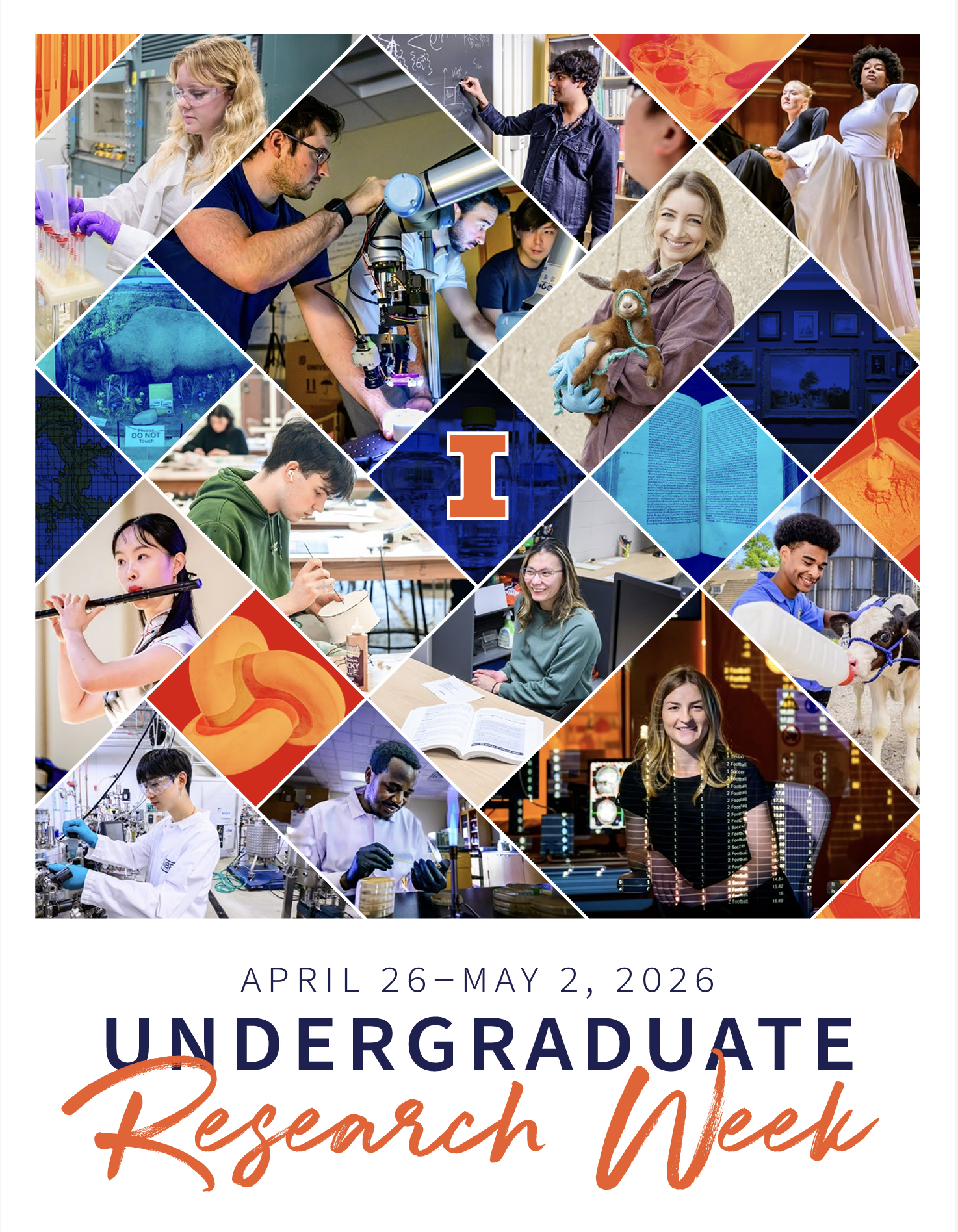
Media students to present at 2026 Undergraduate Research Symposium


Students from all majors in the College of Media will participate in the annual University of Illinois Undergraduate Research Week, held April 26-May 2.

2026 Undergrad Research Week

Update June 2, 2026: The team of journalism students who presented “They Want to Go Home: Ghana’s Kayayei” received an Outstanding Poster Presentation Award.

***

At the Undergraduate Research Symposium, the signature event held on Thursday, April 30, at the Illini Union, students across campus will present their research.

Below is a list of Media student presentations as well as acknowledgements of Media graduate students and faculty who have mentored students presenting at Undergraduate Research Week.

See the full program.

Oral Presentations

Student Activism, Advocacy & Belonging

Queering the Dorm: Tracing Allen Hall’s LGBTQ History Through Oral History
                Jenny Lin, Senior, Journalism
                (Research Mentor: Siobhan Somerville, Gender & Women’s Studies)

Analyzing Intersectional Discrimination

Film Study on How 1990s Western-centric Narratives Impact the Representation of Chinese Characters
                Yidan Hu, Sophomore, Media & Cinema Studies
                (Research Mentor: Carrie Wilson-Brown, Media & Cinema Studies and Advertising)


Poster Presentations

Social Science & Human Behavior

An Analysis of Marketing Strategies and Best Practices in Agritourism Businesses
                Hailey Kotowski, Senior, Advertising
                (Research Mentor: Renata Endres, Recreation, Sport & Tourism)

Learning & Human Development

From Screen to Shopping Cart: Consumer Responses to “As-Seen-In” Shoppable Ads in Streaming Television
                Abby Wilson, Junior, Advertising
                (Research Mentor: Michelle Nelson, Advertising)

BTW 250 Ideas Expo

Identifying a Refined Mission for the Union Courtyard Café
                Katie Fedorski, Sophomore, Undeclared, EXP
                George Lefebvre, Sophomore, Environmental Social Sciences, ACES
                Case Rosenfeld, Freshman, Business Undeclared, BUS
                Ally Szarek, Sophomore, Advertising

Society, Culture & Social Issues

Creating With Compliance: A Student-Led Usability & Engagement Study
                Pihu Chawra, Sophomore, Industrial Design, FAA
                Thea Abang, Sophomore, Computer Science + Advertising
                Glyce Mitchell, Sophomore, Computer Science + Advertising
                R. Talagadadeevi, Sophomore, Computer Science + Advertising
                (Research Mentor: Marisa Peacock, Advertising)

Cells & Molecules

Effect of Lithium Salt Concentration on Ion Motion in PEO-Based Polymer Electrolytes

                Yueming Gong, Sophomore, Media & Cinema Studies
                (Research Mentors: Varun Nelavoy, Chemical & Biomolecular Engineering & Christy Landes, Chemistry)

Data & Information

An EEG-Based Computational Pipeline for Affective Measurement of Consumer Sentiment
                Alexia Rendon, Senior, Computer Science + Advertising
                Ocean Ng, Sophomore, Computer Science, ENG
                Aditi Cherukuri, Sophomore, Brain & Cognitive Science, LAS
                Zaynab Ahmad, Junior, Neuroscience, LAS
                Bilal Arif, Freshman, Computer Science, ENG
                (Research Mentor: Marisa Peacock, Advertising)

Nature, Life & Environment

Genetic Disorders in Domestic Cats: Inheritance Patterns and Ethical Breeding Implications
                Ziyi Wang, Sophomore, Advertising
                Taoran LI, Freshman, Comparative & World Literature, LAS
                (Research Mentor: Alicia Schneider, Animal Sciences)

Social Issues & Policy

They Want to Go Home: Ghana’s KayayeiOutstanding Poster Presentation Award
                Adelyn Mui, Senior, Journalism
                Prayse Odomes, Senior, Journalism
                Samuel Rink, Junior, Journalism
                Samuel Yohnka, Junior, Journalism
                Kaitlyn Devitt, Senior, Journalism
                (Research Mentors: Alison Davis, Journalism & Charles “Stretch” Ledford, Journalism)

Social Science & Human Behavior

Algorithmic Temporality and Parasocial Connection in Influencers
                Cody Drake, Junior, Advertising
                (Research Mentor: Veranika Paltaratskaya, Institute of Communications Research)

Food Systems

Bridging Research and Public Understanding: Inclusive Digital Engagement for Agrifood and Climate Data
                Ektarit Nophaket, Sophomore, Computer Science + Advertising
                Christina Chen, Senior, Advertising
                Zhuoyi Wu, Senior, Advertising
                (Research Mentor: Marisa Peacock, Advertising)


Undergraduate Research Apprenticeship Program 2026 Cohort

The Undergraduate Research Apprenticeship Program offers undergrads with little or no research experience the opportunity to work with graduate students and post-doctoral scholars on their research projects, explore the culture and process of research, and build on their existing abilities within a community of scholars. Running each Spring semester, the program consists of a one-on-one research experience with their research mentor, and the Introduction to Research course, designed to complement the research mentoring experience, orienting undergraduate mentees to broader topics in the research process.

  • Thea Abang, Freshman, CS + Advertising
    (Research Mentor: Marisa Peacock, Design for Responsible Innovation)
  • Cody Drake, Junior, Advertising, and Sustainable Design, FAA
    (Research Mentor: Veranika Paltaratskaya, Institute of Communications Research)

Media Research Mentors

Science & Technology | 12:15 – 1:30 PM, Illini Rooms ABC & South Lounge

Creating an Inclusive IT Learning Space: Understanding Media Literacy and Technology Access for Retired Older Adults
                Maaike Niekerk, Senior, English, LAS
                (Research Mentor: Stephanie Craft, Journalism)

Student Activism, Advocacy & Belonging | 3:45 – 5:00 PM, Room 213

The Impermanence Problem: Building Durable Student Advocacy at the University of Illinois
                Hunter Farnham, Senior, CS + Economics, LAS
                (Research Mentor: Matthew Ehrlich, Journalism)

Social Science & Human Behavior | 3:45 – 5:00 PM, Ballroom (2nd Floor)

Mindless Scrolling, Cognitive Control, and Psychological Well-Being: Correlational Evidence from a Stroop-Based Study
                Pushti Vora, Senior, Brain & Cognitive Science, LAS
                (Research Mentor: Kevin Wise, Advertising)

Share on social

Maria Emilia Mancero

Get to know some of our College of Media students! Maria Emilia Mancero is a Class of 2026 advertising major.

Maria Emilia Mancero

What led you to your decision to major in advertising at Illinois?

I’ve always been artistically inclined, so I knew I wanted to major in something where I could still be creative. Advertising checked all those boxes for me. Once I realized that was the path I wanted to pursue, I started searching for schools that offered strong advertising programs.

Illinois immediately stood out to me because it has the oldest advertising program in the country, and as someone from Chicago, I liked that it was still relatively close to home. I also liked that the curriculum felt more specialized. It includes a lot of creativity but still gives students the flexibility to shape the major around their own interests. That was reassuring for me because I didn’t want to pursue something that was overly technical or heavily mathematical. I wanted room to explore different creative directions, and the Illinois advertising program gave me that opportunity. Along with the university’s large network and resources, Illinois felt like the best place for me to study advertising.

What advertising course has been the most valuable to you?

A course that stood out for me was ADV 360: Innovations in Advertising, which introduced me to a lot of the technology and strategy behind modern advertising. I also took ADV 480: Social Media Analytics, where we learned about things like Google search, organic search results, and key metrics such as impressions, clicks, and click-through rates. Even though I originally preferred the creative side of advertising, I found myself deeply interested in ad technology and the analytical side of the field.

I also took ADV 392: Advertising Immersion and Experiential Learning, which allowed me to apply what I was learning. We worked on running Amazon advertising campaigns, developed bidding strategies, and analyzed performance data to see whether our campaigns were successful. I found it fascinating because while creativity plays a role in strategy, it ultimately comes down to understanding the numbers and how to use them effectively. These classes opened my eyes to a new side of advertising I knew I wanted to pursue.

What has your experience been like in the American Advertising Foundation?

I joined AAF during my freshman year and was involved for about two years. I was a part of On The House, which is an agency within AAF that allows students to work on real client projects. Our team worked with a local Mexican restaurant in the Urbana-Champaign area, where we helped with rebranding and designed new menus. It was a really valuable experience because it was likely the first time many of us had ever worked directly with a client—already building experience as freshman. Since the owner primarily spoke Spanish, I was able to communicate with them in Spanish and help bridge that connection with our team, which made the experience even more meaningful for me. I was also involved in AAF’s DEI committee; now known as the Pangaea agency, where we planned cultural events and initiatives within the organization. While it was more community-focused, it was still a great way to connect with others in the advertising program and get more involved in AAF.

What are your career goals after graduating from Illinois, and how has the College of Media helped prepare you for them?

My long-term goal is to work in product marketing or product management. I’ve become really interested in roles where you can help take a product from the initial idea all the way through launch and marketing. I like the idea of combining the creative and strategic skills I learned in advertising while also growing into more of a leadership role focused on a single product.

The College of Media has been really supportive in helping me prepare for these goals. The advisors and faculty are very approachable and always willing to talk with students, which makes a big difference. My advisor has been a great support system, and I’ve always felt comfortable reaching out to professors for guidance. The small size of the college allows for more intimate connections compared to larger colleges, where that isn’t as easy. The college also emphasizes hands-on projects and collaboration in many classes, which has helped me build skills that are vital in advertising. Additionally, Media Career Services frequently provides great networking and career opportunities for students. Overall, the college provides many resources for students to grow in their respective fields.

What advice do you have for students trying to secure internships?

My biggest advice is to leverage the experiences you already have. When applying for internships, I talked about the courses I took at Illinois that introduced me to the skills and topics relevant to the role. It’s important to show employers that you’re intentionally pursuing opportunities that align with your interests. I would also encourage students not to limit themselves geographically or professionally. My current part-time role as a search engine specialist came through a family connection with a marketing agency based in Ecuador, which is where I’m originally from. Working remotely with an international team has allowed me to gain more experience while also using my Spanish. Stepping outside your comfort zone can lead to really rewarding opportunities!

What advice do you have for incoming advertising and media students?

I would advise students not to limit yourself based on what you initially think you want to do. When I first started, I thought I wanted to focus purely on the creative side of advertising, like designing billboards and ads. But once I explored more of the curriculum, I realized my interests were actually in other areas of the field. The advertising program offers a wide range of courses across different areas like strategy, technology, and creative work, so I encourage students to take advantage of that. Try classes in different parts of the curriculum and stay curious rather than feeling like you need to decide on a specific path right away. Being open to exploring different areas can help you discover interests you might not have expected and ultimately find the direction that fits you best!

Interview by Alexa Camacho Villicana, New Voices Intern

Share on social

Liliana Rodriguez

Get to know some of our College of Media students! Liliana Rodriguez is a Class of 2026 journalism major.

Liliana

What led you to your decision to major in journalism at Illinois?

Since high school, I knew I wanted to be in front of the camera and behind the mic. I’ve always been drawn to storytelling and connecting with people. Although my high school didn’t offer journalism or broadcasting classes, I took initiative by contributing to the school newspaper and reporting on football games. At the time, I didn’t fully understand what journalism was, but that experience confirmed my interest to pursue journalism as a career path. Choosing journalism at Illinois felt like a natural next step.

During freshman orientation, I toured Richmond Studio and saw firsthand the professional resources available to journalism students. The newsroom and industry-standard equipment reassured me that I would have the opportunity to gain real, hands-on experience early on. Ultimately, Illinois stood out because of the opportunities it offered and the experiences I knew I could gain here.

What journalism course has been the most valuable to you?

The most valuable course I’ve taken is JOUR 340: Video Reporting and Storytelling with senior lecturer Alison Davis. In this class, I developed practical skills in writing, producing, and presenting video content in a way that is both informative and engaging. Overall, the class helped me grow as both a communicator and storyteller. More importantly, the course reinforced my confidence in pursuing journalism as a career.

What has your experience been like in Fighting Illini Productions?

I currently hold a video production internship at Fighting Illini Productions. Through this internship, I’ve gained hands-on experience in television production and had the opportunity to work with the Big Ten Network’s StudentU, where I was able to serve as an analyst for Illinois softball and provide live commentary during games. Through Fighting Illini Productions, I’ve strengthened my skills both on and off camera within my area of interest in sports media production. I also had the opportunity to intern with the Chicago Sky this past summer, which further expanded my professional experience and network.

What are your career goals after graduating from Illinois, and how has the College of Media helped prepare you for them?

After graduating, I plan to continue pursuing a career in sports and entertainment media, ideally in a role that allows me to be on camera and engage directly with audiences. While sports media has always been my primary interest, my experiences in the College of Media have encouraged me to explore other areas of journalism, including science journalism, media law, and business reporting. Opportunities to interview music and entertainment groups helped me realize that my interests extend beyond sports and into the broader entertainment industry. My long-term goal is to work in a role where I can interview celebrities and influential figures, particularly at major events such as award shows.

The College of Media has prepared me for this path by providing hands-on experience in video production, editing, and storytelling. I’ve developed technical skills using Adobe platforms, as well as experience in photography and audio editing. Just as importantly, I’ve grown more confident in my ability to communicate with others and navigate professional environments. Overall, Illinois has played a key role in shaping both my development as a journalist and my growth as an individual. I’m truly so grateful.

What advice do you have for incoming journalism students?

My biggest piece of advice is to enjoy the moment and to not get too caught up in the pressure. It’s easy to become overwhelmed trying to find the perfect story, secure sources, or worry about whether your work will be accepted. It’s important to remember that professors are there to support you, whether helping you find a new angle or reaching out to a source. The College of Media really tries to understand and engage with their students. Because the College of Media is relatively small, students have many opportunities to build relationships with professors and receive one-on-one support. Sometimes all you need to do is take a step back and breathe. Time goes by faster than you think—I can’t believe I’m already a senior preparing to graduate. Make the most out of your undergraduate experience and have fun!

Interview by Alexa Camacho Villicana, New Voices Intern

Share on social

P&G learned how to sell soap then created iconic brands


Ivory was one of the first packaged goods that led the branding revolution.

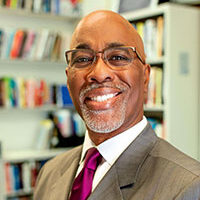
Jason P. Chambers

Professor of Advertising
Jason P. Chambers

In celebration of America’s 250th birthday this year, the USA Today network is taking a look at iconic companies that were founded and flourished in the nation.

Jason P. Chambers, professor of advertising and associate dean for access and engagement, shared his insights on the branding impact of Proctor & Gamble (P&G), the makers of Ivory soap, in the “Iconic Brands” series, which celebrates American ingenuity with a deeply reported examination of how brands intersect with history, community, and everyday life.

Chambers said brands like P&G emerged in the last decades of the 19th century as the manufacturing industry surged after the Civil War. Not only did the economy get bigger due to growing steel, railroad, and oil industries, but American consumers changed as well.

As more laborers worked in factories, not farms, they had more money, but less time. Consumers were more inclined to buy items that a previous generation would have made themselves—from clothing to crackers to soap, he added.

Share on social
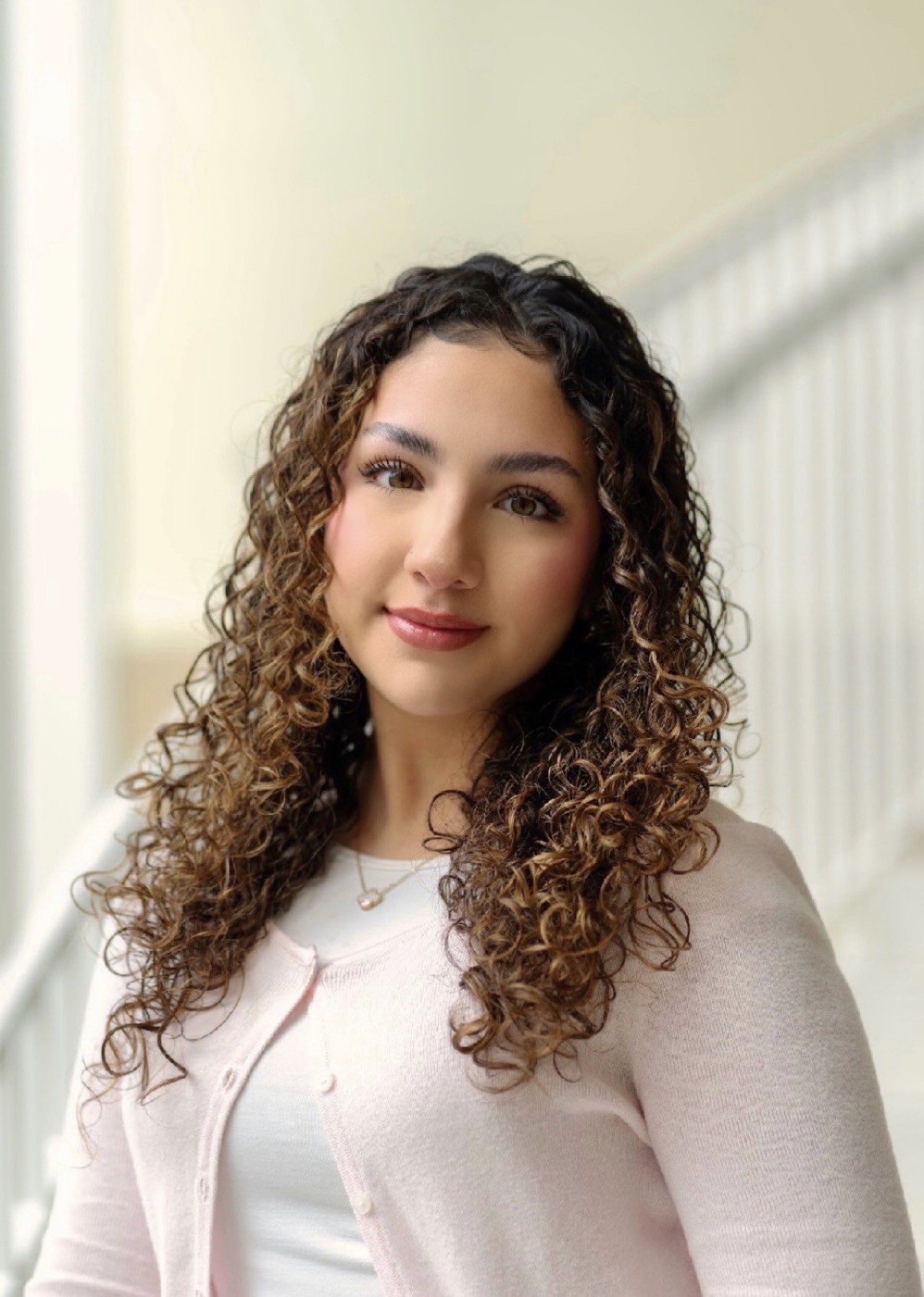
Skornia Symposium to explore current public media challenges


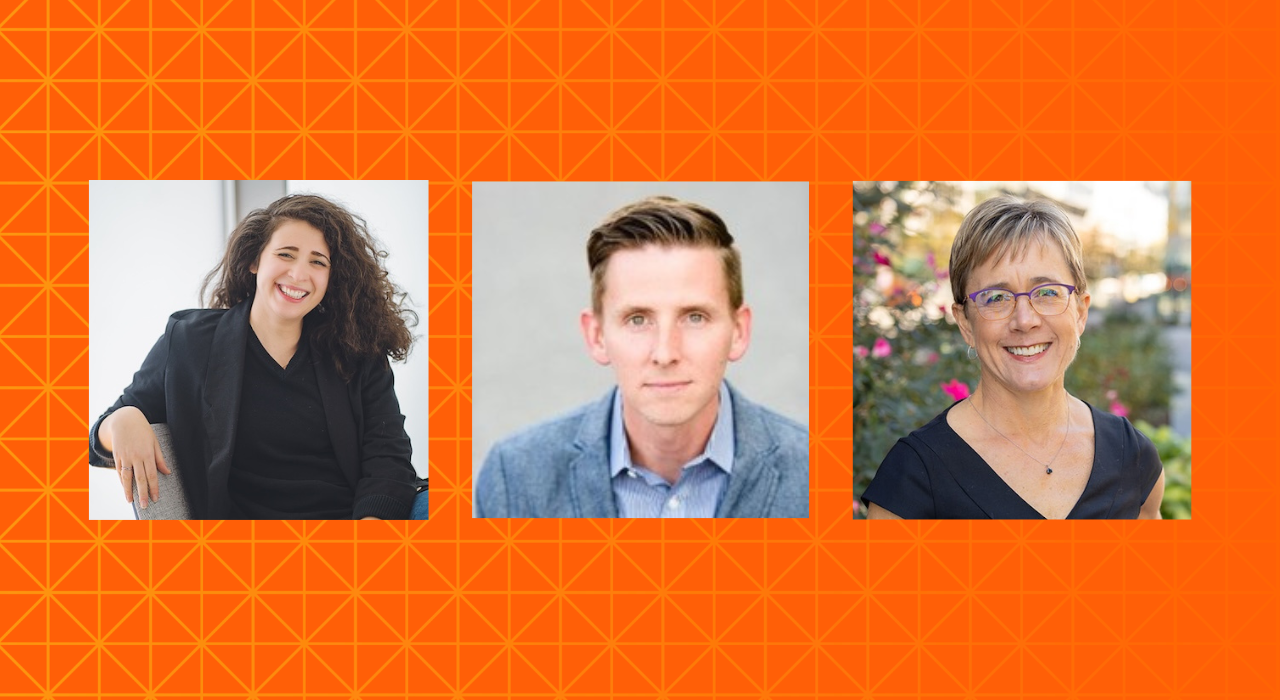
Members of the campus community are invited to the 2026 Skornia Symposium on Friday, May 1, to explore the challenges public media faces today. The event is free and will be held from 10:30 a.m.-12 p.m., at Collins Studio, Campbell Hall, located at the northeast corner of Main and Goodwin in Urbana.

Skornia Symposium panelists

Rapid shifts in technology, AI, media consumption habits, and funding have challenged media organizations to adapt their approaches to understanding and serving audiences. Academic and industry experts will discuss how public media can best engage with audience research to identify and meet community needs, strengthen audience relationships, and innovate content in ways that honor public media’s mission. 

Panelists include:

Joni Deutschsenior vice president of podcast marketing and audience development at The Podglomerate

Deutsch is an award-winning audio professional and NPR veteran with 15 years of experience as a project manager, podcast marketer, and audience growth specialist. In her current role, she leads marketing and audience growth strategy for a high-profile portfolio of podcast clients including NHPR’s “Bear Brook” (downloaded 25 million times and praised as one of the “best true crime podcasts” by The Guardian and Paste Magazine) and Magnificent Noise and PRX’s “This Is Dating” (named “one of the best podcasts of 2022” by New York Times and Vulture), as well as PBS, NPR, Netflix,The Boston Globe, Freakonomics Radio, Stanford, Harvard, HubSpot, and more.

Seth Lewisprofessor and Shirley Papé Chair in Emerging Media, journalism program director, University of Oregon

In his research, Lewis examines the social implications of emerging technologies and their consequences for news and public life—from the early days of social media to contemporary developments in automation, algorithms, and generative artificial intelligence. He has authored several books, including News After Trump: Journalism’s Crisis of Relevance in a Changed Media Culture (Oxford University Press, 2021), co-authored with Matt Carlson and Sue Robinson, and the edited volume Boundaries of Journalism: Professionalism, Practices and Participation (Routledge, 2015).

Amy Mitchell, founding executive director of the Center for News, Technology & Innovation

Prior to her role at CNTI, Mitchell served as managing director of news and information research at the Pew Research Center. In her 25 years with Pew Research, Mitchell helped launch the journalism research program and served as managing director. She was responsible for the center’s research related to news and information, including how the public accesses, engages with, and creates news, what news organizations are providing, and the evolving role of technology in the flow of news and information.

Share on social

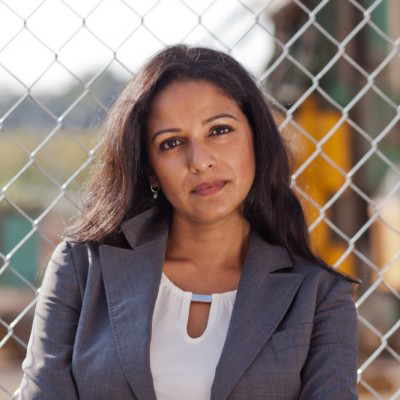
Take 5 with Media Alumni: Kavitha Cardoza


Kavitha Cardoza (MS ’02, journalism) is an assistant professor of journalism at the University of Richmond, and an award-winning reporter, recently being awarded the prestigious American Mosaic Journalism Prize for exemplifying excellence in reporting on underrepresented communities in the United States.

Kavitha Cardoza

About Kavitha Cardoza

Her work has been seen, heard, and read by millions on outlets like NPR, BBC World News, The Washington Post, The Guardian, and The Atlantic. She was also the host of Breaking Ground with Kavitha Cardoza, a documentary series on education that aired on more than 150 public radio stations.

Originally from India, Cardoza earned bachelor’s degrees in English literature, economics, and psychology, as well as a master’s degree in communication, before coming to the United States. Cardoza says her decision to get a master’s degree in journalism at the University of Illinois College of Media completely changed her life. Read more about this Media alum who has been passionately elevating stories on “the last, the least, and the littlest,” for the past 20 years.

*Q&A transcribed from Zoom interview and edited for length and clarity.

1. Most of your reporting focuses on underrepresented communities and giving voices to vulnerable populations. Why are you drawn to these stories?

When I came to the U.S., I was very surprised because you don’t see poverty the way you see it in India. Over here, sometimes we pretend it isn’t happening, or it’s not around us, when, in fact, there’s deep, deep poverty. I worked for many years for the local NPR affiliate in Washington, D.C., and my beat was education and poverty, and I would see children who didn’t have food, [living] in terrible poverty in our nation’s capital.

There’s this American [sentiment] of pulling yourself up by your bootstraps and the belief that if you haven’t gotten out of poverty, you haven’t tried hard enough. That’s just not the case. There are all kinds of systemic issues that can impact poverty and so, I really felt strongly about bringing these stories to light and showing these struggles, and how people internalize them—thinking it’s their fault or they’re not good enough—when really there are much bigger forces at play.

There are people really, really hurting, and we need to tell their stories. Journalists can elevate those voices because of the platform we have. I cannot imagine doing anything else. I cannot imagine anything else giving me more meaning. I really do wake up every morning feeling like I’m doing something that matters, and I feel so lucky.

2. You’ve covered education, health, and poverty for decades, but you’ve said a story you wrote as a College of Media student about a roadkill collector stands out. Why?

My very first story for audio was to do a profile of someone, and at that time, I was driving from Springfield to Urbana-Champaign and noticed these marks on the road that I later learned were from roadkill. As an international student, I had never heard of roadkill so when I found out, I thought, ‘Oh my gosh, wouldn’t it be cool and interesting to profile the roadkill man? Like, who does this for a job?’

I think this guy thought I was totally crazy when I first called and asked to do a ride along. He was this 6’4 African-American guy from the South and I’m this 5-foot-nothing brown girl from India—you couldn’t get further apart in terms of our backgrounds, and there we were, spending the whole day in the truck and talking and trying to learn about each other, because for every question I had, he had questions for me as well. They dig a kind of grave, usually at the side of the road, and bury the roadkill there, so he had got out to do that, and I had gone with him. We were at the side of the highway, waiting to cross to get back into this big orange truck and when you’re outside your car on the highway, the noises are so loud, the cars are just whizzing by, and it’s totally overwhelming and feels so much more dangerous than when you’re inside your car.

Both of us had to cross the road, and without thinking, we instinctively just held hands and ran across the road together. I thought to myself, that is such a metaphor for what we’re doing in life, right? It’s like we’re so different, and all we’re trying to do is get support from each other and understand each other and try and cross the road and not have something hit you. It just became this beautiful lesson to me that taught me to never say or think to myself that a person and I have nothing in common. I always believe we have common ground—I can understand someone, and they can understand me. All it takes is the willingness to start a conversation.

It’s also how I got my first job. Another professor had us ask a news director anywhere in Illinois to critique our work. So, I took my roadkill story to the news director of the public radio station in Springfield, Illinois, and I said, ‘This is a class assignment, do you mind critiquing it for me?’ He said he was born and raised in central Illinois and never thought of doing a story like this. Then he offered me a job. I really owe my career to that little story.

3. What led you to pursue a graduate degree in journalism at Illinois, and what was your experience like?

I came to the U.S. and I thought I’d get a degree and work for one year as a reporter and then start on my PhD. I did my master’s at Illinois, and the journalism bug just bit me and never left!

Illinois changed my life. I would not trade it for anything. When I was a student, I felt like people went out of their way to help. I feel like my professors poured into me, and they have been my educators for life. When I had to negotiate my first salary, I called a professor. When I moved to a bigger market in D.C., I called a professor. When I got married, I invited my professors. They are such a part of my life, and I’m so, so grateful to them.

4. How does your experience as a working journalist shape your teaching?

Most of my students are getting their news from social media. They’re not consuming and creating news the way I did, and so I wanted to keep up. I felt if I’m going to be someone’s teacher, I want them to have the most up-to-date kind of way of doing things. And when we talk about ethics, which I talk about in almost every class, I wanted up-to-date examples. I never want to stop practicing journalism so I can feel like I can bring my experience back to the classroom and my students and keep discussions relevant.

5. With journalism constantly evolving, what remains constant for you?

When I was at the U of I, we were still using something called carts—they’re like bulky cassettes you don’t even use anymore for broadcast journalism—and the format has changed several times over since then. I’ve already seen so many changes, and with AI, there are going to be many more. But I always tell my students, you can write with your finger in the sand, or you can write on the latest Mac computer. It doesn’t matter what you’re writing on, if you don’t have something to say. And that is my job—to help students figure out what they have to say. To me, that is most important, and so I’m sure by the time these students graduate, or by the time they are mid-career, AI will probably be old, and they will be wrestling with technology we haven’t even heard of or thought of yet. But really, learning how to think is why they’re in my classroom and that is what I focus on.

Share on social
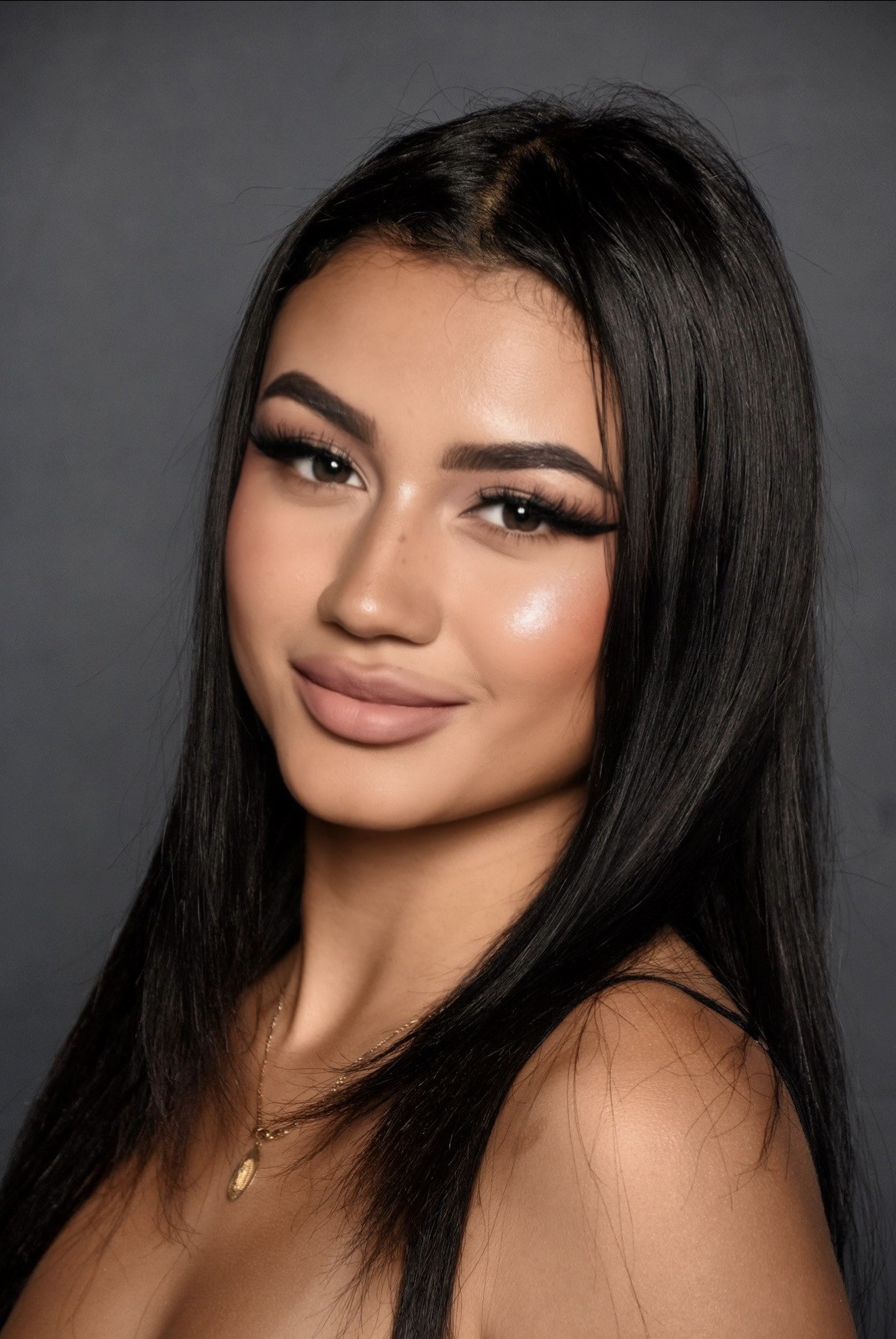
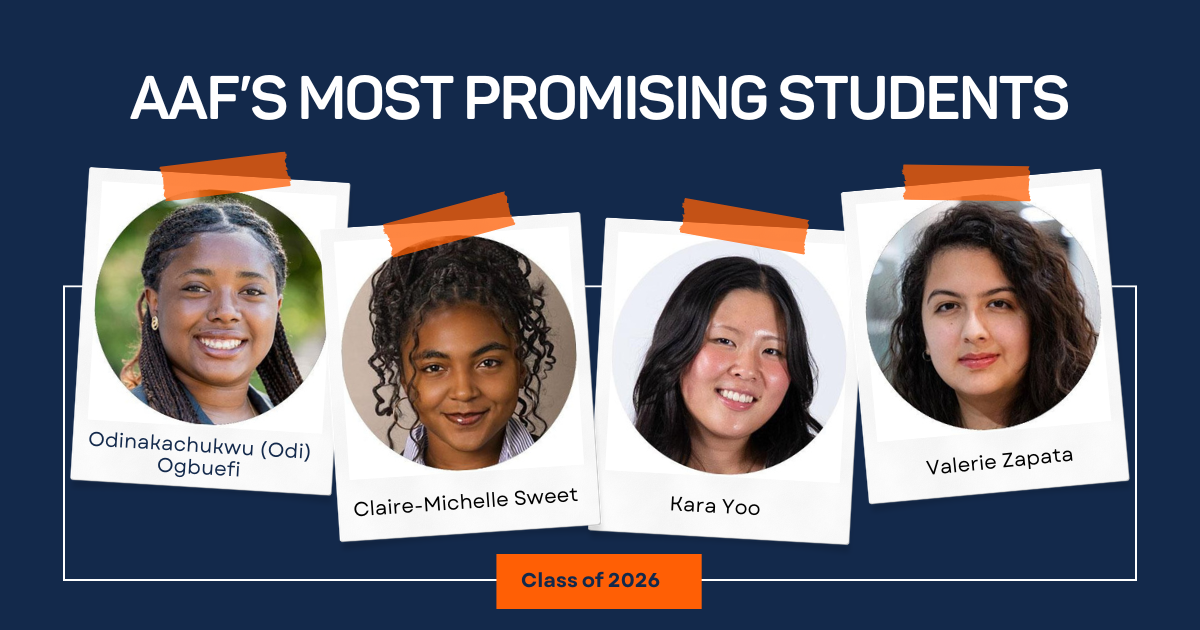
Advertising students named to AAF’s Most Promising Students program


Four seniors in the University of Illinois chapter of the American Advertising Federation were named to the American Advertising Federation’s Most Promising Students Class of 2026—an honor given to select students each year throughout the United States. Honorees include advertising majors Odinakachukwu (Odi) Ogbuefi, Claire-Michelle Sweet, and Kara Yoo. Valerie Zapata, a marketing major, was also selected.

AAF Students

The students were invited to an industry immersion program in New York on March 23-27, where they visited various agencies and brands, saw customized billboards of themselves displayed on Times Square, and networked with countless individuals at some of the top advertising, marketing, and media companies in the country.

Before the conference, students were split into five teams to participate in the annual pitch competition. In partnership with dentsu and Adobe, students were presented with a brief that challenged them to use various Adobe products to build an activation plan for a fictitious coffee brand. During the week in New York, students presented their pitches to executives from both dentsu and Adobe. Sweet was part of the winning team.

At the completion of the Most Promising Students program, students were honored and celebrated at the Building Bridges Brunch, where they had the opportunity to share their personal taglines and connect with their mentors. The event ended with a Recruiters Expo, where students engaged in one-on-one conversations and interviews with companies eager to connect with the next generation of talent.

The Most Promising Students Program began in 1997 and serves as part of AAF’s mission to ensure that the advertising industry is led by a wide variety of informed perspectives, cultural influences and diverse backgrounds.

Since the program’s inception, nearly a thousand students from colleges and universities across the country have participated in this premier event. Students attribute the success in obtaining a job after graduation to the distinction that comes from participating in the Most Promising Students program.

Share on social

College of Media
119 Gregory Hall
810 S. Wright St.
Urbana, IL 61801
217-333-2350