Super Bowl commercial expert Pat Burke to be alumni speaker at Media Convocation


Patrick Burke (BS ’95, advertising)—the creative mind behind top-rated Super Bowl commercials for Lay’s, Rocket Mortgage, and Jeep—will serve as the alumni speaker at the 2026 College of Media Convocation ceremony.

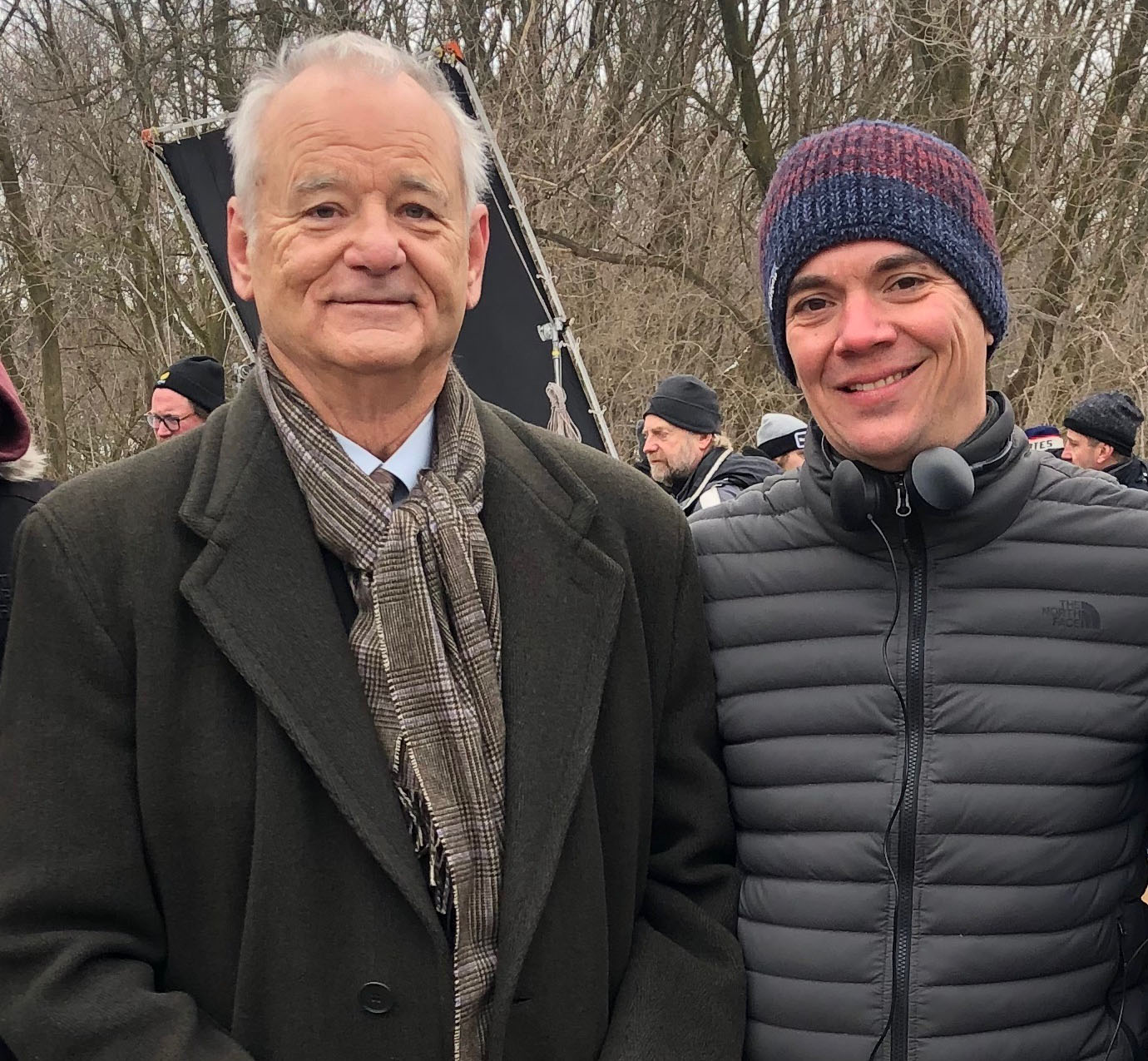
Pat Burke and actor Bill Murray on the set of the 2020 Jeep “Groundhog Day” Super Bowl commercial.

Now the executive creative director at the Los Angeles–based ad agency Special U.S., Burke most recently oversaw the 2026 Uber Eats Super Bowl campaign, bringing his total number of Super Bowl commercials created to 18.

Although Burke didn’t originally set out to become a leader in Super Bowl advertising, he says he’s grateful for the success and opportunities the path has brought.

“It wasn’t my intention to build my career around the Super Bowl, but that definitely led to [my current job] opportunity and even things like the U of I wanting me to speak at convocation,” he said.

Burke, a three-time commercial Emmy nominee and winner of a Cannes Lions Grand Prix, spent the first 30 years of his career in the Chicago advertising industry working at several different agencies, including DDB Chicago, Ogilvy & Mather, and Highdive Advertising.

While at DDB, Burke helped create two Super Bowl commercials that scored in the top five of the USA Today AdMeter ratings. During his six years at Highdive, he made six commercials that landed in the top-five AdMeter spots.

In 2025, Lay’s “The Little Farmer” scored #2 on the USA Today AdMeter. In 2020, Rocket Mortgage’s “Comfortable” starring Jason Momoa scored #5 and Jeep’s “Groundhog Day” with Bill Murray won first place.  

“It wasn’t my intention to build my career around the Super Bowl, but that definitely led to [my current job] opportunity and even things like the U of I wanting me to speak at convocation.

Pat Burke

Executive Creative Director at Special U.S.

Burke said that collaborating with Murray on the Jeep commercial, a parody of the 1993 film, was the highlight of his career.

“I didn’t think we’d ever get [Murray] because he doesn’t really do advertising or commercials, and doesn’t have an agent, so he’s hard to reach,” Burke said. “Even if you want to get him to [make] a movie there’s a famous process you have to go through where you send your script to a P.O. Box in Charleston, South Carolina, and then you just wait, and you hope that he gets back to you.”

Murray would eventually see the script and agree to do the commercial just a few weeks before the Super Bowl.

A behind-the-scenes peek at the making of the 2020 Rocket Mortgage Super Bowl commercial starring Jason Momoa. Burke is seated in back, second from left.

“As far as celebrity encounters for me, it doesn’t get any better than Bill Murray,” Burke said.

Another career-defining moment for Burke was the 2012 release of the “Skittlespox” commercial, which he crafted for Skittles while working at DDB Chicago.

The commercial sparked some controversy among critics who found the premise odd, and even Burke admits it may have run for too many years. But the ad is still the highest-testing Skittles commercial in brand history and a pop-culture phenomenon inspiring countless online re-creations and Halloween costumes.

For Burke, seeing an idea he’s worked on for months come to fruition is the best part of his job.

“You come up with an idea that you think is amazing, and so often, it doesn’t end up getting made, or if it does, it gets changed—death by a thousand cuts,” Burke said. “If something does make it all the way through and it gets made in a way that you pictured it, seeing all [the work] come to life is definitely the fun part.”

Burke’s return to campus will bring him closer to the western suburbs of Chicago where he grew up. Burke, who described his younger self as a “creative kid,” came to the University of Illinois to study art but then switched his major to advertising.   

He credits a class with Peter Sheldon, senior lecturer of advertising, for having a major impact on him and his future career.

“Peter is just a brilliant creative himself and so we all learned a ton from him. He had us all inspired and feeling like we could actually do this for a living,” Burke said. “A bunch of us [in his class] ended up getting jobs and succeeding in the industry, and are still working today, so he’s got a good legacy.”

Burke and actor Jason Momoa.

Burke keeps in touch with Sheldon and has returned to his class over the years to give feedback on student portfolios.

A nature enthusiast who enjoys fly fishing, camping, hiking, and backpacking, Burke has also published many pieces in outdoor magazines like The Drake, a grassroots journal about flyfishing.

Burke also serves on the board of directors for Chicago Voyagers, a non-profit organization serving Chicago’s at-risk youth through trauma-informed outdoor/adventure-therapy programming.

Burke encourages young graduates, especially those entering a creative field like advertising, to focus on simplicity in their work.

“Focus on a simple idea—those are what resonate. Just stick to it and always keep that as your North Star.”

Share on social
ICR team co-edits book on media, meanings surrounding quinceañeras


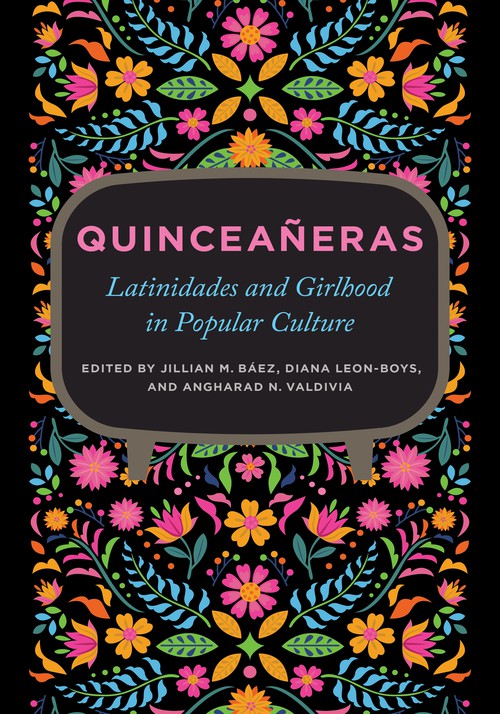
A team from the Institute of Communications Research, including two alumni and an emerita professor, have co-edited the book Quinceañeras: Latinidades and Girlhood in Popular Culture” (University of Illinois Press).

Quinceañeras book cover

Jillian M. Báez (PhD ’09, communications and media, ICR), Diana Leon-Boys (PhD ’20, communications and media, ICR), and Institute of Communications Research Professor Emerita Angharad N. Valdivia (PhD ’91, communications and media, ICR) edited a collection that draws on the expanding field of girlhood studies to examine the increasing visibility of the event and the figure of the quinceañera herself in pop culture.

The contributors focus on quinceañeras as a trope for English-language media’s treatment of Latina girlhoods and Latinx cultures but also examine how use of the quinceañera charts openness and inclusivity within Latinx culture.

Valdivia was part of an ICR team that also organized an exhibit on quinceañeras in 2022, with current ICR doctoral student Stephanie Pérez and alum Ariana Cano (PhD ’24, communications and media, ICR), who were also book contributors.

Share on social

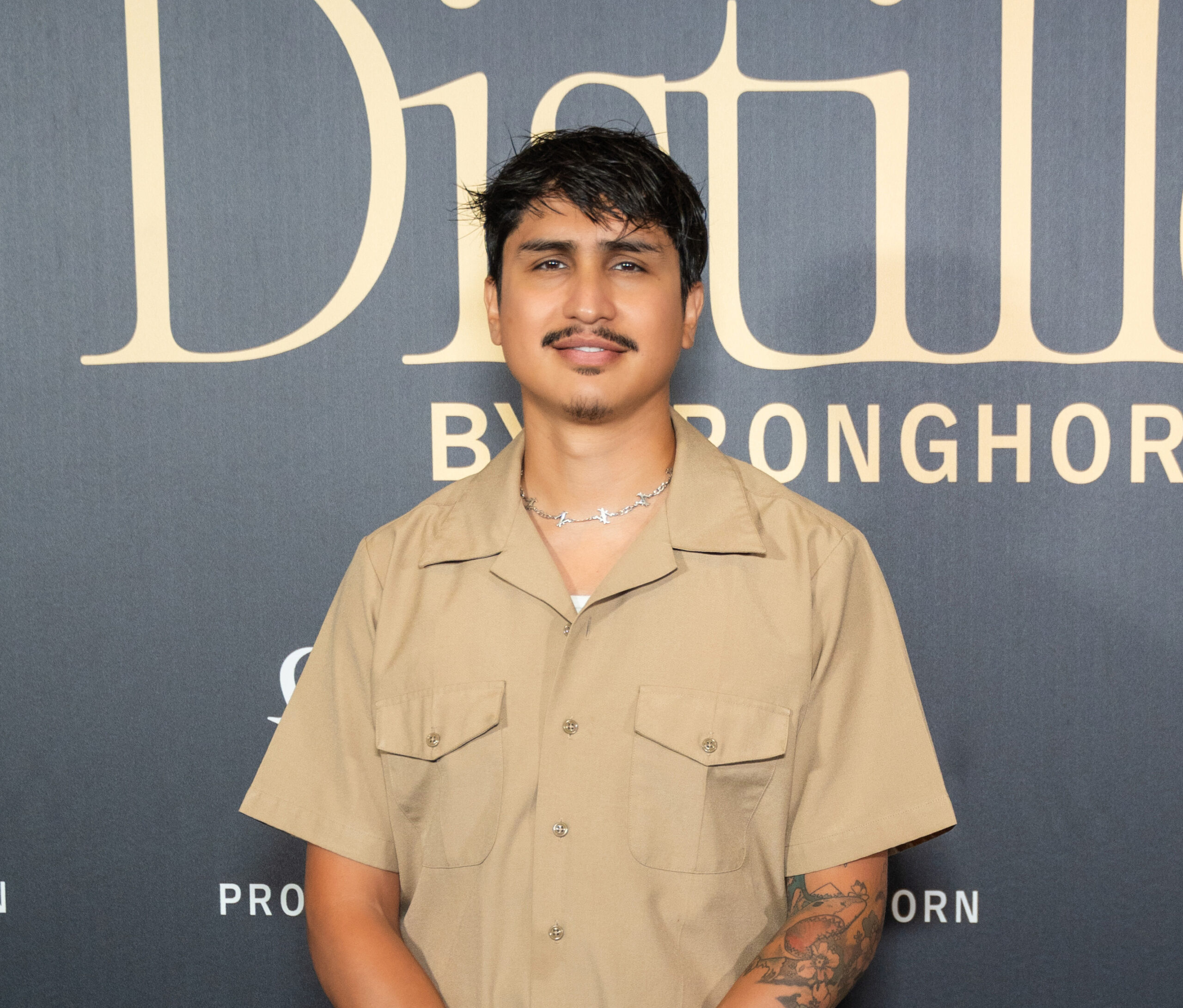
Take 5 with Media Alumni: Emmanuel Camacho


Emmanuel Camacho (BS ’11, media and cinema studies), founder of Manny Reel Films, is a Los Angeles-based film director and producer with a decade of experience crafting compelling visual narratives. His career spans music videos, short-form documentaries, and branded content, collaborating with industry giants like Nike, Google, Tidal, and Moët Hennessy. He has directed and produced a tour documentary for Lil Wayne, an inside look at Deadmau5’s record label, and Distilled (2024), a half-hour special on AMC+. Learn more about this College of Media alum, whose work merges documentary storytelling with cinematic aesthetics, capturing authentic moments that resonate across platforms.

Emmanuel Camacho

1. What first drew you to filmmaking and production, and how did that evolve into your current role today?

My first real appreciation for film and filmmaking began when I was 13. My older siblings, Paulina and Orlando, took me to the theater to see Kill Bill, directed by Quentin Tarantino. I remember being completely enthralled by the experience and asking myself, “How can a film make you feel so much?” That question stayed with me and sparked a deep love for cinema.

As I got older, that curiosity turned into intention. I enrolled in film-related classes and programs and eventually pursued a degree in media and cinema studies at the University of Illinois. After finishing undergrad, I knew I wanted to fully commit to building a career in filmmaking. I interned under Chicago-based documentary filmmaker Ben Kolak and later worked as an after-school arts instructor at the National Museum of Mexican Art, teaching Chicago high school students digital media arts.

From there, I began working independently, taking on clients across sportswear, food and spirits, nightlife, and music and culture media. Today, I live in Los Angeles and work with a wide range of clients producing social media content, editorial work, and long-form projects across film and television.

2. What do you consider your biggest career accomplishment. Is there one project that felt especially meaningful to you?

One of my biggest career accomplishments is sustaining my business as an independent filmmaker through major shifts in the media landscape, including the economic impact of COVID-19. Longevity in this industry isn’t guaranteed, and I credit it to staying grounded in my creative convictions while also building strong, lasting relationships with producers, clients, collaborators, and the friends and family who have supported me along the way.

A project that felt especially meaningful was directing a Google commercial in 2021, “Helping Small Businesses: Irazu, Chicago, IL.” It was one of the largest commercial projects I’ve directed, and beyond the creative fulfillment, it played a pivotal role in my career. The opportunity allowed me to make the full move to Los Angeles and continue pursuing my work as a film director at the next level.

Watch Camacho’s commercial:

3. What advice would you give to students who want to break into directing or production but don’t know where to start?

My biggest piece of advice is to create as much as possible and learn to enjoy the process of working. Early in my career, I passed on opportunities because I was too focused on compensation, when I should have been prioritizing experience and growth. That time is invaluable.

If paid opportunities aren’t consistent, create your own projects. Experiment with lighting, scout new locations, and revisit your edits to explore different approaches and workflows. With the Internet today, your work can reach audiences far beyond your immediate circle—you never know who might discover it and be inspired.

If this is truly what you want to do, do it. Stay persistent, stay curious, and keep making work.

4. The media landscape is constantly changing—how do you keep your work both current and true to your vision?

From a young age, I’ve been deeply interested in new media—likely influenced by growing up during the early days of the commercial Internet. I believe it’s important, especially as a student and creator, to stay informed about emerging trends and to actively experiment with new tools and technologies, including AI. Beyond technical growth, I draw inspiration from watching contemporary films, visiting museums, and engaging in creative conversations with friends and colleagues.

Staying true to my vision comes from having developed a clear and intentional visual identity over time. Through years of practice, I’ve learned how to create instinctively while maintaining a consistent point of view. I know what I want my work to look and feel like, and that confidence behind the camera is something I continue to refine through regular practice and self-reflection.

5. What’s one dream project you’d love to direct or produce in the future?

My ultimate dream project is to direct a feature film of my own. I’m especially drawn to telling lighthearted, character-driven stories set in Chicago, my hometown. Since moving to Los Angeles, I’ve become more aware of how Chicago is often portrayed through darker, heavier narratives—projects like The Chi or Chicago P.D. frequently frame the city as rough or dangerous.

While those stories reflect a real side of Chicago, they don’t represent the whole picture. I believe there’s an opportunity to reimagine the kinds of characters and stories that come from the city that highlight its warmth, humor, and humanity, and reveal the beauty that exists beneath the surface.

My hope is to bring those stories to life and, in doing so, inspire both Chicagoans and those who only know the city from afar to see it in a new light.

Share on social

ICR student selected for 2026-27 Humanities Research Institute Fellowship


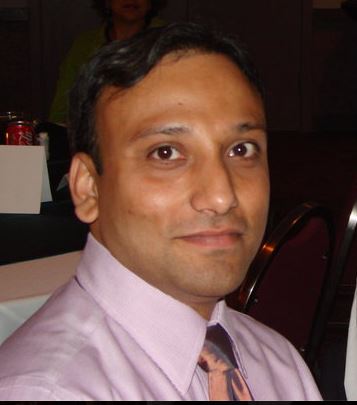
Anirban Mukhopadhyay, a student in the Institute of Communications Research, has been selected as a 2026-27 Humanities Research Institute Graduate Student Fellow.

Anirban Mukhopadhyay

Mukhopadhyaym will join six other graduate students and seven faculty members who will meet at the Humanities Research Institute throughout the year to address how they are rethinking research paradigms.

The theme for this year’s Fellowship is “Up Against Erasure,” which invites researchers to persuade others of the stakes of identifying processes of erasure, of being up against it, and of working in opposition to it. Mukhopadhyay’s research narrative is “Governing the AIR: Radio, Polity, and Nationalism in Postcolonial India, 1950–2023.”

As an HRI Graduate Student Fellow, Mukhopadhyay will receive a $25,000 stipend and a tuition and partial fee waiver.

HRI grants fellowships to Illinois faculty and graduate students, who spend the year engaged in research and writing. All HRI Fellows participate in HRI activities, including the yearlong Fellows Seminar.

Share on social

Content Creation Lab to help local high school students acquire media production skills


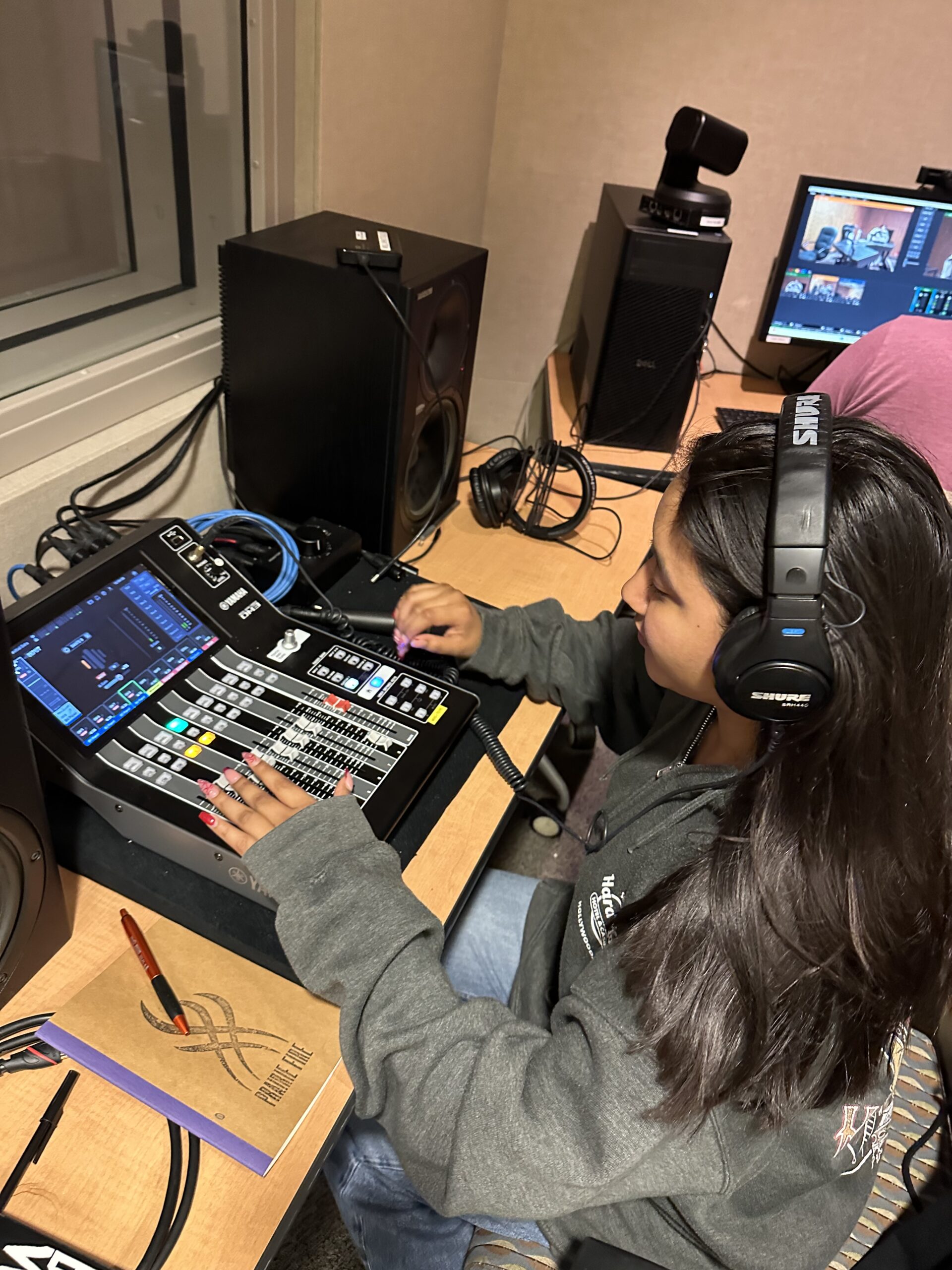
An open, hands-on media studio for local high school students will launch this spring that encourages critical thinking, media literacy, and community engagement.

audio workshop at IPM

Angela Aguayo, associate professor of media and cinema studies, created the Content Creation Lab to help young teens acquire media production skills. The pilot program, which will be held in new podcasting studios at Illinois Public Media, was awarded a grant from the College of Media and is supported by the Illinois Community Media Project.

The first Content Creation Lab workshop will kick off this spring on Saturdays, 10 a.m. to 12:30 p.m., on April 4, 11, and 25. There is no fee for students to participate.

Aguayo said the program will offer a space for teens to try out new ideas, collaborate, self-direct, and articulate their own perspective on the world through media production.

“My biggest hope is that local youth can see the College of Media and the Content Creation Lab as a resource hub and a space for exploration, that we are a location where students can come decide if they’re interested in developing lives as media makers, creators, and thinkers,” said Aguayo.

This spring, the Lab will focus on media literacy, audio production, storytelling, and podcasting. In Fall 2026, instruction in video production and short-form storytelling will also be taught.

Aguayo has been training a team of undergraduate and graduate students who will help facilitate the open studio lab, guiding participants to develop their own projects through a practice of media literacy and encouraging them to direct their curiosity toward the local community as a place of discovery. The student-led team includes journalism major Leonor Carrillo; Earth, society, and environmental sustainability major Angela Conde; and Institute of Communications Research doctoral students Tom Farrenkopf and Gillian Paxton. Carrie Wilson-Brown, senior lecturer of media and cinema studies and of advertising, will also help oversee the project.

There’s a barrier to students trying media production, and the idea of the Lab is to lower that barrier so that students who might want to pursue media—either as a hobby or as a profession or as a pathway of study—can do so without having it cost anything.

Angela Aguayo

Associate Professor of Media and Cinema Studies, Creator of Content Creation Lab

“We’re going to lead students through the process of thinking about the things that concern them the most, the questions that they have about their world and their local community, and where those stories show up,” Aguayo said.

High schoolers will also be able to experiment with audio and video tools to learn more about recording and editing, an invaluable opportunity for local teens who may not have access to production equipment or facilities. The Lab’s partnership with Illinois Public Media will provide an opportunity for young people to work in a professional media facility and acquire mentorship from experts there.

“There’s a barrier to students trying media production, and the idea of the Lab is to lower that barrier so that students who might want to pursue media—either as a hobby or as a profession or as a pathway of study—can do so without having it cost anything,” Aguayo said.

In addition to providing instruction and hands on experience with media tools, Aguayo would like to see the Content Creation Lab function as a space for continued research on the evolving pedagogical approaches to youth media production.

While some students may end up with a finished product, Aguayo envisions the Content Creation Lab as a creative space for development.

“The Lab is not outcome-focused, it’s process-focused. What we’re really doing is [determining] how we can help students understand that media production is a productive way to contribute to their community.”

Share on social

‘New York Times’-bestselling authors on presidential campaigns to visit University of Illinois for Q&A


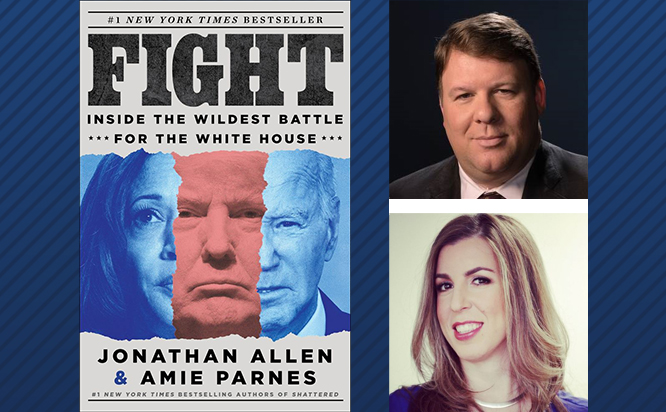
Jonathan Allen and Amie Parnes, co-authors of the New York Times bestsellers, “Fight,” “Shattered,” and “HRC,” will be on the University of Illinois Urbana-Champaign campus to discuss their recent reporting, Donald Trump, and a preview of the 2026 elections on Monday, April 20, from 5-6 p.m.

Fight book cover with headshots of Jonathan Allen and Amie Parnes

This event is free and open to the public and is presented by the Richard and Leslie Frank Center for Leadership and Innovation in Media at the University of Illinois College of Media. 

Attendees may join the event in the Illini Union, Room B, 1401 W. Green, Urbana, or register to join via Zoom. The conversation will be led by Colleen King, director of the Frank Center and clinical assistant professor of journalism. 

Allen is an award-winning senior national politics reporter for NBC News. He covers presidential campaigns, the White House, Congress, and national political issues. 

Parnes is a senior political correspondent covering national politics at The Hill. She previously worked as a staff writer at Politico, and during the first Trump administration, she was a CNN political analyst.

Their newest book, Fight: Inside the Wildest Battle for the White Housewhich provides an inside look at the Biden, Harris, and Trump camps during the 2024 battle for the White House—has been optioned for TV and film by Aline Brosh McKenna.

For more information, please contact Colleen King at cck@illinois.edu

Share on social

Take 5 with Media Alumni: Alex Studer


Alex Studer (BS ‘17, advertising) is the director of web strategy at Peacock. He joined the streaming service in 2020—playing a key role in its launch—and now leads all major web initiatives and experimentation strategies across PeacockTV.com. Previously, Studer worked in the advertising industry as an account executive at Deutsch NY, where he supported the ACUVUE account, and later at Ogilvy NY, where he led client workstreams for Gerber and Nestlé. Studer has received multiple industry honors, including a Sports Emmy, Webby nomination, and three Webby honorable mentions. He has also been recognized as a 2023 MAIPer to Watch and was honored as an ADCOLOR FUTURE in 2019.

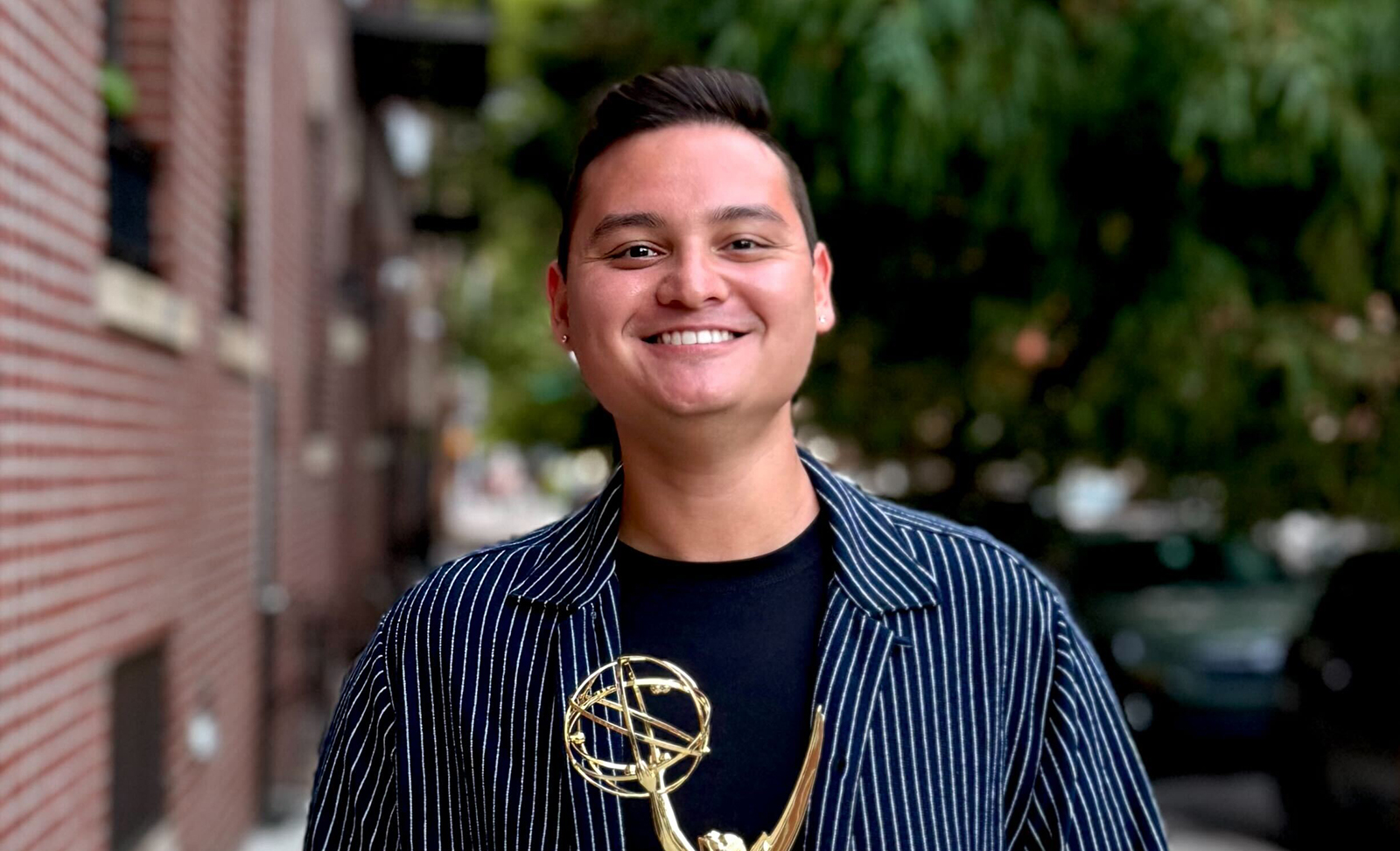
Alex Studer- Emmy

1. What is your current role at Peacock?

Currently, I’m the director of web strategy on the growth go-to-market team here at Peacock. I’ve been at the company for six years now and have been one of the key acquisition and experimentation leaders who have helped launch and grow the business. Put simply, my team runs our website (PeacockTV.com). We are responsible for everything consumers see when they come to our site, and we run experiments to try to get new users to sign up as efficiently as possible.

2. What do you find most challenging and most rewarding about your career?

The fast pace at which the marketing/advertising world moves is both a challenge and a reward for me. Each year, there are new advancements in technology, evolving consumer sentiments and values, and shifting company structures (e.g., mergers) in the industry that all result in a need to think into the future to stay ahead of it. This can for sure be daunting but also is satisfying as it challenges me to keep learning, adapting, and evolving alongside the industry.

3. When did you first realize advertising was the career path you wanted to pursue?

I started my journey at the University of Illinois as a pre-med psychology major. I spent my freshman year exploring different majors in the STEM world (electrical engineering, calculus, physics, and chemistry, to name a few), but everything changed my sophomore year on Quad Day when I stumbled upon the American Advertising Federation booth.

I’ll never forget my first AAF meeting and how inspired I was when learning that careers in advertising/marketing existed. The idea that you could have a career in a field where you analyze consumer behavior and use creativity to influence it really made an impact on me and motivated me to one day break into the industry.  After getting heavily involved in AAF throughout my sophomore year, I was elected to the executive board my junior year and ended up running AAF Illinois as president my senior year. AAF is the reason I was able to finally discover a career path that felt more in line with my passions and interests. It’s also the reason I fell in love with NYC, thanks to our industry immersion visits here.

4. What advice would you give to students trying to break into the advertising industry today?

The biggest piece of advice I would give is to fully maximize and learn how to talk about all your past experiences to help land your future ones. Even before I started gaining industry experience, I was able to gain relevant, transferable skills through my involvement in student organizations, which later helped me land internships.

Once you start to compile your own set of experiences, I’d encourage students to focus on networking with those who are in the advertising industry, and to seek out professional organizations that can help further your career. For instance, I was fortunate to land my first ad agency internship at Bailey Lauerman in Omaha, Nebraska, after meeting a senior leader during an AAF Illinois campus visit.

My senior year, I decided I wanted to start my career in NYC, but recognized I didn’t have a strong network outside of Chicago. I applied to the Multicultural Advertising Internship Program and became a finalist, which gave me the opportunity to move to NYC after graduation to intern at Saatchi & Saatchi NY. My career in NYC wouldn’t have been a possibility without these prior experiences as I was able to finally start building my network and career here!

Alex Studer Olympics
Alex Studer with fellow members of the 2024 Paris Olympics campaign team for Peacock.

5. You were part of a campaign team that earned the Sports Emmy for Outstanding Interactive Experience for the 2024 Paris Olympics. What was your role for that campaign and what was it like to receive that recognition?

My team was responsible for the website acquisition and experimentation strategy to garner as many new subscribers as possible for the Olympics. For all organic traffic and paid media, our website served as a destination to learn more about the Olympics and helped consumers sign up for Peacock as seamlessly as possible to start streaming.

If I’m being candid, receiving this recognition didn’t feel real until I opened the (heavy!!) box the Emmy came in and saw my name on it. Early in my career, I was given valuable feedback from a mentor that I don’t take the appropriate amount of time to celebrate my wins and instead immediately look ahead to the next one. I challenged myself for this award to start to shift that and will definitely incorporate more celebration and reflection into any future awards/recognition my career brings me!

Receiving an Emmy was without a doubt a career highlight so far! It doesn’t feel like an “all-at-once” type of recognition, and instead feels more like a culmination of all my past wins, failures, lessons learned, etc. I feel fortunate to have this under my belt, and every day feel reminded of the accomplishment when I walk past the statue at home.

Share on social

Margaret Ng selected as Center for Advanced Study Associate for 2026-27 academic year


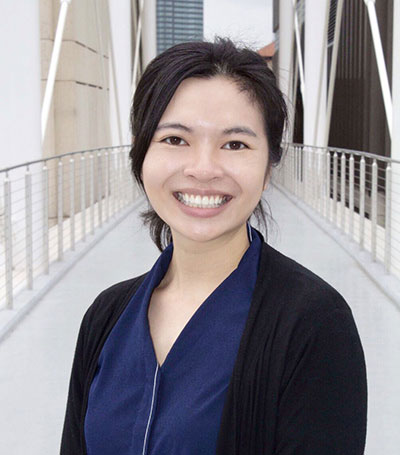
Margaret Ng, associate professor of journalism and a faculty member in the Institute of Communications Research, has been selected as a Center for Advanced Study Associate for the 2026–2027 academic year.

Margaret Ng

As a CAS Associate, Ng will take time off from teaching in Fall 2026 to advance her research on “platform migration,” focusing on how regulatory bans, algorithmic shifts, and geopolitical tensions drive user migration between social media platforms. She argues that these shifts are fueling digital nationalism and reshaping digital sovereignty in an increasingly fragmented society.

Ng said recent events highlight the urgency of this topic, including the restructuring of TikTok in the U.S. and regulatory restrictions in Taiwan, the decline of Twitter/X use among journalists and academics, and the rise of Truth Social as the de facto official channel for the U.S. Presidency. These events reveal how global tensions and local politics are transforming the platforms people choose and the public spheres they build. 

“We live in an era of rapid digital migration. We are seeing a wave of “digital migration” where users are trading in the dominant platforms for new communities that match who they are and what they care about.” Ng said.

“This project examines the forces behind this shift—from algorithmic decay and privacy concerns to political polarization and digital fatigue—and how these movements are reshaping the social, political, and cultural dimensions of online life.”

Ng said her study will particularly investigate digital migration across the United States, Hong Kong, and Taiwan by integrating large-scale computational analysis, surveys of thousands of users, and in-depth interviews with college students, journalists, tech workers, and elderly users. Drawing from those insights, the project will develop a framework that explains how political systems, institutional pressures, and everyday user practices intersect to shape modern migration patterns. 

Ng said the findings promise to advance both theory and policy by documenting how these digital migrations create new forms of labor precarity, fragment public discourse, and erode the shared information environment essential for democracy.  As users segregate into platforms that reflect their personal identities, the project explores how this new “digital mobility” challenges Big Tech dominance, redefines national sovereignty online, and ultimately reshapes the future of media, regulation, and public life.

Ng was appointed a CAS Associate for the Fall 2026 semester upon the recommendation of CAS professors and with concurrence of campus and university administrations.

CAS Associates are tenured Illinois faculty members whose project proposals are selected in an annual competition. They are granted one semester of teaching release time to pursue an individual scholarly or creative project. 

The Center for Advanced Study works with every department on campus to identify and support the most productive, high-achieving, and innovative faculty at Illinois, providing them with connections and funding to pursue their work. Members of this accomplished community are invited to participate in CAS activities throughout the year and given opportunities to present their work to the CAS community. See CAS’s upcoming events.

Share on social

Documentary Club provides students a platform for real-life storytelling


From capturing fall aesthetics to investigating local ghost stories, students in the Documentary Club take a deeper look into campus life.

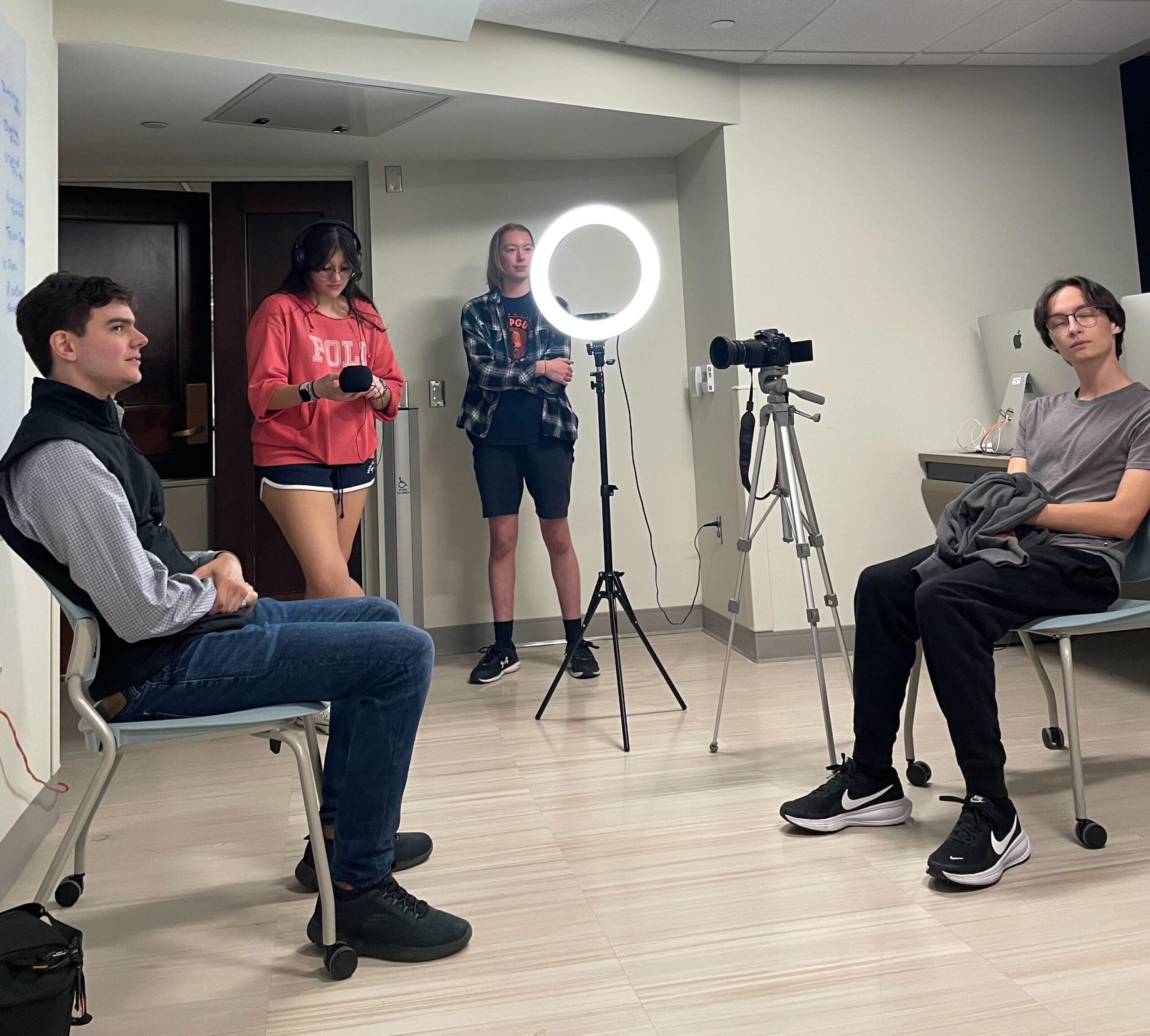
Documentary Club

The registered student organization began in Spring 2024 to create a supportive space for both amateur and professional documentary filmmakers. They meet weekly in Gregory Hall to discuss and work on current projects, as well as host workshops to enhance their interviewing, filmmaking, and editing skills.

“I don’t necessarily need it to be good, professional, or amazing,” said Paige Gaines, president of the Documentary Club, and a senior earning a dual degree in media and cinema studies and in communication. “I just want people to make something and grow their skills because I think those skills are really transferable.”

Gaines said she was inspired to form the club because there was no official community for documentary-making on campus.

“I decided to be the change that I wanted to see and make a club for anybody who wants to be able to tell their own stories.”

Gaines says that documentaries are important because they shed light on stories that are often forgotten about in the media.

“There are so many different, wonderful, and beautiful things that are being discovered in our world,” Gaines said. “A lot of people have made big differences in our world, and those stories are often not talked about.”

The club is modest in size, with only five members, but welcomes interested students to join them. They currently have a handful of projects in the works, including a mini-series about campus life called Candid Campus. That project will feature footage from campus that shows what students see and hear on a typical school day at the University of Illinois.

“We’re going around campus and just seeing what’s happening,” Gaines said, adding that they are working with other student organizations to make short informational videos about them.

Gaines’s most recent video in this project is a profile about Velosity Dance, a sorority-led dance club.

“Filming dance is so interesting,” Gaines said. “You can play around a lot with how the body moves, so I’m really excited for the final project.”

The documentaries usually take a semester to complete and are often captured on smartphones or cameras that students in College of Media courses can check out from the Media Technology Center.

“We use whatever we can get our hands on,” Gaines said. “It’s truly just a hodgepodge; we fix it all in post-production, where we do a lot of color correcting to make everything look cohesive.”

Gaines’s favorite part of the club is the community.

“It may be small, but we are mighty,” Gaines said. “I love working with the people here. I just hope these friendships and relationships will last because it’s something I have found really fulfilling.”

To learn more about the Documentary Club, watch their videos on YouTube, visit their website, or check out their Instagram. To join Documentary Club, or to ask questions, please email uiucdocumentaryclub@gmail.com.

Photos courtesy of Paige Gaines.

Share on social

Advertising students create real-life client campaigns through Sandage Project capstone course


Students in ADV 498: The Sandage Project developed campaigns for three community organizations in Fall 2025, including Lincoln250, H3 (Harm, Healing, and Hope), and EARS Effingham Animal Rescue Sanctuary.

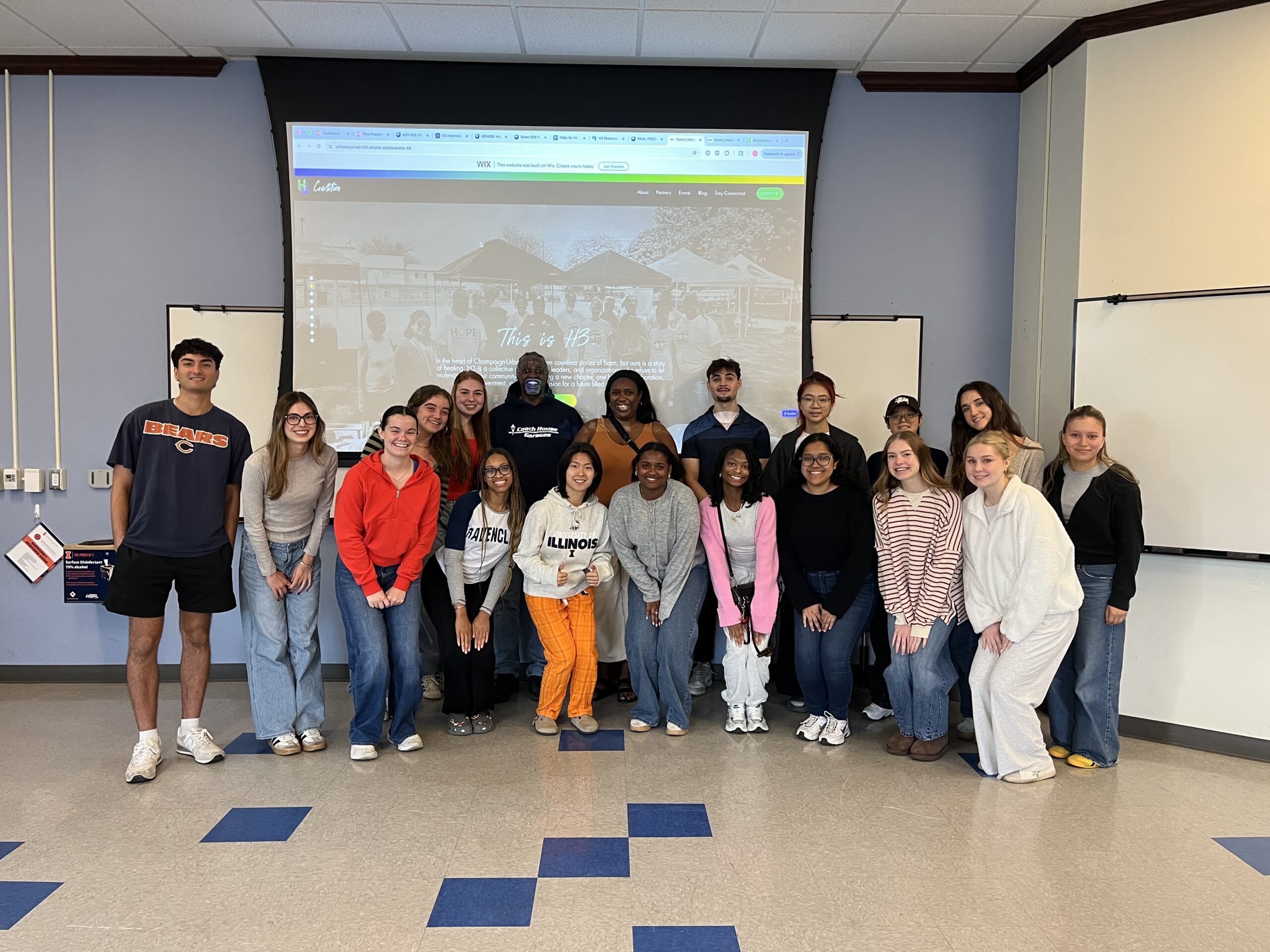
Advertising students pictured with their client, H3.

“The students put together impressive campaigns for each, and the clients were very happy,” said senior lecturer of advertising Marisa Peacock.

The eight-week service-learning capstone provides advertising majors an opportunity to develop ad campaigns for a nonprofit or local community partner. Clients may use any campaigns or assets produced.

Cooper Haynes, a senior in advertising, was part of the Lincoln250 team, which developed a full  digital platform, including a website and Instagram page, that organizes, interprets, and presents Lincoln-era history in a modern, accessible format.

“Working with my team and actually being divided into roles with goals and objectives that we set for each member was really nice for having a bit of insight into how team dynamics work at real agency and company jobs,” he said. “Navigating problems [with] people having different ideas of how to approach things was also a great experience for preparing for the industry as well.”

Throughout the course, students meet clients to understand the organization and campaign goals, then complete a discovery report analyzing the target audience, brand, and competitive landscape. These insights inform the campaign strategy.

Teams pitch three campaign concepts to the client and based on feedback, select one to develop further. Students refine the creative and media strategies and present a final campaign in the last week.

Three student teams collaborated to strengthen the visibility and impact of H3 (Harm, Healing, Hope), a coalition of organizations, businesses, and individuals in Champaign County dedicated to ending community violence. Together, these groups produced a cohesive set of recommendations to help H3 share its story, reach its audience, and transform its mission into a broader movement.

Jamaira Williams, a senior in advertising who worked on the H3 campaign, said she learned the true lesson of the Sandage course wasn’t about selling a product, but selling a feeling.

“Advertising is, at its core, the purest form of storytelling. Every brand color, every word chosen, is a mirror, because people crave to see themselves reflected in the world. We’re not crafting fiction, we’re guiding real brands and real livelihoods,” she said. “The moment you respect the reality of their brand, you transition from student to professional.”

Clients for the Sandage Project are selected based on their ability to support meaningful, real-world public engagement experiences for students. Ideal clients are community partners—on or off campus—who are open to authentic collaboration and willing to actively engage with students throughout the process. Their mission or campaign should benefit from storytelling that creates emotional connection, often through real community voices or narratives.

Natalie Circolone, a senior in advertising, worked as the creative director for the EARS Effingham Animal Rescue Sanctuary, positioning the rescue as a transparent, caring, foster-based organization that helps people “write the next chapter” in each animal’s life by adopting or fostering. The team also helped to increase awareness and engagement through social media storytelling and small, tangible touchpoints like stickers and goodie bags that keep EARS visible in the community.

“The Sandage Project gives seniors in advertising a real opportunity to work in an agency setting, with designated roles and a real client,” Circolone said. “Through this project, I gained hands-on experience planning and executing a creative campaign, applying skills I’ve developed over the past four years in advertising courses. The opportunity to create something meaningful for such a great cause was a rewarding experience.”

Share on social

College of Media
119 Gregory Hall
810 S. Wright St.
Urbana, IL 61801
217-333-2350