The Teaching and Mentoring in Diversity award honors faculty, instructors, or lecturers who have consistently contributed to the promotion of understanding critical issues related to diversity and equity in teaching and/or the mentoring of diverse students.
Wilson-Brown was nominated in part by students, including Odi Ogbuefi, a senior in advertising, pictured at right.
The Larine Y. Cowan Make a Difference Awards celebrate the achievements of faculty, academic professionals, and civic service employees who made significant contributions in creating and sustaining an inclusive living, learning, and working community at Illinois.
Named in honor of the past Assistant Chancellor and Director of what is now the Office for Access & Equity, the Larine Y. Cowan Awards were created to reflect the commitment to human rights advocacy, social justice, and diversity that defined her leadership for nearly 20 years at Illinois.
Learn more about the people who help make our college such a great place to work—what they do, what inspires them, and a few things you might not know—in this Q&A series featuring staff members from across the College of Media and Illinois Public Media.
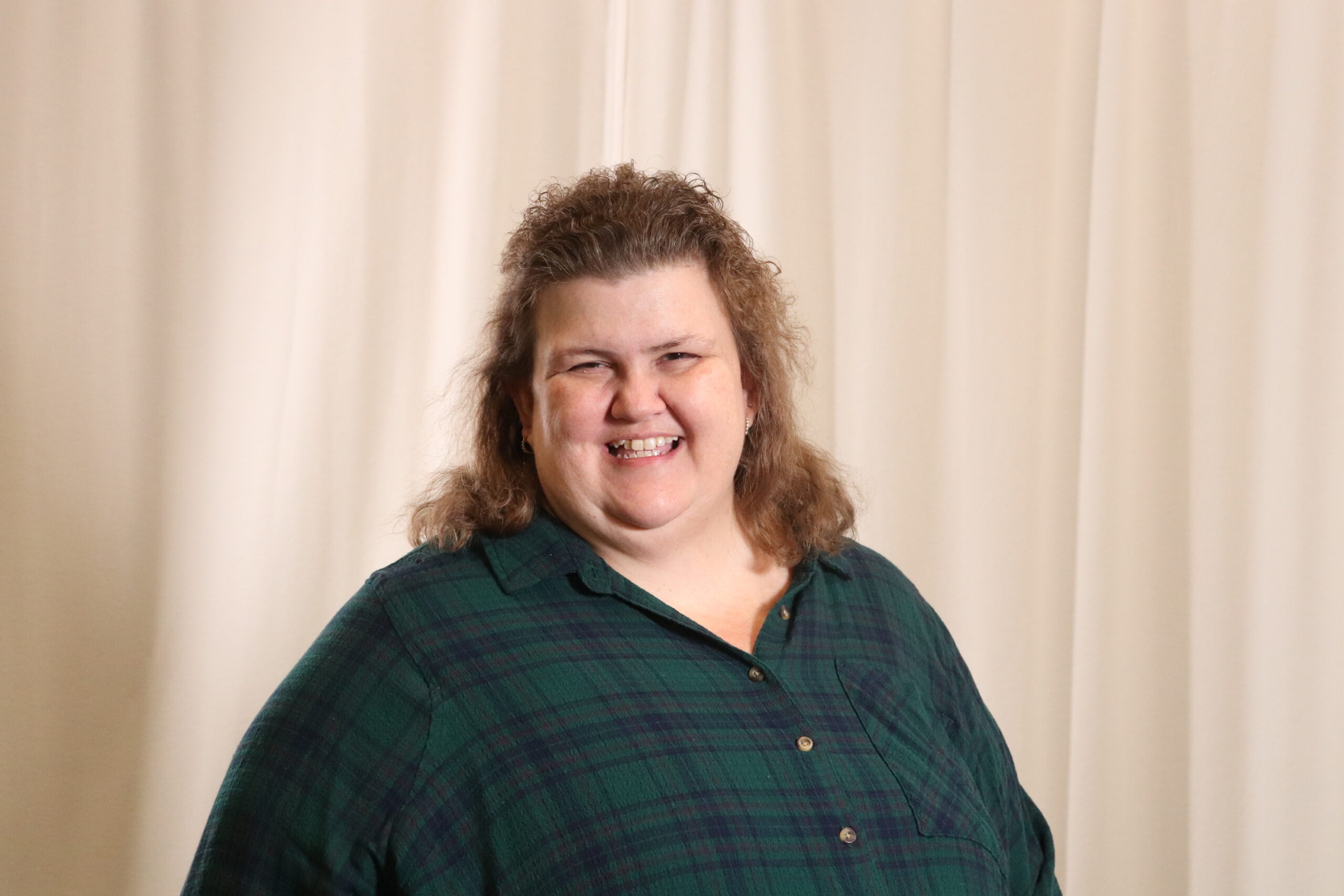
Ann Abdelzaher eLearning Specialist Media Tech
How long have you worked at the College of Media?
Four-and-a-half years.
What led you to your current career or position?
I started in special education and gradually switched gears to educational technology where I became focused on eLearning, first as a developer.
Can you tell us a little about what you do in your current role?
I help faculty members develop online courses that are both engaging and accessible and in keeping with current best practices. I also advise faculty on the current technologies and tools available to them.
What’s one fun fact about you that your coworkers might not know?
I have an extensive collection of Disney’s Goofy, and I love to crochet.
What’s your favorite place (restaurant, coffee shop, park, etc.) in Champaign-Urbana?
Kohinoor Indian restaurant! Their food is the best.
What are you currently watching, listening to, or reading?
I always have at least two books going at once as well as an audio book. But I am currently reading Unbound by Michael Miller.
Beginning in Fall 2025, the Department of Media & Cinema Studies created a new internship for students at Flyover Film Studios in Rantoul. Francisco Albarran, a senior in media and cinema studies, was the first student selected for the program.
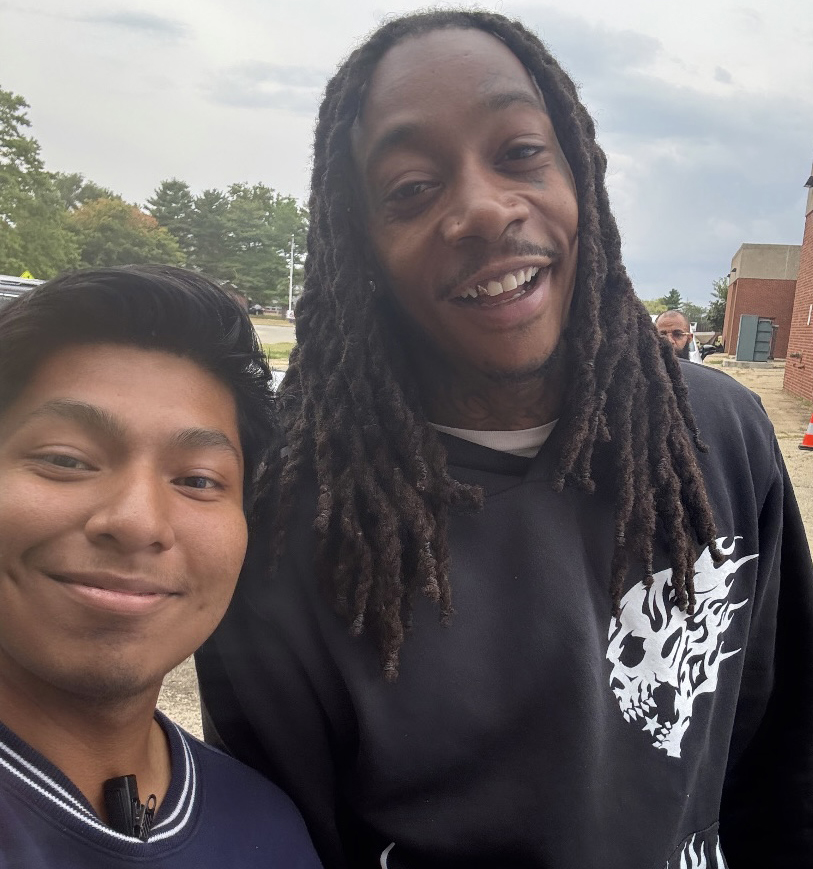
Francisco Albarran, a senior in media and cinema studies, met rapper Wiz Khalifa while working as an intern on the set of the upcoming crime drama Moses the Black.
Albarran was able to work on the production of a new drama Moses the Black, starring Omar Epps and rappers Wiz Khalifa and Quavo. Curtis “50 Cent” Jackson is an executive producer of the film, which is set to premiere in January 2026.
The semester-long internship, which grew out of conversations with Victor Font, senior lecturer of media and cinema studies, and Flyover Film Studios, offers students hands-on experience in a growing local film industry.
“Learning about Flyover’s [film] projects made me realize what a remarkable hands-on experience this could be for our MACS students,” Font said. “It took time and coordination to make it happen, and it’s incredibly rewarding to see this partnership become a reality.”
Film production in the region is expanding, thanks to new state tax incentives that are drawing more companies to shoot locally, said Derek Long, associate professor of media and cinema studies. For students, this surge translates into increased opportunities for on-set learning in a field where practical experience is essential.
“As MACS expands its media production-oriented curriculum, we are always seeking professionalization opportunities for our students, as media production is very much a learn-by-doing industry,” Long said.
The internship is designed for advanced production students willing to learn the different facets of the media production industry—from directing and cinematography to support and infrastructure roles.
I think the real benefit of this internship lies in opening students’ eyes to the wide variety of different types of labor that go into a professional media production in the 21st century, including those that aren’t necessarily ‘on set.’
Derek Long
Associate Professor of Media & Cinema Studies
“Our hope is that they get a broad sampling of the types of media industry work they might do after they finish their degree. In that sense, we want that broader experience to augment both the on-set focus of our classroom production curriculum and the critical thinking skills of our studies courses,” Long added.
Interns work both at Flyover Studios, which hosts sets, costumes, production offices, and other resources, and with visiting production companies shooting in Illinois.
“I think the real benefit of this internship lies in opening students’ eyes to the wide variety of different types of labor that go into a professional media production in the 21st century, including those that aren’t necessarily ‘on set,’” Long said.
Through his internship, Albarran was able to participate in many aspects of film production. He helped build bedroom and jail sets; shaped scenes filmed at Willard Airport in Savoy; and transported crew members.
Being involved in day-to-day operations also allowed Albarran to meet and interact with cast and crew, pictured below from left to right, the film’s director Yelena Popovic and actors Vonzell D. Scott (Fight Night: The Million Dollar Heist) and Corey Hendrix (The Bear).
Albarran said he was nervous at times about his role on the set, but encouragement from everyone around him helped boost his confidence.
“I was anxious, but everyone was telling me to relax, just enjoy the moment—that I deserved to be there just as much as anyone else,” he said. “I have all these people who just believe in me, and there’s no greater feeling than that.”
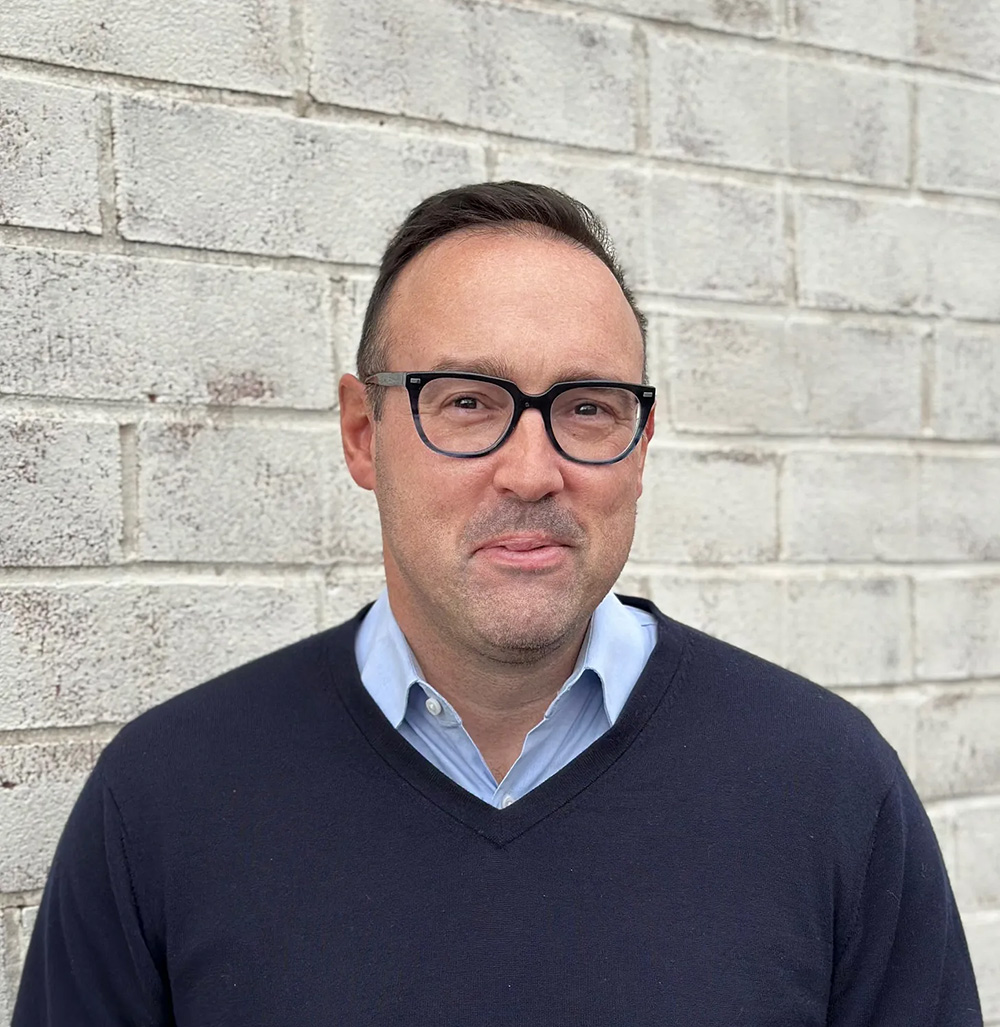
Chris Cillizza, an independent news creator on Substack and YouTube, will be on the University of Illinois Urbana-Champaign campus for a conversation about reporting on politics and independent journalism on Tuesday, Dec. 2, from 5-6 p.m.
Attendees may join the event in Lincoln Hall (Room 1092), 702 S. Wright, Urbana, or register to join via Zoom. The conversation will be led by Colleen King, director of the Frank Center and clinical assistant professor of journalism.
Cillizza has more than 32,000 subscribers to his daily political newsletter, “So What,” on Substack and more than 130,000 subscribers to his YouTube channel.
He also hosts a show called “Politics Aside with Chris Cillizza” for the Monumental Sports Network. In it, Chris talks to some of the most powerful people in Washington about the sports they play, love, and watch. He is a political analyst for NewsNation. He contributes content to the Daily Beast and Noosphere. Prior to his career as an independent journalist, Chris spent more than 20 years in mainstream media. He previously served as politics reporter and editor-at-large for CNN and is founding editor of the Washington Post political blog “The Fix.”
For more information, please contact Colleen King at cck@illinois.edu.
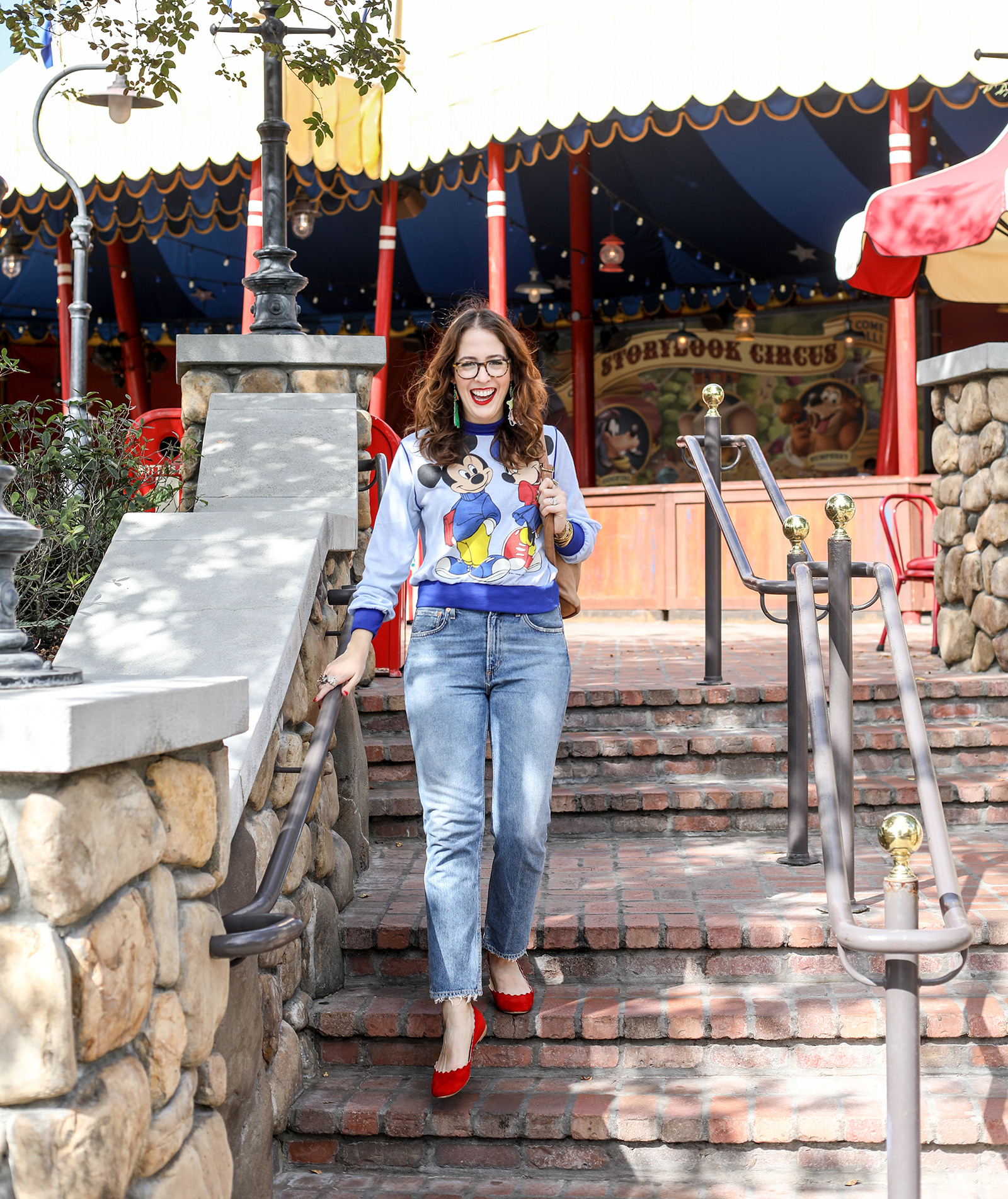
Carlye Wisel(BS ’09, journalism) was a lifestyle reporter interviewing famous musicians and celebrities like Mick Jagger and Kim Kardashian before a bachelorette trip to Disney World changed her career trajectory. Now, as a freelance journalist covering Disney and Universal theme parks, Wisel has contributed to magazines like Travel + Leisure, Glamour, National Geographic,and TIME, shares creative content with nearly 60,000 Instagram followers, andhosts a highly rated podcast, Very Amusing.Learn more about this College of Media alum who has built a journalistic career at the intersection of pop culture, travel, and joy.
1. You started as a lifestyle reporter, but a visit to Walt Disney World changed your life. What about that experience hooked you and made you focus full-time on theme parks?
Part of what I love about having a journalism background and having experience in reporting is that you can choose any career you want. If you randomly end up in Orlando and ask yourself, ‘What is going on in this city?’ you can [turn it into] a job, which is exactly what happened to me. I got married in 2015 and my husband suggested I go to Disney World for my bachelorette party. There were 11 or 12 of us, and it was the most complicated vacation I’ve ever planned in my entire life. A normal person would think it was too difficult, and never want to go back again, but me, as a reporter, went, ‘What’s going on here?’ And I needed to just dial in and figure out how people do this, and that hunt for more information and learning more about Disney World has sustained me 10 years to this day, where I’m still invested and curious in everything that’s happening there.
2. On the outside, it appears that you have a “dream job.” Is that accurate or a misconception? What kinds of challenges does your job present that most people wouldn’t realize?
I love my job, but it is, at the end of the day, challenging. While no one wants to hear someone complain about how often I have to go to the Magic Kingdom, there is an element to reporting on one of, if not the largest, entertainment companies in the world that often gets under-discussed. Everything I say—even if I say it casually into a mic instead of written down for a major publication—has to be at the same level of expertise and professionalism. That is where the lines blur, and it can be really tricky, especially when you host your own podcast. Because I can’t ever tell people something that isn’t fact-checked or isn’t true. Everyone makes mistakes, but as a reporter, it’s very important to me that even if I’m yapping in my house [on my podcast], just telling a story about a theme park, all of it has to be true and accurate. And so, I do still very much live a life of a newspaper reporter, even in this fun context.
3. You’ve won numerous awards for your stories, with your work published in a variety of outlets including The New York Times. What’s one story you’ve written throughout your career that stands out the most?
The most challenging story that I have written while covering theme parks was definitely the one I wrote for Vox after Walt Disney World reopened during the pandemic. My job for a long time was real light and fun. It was roller coasters, it was “lands,” it was fun-themed cupcakes. And then it became local government, union mandates, and wastewater levels. It really became a very serious reporting job. And that shift was something I didn’t expect but thank goodness I had the training for it. I went to Disney World for the reopening, and it was really challenging to report about, because I felt like ‘I’m in this space, I need to make sure I represent every single person in this puzzle.’ I needed to represent cast members, who are the employees at Walt Disney World. I needed to represent local government. I spoke to [Florida State House Representative] Anna Eskamani, who is incredible, just one of the most prolific voices in Florida government today. I was able to really piece together a full picture of what it’s like, not just, ‘These are the lines! These are the 6-foot tape [markers] on the ground.’ I was able to really report about it from all angles, and that was extremely challenging, but definitely one of the proudest moments of my career, because I felt like I really was in a time and place where I was able to cover it as accurately as humanly possible.
4. Has your podcast changed the way you think about storytelling compared to print or online journalism? Is podcasting and creating content for social media an evolution of more traditional reporting?
I’m still a journalist, but I think that podcast host, content creator, reporter—that all needs to be woven in, which is modern-day journalism in a nutshell. I do think the lines have blurred a lot, because there is a huge spectrum. I don’t think you have to choose which bucket you’re in, and if people perceive you as a content creator, that’s totally fine. Just as the way social media evolves, my career has shifted. And I really don’t know what happens next. Now the modern model of what I do is, ‘If you’re freelance, you have a niche, you’re known for this one thing. You write some stories, you have a podcast, you’re on social media, you post videos, and maybe you have a newsletter.’ And what’s interesting is that four years from now, that won’t be the case. But because I have a journalism background, because I chose to study a trade and not just a subject, I really do feel like I can pivot to whatever comes next, because at the end of the day, it’s all storytelling. And if you can get information out in a clear, concise way, that’s really all that matters, not the formula from which that comes.
5. What advice would you give to students or aspiring journalists who want to tell stories that capture wonder, creativity, and joy? Do you have any suggestions for students who want to turn their passion for writing about a niche topic into a profession?
The great thing about graduating from the College of Media is that you’re going to have the skills, no question. Now, the challenge is finding out how to make your passion your profession. Let’s say you have a different media job and want to report on this one wacky thing. You can self-publish posts, newsletters, even videos about it. You can become an expert, the face of that, and likely be hired to report about it.
Remember, at the end of the day, you came from studies that benefit you in any career you end up taking. Having the expertise is only half of it. The more abilities you have, the easier it’sgoing tobe to get work. Early on in my career, I would upsell a story by [providing photos]. If you have video skills, on-camera skills, voiceover skills, it will always benefit you. The more experience that you can have under your belt in all these different facets of reporting, the easier it’s going to be—freelance or full-time—to land a job.
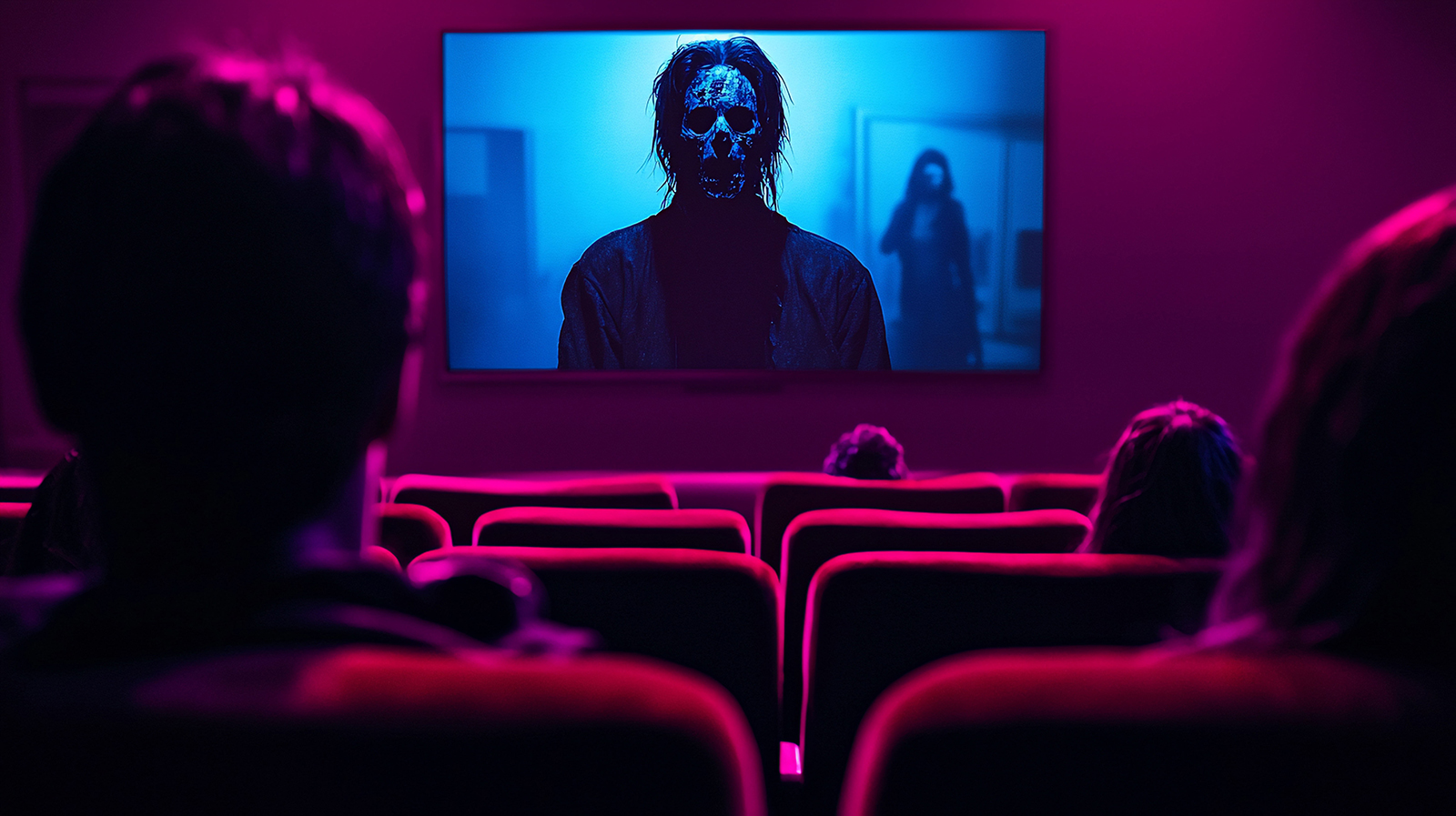
From Psycho to Hereditary, horror films have long mirrored our collective fears. But today’s fascination with true-crime dramas and serial-killer stories—like Netflix’s Monster: The Ed Gein Story—may suggest something deeper at play. As audiences crave both terror and understanding, the line between entertainment and ethics grows thin.
Jonathan Knipp, senior lecturer of media and cinema studies who teaches a class on horror movies, shares his perspective on the psychology of horror films—why people like them, how and when the industry has changed, and where the genre might be headed in the future.
Why do people want to watch horror films? From a psychological perspective, why do so many of us enjoy the feeling of being scared?
I think all moviegoing (to the theater) is a ritual. But horror movies have an interesting distinction. People leave their houses to get scared so they can share the experience of not just encountering common anxieties, but working through them, too. You reach the climax…and you survived! Horror movies can be traumatizing (hello, Hereditary) but they also end. Is it too much to say that it’s kind of an exorcism?
Are there certain cinematic techniques or storytelling devices that consistently provoke fear or fascination in audiences?
Some of my students say that they only get scared if what they’re seeing “could really happen,” whatever that means (probably slasher movies and pursuit narratives). Others get freaked out by occult themes and devilry. There’s a tendency to dismiss “jump scares” as cheap and cliche, but audiences still jump.
How has the horror genre evolved over the years? What’s changed the most in how these films are made?
CGI replaced the reliance on practical effects, which many audiences dislike. Now there is a bit of a pushback, with filmmakers going back to the arcane use of makeup applications and puppetry but with digital gloss. Sometimes it works really well, like in The Substance. I think one of the biggest developments (in my lifetime) is the PG-13 horror movie, which is great because younger people are drawn to them. But it can also leave you wondering where all the blood and guts have gone.
Many point to Alfred Hitchcock’s 1960 Psycho as a turning point for horror. What makes this film stand out in the genre?
Hitchcock famously used the crew of his TV show to make it. That means they worked fast and cheap. Psycho shows a master filmmaker going down and dirty while still creating images that are composed and sequences that are still shocking in their effectiveness. Also, this film signaled a movement away from monster movies towards antagonists that were…human.
The new Netflix series about Ed Gein has stirred a lot of discussion. Is it ethical to portray real-life killers in ways that might make them seem sympathetic or even humanize them?
I think this is a case-by-case thing. It’s important to remember that these crimes are committed by people and not monsters. The more we understand, the more we can efficiently profile these criminals. That’s the theory at least. It’s like the topics of gun violence and suicide. They need to be understood, but there’s always a risk of glorifying the crime and/or triggering the spectator.
Why do you think horror tends to thrive during certain cultural or political moments? What do our fears on-screen say about us as a society?
Horror movies go in cycles. They can reflect the times or simply current trends. A surprise hit can result in a lot of imitations, like when Scream inspired a lot of self-referential horror movies. When audiences gravitate towards social media, you get a bunch of horror movies about the Web. In the ’50s, it was radioactive monsters. In the ’70s, you have counterculture horror movies inspired by Manson and many that match the political disillusionment of the era. Sometimes it’s hard to determine what cycle you’re in until you leave it.
What do you see as the future of horror?
More long-form series, like the ones Mike Flanagan makes for Netflix (The Fall of the House of Usher is great). More short-form, social media-inspired content. Can TikTok be scary? Some enterprising content creator will probably find out.
When journalists don’t have access to historical tools, and don’t have that impetus to go and check out things, they are presenting news that is really not informing the public. And nobody wants to do that.
Melita Garza, Associate Professor and Tom and June Netzel Sleeman Scholar in Business Journalism
When news stories ignore the past, the audience sometimes struggles to fully understand the issue. Because of this, history professors stress the importance of incorporating historical context into news coverage of current events. Doing so enables journalists to bring forth a more complete and informed story, which benefits the audience.
Melita Garza, associate professor and Tom and June Netzel Sleeman Scholar in Business Journalism, stressed the importance of including current events within the context of historical background in this installment of the News Literacy Edition of the NPR Public Editor. In her research, Garza says she has seen journalists declare something “unprecedented” when what they reported on was not, in fact, unprecedented.
Leaving social media does not always mean disengagement from news, but it does disrupt habitual news consumption. Some people report feeling less informed about current events after quitting Facebook, as social media is a key news source for many. However, they also experience benefits like reduced anxiety and improved well-being.
Margaret Ng, Associate Professor of Journalism
According to the Pew Research Center, at least half of U.S. adults rely on social media for information about current events. But what happens when they leave those platforms behind?
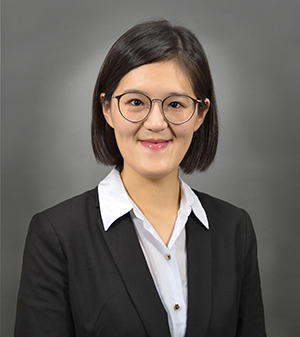
Margaret Ng, associate professor journalism, explores the phenomenon of “social media stampedes”—cases of mass user exodus from a specific platform, the (un)successful migration to alternative sites, and the long-term implications for trusted digital information networks—in this opinion piece for MediaWell.
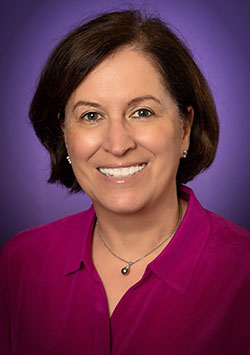
Leona Yi-Fan Su, associate professor of advertising, has been selected to become the next Charles H. Sandage Scholar in Advertising Research for 2025-2027.
Su was chosen based on her proposal, “Digital marketing in the agricultural sector, with emphasis on how farms can leverage emerging technologies such as social media and artificial intelligence (AI) to enhance advertising and marketing effectiveness.”
The Charles H. Sandage Scholar in Advertising Research was established in 2021 to honor outstanding associate professors in the department who are accomplished researchers in the field of advertising, media, or communication research with the potential for continued achievement.
The Sandage Scholar designation is for two years, with recipients receiving $12,000 per year in discretionary funding for research. In line with the fund’s guidelines, full professors in the department provided evaluations on the research proposals.
K-pop, short for “Korean pop,” is a music genre from South Korea celebrated for its dynamic mix of styles, elaborate choreography, and visually captivating performances. Its influence now extends beyond music, reaching film and other media.
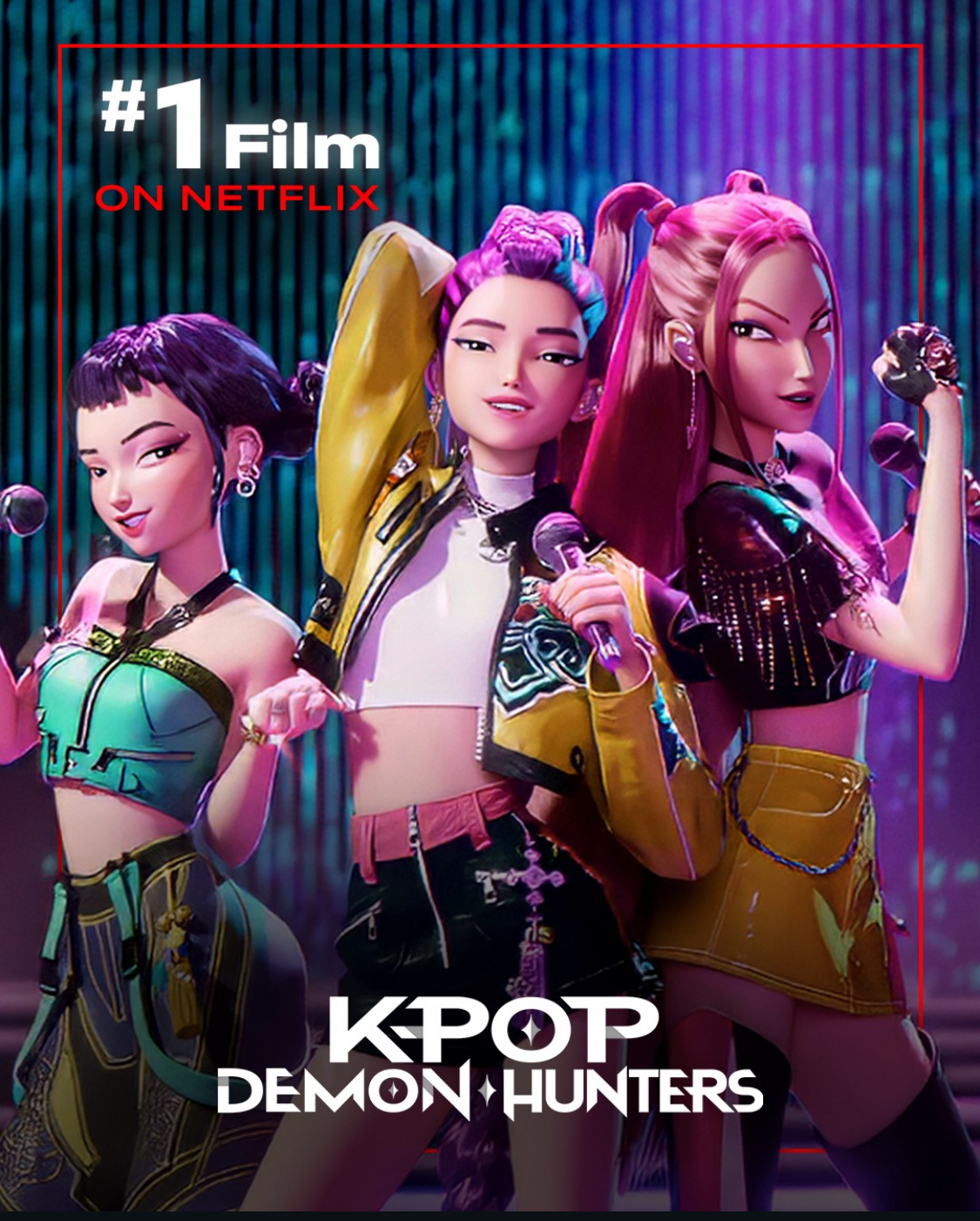
This summer’s animated movie KPop Demon Hunters not only became the most-watched film in Netflix history but also made headlines as the first soundtrack to place four songs in the Billboard Hot 100’s top 10.
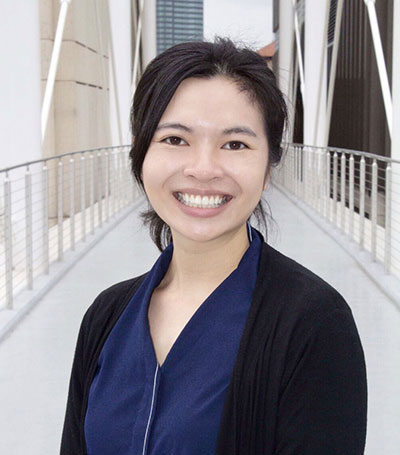
Sang-Hwa Oh, associate professor of advertising and expert in entertainment, celebrity, and K-pop branding, and PR and strategic communication, shares the factors that helped turned KPop Demon Hunters into a global cultural phenomenon.
About the Media Expert
Sang-Hwa Oh is an associate professor of advertising in the Charles H. Sandage Department of Advertising and a faculty member of the Institute of Communications Research. Her research delves deep into the realms of emerging media effects, encompassing AI and VR technologies, and scrutinizes the dissemination of health and risk misinformation. She focuses on enhancing media literacy and understanding the nuanced roles that varying emotions play in the communication processes essential for promoting public health and initiating positive social change.
KPop Demon Hunters became a global phenomenon. Does its success show a shift in who’s shaping pop culture today? Are there specific branding or fan engagement tactics that global brands might want to experiment with?
The success of KPop Demon Hunters goes beyond viewership numbers. It illustrates how the center of popular culture has expanded. In the past, Western stories and filmmaking styles stood as the benchmark for mainstream entertainment. In contemporary popular culture, however, diverse cultures and storylines emerge as parallel centers of attention, captivating audiences worldwide. What feels ordinary and familiar to one community may appear fresh and captivating to another, and this interplay of familiarity and novelty has become a powerful force in shaping global culture.
What makes KPop Demon Hunters especially meaningful is the way it blends cultural specificity with universal resonance. Its storytelling emphasizes shared human experiences—making mistakes, confronting hardships, building relationships, and affirming one’s identity. These themes transform cultural differences into stories that spark empathy across audiences.
The K-pop industry has long modeled this approach. Idol groups share their debut journeys and performances openly through social media platforms such as YouTube, while fans respond in real time. This participatory model, pioneered by the K-pop industry, has transformed how global audiences interact with media and set new standards for branding practices worldwide. By extending this participatory structure to the screen, KPop Demon Hunters shows how branding has shifted away from one-directional promotion and now thrives through fan engagement and interaction.
The film showed idols doing everyday things—eating ramen, lounging on the couch. How does that kind of relatability play into humanizing celebrity brands?
One of the film’s most distinctive features is how it humanizes its characters, making them feel approachable and relatable, lowering the barrier between celebrity and fan. These are not just comic touches; they reframe the idols not as untouchable superstars but as humanized brands with whom fans can feel a genuine connection.
K-pop fandom has long been built on this premise. Fans seek not distant superheroes but special presences that feel tied to their own lives. KPop Demon Hunters captured this sentiment effectively, giving audiences the sense that they were not just spectators but part of the story. This deeper emotional connection helps explain why some viewers engaged repeatedly, building layers of affective experience that fuel what is often called the fandom economy. This demonstrates how emotional branding fosters loyalty through shared identity and emotional resonance—principles later expanded through Netflix’s participatory fan strategy.
KPop Demon Hunters had lore, character backstories, and fan art contests—almost like a real K-pop group debut. How does that kind of immersive fan experience help drive engagement?
Netflix placed fan experiences at the center of its promotional strategy, mirroring the immersive fan culture of K-pop. Just as idol groups connect with audiences through YouTube vlogs, fan meetings, or pop-up stores, KPop Demon Hunters translated these participatory practices into its own story world.
Its characters are not confined to fictional roles; they are embodied by real singers and actors, allowing audiences to experience them as living figures. Beyond polished stage personas, the film included meme-worthy comic moments and open-ended storylines that encouraged reinterpretation and fan-made creations. As a result, the film relied not on one-directional marketing but on branding amplified through fan-driven participation. Viewers became active agents, creating and sharing fan-cams that captured their real-time reactions while watching, participating in dance challenges, and generating memes that spread organically on social media. In this way, audiences shifted from being passive consumers to becoming co-authors of the story itself.
This extended beyond digital platforms. In the United States and other countries, Netflix organized sing-along screenings, inviting audiences to join in the songs featured throughout the film. These screenings turned a typical movie showing into a fun, shared, and participatory event, amplifying the sense of belonging and collective enjoyment.
Ultimately, the film became more than an animated feature. It served as an experimental space for fandom participation, where audiences could create, share, and connect. This, in turn, was a driving force behind its explosive global success
What does the global success of KPop Demon Hunters reveal about how Korean cultural products—like K-pop, K-dramas, and animation—are evolving and resonating with international audiences?
The global success of KPop Demon Hunters demonstrates how Korean cultural products have evolved from niche appeal to influential creative forces shaping global media culture. Rather than being treated as foreign curiosities, they are now embraced as meaningful contributions to the global mainstream.
While the film benefited from the global networks established by the K-pop industry, its appeal reached far beyond existing fandoms. Many viewers with little prior exposure to K-pop were drawn to its accessible storytelling, dynamic music, and engaging characters. This suggests that Korean cultural products are entering a new phase: sustaining loyal fan communities while also attracting new audiences worldwide.
A compelling example of this cultural translation appears in the film through the characters Derpy, the tiger, and Sussie, the magpie. In Korean folk paintings (hojakdo), the tiger is often portrayed as a humorous or satirical figure, while the magpie symbolizes good fortune and joyful news. The film reimagines these figures with playful personalities, making them immediately recognizable to Korean audiences yet fresh and engaging for international viewers. Their popularity quickly extended beyond the screen. Netflix released official merchandise featuring Derpy and Sussie, and The National Museum of Korea saw its special-edition goods sell out. This indicates how entertainment products today are branded through the convergence of emotional resonance, cultural symbolism, and market strategy.
The film also situates its story within Korea’s historical background. Beginning with references to earlier eras, including the Joseon dynasty, and moving into contemporary Seoul, it underscores continuity between Korea’s past and present. Seoul’s cityscapes are rendered with careful detail, grounding the story in a distinctly Korean setting while offering imagery that resonates with audiences worldwide.
In turn, KPop Demon Hunters illustrates that Korean cultural products now embody a dual identity. They remain rooted in Korean traditions and aesthetics while speaking to universal human experiences. The result is a model of cultural production that is locally grounded, globally resonant, and emotionally authentic.