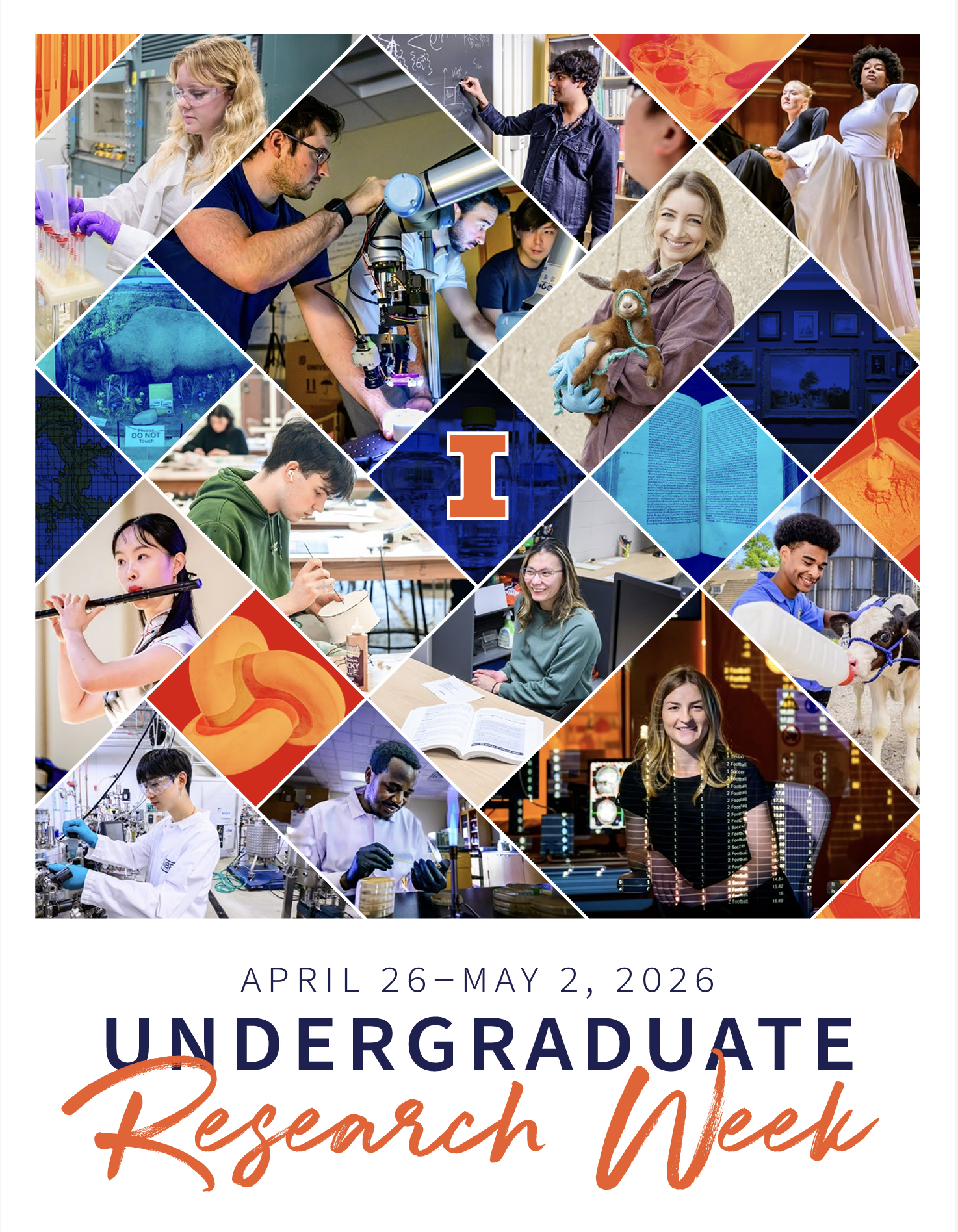
Media students to present at 2026 Undergraduate Research Symposium


Students from all majors in the College of Media will participate in the annual University of Illinois Undergraduate Research Week, held April 26-May 2.

2026 Undergrad Research Week

Update June 2, 2026: The team of journalism students who presented “They Want to Go Home: Ghana’s Kayayei” received an Outstanding Poster Presentation Award.

***

At the Undergraduate Research Symposium, the signature event held on Thursday, April 30, at the Illini Union, students across campus will present their research.

Below is a list of Media student presentations as well as acknowledgements of Media graduate students and faculty who have mentored students presenting at Undergraduate Research Week.

See the full program.

Oral Presentations

Student Activism, Advocacy & Belonging

Queering the Dorm: Tracing Allen Hall’s LGBTQ History Through Oral History
                Jenny Lin, Senior, Journalism
                (Research Mentor: Siobhan Somerville, Gender & Women’s Studies)

Analyzing Intersectional Discrimination

Film Study on How 1990s Western-centric Narratives Impact the Representation of Chinese Characters
                Yidan Hu, Sophomore, Media & Cinema Studies
                (Research Mentor: Carrie Wilson-Brown, Media & Cinema Studies and Advertising)


Poster Presentations

Social Science & Human Behavior

An Analysis of Marketing Strategies and Best Practices in Agritourism Businesses
                Hailey Kotowski, Senior, Advertising
                (Research Mentor: Renata Endres, Recreation, Sport & Tourism)

Learning & Human Development

From Screen to Shopping Cart: Consumer Responses to “As-Seen-In” Shoppable Ads in Streaming Television
                Abby Wilson, Junior, Advertising
                (Research Mentor: Michelle Nelson, Advertising)

BTW 250 Ideas Expo

Identifying a Refined Mission for the Union Courtyard Café
                Katie Fedorski, Sophomore, Undeclared, EXP
                George Lefebvre, Sophomore, Environmental Social Sciences, ACES
                Case Rosenfeld, Freshman, Business Undeclared, BUS
                Ally Szarek, Sophomore, Advertising

Society, Culture & Social Issues

Creating With Compliance: A Student-Led Usability & Engagement Study
                Pihu Chawra, Sophomore, Industrial Design, FAA
                Thea Abang, Sophomore, Computer Science + Advertising
                Glyce Mitchell, Sophomore, Computer Science + Advertising
                R. Talagadadeevi, Sophomore, Computer Science + Advertising
                (Research Mentor: Marisa Peacock, Advertising)

Cells & Molecules

Effect of Lithium Salt Concentration on Ion Motion in PEO-Based Polymer Electrolytes

                Yueming Gong, Sophomore, Media & Cinema Studies
                (Research Mentors: Varun Nelavoy, Chemical & Biomolecular Engineering & Christy Landes, Chemistry)

Data & Information

An EEG-Based Computational Pipeline for Affective Measurement of Consumer Sentiment
                Alexia Rendon, Senior, Computer Science + Advertising
                Ocean Ng, Sophomore, Computer Science, ENG
                Aditi Cherukuri, Sophomore, Brain & Cognitive Science, LAS
                Zaynab Ahmad, Junior, Neuroscience, LAS
                Bilal Arif, Freshman, Computer Science, ENG
                (Research Mentor: Marisa Peacock, Advertising)

Nature, Life & Environment

Genetic Disorders in Domestic Cats: Inheritance Patterns and Ethical Breeding Implications
                Ziyi Wang, Sophomore, Advertising
                Taoran LI, Freshman, Comparative & World Literature, LAS
                (Research Mentor: Alicia Schneider, Animal Sciences)

Social Issues & Policy

They Want to Go Home: Ghana’s KayayeiOutstanding Poster Presentation Award
                Adelyn Mui, Senior, Journalism
                Prayse Odomes, Senior, Journalism
                Samuel Rink, Junior, Journalism
                Samuel Yohnka, Junior, Journalism
                Kaitlyn Devitt, Senior, Journalism
                (Research Mentors: Alison Davis, Journalism & Charles “Stretch” Ledford, Journalism)

Social Science & Human Behavior

Algorithmic Temporality and Parasocial Connection in Influencers
                Cody Drake, Junior, Advertising
                (Research Mentor: Veranika Paltaratskaya, Institute of Communications Research)

Food Systems

Bridging Research and Public Understanding: Inclusive Digital Engagement for Agrifood and Climate Data
                Ektarit Nophaket, Sophomore, Computer Science + Advertising
                Christina Chen, Senior, Advertising
                Zhuoyi Wu, Senior, Advertising
                (Research Mentor: Marisa Peacock, Advertising)


Undergraduate Research Apprenticeship Program 2026 Cohort

The Undergraduate Research Apprenticeship Program offers undergrads with little or no research experience the opportunity to work with graduate students and post-doctoral scholars on their research projects, explore the culture and process of research, and build on their existing abilities within a community of scholars. Running each Spring semester, the program consists of a one-on-one research experience with their research mentor, and the Introduction to Research course, designed to complement the research mentoring experience, orienting undergraduate mentees to broader topics in the research process.

  • Thea Abang, Freshman, CS + Advertising
    (Research Mentor: Marisa Peacock, Design for Responsible Innovation)
  • Cody Drake, Junior, Advertising, and Sustainable Design, FAA
    (Research Mentor: Veranika Paltaratskaya, Institute of Communications Research)

Media Research Mentors

Science & Technology | 12:15 – 1:30 PM, Illini Rooms ABC & South Lounge

Creating an Inclusive IT Learning Space: Understanding Media Literacy and Technology Access for Retired Older Adults
                Maaike Niekerk, Senior, English, LAS
                (Research Mentor: Stephanie Craft, Journalism)

Student Activism, Advocacy & Belonging | 3:45 – 5:00 PM, Room 213

The Impermanence Problem: Building Durable Student Advocacy at the University of Illinois
                Hunter Farnham, Senior, CS + Economics, LAS
                (Research Mentor: Matthew Ehrlich, Journalism)

Social Science & Human Behavior | 3:45 – 5:00 PM, Ballroom (2nd Floor)

Mindless Scrolling, Cognitive Control, and Psychological Well-Being: Correlational Evidence from a Stroop-Based Study
                Pushti Vora, Senior, Brain & Cognitive Science, LAS
                (Research Mentor: Kevin Wise, Advertising)

Share on social
P&G learned how to sell soap then created iconic brands


Ivory was one of the first packaged goods that led the branding revolution.

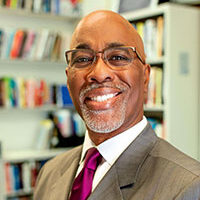
Jason P. Chambers

Professor of Advertising
Jason P. Chambers

In celebration of America’s 250th birthday this year, the USA Today network is taking a look at iconic companies that were founded and flourished in the nation.

Jason P. Chambers, professor of advertising and associate dean for access and engagement, shared his insights on the branding impact of Proctor & Gamble (P&G), the makers of Ivory soap, in the “Iconic Brands” series, which celebrates American ingenuity with a deeply reported examination of how brands intersect with history, community, and everyday life.

Chambers said brands like P&G emerged in the last decades of the 19th century as the manufacturing industry surged after the Civil War. Not only did the economy get bigger due to growing steel, railroad, and oil industries, but American consumers changed as well.

As more laborers worked in factories, not farms, they had more money, but less time. Consumers were more inclined to buy items that a previous generation would have made themselves—from clothing to crackers to soap, he added.

Share on social

Professor Julie Turnock receives Guggenheim Fellowship


Julie Turnock

Julie Turnock, professor of media and cinema studies, was one of two University of Illinois Urbana-Champaign professors to be awarded a 2026 Guggenheim Fellowship.

English professor Christopher Kempf also received the prestigious award. They are among 223 individuals working across 55 disciplines chosen through a rigorous peer-review process from nearly 5,000 applicants, according to the announcement of the fellows. The John Simon Guggenheim Memorial Foundation awards fellowships to exceptional individuals in pursuit of scholarship in any field of knowledge and creation in any art form, under the freest possible conditions.

Turnock’s project, “Beyond King Kong,” is a technical, industrial, and aesthetic history of the special-effects industry in the Hollywood studio era, circa 1915-1960, well before the digital era. It goes beyond 1933’s special effects landmark King Kong to examine the historical economic structures that organized personnel and production of this distinctive sector of studio-era filmmaking. Attending to the material conditions of special visual effects production and informed by extensive archival research, it centers on the labor performed by unsung “below-the-line” effects workers rarely considered in cinema histories but whose skills make much of “movie magic” possible.

Turnock is the director of the Roger Ebert Center for Film Studies and the author of the books The Empire of Effects: Industrial Light and Magic and the Rendering of Realism and Plastic Reality: Special Effects, Technology, and the Emergence of 1970s Blockbuster Aesthetics. She is the recipient of a National Endowment for the Humanities Fellowship and is a 2020-2022 College of Media Scholar.

Read original press release.

Share on social


Skornia Symposium to explore current public media challenges


Members of the campus community are invited to the 2026 Skornia Symposium on Friday, May 1, to explore the challenges public media faces today. The event is free and will be held from 10:30 a.m.-12 p.m., at Collins Studio, Campbell Hall, located at the northeast corner of Main and Goodwin in Urbana.

Skornia Symposium panelists

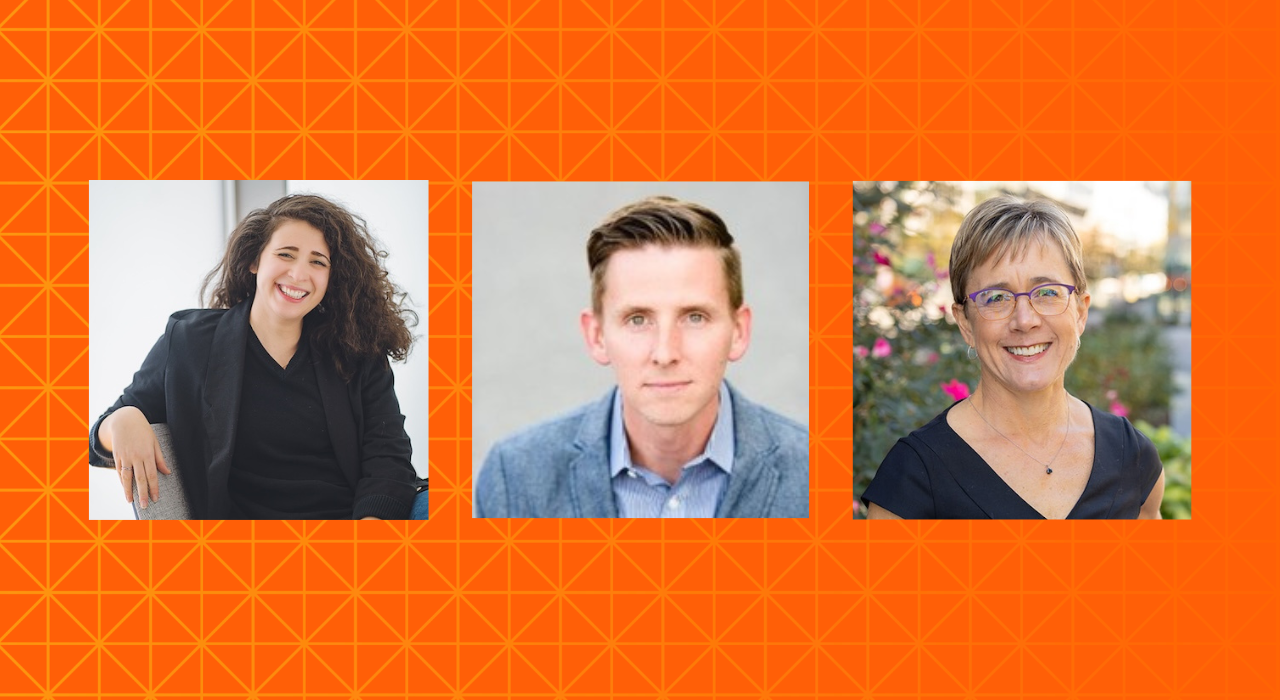
Rapid shifts in technology, AI, media consumption habits, and funding have challenged media organizations to adapt their approaches to understanding and serving audiences. Academic and industry experts will discuss how public media can best engage with audience research to identify and meet community needs, strengthen audience relationships, and innovate content in ways that honor public media’s mission. 

Panelists include:

Joni Deutschsenior vice president of podcast marketing and audience development at The Podglomerate

Deutsch is an award-winning audio professional and NPR veteran with 15 years of experience as a project manager, podcast marketer, and audience growth specialist. In her current role, she leads marketing and audience growth strategy for a high-profile portfolio of podcast clients including NHPR’s “Bear Brook” (downloaded 25 million times and praised as one of the “best true crime podcasts” by The Guardian and Paste Magazine) and Magnificent Noise and PRX’s “This Is Dating” (named “one of the best podcasts of 2022” by New York Times and Vulture), as well as PBS, NPR, Netflix,The Boston Globe, Freakonomics Radio, Stanford, Harvard, HubSpot, and more.

Seth Lewisprofessor and Shirley Papé Chair in Emerging Media, journalism program director, University of Oregon

In his research, Lewis examines the social implications of emerging technologies and their consequences for news and public life—from the early days of social media to contemporary developments in automation, algorithms, and generative artificial intelligence. He has authored several books, including News After Trump: Journalism’s Crisis of Relevance in a Changed Media Culture (Oxford University Press, 2021), co-authored with Matt Carlson and Sue Robinson, and the edited volume Boundaries of Journalism: Professionalism, Practices and Participation (Routledge, 2015).

Amy Mitchell, founding executive director of the Center for News, Technology & Innovation

Prior to her role at CNTI, Mitchell served as managing director of news and information research at the Pew Research Center. In her 25 years with Pew Research, Mitchell helped launch the journalism research program and served as managing director. She was responsible for the center’s research related to news and information, including how the public accesses, engages with, and creates news, what news organizations are providing, and the evolving role of technology in the flow of news and information.

Share on social

Take 5 with Media Alumni: Kavitha Cardoza


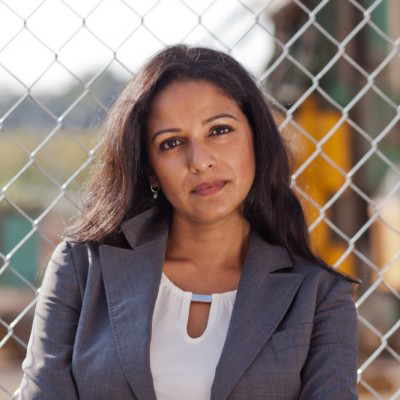
Kavitha Cardoza (MS ’02, journalism) is an assistant professor of journalism at the University of Richmond, and an award-winning reporter, recently being awarded the prestigious American Mosaic Journalism Prize for exemplifying excellence in reporting on underrepresented communities in the United States.

Kavitha Cardoza

About Kavitha Cardoza

Her work has been seen, heard, and read by millions on outlets like NPR, BBC World News, The Washington Post, The Guardian, and The Atlantic. She was also the host of Breaking Ground with Kavitha Cardoza, a documentary series on education that aired on more than 150 public radio stations.

Originally from India, Cardoza earned bachelor’s degrees in English literature, economics, and psychology, as well as a master’s degree in communication, before coming to the United States. Cardoza says her decision to get a master’s degree in journalism at the University of Illinois College of Media completely changed her life. Read more about this Media alum who has been passionately elevating stories on “the last, the least, and the littlest,” for the past 20 years.

*Q&A transcribed from Zoom interview and edited for length and clarity.

1. Most of your reporting focuses on underrepresented communities and giving voices to vulnerable populations. Why are you drawn to these stories?

When I came to the U.S., I was very surprised because you don’t see poverty the way you see it in India. Over here, sometimes we pretend it isn’t happening, or it’s not around us, when, in fact, there’s deep, deep poverty. I worked for many years for the local NPR affiliate in Washington, D.C., and my beat was education and poverty, and I would see children who didn’t have food, [living] in terrible poverty in our nation’s capital.

There’s this American [sentiment] of pulling yourself up by your bootstraps and the belief that if you haven’t gotten out of poverty, you haven’t tried hard enough. That’s just not the case. There are all kinds of systemic issues that can impact poverty and so, I really felt strongly about bringing these stories to light and showing these struggles, and how people internalize them—thinking it’s their fault or they’re not good enough—when really there are much bigger forces at play.

There are people really, really hurting, and we need to tell their stories. Journalists can elevate those voices because of the platform we have. I cannot imagine doing anything else. I cannot imagine anything else giving me more meaning. I really do wake up every morning feeling like I’m doing something that matters, and I feel so lucky.

2. You’ve covered education, health, and poverty for decades, but you’ve said a story you wrote as a College of Media student about a roadkill collector stands out. Why?

My very first story for audio was to do a profile of someone, and at that time, I was driving from Springfield to Urbana-Champaign and noticed these marks on the road that I later learned were from roadkill. As an international student, I had never heard of roadkill so when I found out, I thought, ‘Oh my gosh, wouldn’t it be cool and interesting to profile the roadkill man? Like, who does this for a job?’

I think this guy thought I was totally crazy when I first called and asked to do a ride along. He was this 6’4 African-American guy from the South and I’m this 5-foot-nothing brown girl from India—you couldn’t get further apart in terms of our backgrounds, and there we were, spending the whole day in the truck and talking and trying to learn about each other, because for every question I had, he had questions for me as well. They dig a kind of grave, usually at the side of the road, and bury the roadkill there, so he had got out to do that, and I had gone with him. We were at the side of the highway, waiting to cross to get back into this big orange truck and when you’re outside your car on the highway, the noises are so loud, the cars are just whizzing by, and it’s totally overwhelming and feels so much more dangerous than when you’re inside your car.

Both of us had to cross the road, and without thinking, we instinctively just held hands and ran across the road together. I thought to myself, that is such a metaphor for what we’re doing in life, right? It’s like we’re so different, and all we’re trying to do is get support from each other and understand each other and try and cross the road and not have something hit you. It just became this beautiful lesson to me that taught me to never say or think to myself that a person and I have nothing in common. I always believe we have common ground—I can understand someone, and they can understand me. All it takes is the willingness to start a conversation.

It’s also how I got my first job. Another professor had us ask a news director anywhere in Illinois to critique our work. So, I took my roadkill story to the news director of the public radio station in Springfield, Illinois, and I said, ‘This is a class assignment, do you mind critiquing it for me?’ He said he was born and raised in central Illinois and never thought of doing a story like this. Then he offered me a job. I really owe my career to that little story.

3. What led you to pursue a graduate degree in journalism at Illinois, and what was your experience like?

I came to the U.S. and I thought I’d get a degree and work for one year as a reporter and then start on my PhD. I did my master’s at Illinois, and the journalism bug just bit me and never left!

Illinois changed my life. I would not trade it for anything. When I was a student, I felt like people went out of their way to help. I feel like my professors poured into me, and they have been my educators for life. When I had to negotiate my first salary, I called a professor. When I moved to a bigger market in D.C., I called a professor. When I got married, I invited my professors. They are such a part of my life, and I’m so, so grateful to them.

4. How does your experience as a working journalist shape your teaching?

Most of my students are getting their news from social media. They’re not consuming and creating news the way I did, and so I wanted to keep up. I felt if I’m going to be someone’s teacher, I want them to have the most up-to-date kind of way of doing things. And when we talk about ethics, which I talk about in almost every class, I wanted up-to-date examples. I never want to stop practicing journalism so I can feel like I can bring my experience back to the classroom and my students and keep discussions relevant.

5. With journalism constantly evolving, what remains constant for you?

When I was at the U of I, we were still using something called carts—they’re like bulky cassettes you don’t even use anymore for broadcast journalism—and the format has changed several times over since then. I’ve already seen so many changes, and with AI, there are going to be many more. But I always tell my students, you can write with your finger in the sand, or you can write on the latest Mac computer. It doesn’t matter what you’re writing on, if you don’t have something to say. And that is my job—to help students figure out what they have to say. To me, that is most important, and so I’m sure by the time these students graduate, or by the time they are mid-career, AI will probably be old, and they will be wrestling with technology we haven’t even heard of or thought of yet. But really, learning how to think is why they’re in my classroom and that is what I focus on.

Share on social

Advertising students named to AAF’s Most Promising Students program


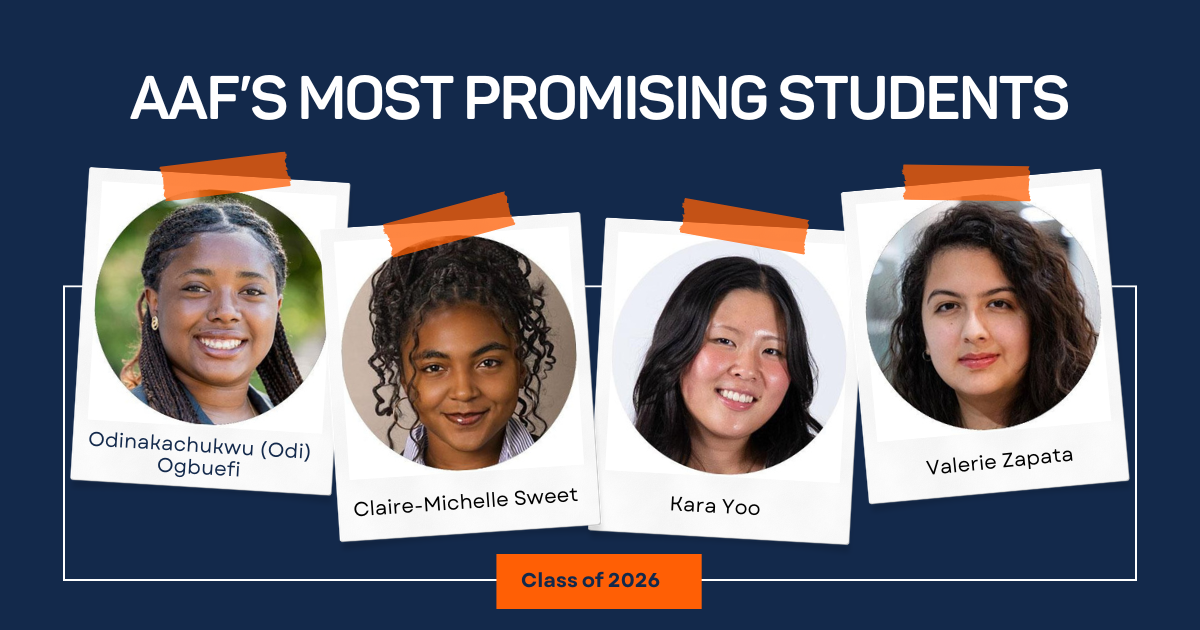
Four seniors in the University of Illinois chapter of the American Advertising Federation were named to the American Advertising Federation’s Most Promising Students Class of 2026—an honor given to select students each year throughout the United States. Honorees include advertising majors Odinakachukwu (Odi) Ogbuefi, Claire-Michelle Sweet, and Kara Yoo. Valerie Zapata, a marketing major, was also selected.

AAF Students

The students were invited to an industry immersion program in New York on March 23-27, where they visited various agencies and brands, saw customized billboards of themselves displayed on Times Square, and networked with countless individuals at some of the top advertising, marketing, and media companies in the country.

Before the conference, students were split into five teams to participate in the annual pitch competition. In partnership with dentsu and Adobe, students were presented with a brief that challenged them to use various Adobe products to build an activation plan for a fictitious coffee brand. During the week in New York, students presented their pitches to executives from both dentsu and Adobe. Sweet was part of the winning team.

At the completion of the Most Promising Students program, students were honored and celebrated at the Building Bridges Brunch, where they had the opportunity to share their personal taglines and connect with their mentors. The event ended with a Recruiters Expo, where students engaged in one-on-one conversations and interviews with companies eager to connect with the next generation of talent.

The Most Promising Students Program began in 1997 and serves as part of AAF’s mission to ensure that the advertising industry is led by a wide variety of informed perspectives, cultural influences and diverse backgrounds.

Since the program’s inception, nearly a thousand students from colleges and universities across the country have participated in this premier event. Students attribute the success in obtaining a job after graduation to the distinction that comes from participating in the Most Promising Students program.

Share on social

Super Bowl commercial expert Pat Burke to be alumni speaker at Media Convocation


Patrick Burke (BS ’95, advertising)—the creative mind behind top-rated Super Bowl commercials for Lay’s, Rocket Mortgage, and Jeep—will serve as the alumni speaker at the 2026 College of Media Convocation ceremony.

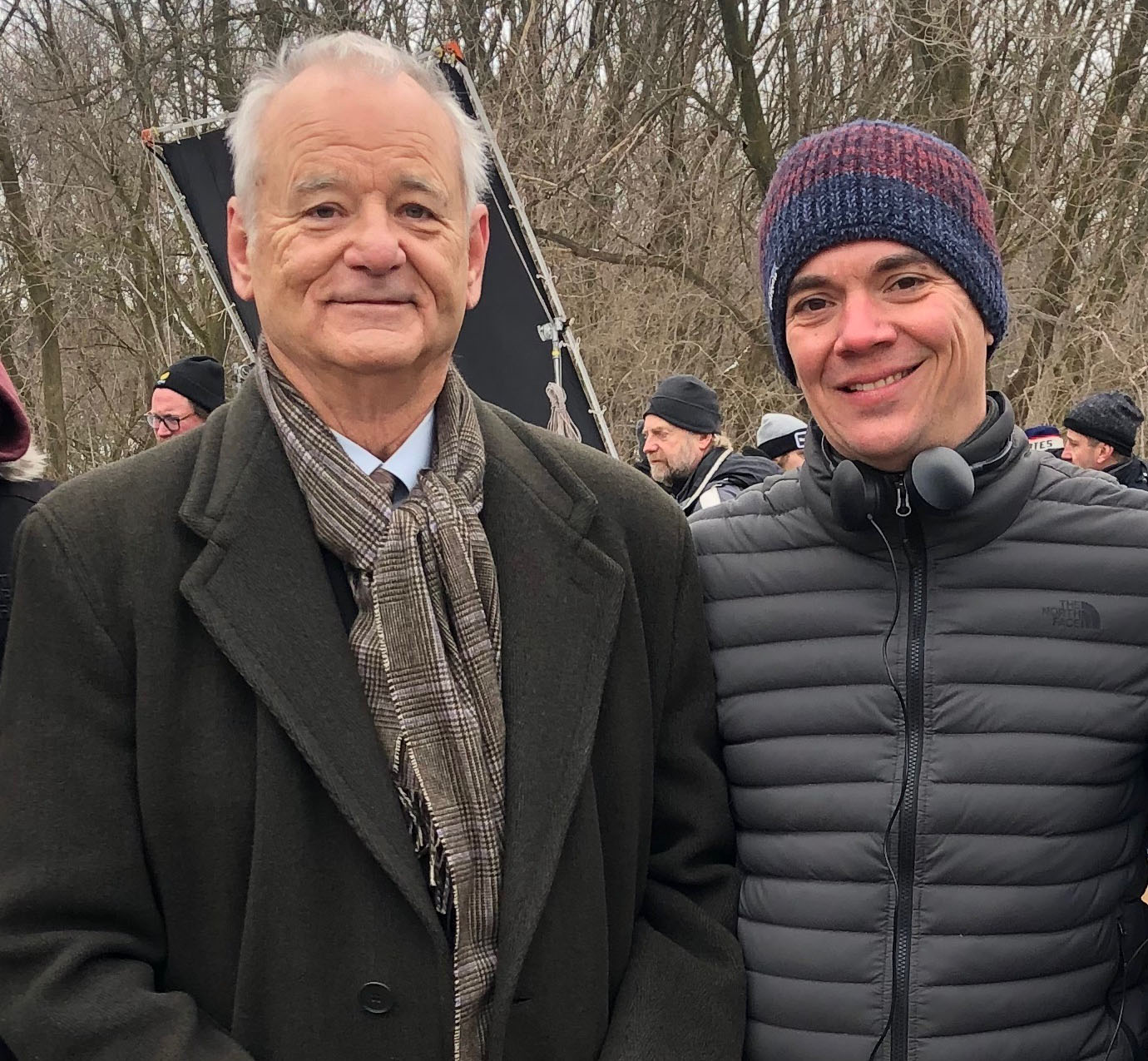
Pat Burke and actor Bill Murray on the set of the 2020 Jeep “Groundhog Day” Super Bowl commercial.

Now the executive creative director at the Los Angeles–based ad agency Special U.S., Burke most recently oversaw the 2026 Uber Eats Super Bowl campaign, bringing his total number of Super Bowl commercials created to 18.

Although Burke didn’t originally set out to become a leader in Super Bowl advertising, he says he’s grateful for the success and opportunities the path has brought.

“It wasn’t my intention to build my career around the Super Bowl, but that definitely led to [my current job] opportunity and even things like the U of I wanting me to speak at convocation,” he said.

Burke, a three-time commercial Emmy nominee and winner of a Cannes Lions Grand Prix, spent the first 30 years of his career in the Chicago advertising industry working at several different agencies, including DDB Chicago, Ogilvy & Mather, and Highdive Advertising.

While at DDB, Burke helped create two Super Bowl commercials that scored in the top five of the USA Today AdMeter ratings. During his six years at Highdive, he made six commercials that landed in the top-five AdMeter spots.

In 2025, Lay’s “The Little Farmer” scored #2 on the USA Today AdMeter. In 2020, Rocket Mortgage’s “Comfortable” starring Jason Momoa scored #5 and Jeep’s “Groundhog Day” with Bill Murray won first place.  

“It wasn’t my intention to build my career around the Super Bowl, but that definitely led to [my current job] opportunity and even things like the U of I wanting me to speak at convocation.

Pat Burke

Executive Creative Director at Special U.S.

Burke said that collaborating with Murray on the Jeep commercial, a parody of the 1993 film, was the highlight of his career.

“I didn’t think we’d ever get [Murray] because he doesn’t really do advertising or commercials, and doesn’t have an agent, so he’s hard to reach,” Burke said. “Even if you want to get him to [make] a movie there’s a famous process you have to go through where you send your script to a P.O. Box in Charleston, South Carolina, and then you just wait, and you hope that he gets back to you.”

Murray would eventually see the script and agree to do the commercial just a few weeks before the Super Bowl.

A behind-the-scenes peek at the making of the 2020 Rocket Mortgage Super Bowl commercial starring Jason Momoa. Burke is seated in back, second from left.

“As far as celebrity encounters for me, it doesn’t get any better than Bill Murray,” Burke said.

Another career-defining moment for Burke was the 2012 release of the “Skittlespox” commercial, which he crafted for Skittles while working at DDB Chicago.

The commercial sparked some controversy among critics who found the premise odd, and even Burke admits it may have run for too many years. But the ad is still the highest-testing Skittles commercial in brand history and a pop-culture phenomenon inspiring countless online re-creations and Halloween costumes.

For Burke, seeing an idea he’s worked on for months come to fruition is the best part of his job.

“You come up with an idea that you think is amazing, and so often, it doesn’t end up getting made, or if it does, it gets changed—death by a thousand cuts,” Burke said. “If something does make it all the way through and it gets made in a way that you pictured it, seeing all [the work] come to life is definitely the fun part.”

Burke’s return to campus will bring him closer to the western suburbs of Chicago where he grew up. Burke, who described his younger self as a “creative kid,” came to the University of Illinois to study art but then switched his major to advertising.   

He credits a class with Peter Sheldon, senior lecturer of advertising, for having a major impact on him and his future career.

“Peter is just a brilliant creative himself and so we all learned a ton from him. He had us all inspired and feeling like we could actually do this for a living,” Burke said. “A bunch of us [in his class] ended up getting jobs and succeeding in the industry, and are still working today, so he’s got a good legacy.”

Burke and actor Jason Momoa.

Burke keeps in touch with Sheldon and has returned to his class over the years to give feedback on student portfolios.

A nature enthusiast who enjoys fly fishing, camping, hiking, and backpacking, Burke has also published many pieces in outdoor magazines like The Drake, a grassroots journal about flyfishing.

Burke also serves on the board of directors for Chicago Voyagers, a non-profit organization serving Chicago’s at-risk youth through trauma-informed outdoor/adventure-therapy programming.

Burke encourages young graduates, especially those entering a creative field like advertising, to focus on simplicity in their work.

“Focus on a simple idea—those are what resonate. Just stick to it and always keep that as your North Star.”

Share on social

ICR team co-edits book on media, meanings surrounding quinceañeras


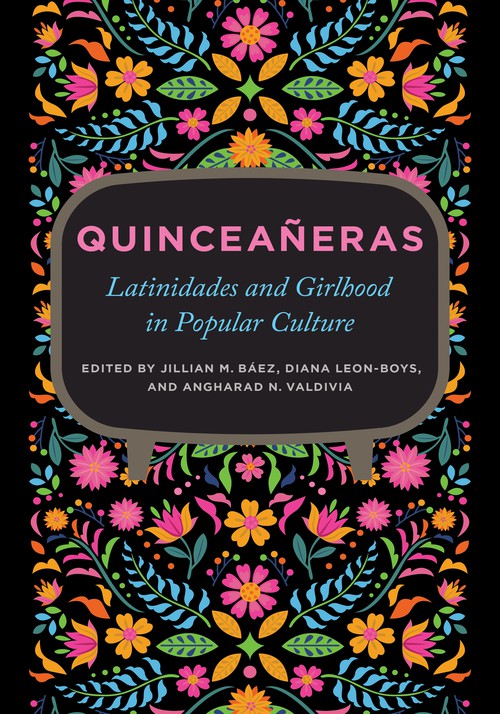
A team from the Institute of Communications Research, including two alumni and an emerita professor, have co-edited the book Quinceañeras: Latinidades and Girlhood in Popular Culture” (University of Illinois Press).

Quinceañeras book cover

Jillian M. Báez (PhD ’09, communications and media, ICR), Diana Leon-Boys (PhD ’20, communications and media, ICR), and Institute of Communications Research Professor Emerita Angharad N. Valdivia (PhD ’91, communications and media, ICR) edited a collection that draws on the expanding field of girlhood studies to examine the increasing visibility of the event and the figure of the quinceañera herself in pop culture.

The contributors focus on quinceañeras as a trope for English-language media’s treatment of Latina girlhoods and Latinx cultures but also examine how use of the quinceañera charts openness and inclusivity within Latinx culture.

Valdivia was part of an ICR team that also organized an exhibit on quinceañeras in 2022, with current ICR doctoral student Stephanie Pérez and alum Ariana Cano (PhD ’24, communications and media, ICR), who were also book contributors.

Share on social

‘Hot Ones’ host and Illinois alumnus Sean Evans named 2026 Commencement speaker


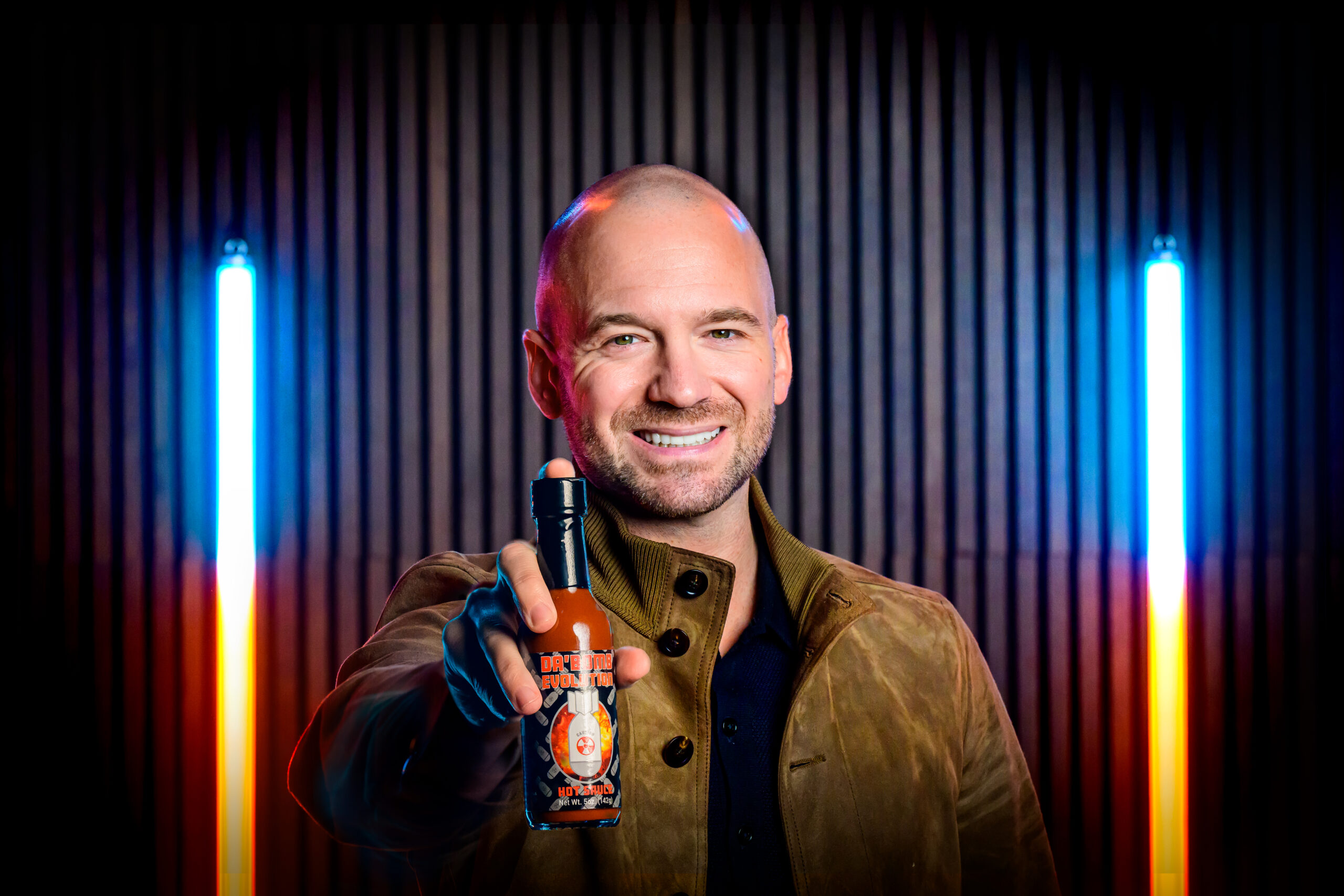
Daytime Emmy® Award-nominated talk show host and Illinois alumnus Sean Evans will serve as the University of Illinois Urbana-Champaign’s Commencement speaker on Saturday, May 16, at 9:30 a.m. in Gies Memorial Stadium. Evans graduated with a degree in broadcast journalism from the College of Media in 2008.

Sean Evans, host of "Hot Ones" and University of Illinois College of Media alum
(Photo by Fred Zwicky / University of Illinois Urbana-Champaign)

Evans is the co-creator and host of the popular YouTube show Hot Ones, where musicians, professional athletes, and television and movie stars join Evans in eating chicken wings doused in progressively spicier hot sauces within the format of a talk-show interview. He notched a Daytime Emmy® Award nomination in 2021 for Outstanding Entertainment Talk Show Host and has won multiple Internet entertainment awards. Evans also was named to TIME magazine’s inaugural “Time100 Creators” list last year, heralding the most influential digital voices of the modern media industry.

“Sean Evans defined his own path and reimagined the role of a journalist and a talk show host in the modern media landscape,” said Illinois Chancellor Charles L. Isbell, Jr. “We encourage Illinois students and alumni to be innovative, and Sean created something no one else had. His work inspires us to continue to push boundaries, to challenge convention, and to develop new ideas instead of just adopting old ones.”

Sean’s career is a wonderful illustration of where an Illinois education, one that nourishes creativity and confidence, can take you. We are so proud of his accomplishments and know that he will inspire students with his story.

Tracy Sulkin

College of Media Dean

Evans forged an affinity for the university long before he arrived at Illinois as an undergraduate student. His mother attended the U of I, and Evans’s favorite holiday haul to this day was the morning he found a Sega Genesis and an orange-and-blue Illinois Starter jacket underneath his Christmas tree as a boy.

Once he stepped on campus as a student, a lasting imprint was left almost immediately.

“You walk out on the Quad, and it looks so quintessentially college,” said Evans, a native of Crystal Lake. “It looks like a college out of a film. There’s a scale and a history to it that really smacks you in the face. Walking onto the Main Quad for the first time, I had this feeling of being in a totally different place in my life and feeling a lot of comfort in it.”

Evans said he “trusted the incubation period” of the journalism program in the College of Media to build up his skill set. He recalled the high standards the professors expected out of students, and the meaningful experience he gained cycling through each production role on WPGU-FM student news broadcasts.

Alum Sean Evans, Hot Ones host, visits with students in Journalism 340: Video Reporting and Storytelling, taught by College of Media senior lecturer Alison Davis. The class was one Sean remembered taking when he was in school.
(Photo by Fred Zwicky / University of Illinois Urbana-Champaign)

“Sean’s career is a wonderful illustration of where an Illinois education, one that nourishes creativity and confidence, can take you. We are so proud of his accomplishments and know that he will inspire students with his story,” said Tracy Sulkin, dean of the College of Media.

But like many young people entering the workforce in 2008, he found a flagging job market upon graduation. Evans returned to his old summer gig: a Chicago architecture tour guide.

“I remember feeling so hopeless,” Evans said. “There was this existential feeling to it. But even at that time, I had a passion for what I wanted to do. I would take every freelance project I could get. I knew I had a passion for this work and needed an outlet for it.”

His meteoric rise began after successfully pitching and developing Hot Ones in 2015, when he was working at Complex magazine. He wasn’t even the biggest fan of chicken wings. At best, Evans thought it could be a fun idea he and his co-creators would program on a quarterly basis. But the format of humanizing celebrities—and making them forget their media training—by putting them through blistering hot wing sauces worked in capitalizing on the attention economy. Notable guests have included Will Smith, Stephen Curry, Billie Eilish, Justin Timberlake, Gordon Ramsay, Neil deGrasse Tyson, Dua Lipa, and many more across the show’s 400 episodes.

Sean Evans in Illinois regalia
(Photo by Fred Zwicky / University of Illinois Urbana-Champaign)

“I certainly never thought it would be my own media company,” Evans said. “We were working in cubicles at Complex and ended up making something that became bigger than these giant, hulking media companies it was incubated in.”

Evans remains deeply involved in the preparation for each Hot Ones episode and works late into the night formulating precise questions and perfecting his delivery of those queries to his guests. These nocturnal work sessions always transport Evans back to his time at Illinois, where he would sign up for the latest availability in the basement of Gregory Hall to edit his broadcast journalism projects.

“I always really liked going down there, having my headphones on, being the only person in the building, and just lost in the basement of Gregory Hall cutting packages,” Evans said. “I still to this day work like that. I’ve written my best interview questions—and probably the most interview questions—after 10 p.m.”

As his own celebrity stature has grown, Evans has eagerly returned to his alma mater. He has attended sporting events, spoken to students, and even hosted a special edition of Hot Ones with Illinois men’s head basketball coach Brad Underwood as the guest. It’s all a part of giving back to a place that has been special to him for most of his life, and Evans can’t wait to add to that legacy with his role as Commencement speaker.

“As somebody who loves this school, went to this school, and now has this crazy pop culture platform, it’s fun to bring that energy back to Illinois,” Evans said.

Watch Chancellor Charles L. Isbell, Jr. interview Commencement speaker and Illinois Media alumnus Sean Evans:


For more information regarding the universitywide ceremony—including the stadium’s clear-bag policy, student regalia, and parking instructions—visit commencement.illinois.edu.


Editor’s note: To request a media interview with Sean Evans, contact Kovert Creative at fwfpr@kovertcreative.com. For media requests related to Commencement, contact Patrick Wade, director of executive communications and issues management, 217-333-5010, pwade@illinois.edu. For information about Commencement, contact commencement@illinois.edu.

See original press release.

Share on social

Take 5 with Media Alumni: Emmanuel Camacho


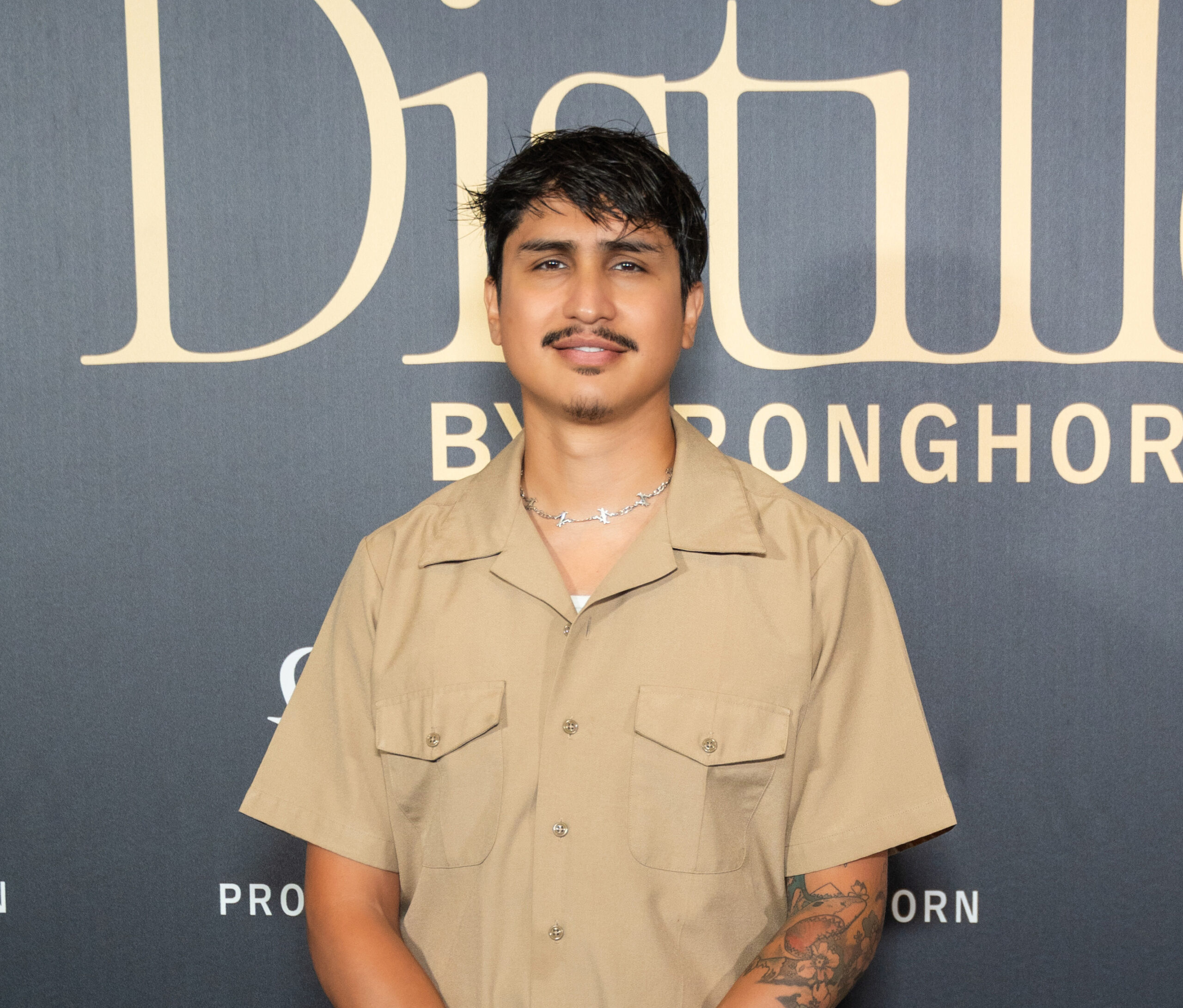
Emmanuel Camacho (BS ’11, media and cinema studies), founder of Manny Reel Films, is a Los Angeles-based film director and producer with a decade of experience crafting compelling visual narratives. His career spans music videos, short-form documentaries, and branded content, collaborating with industry giants like Nike, Google, Tidal, and Moët Hennessy. He has directed and produced a tour documentary for Lil Wayne, an inside look at Deadmau5’s record label, and Distilled (2024), a half-hour special on AMC+. Learn more about this College of Media alum, whose work merges documentary storytelling with cinematic aesthetics, capturing authentic moments that resonate across platforms.

Emmanuel Camacho

1. What first drew you to filmmaking and production, and how did that evolve into your current role today?

My first real appreciation for film and filmmaking began when I was 13. My older siblings, Paulina and Orlando, took me to the theater to see Kill Bill, directed by Quentin Tarantino. I remember being completely enthralled by the experience and asking myself, “How can a film make you feel so much?” That question stayed with me and sparked a deep love for cinema.

As I got older, that curiosity turned into intention. I enrolled in film-related classes and programs and eventually pursued a degree in media and cinema studies at the University of Illinois. After finishing undergrad, I knew I wanted to fully commit to building a career in filmmaking. I interned under Chicago-based documentary filmmaker Ben Kolak and later worked as an after-school arts instructor at the National Museum of Mexican Art, teaching Chicago high school students digital media arts.

From there, I began working independently, taking on clients across sportswear, food and spirits, nightlife, and music and culture media. Today, I live in Los Angeles and work with a wide range of clients producing social media content, editorial work, and long-form projects across film and television.

2. What do you consider your biggest career accomplishment. Is there one project that felt especially meaningful to you?

One of my biggest career accomplishments is sustaining my business as an independent filmmaker through major shifts in the media landscape, including the economic impact of COVID-19. Longevity in this industry isn’t guaranteed, and I credit it to staying grounded in my creative convictions while also building strong, lasting relationships with producers, clients, collaborators, and the friends and family who have supported me along the way.

A project that felt especially meaningful was directing a Google commercial in 2021, “Helping Small Businesses: Irazu, Chicago, IL.” It was one of the largest commercial projects I’ve directed, and beyond the creative fulfillment, it played a pivotal role in my career. The opportunity allowed me to make the full move to Los Angeles and continue pursuing my work as a film director at the next level.

Watch Camacho’s commercial:

3. What advice would you give to students who want to break into directing or production but don’t know where to start?

My biggest piece of advice is to create as much as possible and learn to enjoy the process of working. Early in my career, I passed on opportunities because I was too focused on compensation, when I should have been prioritizing experience and growth. That time is invaluable.

If paid opportunities aren’t consistent, create your own projects. Experiment with lighting, scout new locations, and revisit your edits to explore different approaches and workflows. With the Internet today, your work can reach audiences far beyond your immediate circle—you never know who might discover it and be inspired.

If this is truly what you want to do, do it. Stay persistent, stay curious, and keep making work.

4. The media landscape is constantly changing—how do you keep your work both current and true to your vision?

From a young age, I’ve been deeply interested in new media—likely influenced by growing up during the early days of the commercial Internet. I believe it’s important, especially as a student and creator, to stay informed about emerging trends and to actively experiment with new tools and technologies, including AI. Beyond technical growth, I draw inspiration from watching contemporary films, visiting museums, and engaging in creative conversations with friends and colleagues.

Staying true to my vision comes from having developed a clear and intentional visual identity over time. Through years of practice, I’ve learned how to create instinctively while maintaining a consistent point of view. I know what I want my work to look and feel like, and that confidence behind the camera is something I continue to refine through regular practice and self-reflection.

5. What’s one dream project you’d love to direct or produce in the future?

My ultimate dream project is to direct a feature film of my own. I’m especially drawn to telling lighthearted, character-driven stories set in Chicago, my hometown. Since moving to Los Angeles, I’ve become more aware of how Chicago is often portrayed through darker, heavier narratives—projects like The Chi or Chicago P.D. frequently frame the city as rough or dangerous.

While those stories reflect a real side of Chicago, they don’t represent the whole picture. I believe there’s an opportunity to reimagine the kinds of characters and stories that come from the city that highlight its warmth, humor, and humanity, and reveal the beauty that exists beneath the surface.

My hope is to bring those stories to life and, in doing so, inspire both Chicagoans and those who only know the city from afar to see it in a new light.

Share on social

College of Media
119 Gregory Hall
810 S. Wright St.
Urbana, IL 61801
217-333-2350