College of Media offers new online degree completion program: BA in Media


To expand access to a University of Illinois education, the College of Media now offers an online Bachelor of Arts in Media program for adult learners who have taken some college coursework but have not completed their undergraduate degree.

Person taking notes and using a laptop

Targeting working adults who want to upskill or re-skill their media knowledge and advance in or change their careers, the BA in Media is one of the first online degree completion pathways offered by the University of Illinois Urbana-Champaign, along with a similar program at the College of Liberal Arts & Sciences.

โ€œThis new degree will give learners the advantage of earning their bachelorโ€™s in media at their own pace. It comes at a time when valuable skills from advertising, journalism, and media and cinema studies are in high demand across industries,โ€ said Tracy Sulkin, dean of the College of Media. โ€œAs we near 100 years at the College of Media, weโ€™re pleased to offer an innovative, flexible option to access our world-class education, without disrupting learnersโ€™ work, family obligations, or other commitments.โ€

This offering reflects the universityโ€™s broader commitment to educational innovation, societal impact, and its land-grant mission to transform lives through education. The College of Media began developing the online BA in Media program in 2023. Itโ€™s designed to remove barriers for non-traditional students, across Illinois and beyond, providing an accessible, high-quality education that empowers graduates to contribute meaningfully to their communities and industries.

The interdisciplinary program will provide a broad foundation for understanding the contemporary media landscape, along with applied training in skills necessary for career success in media-related fields. Students will take courses from each of the College of Mediaโ€™s three departments: the Charles H. Sandage Department of Advertising, the Department of Journalism, and the Department of Media & Cinema Studies.

This new degree will give learners the advantage of earning their bachelorโ€™s in media at their own pace. It comes at a time when valuable skills from advertising, journalism, and media and cinema studies are in high demand across industries.

Tracy Sulkin

Dean of the College of Media

Students will learn media concepts, theories, and methods; use cutting-edge tools and technology to analyze and evaluate the media landscape; and create ethical and culturally relevant media content. Understanding that students will possess a wide range of experiences and coursework, the program culminates in a capstone experience where students will apply their knowledge to a significant project that highlights their skills to future employers.

Graduates of the program will be prepared for successful careers both inside and outside the media industry, including positions in the business, government, education, and nonprofit sectors that require media and communication skills, such as writing, editing, audio production, videography, strategy, and media research and analysis.

Unlike traditional undergraduate degree programs, students in the BA in Media program will not be required to enroll full-time, nor to reside on campus. Students must complete all classes online.

The BA in Media program is open to transfer students and to those applying for re-entry to the University of Illinois Urbana-Champaign. It is not available to first-year students or to current students seeking an inter-collegiate transfer.

The bachelorโ€™s in media is the fifth bachelorโ€™s degree offered by the collegeโ€”which also offers masterโ€™s degrees and a doctoral degreeโ€”further expanding its academic portfolio to meet the needs of todayโ€™s learners. See all academic programs offered by the College of Media.

Share on social
Mandatory media literacy education in Illinois schools impaired by digital divides


Teachers and high school students live in vastly different media worlds, and thatโ€™s one of several digital divides that undermine the efficacy of state-mandated media literacy instruction in Illinois high schools, a recent study suggests.

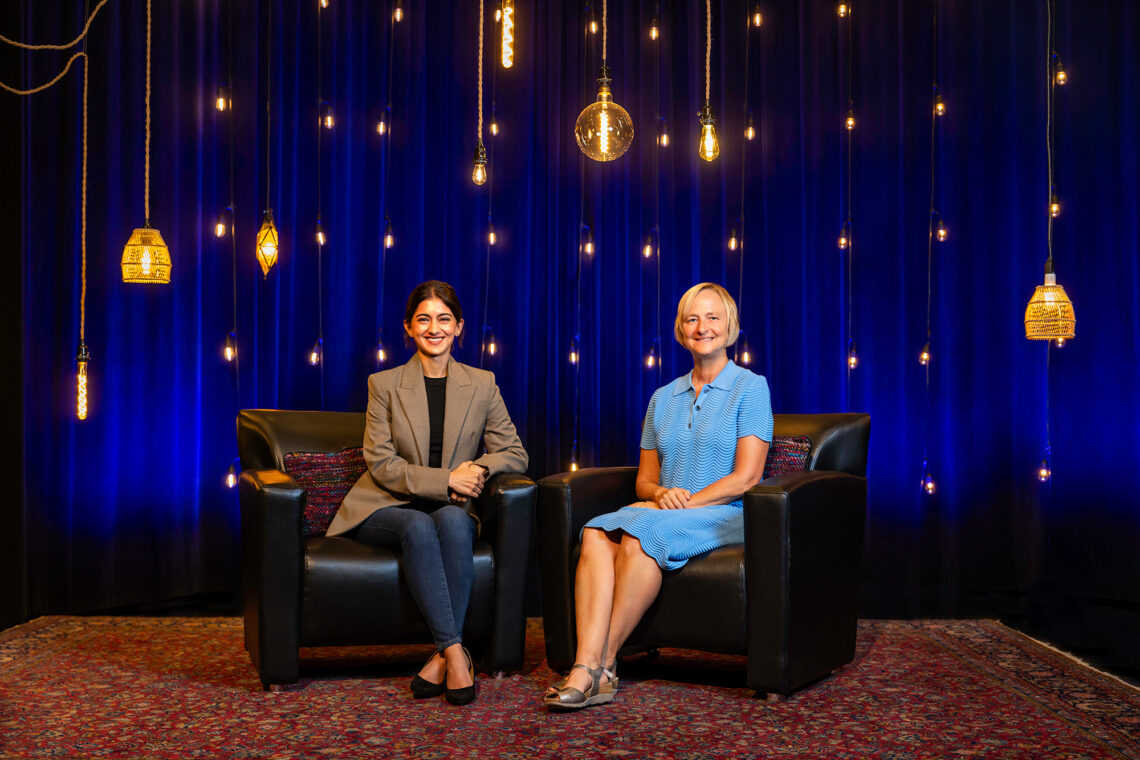
Sakshi Bhalla and Michelle Nelson
Professor and head of Advertising Michelle Nelson (right) and ICR doctoral student Sakshi Bhalla conducted a study that explored the state of Illinoisโ€™ mandate on media literacy instruction for high school students.

The researchersโ€”Institute of Communications Research doctoral studentย Sakshi Bhallaย andย Michelle Nelson, professor and head ofย advertising, both of the University of Illinois Urbana-Champaign; andย Michael A. Spikes, director of theย Teach for Chicago Journalism Programย at Northwestern Universityโ€”interviewed 20 educators from across the state of Illinois about the nature and challenges of media literacy education in their schools. The findings, published in the Journal of Media Literacy Education, indicate that these efforts are undermined by differing media choices, skills, and perceptions of media literacy, as well as socioeconomic and political disparities.

Under a recent Illinois law, Public Act 102-0055, public high schools are required to provide at least one unit of media literacy instruction. However, a significant hurdle to effective instruction is the digital divide between the media experiences of teachersโ€”whose media experiences are based on legacy media such as television and social media platforms with less relevance to youths, such as Facebookโ€”and those of their students, whose worlds revolve around digital and social platforms such as TikTok and Snapchat, the researchers said.  

โ€œWe discovered that there are a lot of differences in how teachers and students access the media, whether it is in terms of the platforms or more structural determinants such as teachers getting news from mainstream news media, for example, and students getting news from TikTok or partisan commentators on YouTube,โ€ said Bhalla, the first author of the paper. โ€œTo foster meaningful media literacy, we must consider the role of studentsโ€™ lived experiences, while extending lessons on media access, evaluation, and creation across a stratified population.โ€

Recruited from different regions of Illinois, the educators in the study represented a diverse group in terms of school size, socioeconomic profiles, and participantsโ€™ disciplines, which included art, English, and library sciences. Participants were interviewed about their awareness of the Illinois law, their understanding of the aptitudes that constitute media literacy, the challenges of teaching the subject in their schoolsโ€™ settings, and the resources they need to support instruction, Nelson said.

Because the state mandate was passed without providing resources or much training, some teachers felt constrained because they did not want to navigate into political waters, and they were left wondering what to do.

The Illinois law, which took effect at the beginning of 2022-23 school year, defines media literacy as โ€œthe ability to access, analyze, evaluate, create, and communicate using a variety of objective forms, including print, visual, audio, interactive, and digital texts.โ€

However, the researchers said that this definition of media literacy presumes a single, shared media experience that is no longer accurate, and โ€œthe idiosyncrasies of unique media useโ€”particularly in social and digital mediaโ€”mean there may be no โ€˜common groundโ€™ upon which to analyze, evaluate, or create.โ€

Accordingly, some teachers said they were unfamiliar with the platforms used by their students and relied on their pupils to teach them how to use these technologies, while others struggled to respond when students mentioned media or commentators they used for news and information.

Nearly half of those in the study worked in schools where at least 40% of the students were low income, and the researchers said that studentsโ€™ socioeconomic profiles determine whether students are taught basic functional skills or higher-level analytical skills. In low-income schools, instruction focused on building functional skills such as keyboarding and other technical proficiencies associated with jobs, whereas teachers in more affluent school districts said that their curricula focused on higher-level skills such as critical analysis of the media landscape and assessing mediaโ€™s credibility and accuracy.

With few resources for planning course content, some teachers based instruction on current events, with students discussing controversial issues such as gun violence and the war in Ukraine.

โ€œBecause the state mandate was passed without providing resources or much training, some teachers felt constrained because they did not want to navigate into political waters, and they were left wondering what to do,โ€ Nelson said. Teachers grappled with maintaining neutrality during class discussions, which they said were often โ€œhijackedโ€ by studentsโ€™ emotional responses to particular issues based on the types and political leanings of the media they consumed, along with those of the studentsโ€™ parents and the broader community.

โ€œStudents are discovering themselves through different political ideologies. And teachers found students to be a lot more political following the 2016 presidential election, issues surrounding COVID-19, and movements such as Black Lives Matter and Blue Lives Matter, and how all of these things were entering the world of emerging adults,โ€ Bhalla said.

But when teachers pointed out fallacious information in the media or pointed out credible sources to correct misinformation, they said their pupils perceived them as biased or responded in ways that indicated they were unconvinced by facts.

โ€œThose in the study also struggled with the complexities of defining right-leaning or left-leaning media and evaluating media bias, because itโ€™s multidimensional and changes with every article, news story, and political event,โ€ Bhalla said.

Despite these many challenges, most of the teachers in the study believed that teaching media literacy and discussing controversial topics in todayโ€™s polarized climate are important. However, to be effective, media literacy education in Illinois schools must understand the media world that young people inhabit; provide better resources for them, their teachers, and schools; and provide learning for all students, honing functional skills as well as higher level proficiencies, the researchers said.

The team used their findings to develop media literacy workshops for Illinois teachers during the summers of 2022 and 2023 through theย Initiative for Media Education Inquiry and Action.ย An initiative of faculty and students in theย College of Mediaย andย College of Education, IMEDIA supports teachers in integrating media education into their classrooms. โ€œWe had participants work in groups to create lesson plans and then share those with other people, so when everybody left, we hoped that they would have at least one lesson that they could implement the following school year,โ€ Nelson said.


Editor’s note:

To reach Michelle Nelson, email nelsonmr@illinois.edu.
To reach Sakshi Bhalla, email sakshib3@illinois.edu.

The paper โ€œClassroom contexts: Teachers talk teaching media literacyโ€ is available online or from the News Bureau.
DOI: 10.23860/JMLE-2025-17-2-3

See original press release.

Share on social
College of Media welcomes Fall 2025 with faculty promotions and leadership appointments


This fall, the College of Media announces two new department heads, seven faculty promotions, and one new faculty member.

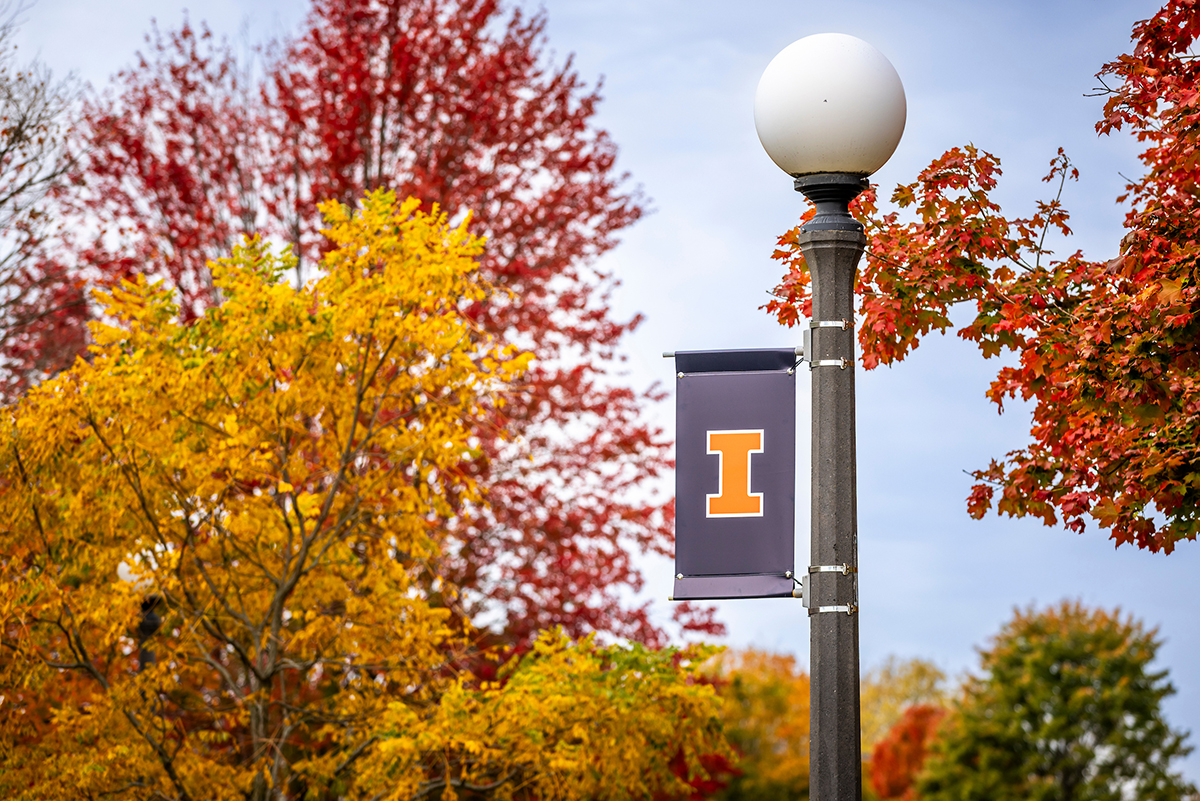
University of Illinois campus with fall leaves and Block I banner

In the Charles H. Sandage Department of Advertising, Sang-Hwa Oh has been promoted to associate professor with indefinite tenure. Carrie Wilson-Brown has been promoted to senior lecturer. Penne Heede joins the department as a new lecturer.

In the Department of Journalism, Professor Jeffrey Magee has been named interim head. He previously served in the College of Media as associate dean for academic affairs from 2019 to 2022. Alison Davis and Josh Heuman have both been promoted to senior lecturer.

In the Department of Media & Cinema Studies, Professor James Hay has been named interim head. Anita Say Chan has been promoted to full professor. Jenny Oyallon-Koloski has been promoted to associate professor with indefinite tenure. Josh Heuman, Jonathan Knipp, and Carrie Wilson-Brown have each been promoted to senior lecturer.

In the Institute of Communications Research, Amanda Ciafone, associate professor of media and cinema studies, will serve as interim director of graduate studies for Fall 2025. Derek Long, associate professor of media and cinema studies, will return as director of graduate studies in Spring 2026.

Continuing for a second term within the college administration, Jason P. Chambers, professor of advertising, will serve as associate dean for access and engagement, and Stephanie Craft, professor of journalism, will serve as associate dean for academic and faculty affairs.

Share on social
Media faculty, students present research at 2025 Association for Education in Journalism and Mass Communication annual conference


2025 AEJMC conference program cover

Faculty and graduate students from the College of Media co-presented various topics of research at the 108th annual conference of the Association for Education in Journalism and Mass Communication on August 7-10, 2025, in San Francisco, California.

This yearโ€™s conference theme was โ€œLeading in Times of Momentous Change: Individual and Collective Opportunities.โ€ Presenters included faculty in the Institute of Communications Research, the Charles H. Sandage Department of Advertising, and the Department of Journalism; and graduate students in ICRโ€™s PhD program and the MS advertising program.

The AEJMC aims to promote the highest possible standards for journalism and mass communication education, to cultivate the widest possible range of communication research, to encourage the implementation of a multi-cultural society in the classroom and curriculum, and to defend and maintain freedom of communication to achieve better professional practice and a better-informed public.

College of Media research presenters and presentations are listed below. (Please see the AEJMC conference program for complete listings and participants.)

2024-25 AEJMC Elected Standing Committee Members

Research

Publications

Scholar-to-Scholar (Poster) Refereed Research Paper Sessions

Navigating Trust and Authenticity in AI-Generated Advertising Content

โ€œEvaluating Consumer Perceptions of AI-Suggested Brands: Insights from the FCB Grid Frameworkโ€

Discussant

AI in Advertising: Emotional Appeals, Trust, and the New Creative Frontier

โ€œThe Influence of โ€˜Artificial Intelligenceโ€™ as a Persuasive Hook and Persuasion Knowledge on Consumer Evaluationsโ€

Perceptions, Persuasion, and Authenticity in AI-Driven Advertising

Louvins Pierre poster presentation at AETMC

โ€œBranding with AI: Investigating How General AI Attitudes Shape Consumer Perceptions and Intentionsโ€

Algorithmic Experiences

โ€œEphemeral Visibility and Real-Time Monitoring: How Algorithmic Rankings Amplify Fansโ€™ Data Labor for Idolsโ€™ Publicityโ€

  • Anna Yan Liu, ICR doctoral student

Current News Strategies

โ€œTargeting Against Disinformation: An Experimental Test of Generic and Microtargeted Corrections in Social Mediaโ€

Emerging Technology Diffusion

โ€œUsing the Technology Acceptance Model to Understand College Studentsโ€™ Intentions to Use Mobile Applications to Change Their Behaviorsโ€

Environmental Communication

โ€œPerceptions of Climate and Diversity Advocacy in Politically Trying Times: Examining Responses to Companies That Abandon, Maintain, or Expand Csaโ€

Media Literacy and Information Consumption

โ€œFrom Knowledge to Intentions: Testing a Model of News Literacy Behaviorsโ€

Refereed Research Paper Sessions

Histories from Inter and Intra-National Perspectives

โ€œFrom Piรฑata Factories to the Pandemic: Latino Media Survived with Community Focus”

Advancement in Crisis Communication and CSR research

โ€œTell Me More: Curiosity and Engagement with CSR Messagingโ€

โ€œAI in Advertising: Collaboration, Creativity, and Consumer Perceptionโ€

Moderating/Presiding

PFR Panel Sessions

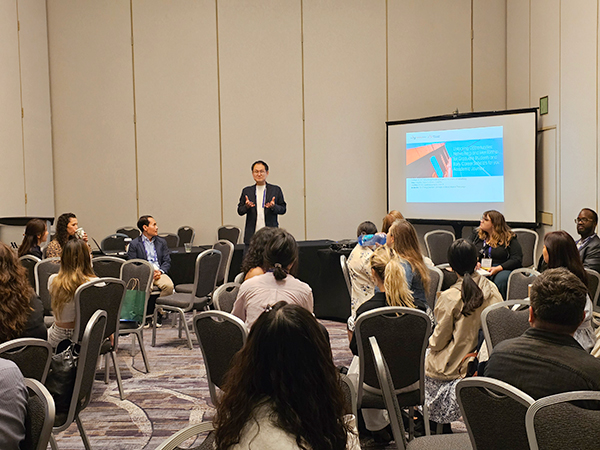
Chang-Dae Ham presenting at AEJMC

โ€œUnlocking Opportunities: Networking and Mentorship for Graduate Students and EarlyCareer Scholars for your Academic Journeyโ€

Moderating/Presiding

Panelists

โ€œThe Privacy-Personalization Dilemma: Crafting Ethical Data Strategies in Advertisingโ€

Panelist

Research Panel Sessions

 โ€œDeveloping Research Agendas for Advertising and Visual Communication: Insights from Professionals in an Ever-Changing Media Landscapeโ€

Panelist

โ€œHow to Arm Your Students with Just Enough Business Skills to Cover Anythingโ€

Panelist

Teaching Panel Session

โ€œEthical Leadership and Journalism Education Amid, Well, Everythingโ€

Panelist

Commission on the Status of Women, AEJMC Council of Affiliates, and Lillian Lodge Kopenhaver Center for the Advancement of Women in Communication, Florida International University

Workshop Session: Women Faculty Moving Forward: Pathways to Success

Panelist

AEJMC Elected Standing Committee on Research

Research Award Panel Session: James A. Tankard/AEJMC-Knudson Latin-America Prize Book Awards

Discussant

Award Panel Session: Nafziger-White-Salwen Dissertation Award

Panelist

Washington Media Scholars Foundation Graduate Research Scholarship Winners

“Invisible Persuasion in LLM-Based Recommendation: How Flattery Style and Product Involvement Shape Intention to follow Recommendation and Click-to-Action via Consumer Judgment Confidence”

  • Seo-Jeong Heo, ICR doctoral student

“What makes generative AI ads persuasive? Regulatory Fit Theory Application”

  • Boram Cho, MS Advertising student

Share on social
Associate professor of advertising Leona Yi-Fan Su selected for 2025-26 Emerging Research Leaders Academyย 


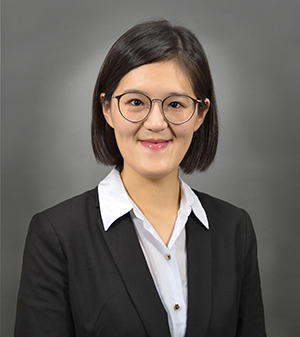
Leona-Yi-Fan-Su

Leona Yi-Fan Su, associate professor of advertising and a faculty affiliate at the Institute of Communications Research, was selected by the Interdisciplinary Health Sciences Institute for the 2025-2026 Emerging Research Leaders Academy.

The ERLA allows mid-career researchers to refine their goals, make connections, and develop skills to strategically lead collaborative, multi-investigator research teams, and pursue center-level or large-scale, collaborative research funding.

Su, who was one of 15 Illinois researchers chosen for this yearโ€™s cohort, engages in a range of interdisciplinary and collaborative research projects on science and health issues.

Her key research areas include studies on social norms, humor, incivility, social media, engagement metrics, virtual assistants, big data, machine learning, brand communication, science communication, health communication, and environmental communication.

ERLA candidates are nominated by a dean, department head, or director, and evaluated by a campuswide selection committee. Factors such as their commitment to the program, future leadership potential, and how their participation will benefit their career as well as that of the Illinois research enterprise, are all considered before the final selection is made.

Throughout the Fall 2025 and Spring 2026 semesters, ERLA members will engage in reflection and personal assessment, clarify their vision and goals, and develop five-year action plans that they will present at the ERLA graduation in April 2026.

Share on social
Journalism alum, ocean expert Annie Crawley wins 2025 Illini Comeback Award


Annie Crawley (BS โ€™90, journalism) was one of two recipients to win the University of Illinois Alumni Associationโ€™s 2025 Illini Comeback Award.

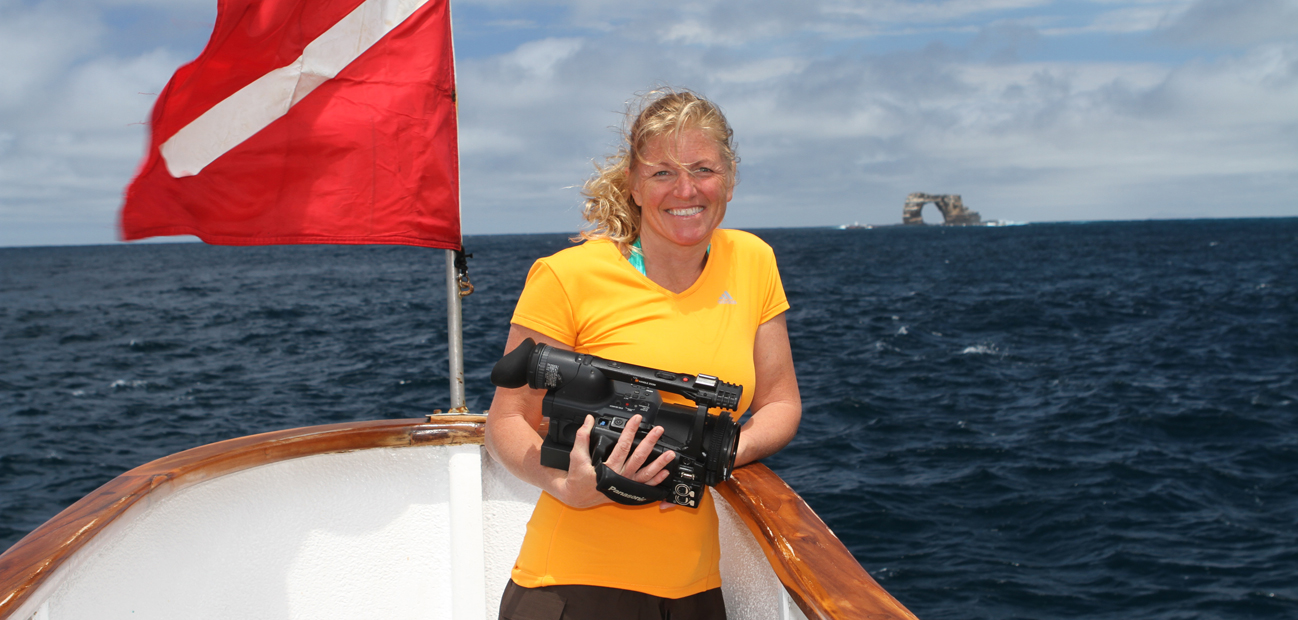
Annie Crawley

Crawley, a.k.a. โ€œOcean Annie,โ€ is a pioneering underwater filmmaker, environmental photojournalist, author, and ocean advocate whose career spans more than three decades.  

She has become a driving force for ocean literacy, exploration and conservation through immersive storytelling and education. She founded โ€œDive Into Your Imaginationโ€โ€”a series of award-winning illustrated books and award-winning DVDs that have reached global audiences, inspiring millions to care for and become a voice for oceans.

The College of Media is hosting a special screening of Crawley’s film The Island of the Shark, Guardians of Malpelo, followed by a Q&A with Crawley on Wednesday, Sept. 24, at 4:30 p.m. at Spurlock Musem. The event is free and open to the public. Participants may also join by registering for the Zoom link.

Crawley’s recent work includes ocean-themed visual compositions for symphonies with renowned composer Stella Sungโ€”merging science, music, and art to spotlight noise, chemical, and sound pollution. Her latest documentary, The Island of the Shark: Guardians of Malpelo, highlights shark conservation and the fight against illegal fishing in Colombia.

As a columnist for Scuba Diving Magazine and an in-demand speaker, Crawley challenges us to dive deeperโ€”to hear the oceanโ€™s story and recognize the role we all play in the oceanโ€™s future.

Since 1980, when the Illini Comeback Award was established, the UIAA has invited prominent and accomplished alumni back to the campus to participate in various activities during Homecoming Weekend.

Honorees are provided opportunities to interact with current students and share information about their professional experiences and the value of their University of Illinois education.

UIAA Alumni Awards will be presented in conjunction with Homecoming Week, September 21-27.

Read more about Annie Crawley.

Read more about UIAAโ€™s 2025 Alumni Awards.

Share on social
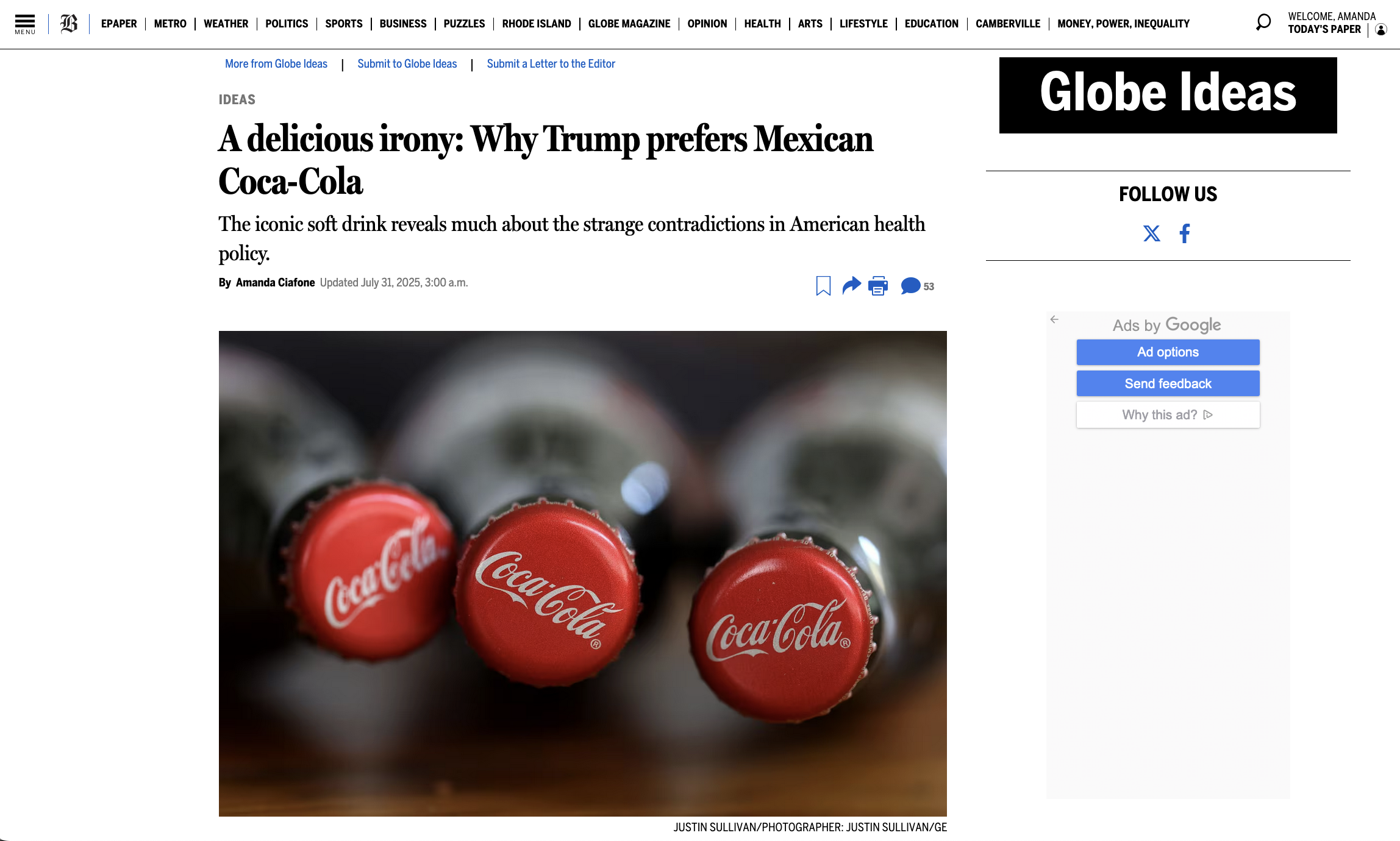
A delicious irony: Why Trump prefers Mexican Coca-Cola


Border walls and tariffs must be high against Mexico, but the Cokes it exports to the United States get a pass. A product beloved by immigrants and cool kids alike, it is known for its real cane sugar and retro glass bottle. And itโ€™s a product that, in its very sweetness, shows that taste is politicalโ€”that what we consume is shaped by trade policies, subsidies, and the strength of our regulatory institutions.

Amanda Ciafone- Coke

Amanda Ciafone, associate professor of media and cinema studies, discusses the strange contradictions in American health policy in a Boston Globe op-ed piece titled โ€œA delicious irony: Why Trump prefers Mexican Coca-Cola.โ€

โ€œWhen President Trump recently professed his preference for โ€˜REAL Cane Sugar in Coke in the United States,โ€™ he may have been remembering the Cokes of his youth. More likely he was thinking of the taste of a โ€˜Mexican Coke,โ€™ the only version of Coca-Cola sweetened with real sugar, rather than high-fructose corn syrup, that is commercially available in the United Statesโ€”and itโ€™s imported from Mexico,โ€ Ciafone writes. โ€œIt was hard not to marvel at the irony.โ€

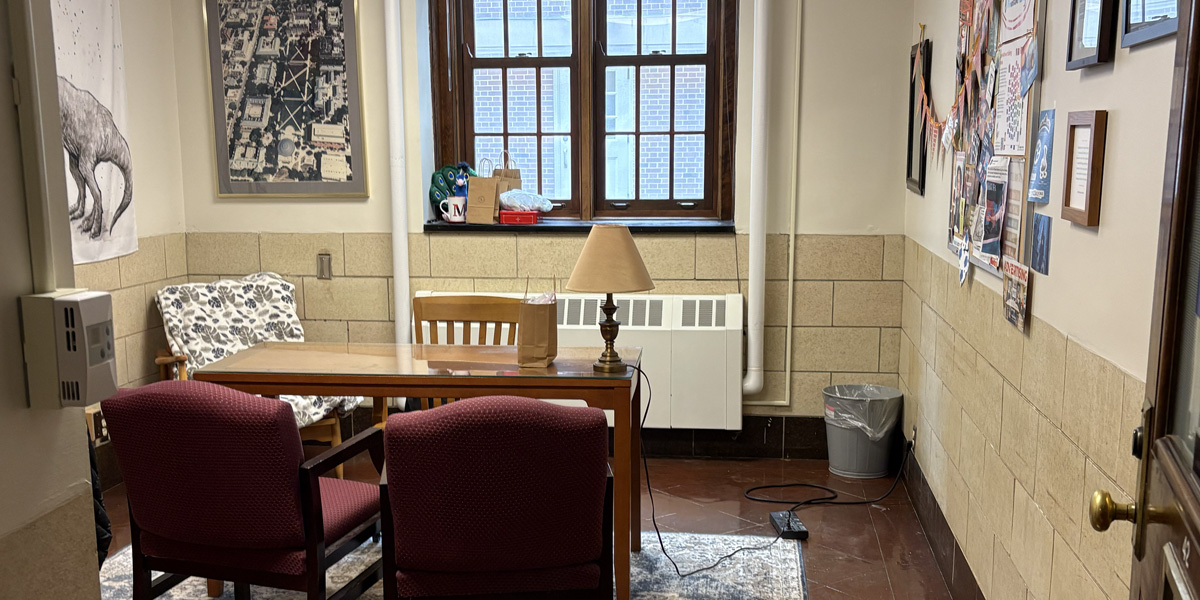
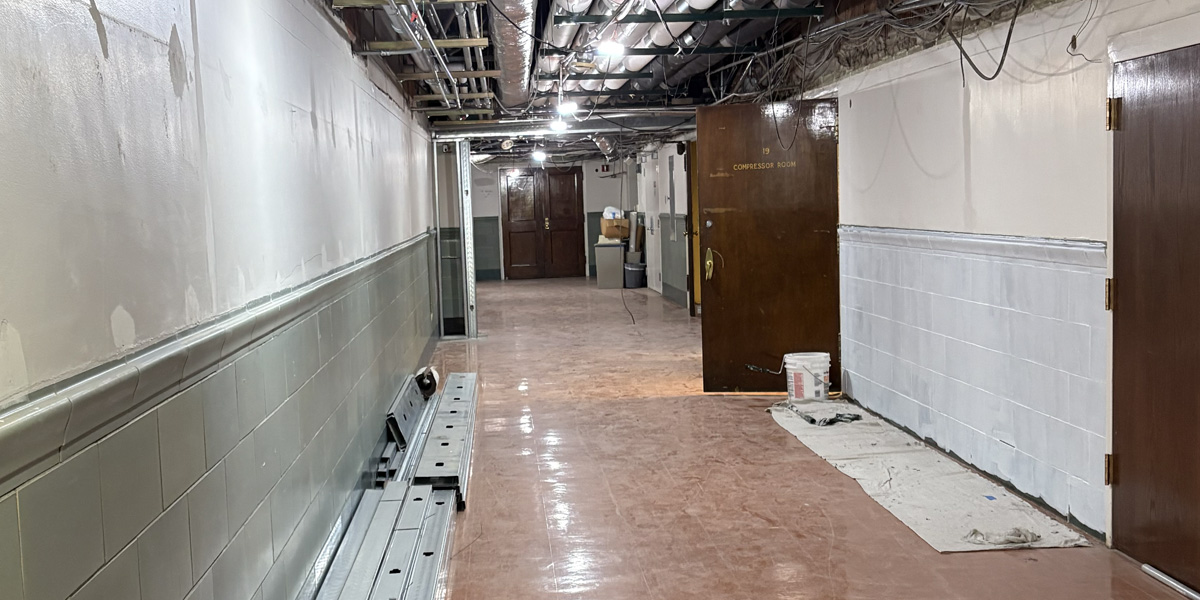
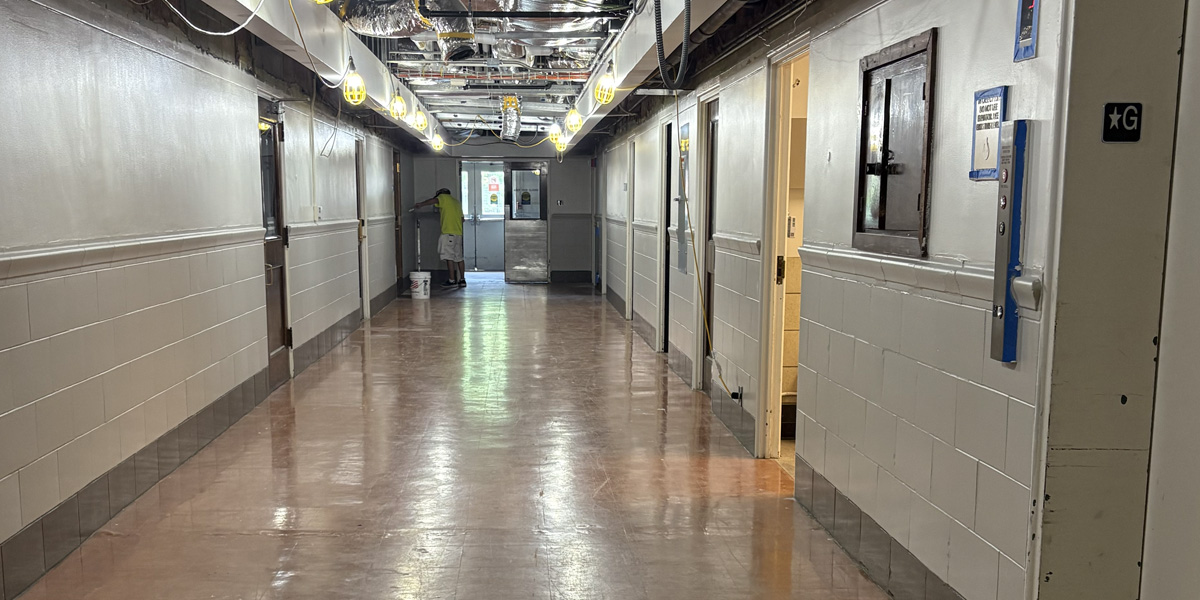
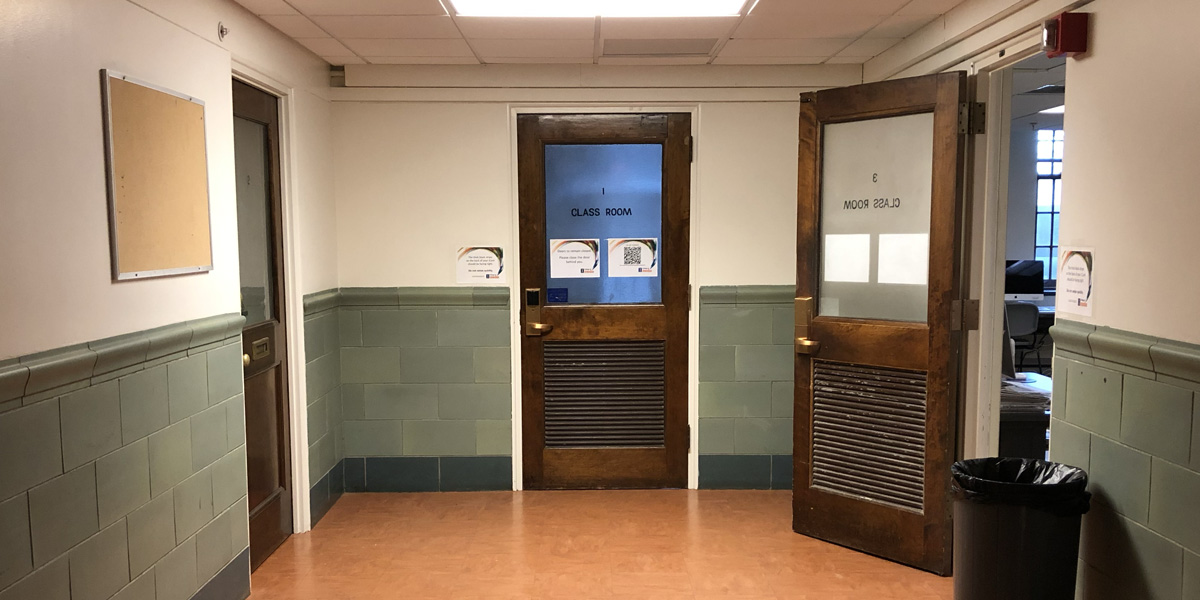
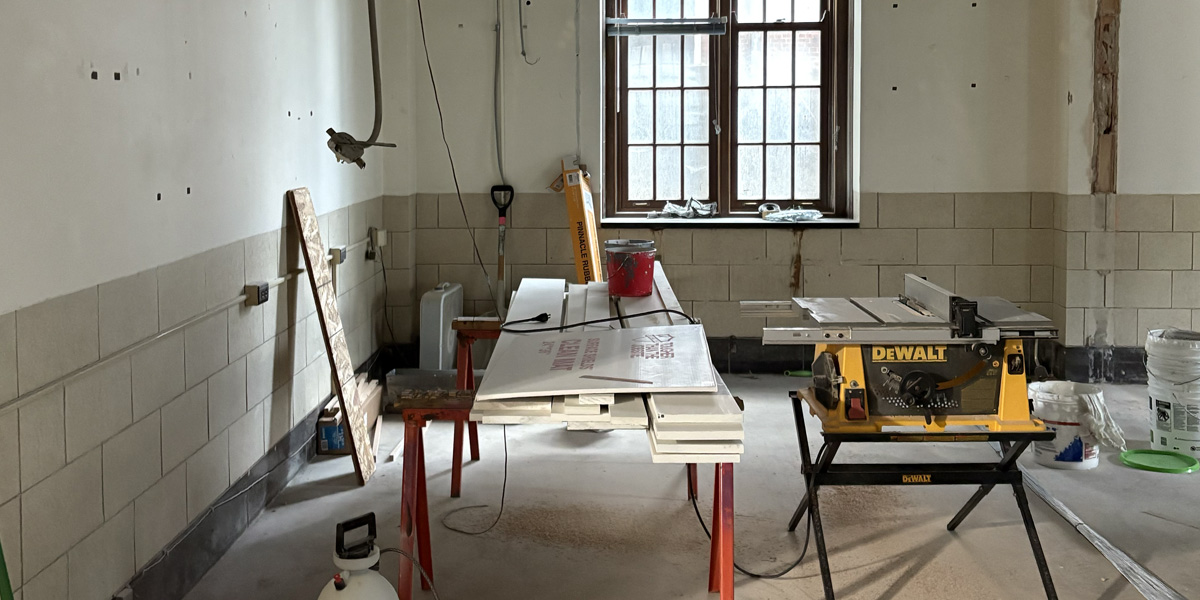
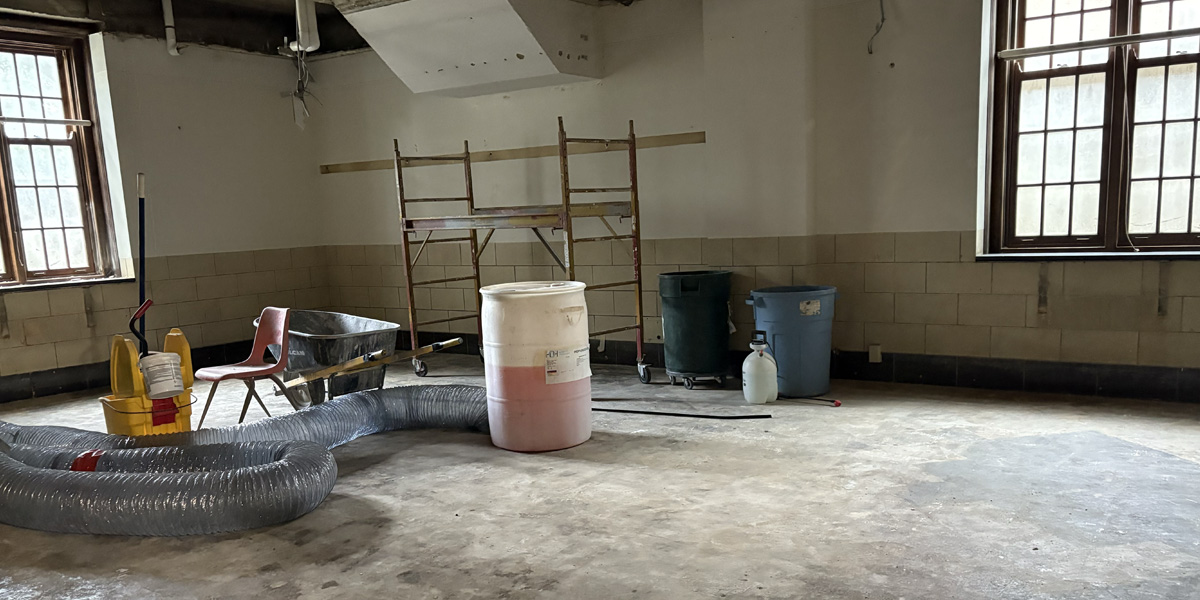
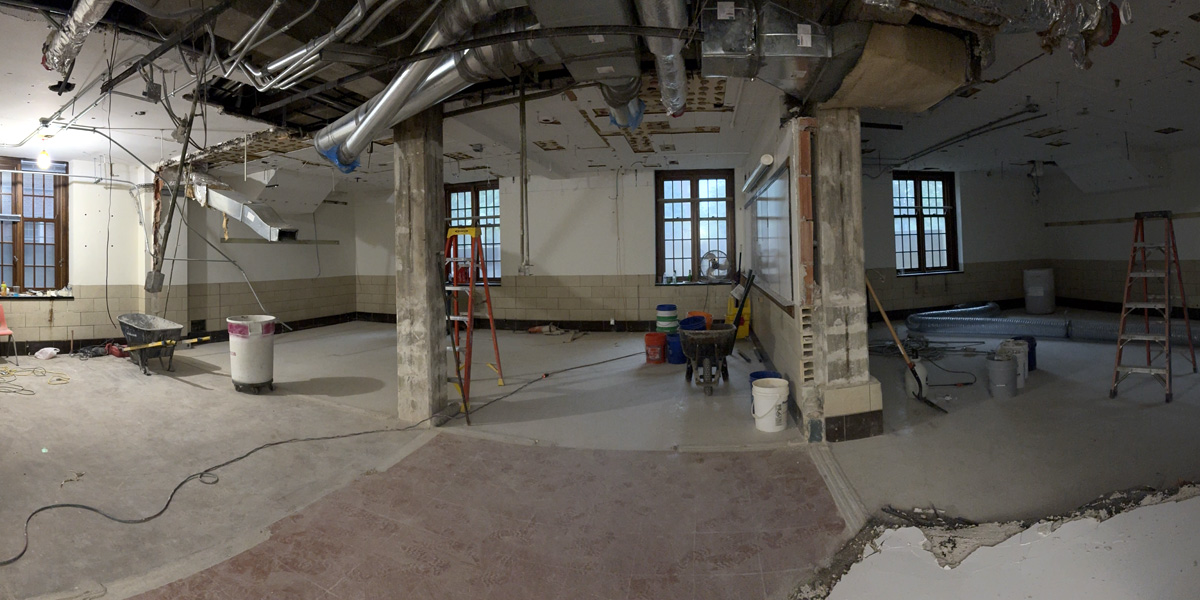
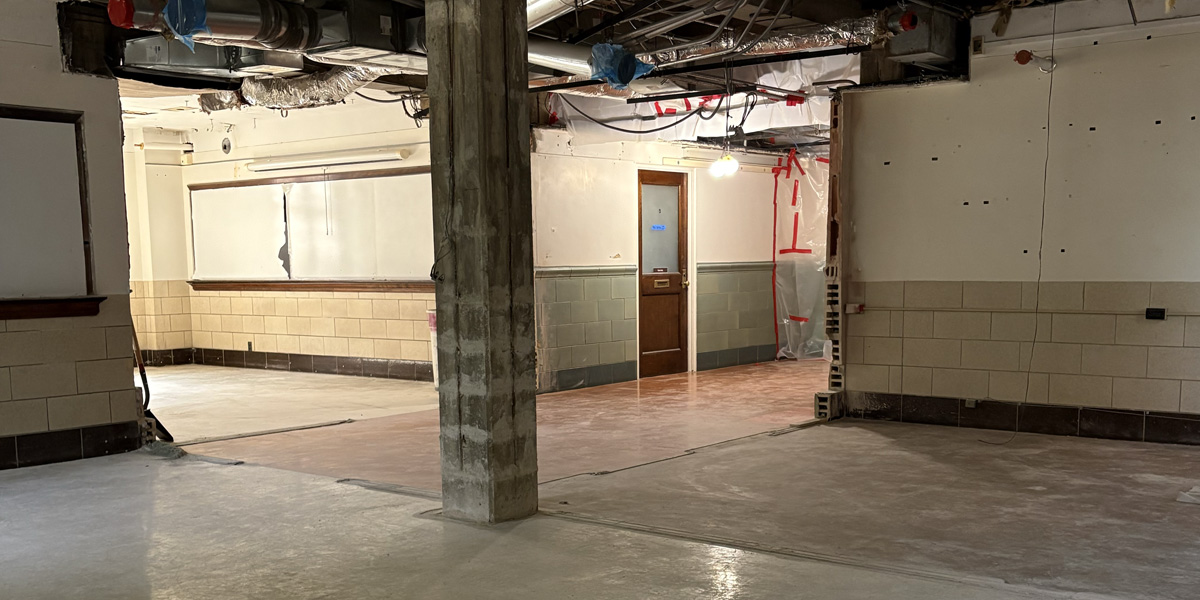
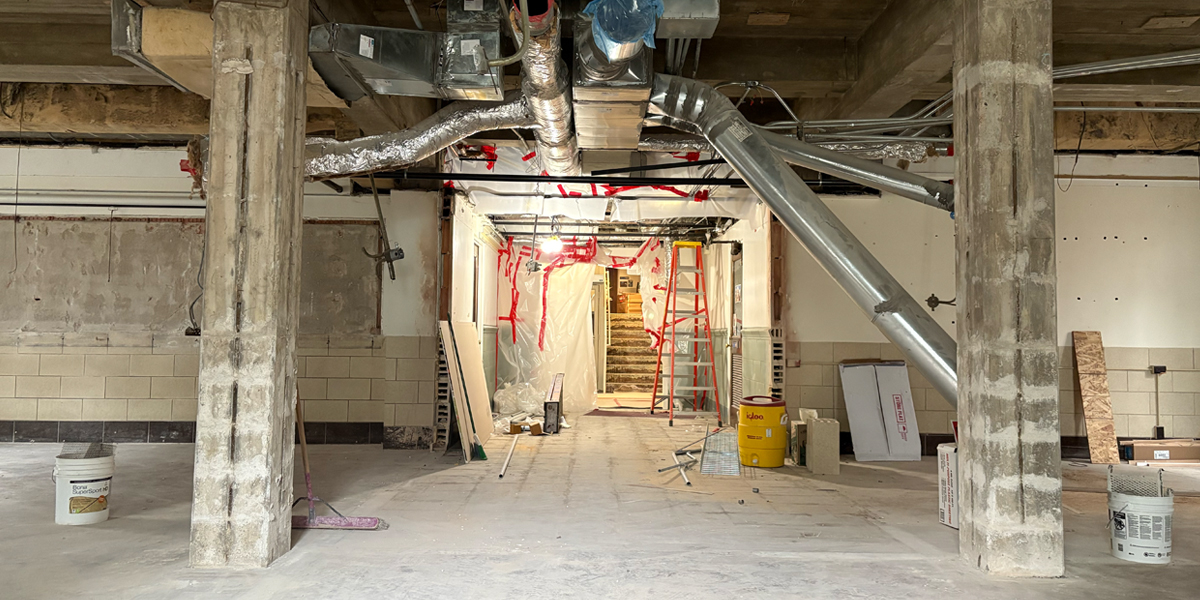
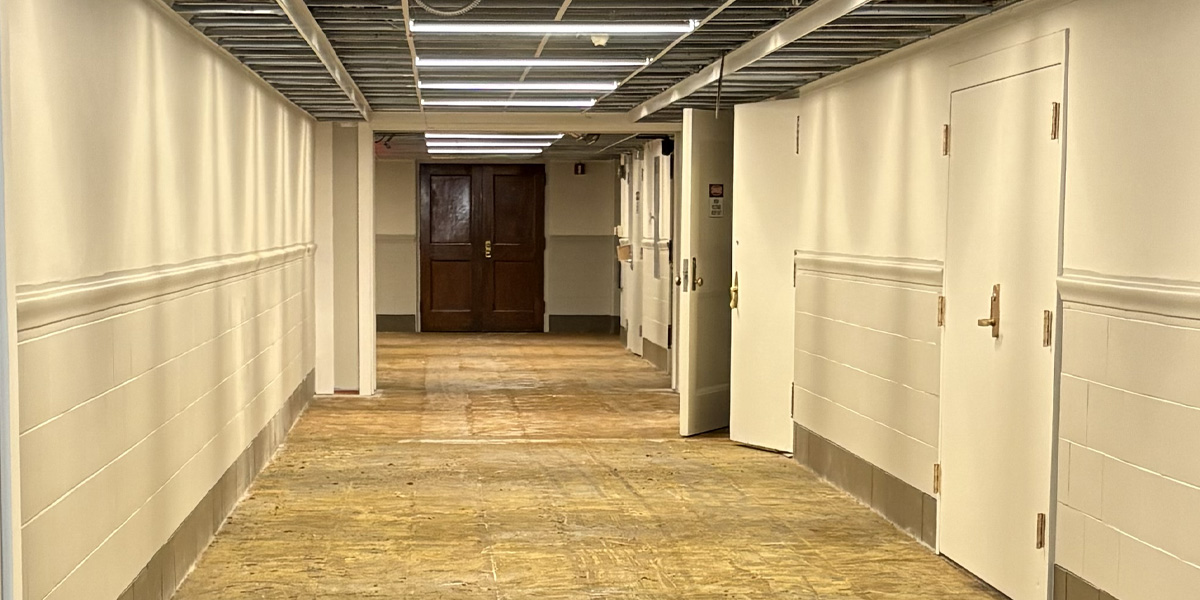
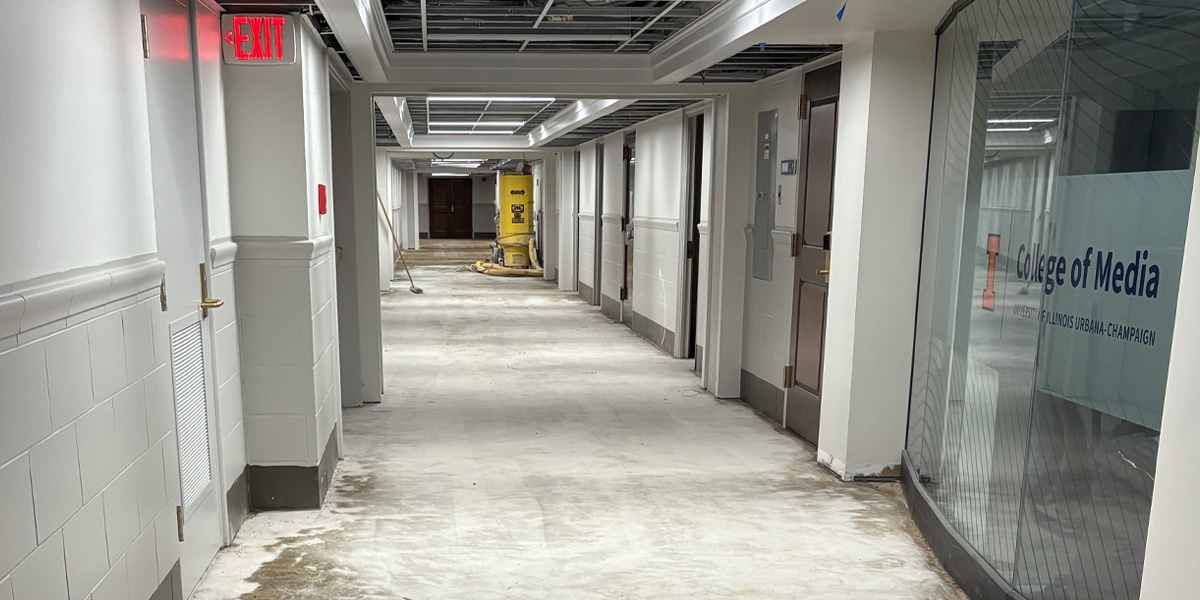
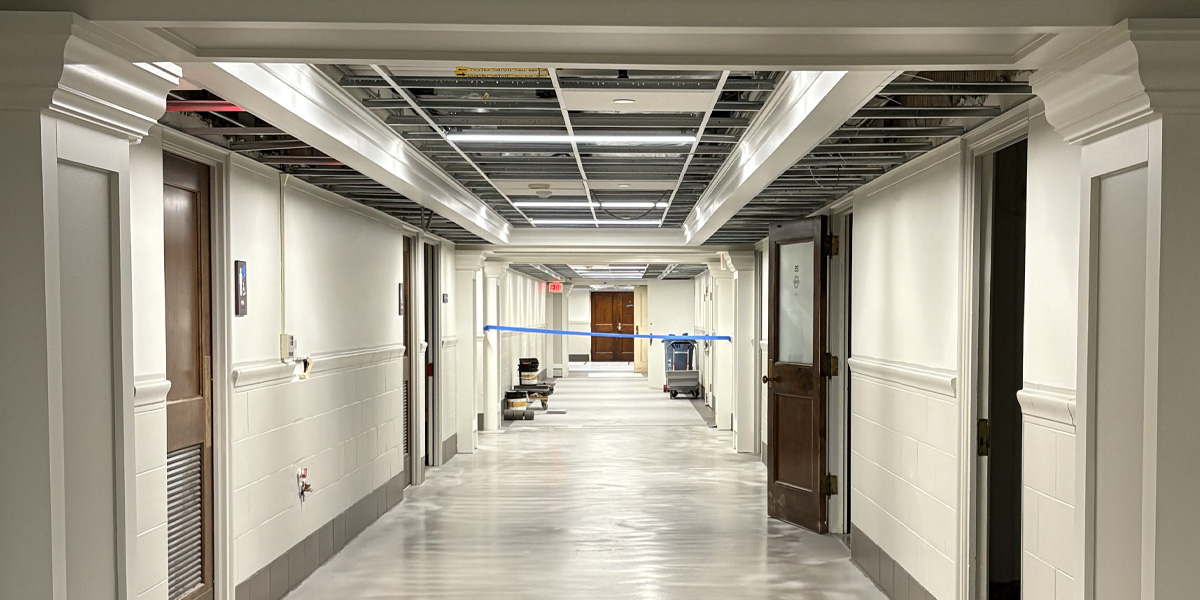
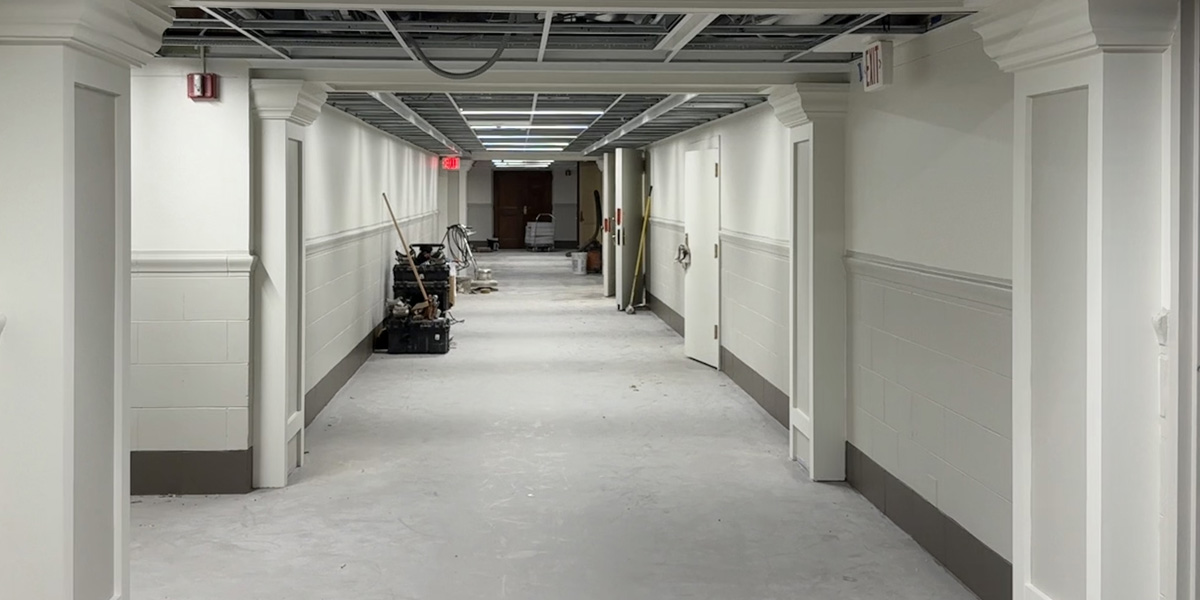
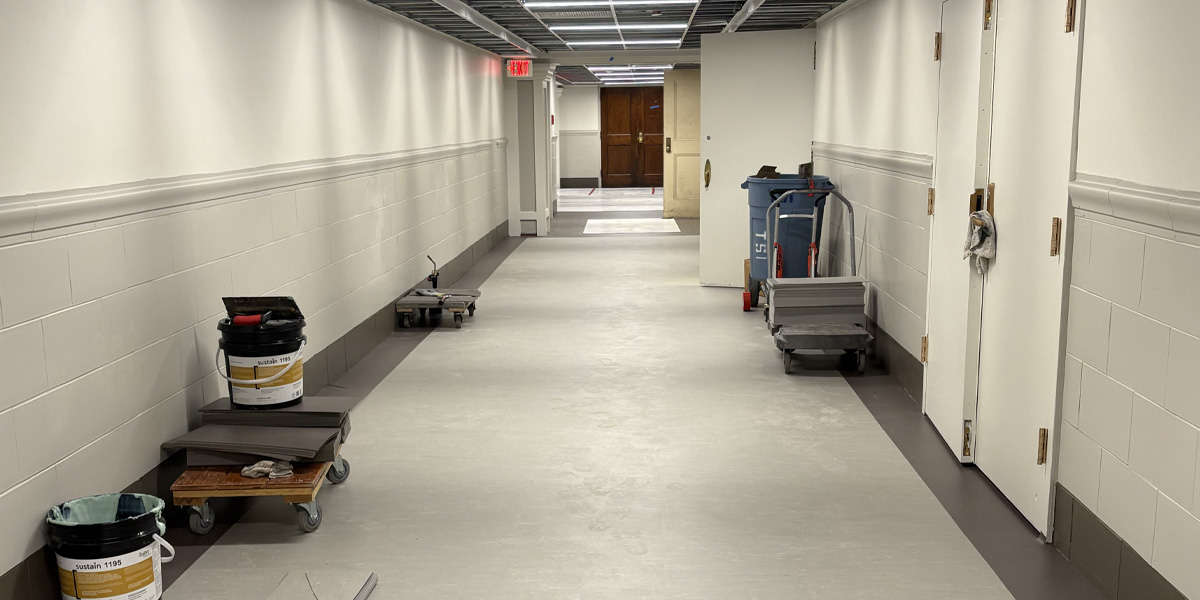
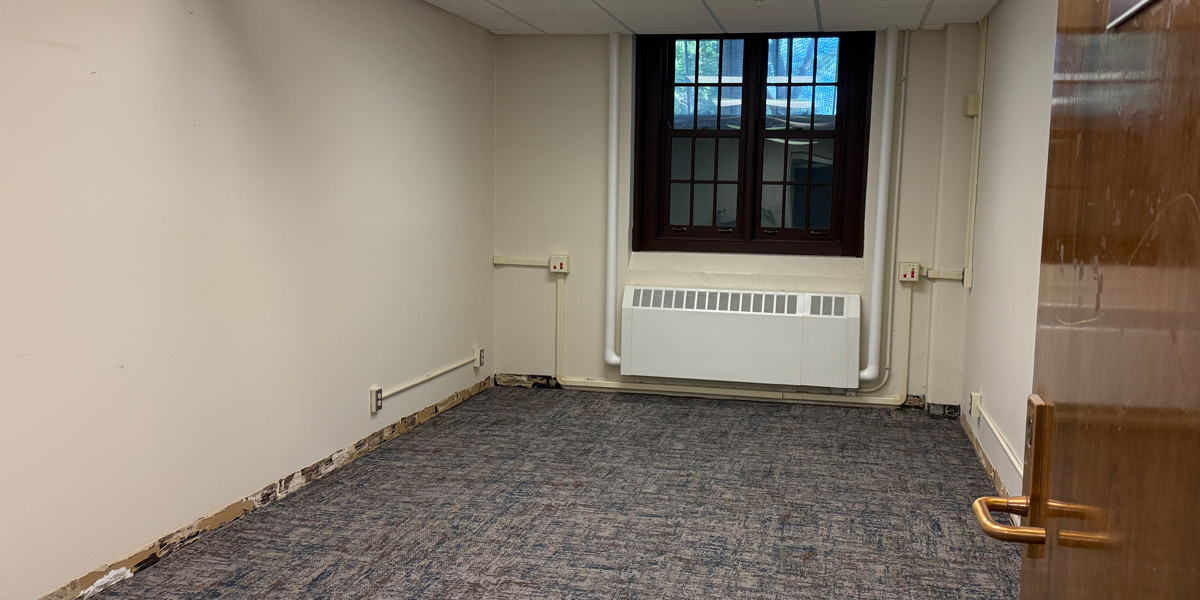
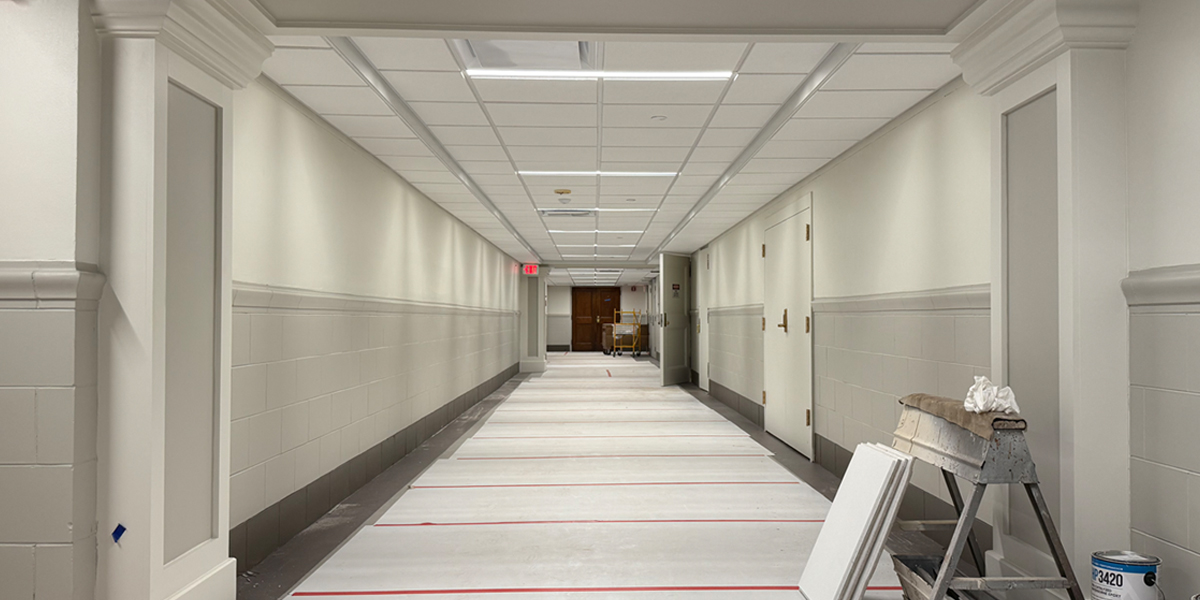
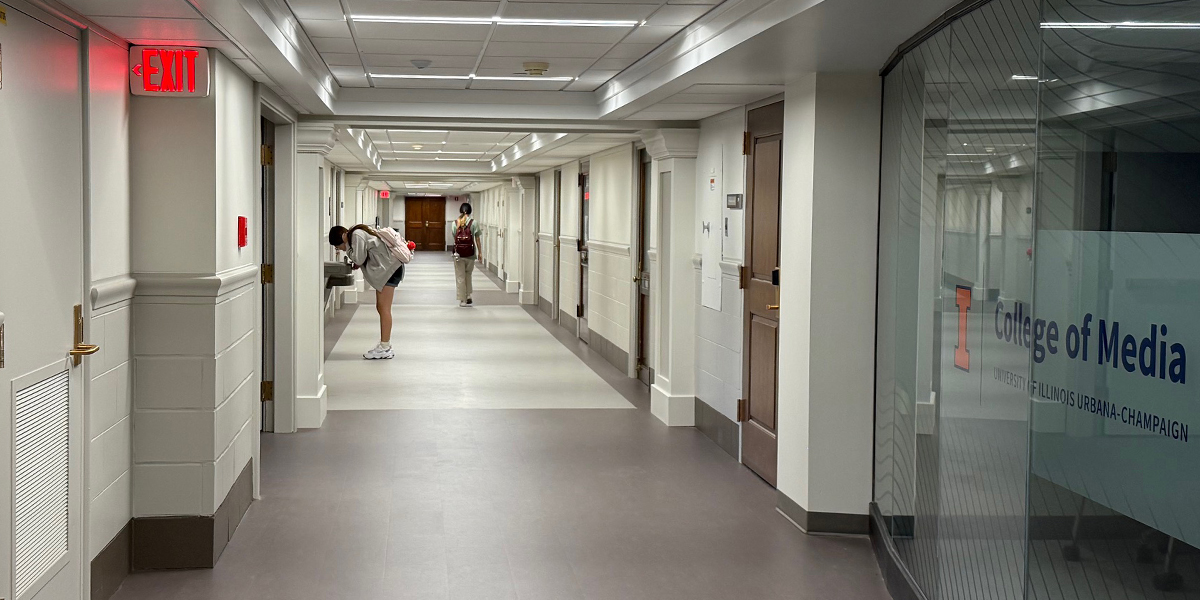
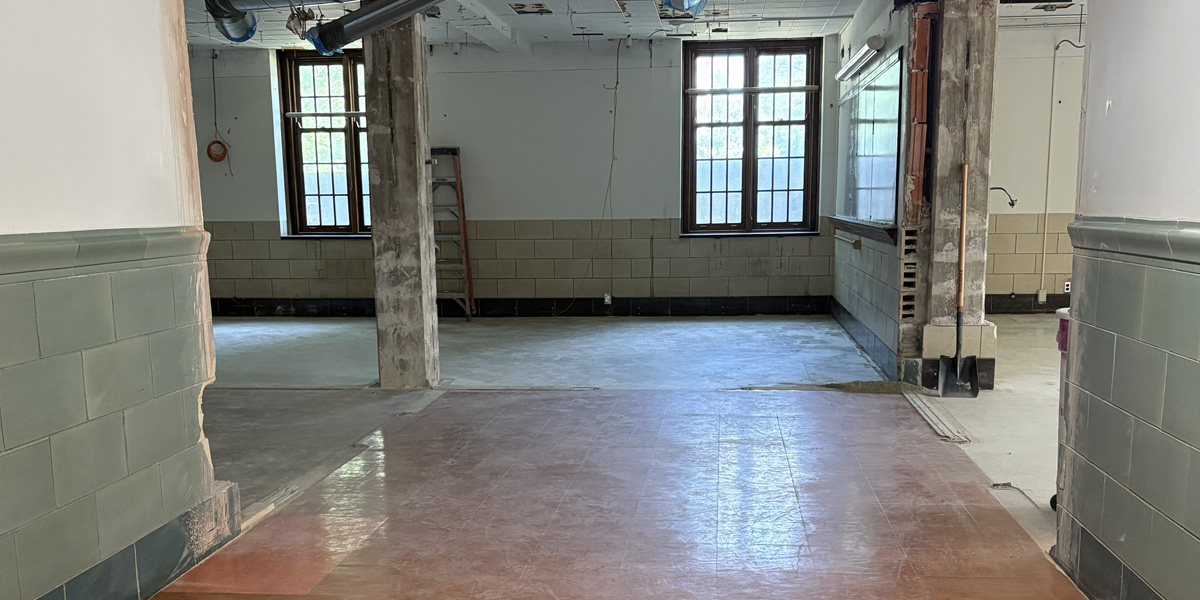
Gregory Hall lower-level renovation photos


Thanks to a $2.5M gift from Richard and Leslie Frank in 2024โ€”who endowed the Richard and Leslie Frank Center for Leadership and Innovation in Media in 2020 and enabled the renovation of Richmond Studioโ€”exciting upgrades in the lower level of Gregory Hall began in Spring 2025. 

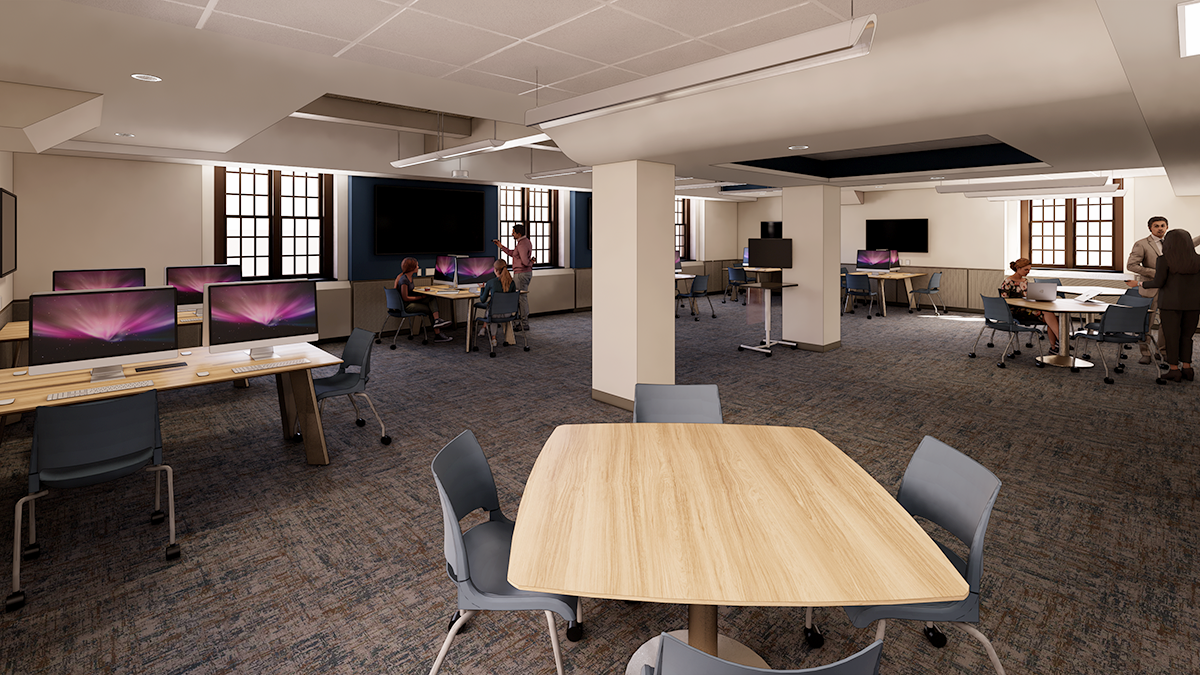
Gregory Hall Room 1 architect rendering overview

This will result in the creation of a new hybrid/flexible, state-of-the-art classroom (see architectural rendering above), which will open in Spring 2026, and a renovated main corridor, plus updated flooring throughout, including in faculty offices.

See photos depicting the original spaces, the renovation process, and the architectural renderings.

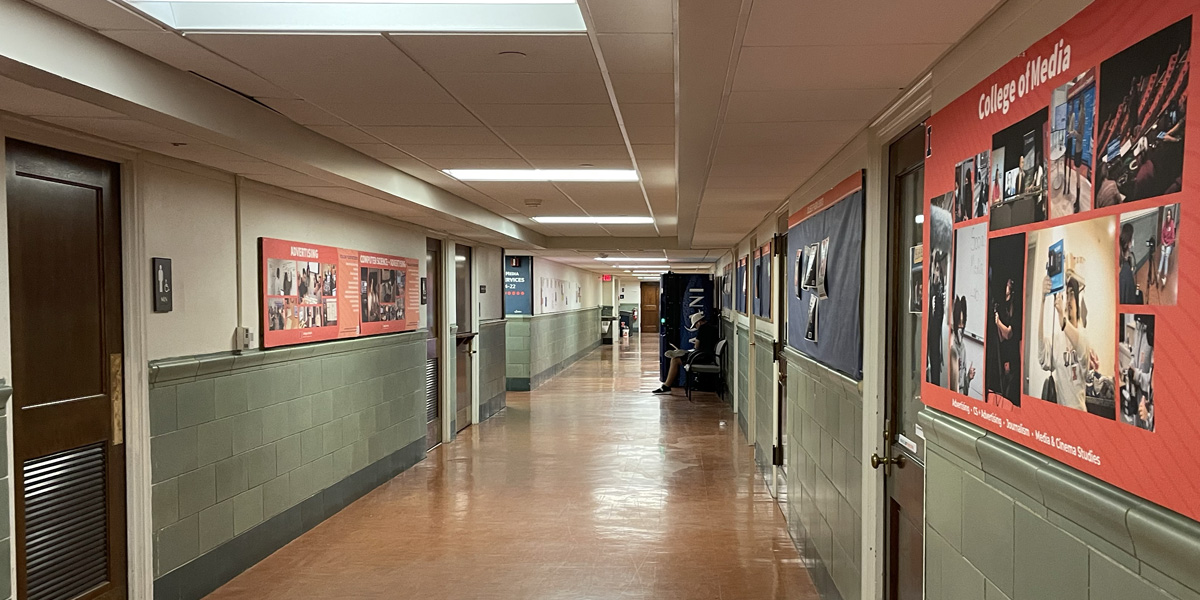
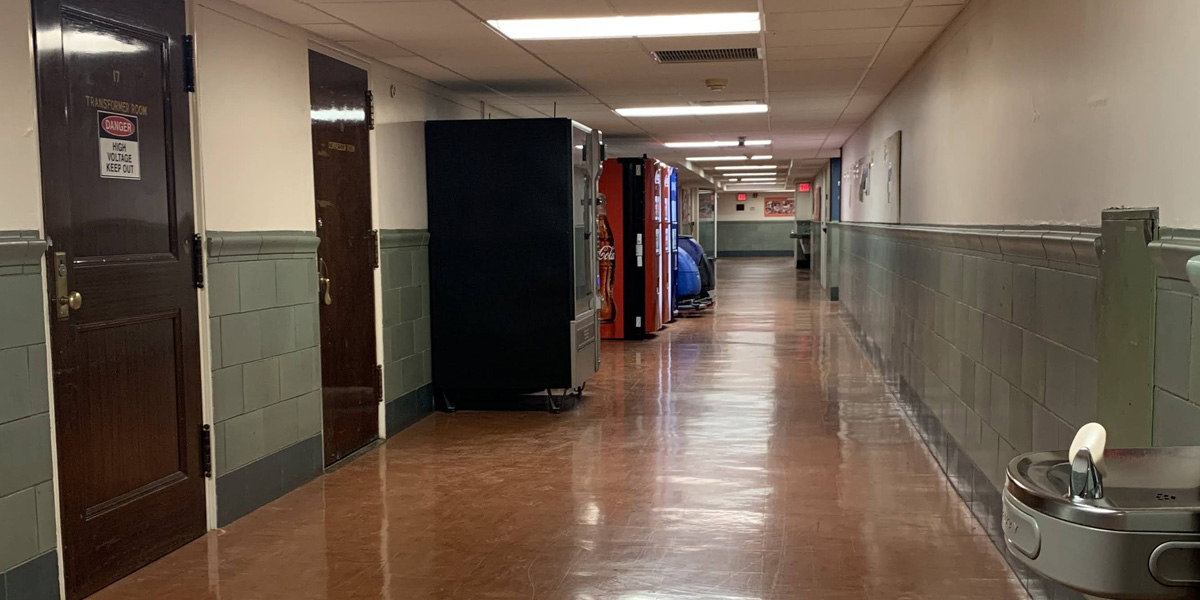
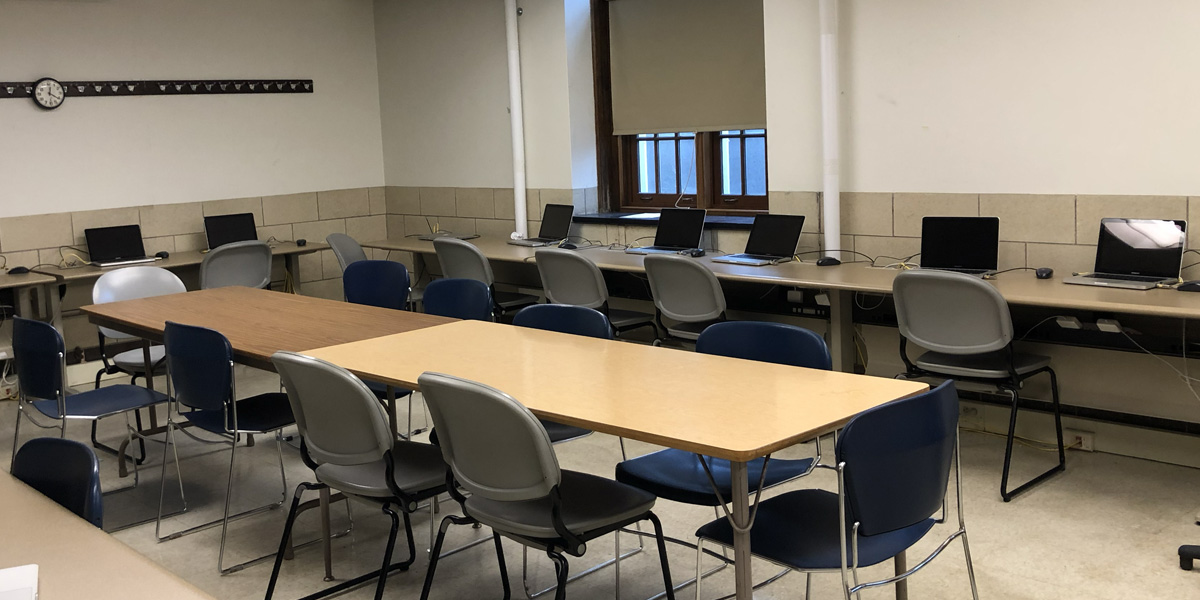
Gregory Hall Lower-Level Corridor

Before Renovations

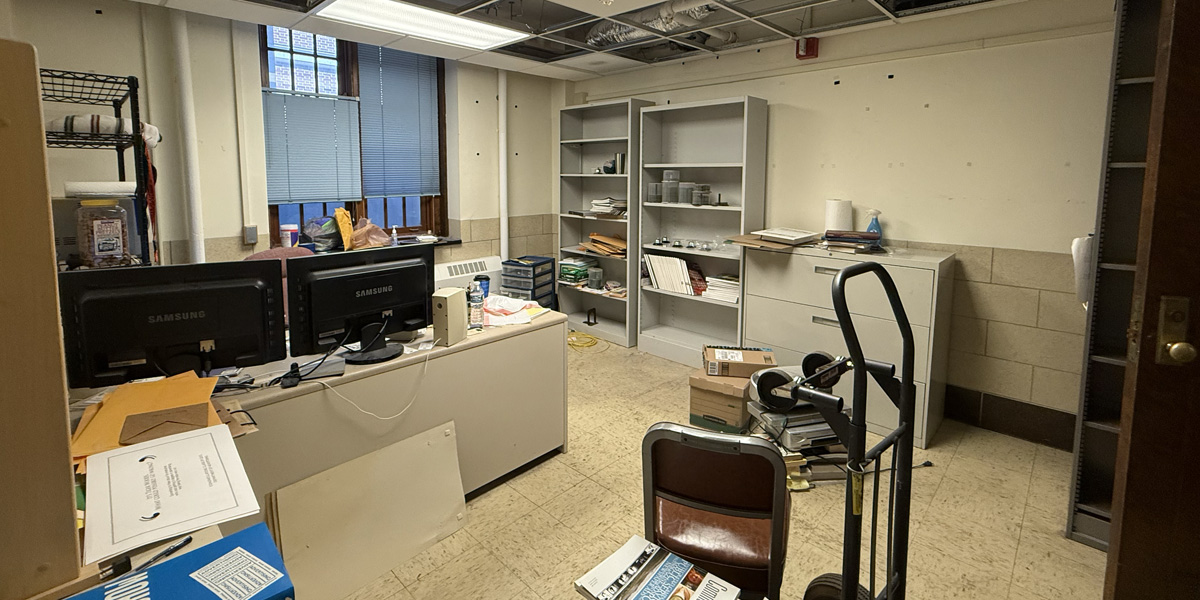
Substantial work in the lower level of Gregory Hall has not occurred since the 1990s. See photos of the original corridor and a faculty office.

  • Gregory Hall lower level corridor before from west
    Gregory Hall lower level corridor before renovations

Renovation Progress

Renovations included painted walls throughout the entire hallway, including the east and west wings, new lighting, and new flooring, including in faculty offices.

  • Gregory Hall lower level hall east painting and primer
    Painting primer in the hallways

Architectural Rendering

The corridor renovations will be complete by the start of Fall 2025. By Spring 2026, new digital signage will be installed in place of bulletin boards that previously lined the walls.

Architectural rendering of Gregory Hall lower level display area

Gregory Hall Room 1

Before Renovations

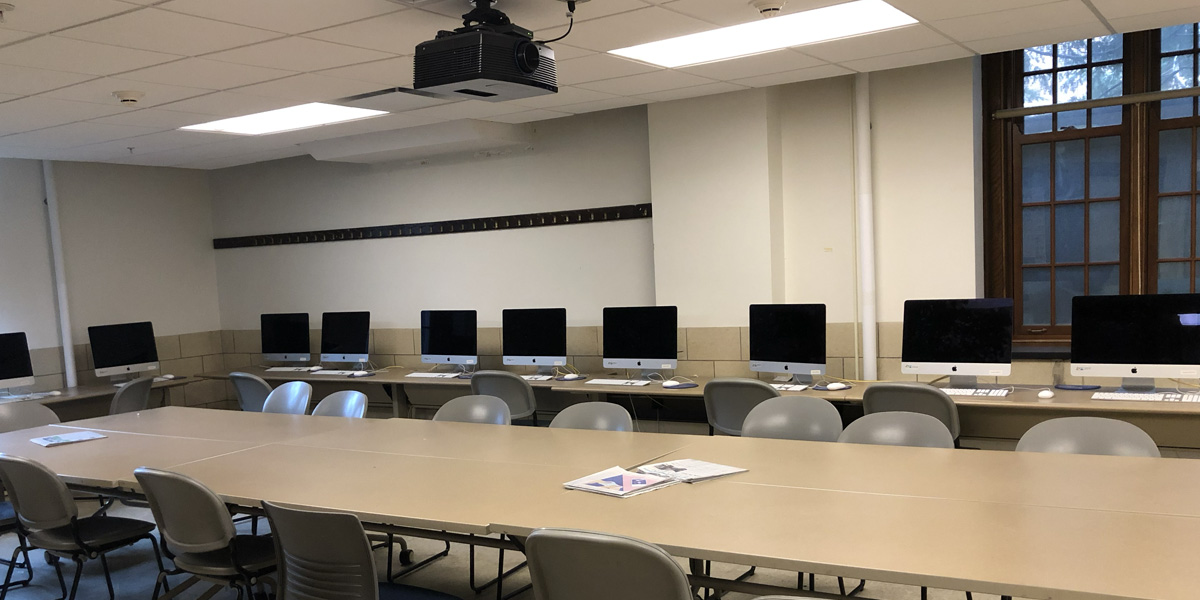
Rooms 1, 2, and 3 on the east wing were two smaller classrooms and a faculty office.

  • Gregory Hall Rooms 1, 2, 3 before
    Gregory Hall Rooms 1, 2, and 3 before renovation

Renovation Progress

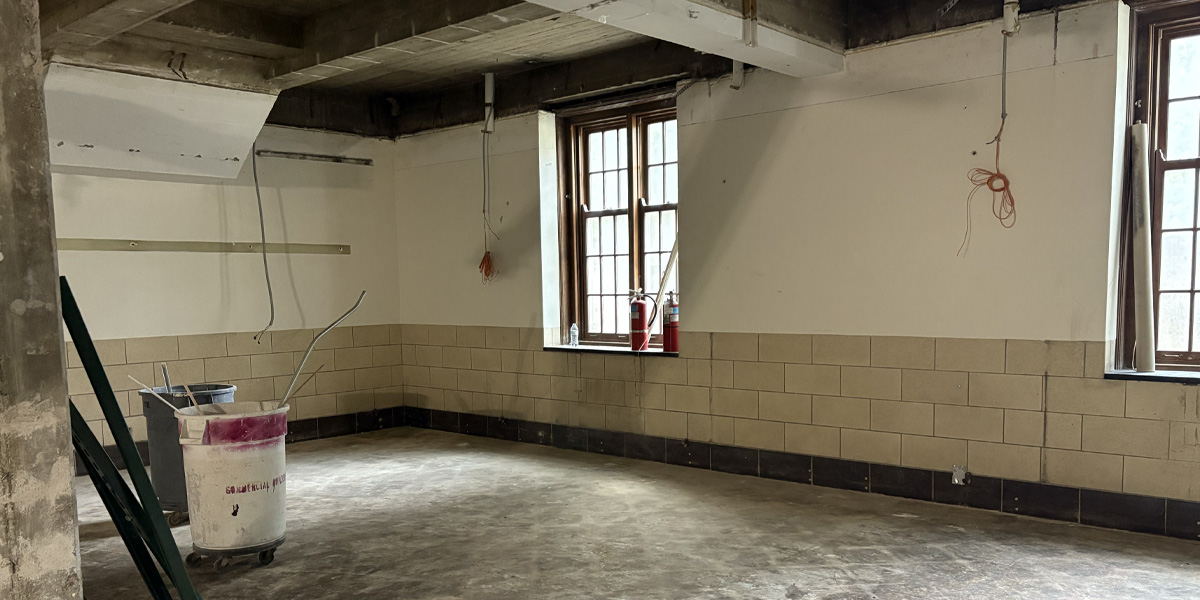
Renovations included knocking down walls to combine Rooms 1, 2, and 3 into a new hybrid/flexible, state-of-the-art classroom.

  • Gregory Hall Room 1 after demo
    Gregory Hall Room 1 after demo

Architectural Renderings

By Spring 2026, Room 1 will offer classes by all three departments in the College of Media, supporting activities such as advertising brand consultations, journalism press conferences, and media and cinema studies production, and will enable hybrid teaching and conferencing.

Architectural rendering of the entrance to Gregory Hall Room 1

Architectural rendering of Gregory Hall Room 1

โ€”Photos by Meghan Burnett and Holly Rushakoff. Architectural renderings by Reifsteck Wakefield Fanning.

Share on social
Students in Media Entrepreneurship course win โ€˜Graphic Design USAโ€™ magazineโ€™s 2025 American Digital Design Awardย 


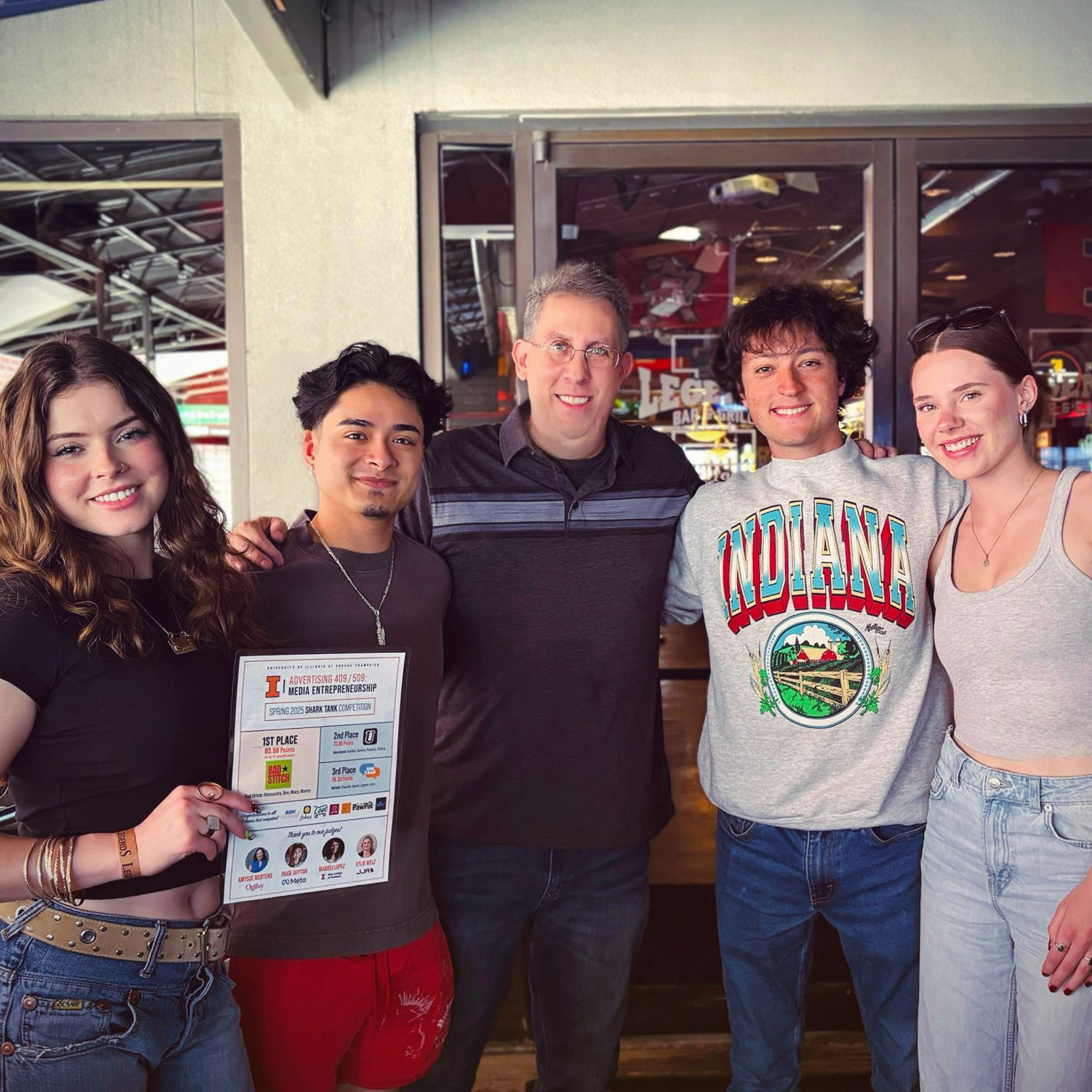
Four students in the Spring 2025 ADV 409: Media Entrepreneurship course won 2025 American Digital Design Awards presented byโ€ฏGraphic Design USAโ€ฏmagazine.

Bad St!tch team

Alessandra Lopez, Macy Miller, Ben Riseman, and Emmanuel Tinajero, all 2025 graduates in advertising, were seniors at the time of the class. 

The students created a comprehensive pitch deck for a new mobile app they conceptualizedโ€ฏcalled Bad St!tch, which lets users share the ways they upcycle their clothes. If another user likes an upcycling idea but doesnโ€™t want to or is unable to do it, they can hire the person who published the idea to do it for them, giving designers a way to showcase their work and potentially acquire customers. 

Terry Kasdan, adjunct lecturer in advertising who teaches ADV 409, said the team won the award in the student work category for Bad St!tchโ€™s brand identity and user interface, which they developed in class. 

โ€œAs much as I still love my โ€˜day jobโ€™ as a digital marketer and agency owner, I have to admit, the hours I spend in class with the amazing students Iโ€™m so privileged to teach in the Charles H. Sandage Department of Advertising and Technology Entrepreneur Center are truly my favorite parts of the week. Nothing beats seeing them transform ideas into real ventures and gain recognition for their creativity and hard work,โ€ said Kasdan. 

Their work was published in GDUSAโ€™s 25th annual Digital Design Awards Showcase, alongside entries by Bank of America, Dell, and Marriott International, Inc. Kasdan said more than 13,000 entries across all categories were submitted this year and just 100 winners were chosen. โ€ฏ โ€ฏ 

See the winning student work.

Share on social
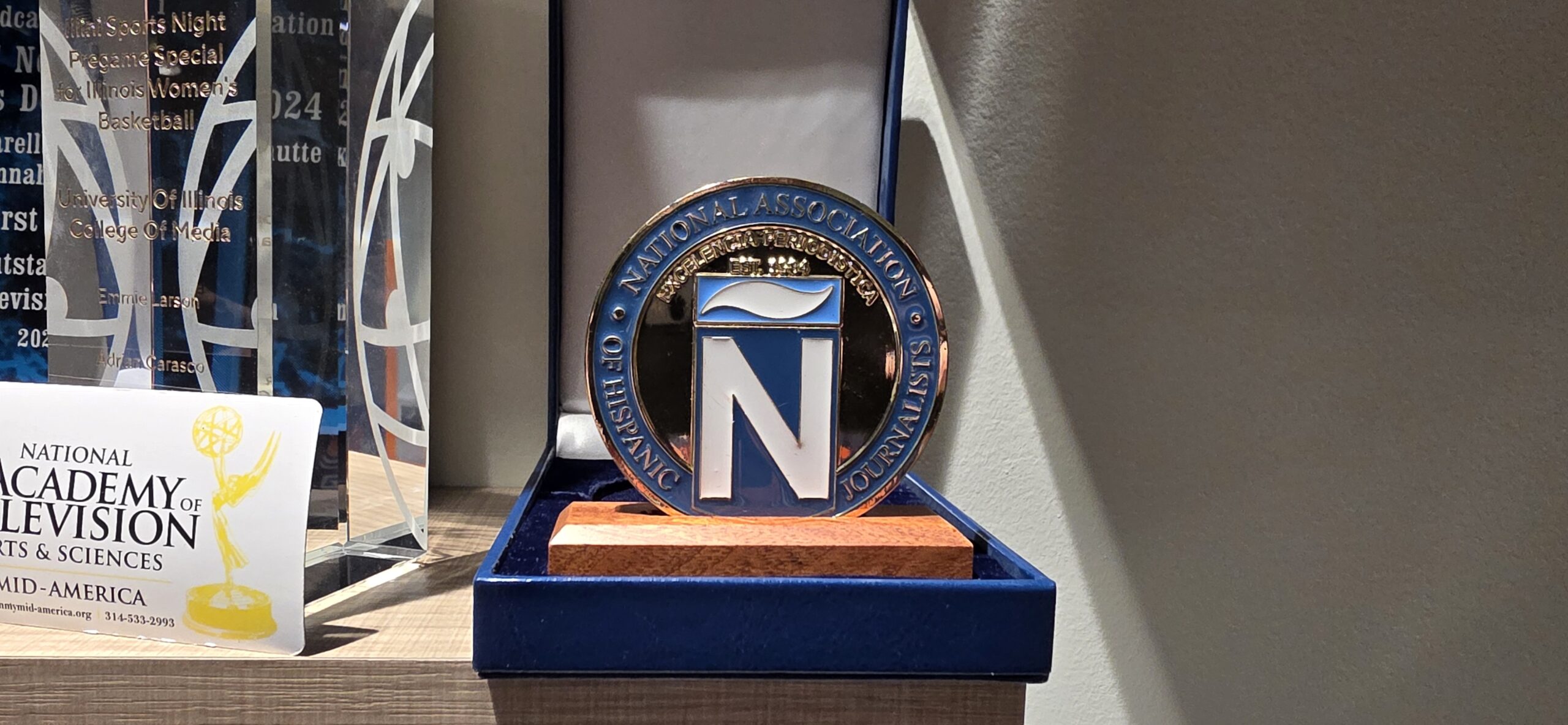
โ€˜En Vivo Contigoโ€™ wins first place for 2025 ร‘ Award from the National Association of Hispanic Journalists


En Vivo Contigo, the first all-Spanish news broadcast on the student-run UI7 Newsroom, won first place for the ร‘ Award from the National Association of Hispanic Journalists in the category of Student Broadcast Journalism.

The award-winning segment featured an interview conducted by Emilio Reyes (BS โ€™25, journalism) with Salvatore Callesano, assistant professor in the Department of Spanish and Portuguese, and highlights the importance and impact of linguistics in Spanish-speaking families.

Reyes also co-produced the piece with Jackie Barba (BS โ€™25, journalism.) Both Reyes and Barba were seniors at the time of production.

The ร‘ Awards honor excellence in categories ranging from investigative journalism and television and video to education reporting and student journalism.

Watch the winning video:

Share on social
College of Media
119 Gregory Hall
810 S. Wright St.
Urbana, IL 61801
217-333-2350