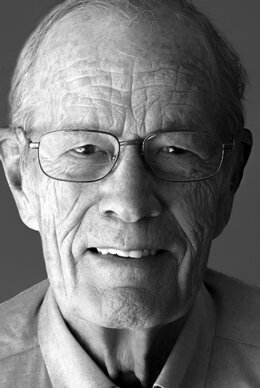
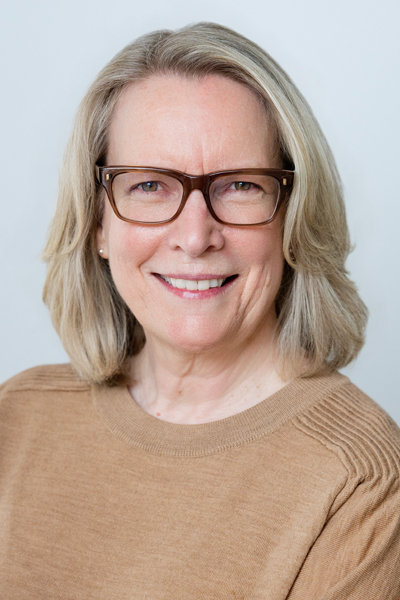
Loren Tate (BS ’53, journalism) was named the recipient of the University of Illinois Alumni Association’s 2026 Lou Liay Spirit Award. Established in 1997, the Lou Liay Spirit Award is presented to those who have consistently demonstrated extraordinary spirit and pride in support of the university, the Alumni Association, and related organizations, exemplifying a positive image of their Alma Mater while inspiring loyalty and pride in their fellow alumni.
Tate has covered Fighting Illini athletics since 1966, when he became a sportswriter, sports editor, and columnist for the The News-Gazette in Champaign. Although he’s been technically retired for nearly three decades, Tate continues to work for the paper as a contract writer.
Tate also has a considerable radio broadcast career related to Illini sports. He provided color commentary for men’s basketball from 1968 to 2001, called football games for several years, and appears regularly on the local station WDWS to discuss the highs and lows of Illinois athletics.
Tate, who authored A Century of Orange and Blue (2004) and Tatelines (2008), was inducted into the Illinois Basketball Coaches Association Hall of Fame in 1974 and the U.S. Basketball Writers Association Hall of Fame in 2021. He also has a street named after him—the street adjacent to the former News-Gazette building was named Loren Tate Way by the City of Champaign.
The Lou Liay Spirit Award, which is bestowed upon alumni by the University of Illinois Alumni Association on behalf of the University of Illinois, was named in honor of Lou Liay, EDM ’62, executive director of the UI Alumni Association from 1983 to 1998.
Tate, along with nine other alumni awardees, will be honored at the UIAA’s 2026 Alumni Awards Gala on October 1 at Pear Tree Estate in Champaign, in conjunction with Homecoming Week, September 27-October 3.
The Institute of Communications Research is excited to announce their newest cohort! Please learn more about the students’ research interests below and join us in welcoming them to the University of Illinois College of Media community this fall. For more information, see full student profiles.
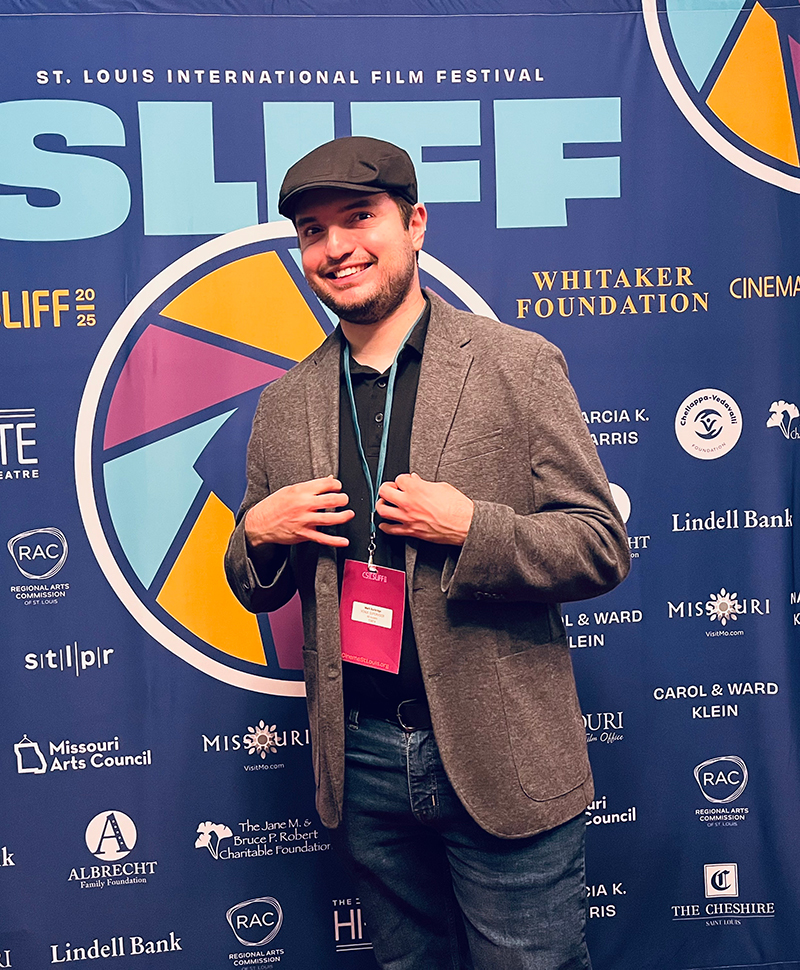
Mark Burbridge’s primary research areas center around film criticism, media studies, and digital media studies, with specific research focus on the evolution of film criticism, histories of film industry and media markets, and how emerging technologies affect popular film discourse.
Boram Cho’sresearch interests include AI creativity, human-AI interaction and collaboration, persuasion knowledge, emerging technologies and media in children and older adults, and ethical AI use.
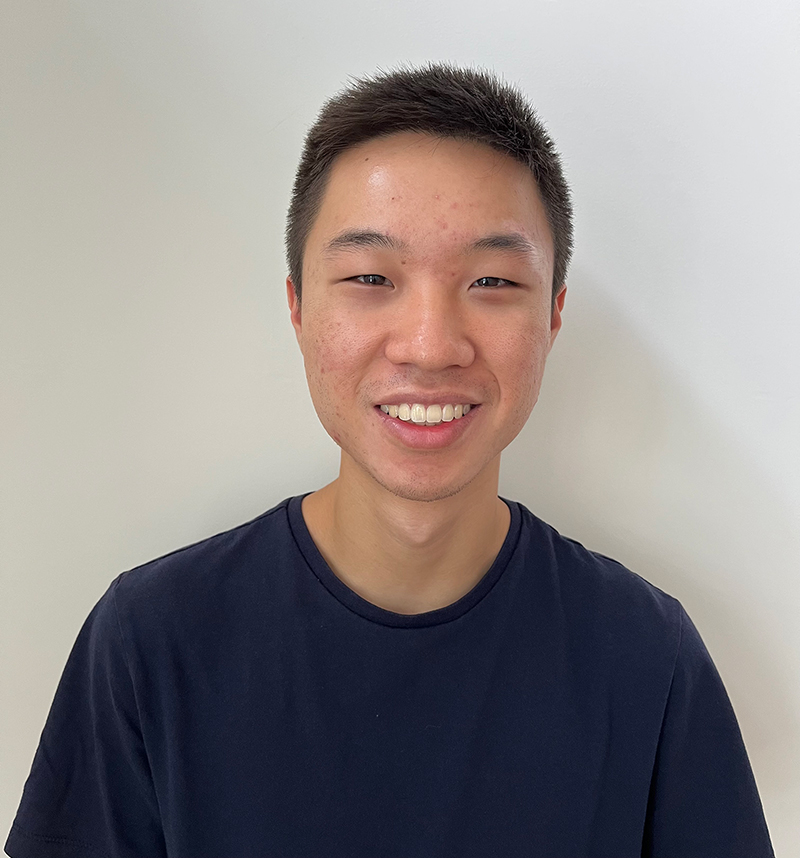
Matthew Huh’sresearch focuses on cultural and audience shifts found in contemporary pop culture, animation, and nostalgia, along with the impact of blockbuster media in film culture.
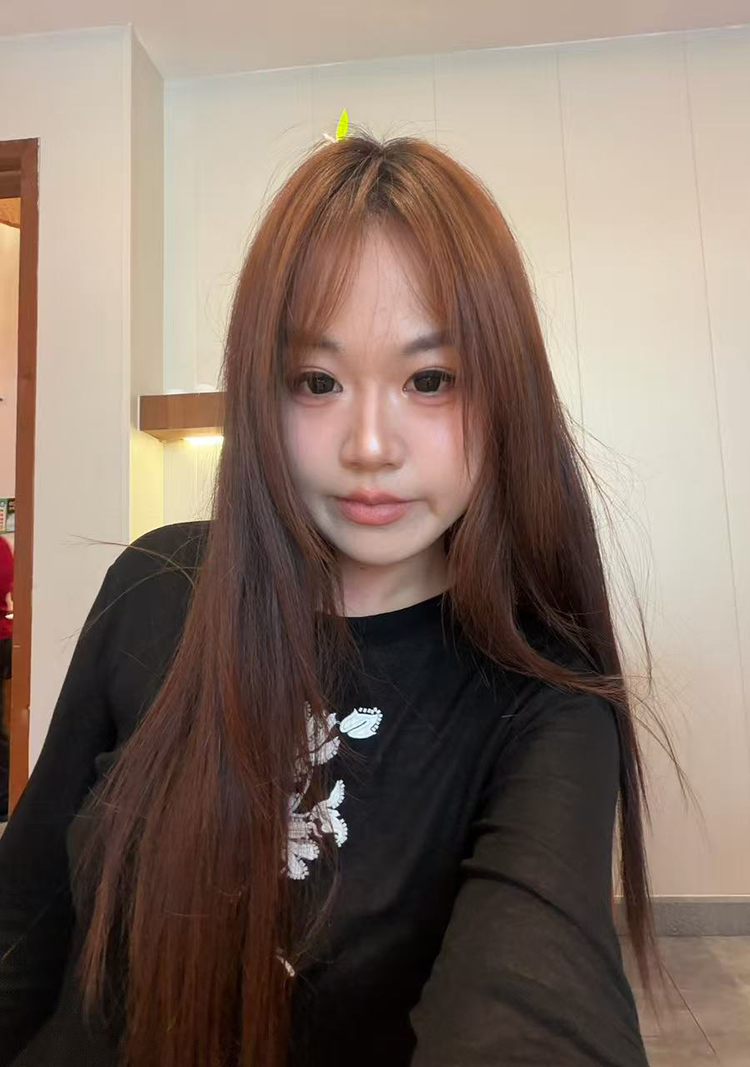
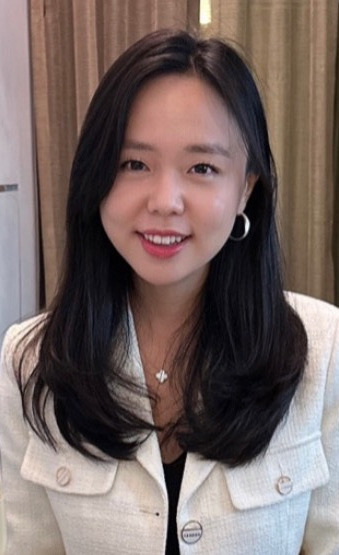
Jiayi (Joy) Wang’s research focuses on artificial intelligence in advertising and consumer behavior, with particular interest in how AI-generated advertising and persuasion knowledge shape consumer responses across digital platforms.
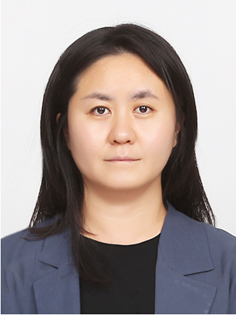
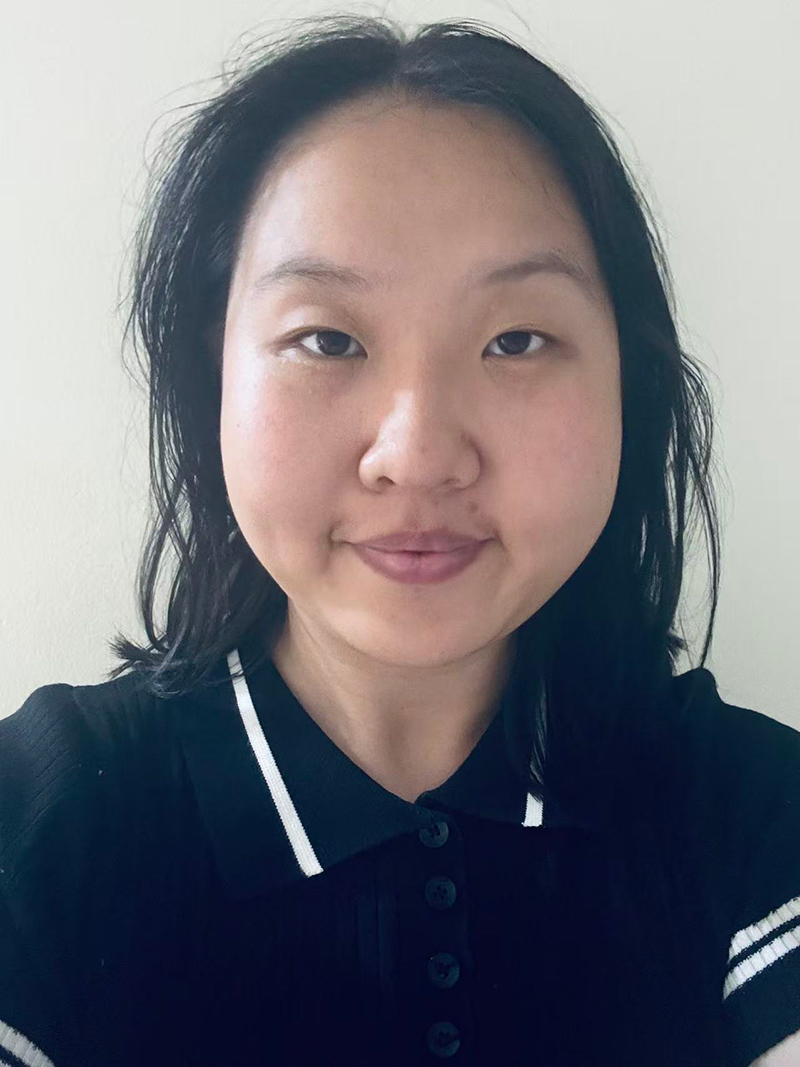
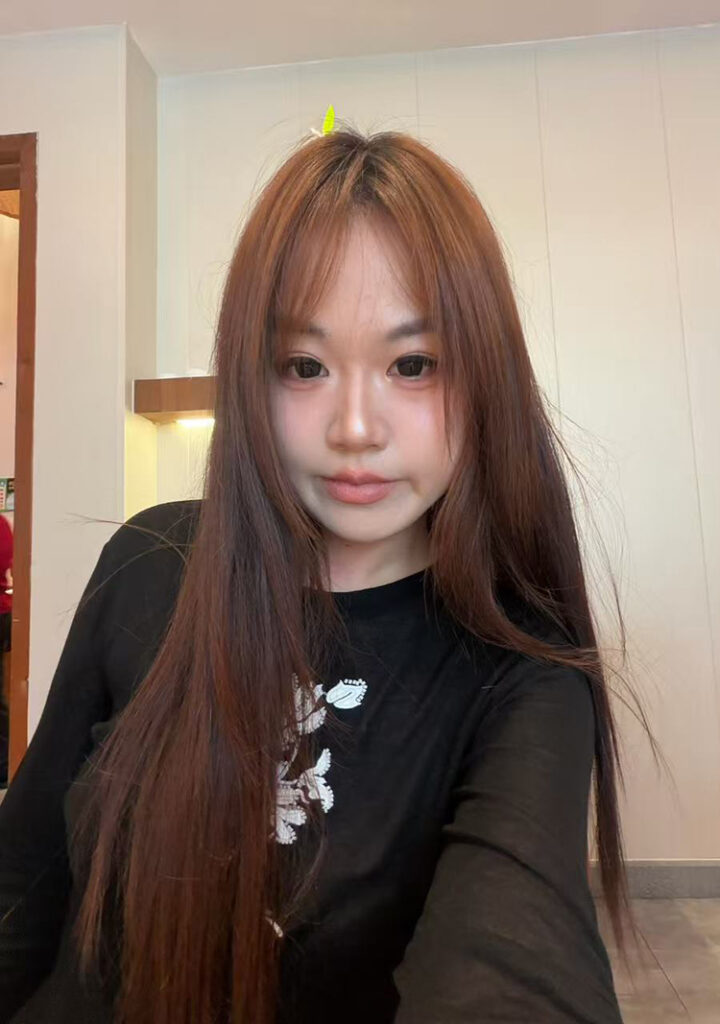
Chenqi Zhu’sresearch interests lie in the intersection of media and communication study, history of science, and science technology studies. She is interested in how communicative, scientific, and technological practices condition and transform each other across historical trajectories, and to their constitutive role in structuring human nature and broader social formations.
Chenqi’s research interests lie in the intersection of media and communication study, history of science and STS. Generally, she’s drawn to how communicative, scientific and technological practices condition and transform each other across historical trajectories, and to their constitutive role in structuring human nature and broader social formations. At a more specific and current focus, she examines how the computational and automated transformation of media semiotics both contributes to and is reconfigured by artificial intelligence, tracing its continuities and ruptures with historical foundations, as well as the challenges it poses for communicative practices where various human activities and selfhood may be redefined.
Prior to joining ICR, Chenqi earned her bachelor’s degree in Journalism and Communication from Shanghai International Studies University and was a visiting student at the University of California, Berkeley.
Recent Publications/Presentations
Chenqi Zhu, Re-Embodying the Interface: A Historical Inquiry into Human-Computer Interaction, 2025 History of Science Society Annual Meeting, HSS, New Orleans, Louisiana, USA, November 13-16, 2025.
Chenqi Zhu, AI-generated Images Present Reduction of Internal Cultural Diversity through Contracted Semiotic Selection, 2025 International Communication Association Regional Conference, ICA, Hefei, China, October 19-22, 2025.
Chenqi Zhu, Illusory Freedom As A Veil Of Deep Passivity: The “Biological Turn” In Viewing Experience From Television To Online Short Dramas, 10th International Conference on Communication & Media Studies, Université Paris 1 Panthéon-Sorbonne, Paris, France, Sep 11-12, 2025.
Chenqi Zhu, Transparency and reverence: research on relation between polytype scientific knowledge and public perception of climate change, Public Communication of Science and Technology Symposium 2024:Communicating Science across Cultures, PCST, Suzhou, China. October 17-19, 2024.
Joy is a doctoral student at the Institute of Communications Research (ICR). Her research focuses on artificial intelligence in advertising and consumer behavior, with particular interest in how AI-generated advertising and persuasion knowledge shape consumer responses across digital platforms. She has contributed to multiple research projects examining AI-generated advertising and consumer trust in emerging media technologies.
Prior to joining ICR, Joy earned an M.S. in Advertising and a B.A. in Communication from the University of Illinois Urbana-Champaign.
Recent Publications/Presentations
Pierre, L., Zambrano Rodriguez, V. C., & Wang, J. (2026). Measuring Consumer Aversion toward AI in Marketing Communication and Assessing Its Relationship to Brand Perceptions and Purchase Intention. Journal of Consumer Behaviour. https://doi.org/10.1002/cb.70163.
Pierre, L., Wang, J., & Zambrano Rodriguez, V. C. (2026). Exploring the influence of ‘artificial intelligence’ mentions in advertising and persuasion knowledge on brand skepticism, perceived manipulativeness, and purchase intention. Journal of Marketing Communications. https://doi.org/10.1080/13527266.2025.2609808.
Courses Taught
ADV 175
ADV 480
Awards and Honors
Bart A. Cummings Advertising Gift Fund, University of Illinois, 2025
AI Creativity, Human–AI Interaction and Collaboration, Persuasion Knowledge, Emerging Technologies and Media in Children and Older Adults, and Ethical AI Use
Recent Publications/Presentations
Boram Cho, Jiyeon Chang, Michelle Nelson, Joy Wang, “I don’t want ads, I just want information”: When and how persuasion knowledge is activated during product search on AI and online platforms, 2026 AEJMC Conference, New Orleans, Louisiana
Boram Cho, Jiyeon Chang, Michelle Nelson, Children and AI Mind Attribution: Reasoning and Learning with ChatGPT through Social Learning Theory, 2026 ICA Conference, Cape Town, South Africa
Boram Cho, Jiyeon Chang, Joy Wang, Michelle Nelson, From mom to disobedient dog and used car salesman: Consumers view AI and Online Platforms in contemporary search differently depending on persuasion intent, 2026 AMA Winter Academic Conference, Madrid, Spain
Jiyeon Chang, Joy Wang, Boram Cho, Mengying Liu, Zhengyuan Hu, Michelle Nelson, “But I Still want to talk to my doctor”: Exploring the perceived informational value of AI-assisted search across product categories using Information Foraging Theory, 2026 AMA Winter Academic Conference, Madrid, Spain
Courses Taught
ADV 150: Introduction to Advertising (Spring, Fall 2026)
ADV 360: Innovations in Advertising (Fall 2025)
Academic Roles
Instructor of record, ADV 150: Introduction to Advertising (Spring, Fall 2026)
Teaching Assistant, ADV 393: Advertising & Society (Spring 2026, Spring 2025, Fall 2024)
Instructor of record, ADV 360: Innovations in Advertising (Fall 2025)
Teaching Assistant, ADV 201: Social Media and Personal Branding (Fall 2024)
Awards and Honors
James Webb Young Travel Fund, Charles H. Sandage Department of Advertising, University of Illinois Urbana-Champaign (Spring 2026)
Graduate College’s Conference Presentation Award, University of Illinois Urbana-Champaign (Spring 2026)
Bart A. Cummings Advertising Gift Fund, University of Illinois Urbana-Champaign (Fall 2025)
AEJMC WMSF (Washington Media Scholars Foundation) Graduate Research Scholarship (Spring 2025)
Matthew Huh is a first-year Ph.D. student in Communications and Media at the Institute of Communications Research. His research focuses on cultural and audience shifts found in contemporary pop culture, animation, and nostalgia, along with the impact of blockbuster media in film culture. Using techniques of historiography, his goal is to recognize how contemporary Hollywood goes beyond the multiplex and instead, to study the changes and impact on audience reception.
He earned a B.A. in Cinema and Screenwriting from The University of Iowa, and later earned an M.A. in Film and Media Studies from Columbia University, where he completed a master’s thesis entitled “Comparative Pastiche and Nostalgia in Contemporary Hollywood: The Lion King (2019) Dangers and Spider-Verse Reinventions”.
Recent Publications/Presentations
“Comparative Pastiche and Nostalgia in Contemporary Hollywood: The Lion King (2019) Dangers and Spider-Verse Reinventions”, Society for Cinema and Media Studies 2026 Annual Conference, Chicago, IL – March 2026
“Through the Multiverse: The Nostalgic Reinvention of Spider-Verse”, The Superhero Project: 9th Global Meeting, Eastbourne, UK – September 2025
This fall, the College of Media announces a faculty investiture, two Dean’s Fellows, two faculty promotions, and three leadership appointments.
Craft appointed as the Karin and Folke Dovring Professor in Journalism and Democratic Society
Stephanie Craft, a professor in the Department of Journalism with an appointment in the Institute of Communications Research, and associate dean for academic and faculty affairs, was named the Karin and Folke Dovring Professor in Journalism and Democratic Society. The professorship supports a distinguished faculty member whose research advances our understanding of journalism and democratic society.
The Dovring Professorship was initially established by Karin and Folke Dovring in 2001. Karin was a foreign correspondent, an internationally recognized communication analyst, and the author of English as Lingua Franca: Double Talk in Global Persuasion (1997) and The Road of Propaganda (1959). Her husband, Folke, was a distinguished professor of land economics who taught at the University of Illinois from 1960 to 1987.
Craft, whose research focuses on news literacy, misinformation, and journalism ethics—particularly how people evaluate and understand news—joined the University of Illinois in 2013. She is best known for her efforts to build news literacy theory by uniting scholars around shared definitions and measures of important concepts (such as “Defining and Conceptualizing News Literacy” and “Developing and Validating a 15-Item True/False Measure of News Literacy Knowledge”) and for her research on the ethical obligations of journalism that arise from its democratic functions and the resulting tension between independence and accountability (such as a special edition of Mass Communication and Society addressing “Media and the Future of Democracy”).
She is the co-author of a widely used introductory textbook, Principles of American Journalism: An Introduction (2025), now in its 4th edition, and serves on the editorial boards of the Journal of Media Ethics, Journalism Practice, and Journalism & Communication Monographs. Craft is also a former head of the Journalism Studies Division of the International Communication Association and of the Media Ethics Division of the Association for Education in Journalism and Mass Communication.
King and Maslowska appointed as Dean’s Fellows focusing on AI
Colleen King, clinical associate professor in the Department of Journalism and director of the Richard and Leslie Frank Center for Leadership and Innovation in Media, and Ewa Maslowska, associate professor in the Chales H. Sandage Department of Advertising with an appointment in the Institute of Communications Research, will serve as Dean’s Fellows for the 2026–27 academic year, with a focus on artificial intelligence.
King will concentrate primarily on AI in curriculum and instruction, while Maslowska will focus on AI in media research and innovation. Both will work to convene discussions across departments and units as the College of Media collectively navigates the perils and possibilities of the AI era.
The Dean’s Fellows Program provides faculty in the College of Media with academic leadership experience through mentoring opportunities, collaboration with colleagues within and beyond the College, and leadership roles on key strategic initiatives and projects.
Faculty Promotions
In the Department of Journalism, Christopher Ball, who has an appointment in the Institute of Communications Research, has been promoted to associate professor with indefinite tenure, and Colleen King has been promoted to clinical associate professor.
Leadership Appointments
Jenny Oyallon-Koloski, associate professor in the Department of Media & Cinema Studies with an appointment in the Institute of Communications Research, will serve as the new director of the Roger Ebert Center for Film Studies.
Leona Yi-Fan Su, associate professor in the Charles H. Sandage Department of Advertising with an appointment in the Institute of Communications Research, will serve as the new director of the Institute of Communications Research.
Kevin Wise, professor in the Charles H. Sandage Department of Advertising with an appointment in the Institute of Communications Research, will serve as Advertising’s associate head of graduate studies.
Several College of Media students, including a recent graduate, expanded their skills, learned more about the industries, and gained valuable professional experience through various internship opportunities this summer. Read about a few of our students’ experiences below in these Q&As.
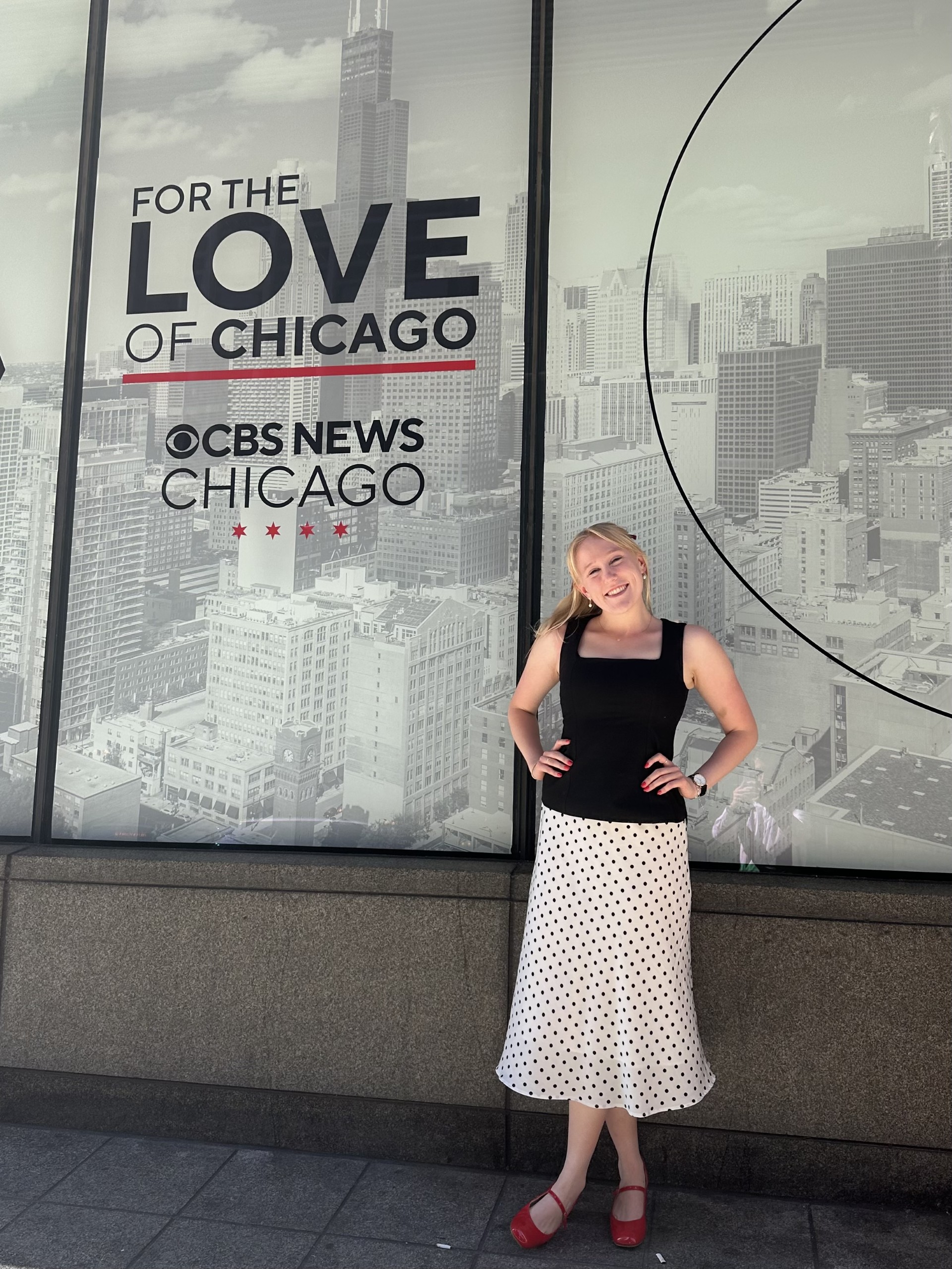
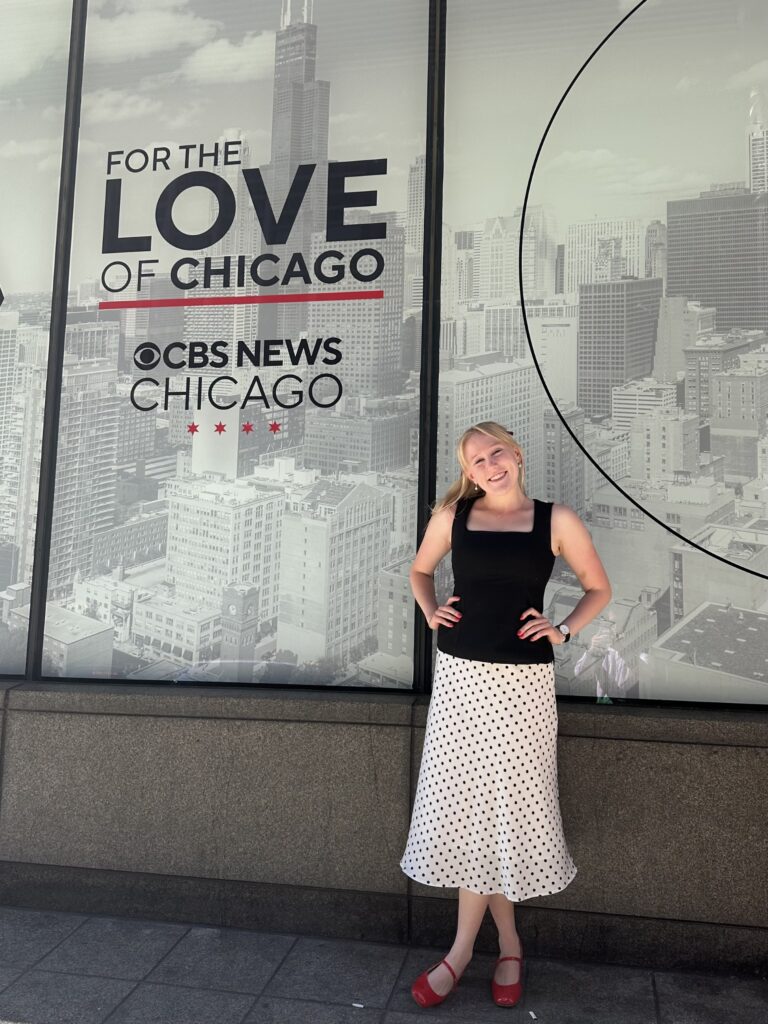
Felicity Abbott, senior in journalism
CBS Chicago | News Intern | Chicago, Illinois
“I’ve had the opportunity to meet so many Illinois alumni working at CBS Chicago and they have welcomed me with open arms. This experience was a great demonstration of how strong the Illini family is and reinforced my decision to study at the University of Illinois.”
What she did: As the newsroom intern, I spent 10 weeks rotating through a variety of positions and roles, expanding a plethora of my journalistic skills. I served as a field producer several times, including for CBS Chicago’s annual “Party at the Pier,” where I coordinated live talent, interviews, a camera crew, and transportation. I also had the opportunity to help with social media coverage of the Obama Presidential Center. I spent several weeks working alongside the CBS Chicago Investigative team, completing research, tagging along on interviews, and practicing script writing. With the producers, I wrote copy for the daily newscasts, sourced VO (voice-over) stories, edited videos, and created graphics. Alongside the digital team, I worked to clip stories, publish them to the CBS Chicago website and wrote digital stories to accompany clips. With reporters, I attended press conferences with city and state officials, practiced standups, and learned how to be efficient with quick deadlines.
What she enjoyed: I really enjoyed the flexibility I was given to move through the different roles in a newsroom. I developed many skills I wouldn’t have if I had only stuck with what I knew. Plus, this allowed me to meet and get to know lots of people, both inside and outside of the newsroom.
What she learned: I learned about how many roles there are in a newsroom of this size and how to effectively communicate between them all. Additionally, I got a lot of good insight into the type of role I can see myself going into post-grad.
What helped her prepare: My extracurricular activities like UI7 Newsroom really helped prepare me for this internship. I had a lot of experience I was able to reference during my interview and had a really solid understanding of TV news right off the bat, which gave me a lot of confidence as I started.
Abbottreceived funding from the College of MediaNancy Ronald and Ronald L. Hartshorn Internship Fund to support this internship.
Said Bravo, (BS ’26, journalism)
The Commercial Appeal | Sports Intern | Memphis, Tennessee
What he did: I interned at The Commercial Appeal, a legacy newspaper in Memphis. I was the sports intern through the Sports Journalism Institute.
What he enjoyed: I enjoyed the little moments in between assignments where I got to hang out with the sports staff and pick their brains. The best part about it was doing original reporting and working on enterprise stories. Over the summer, I had over 50 bylines and some vertical videos.
What he learned: I learned you must take initiative to succeed in print. You must seek out stories; oftentimes the best stories won’t fall on your lap. I also learned details matter a lot. The more granular you can go with a story, the better.
What helped him prepare: The Sports Journalism Institute prepared my cohort and me with a five-day sports journalism bootcamp at Arizona State University. They put me in a unique position to succeed in starting my career. I have been hired as a full-time sports reporter at Shaw Local in Kankakee, Illinois, where I will be covering high school sports.
Ruiyao Chao, graduate student in advertising
TikTok | Talent Acquisition Partner | San Jose, California
“Overall, this internship was a great learning experience. It helped me connect what I learned in class with real work. I also learned more about the career path I want to pursue. I am very grateful to my mentors and teammates for their support.”
What she did: We supported several technical teams, including AI Research, Search & Recommendation, E-commerce Algorithm, and Intelligent Creation. My work included sourcing candidates, talent mapping, conference recruiting, and supporting hiring managers.
What she enjoyed: I really enjoyed talking with candidates and talent mapping, which helped me understand how different companies and teams are structured. I also learned what skills companies are looking for.
What she learned: I learned that recruiting is not just about filling open roles. Recruiters also need to understand the business and the talent market. They need to know what the team needs and where to find the right people. Building strong relationships with candidates is also very important.
What helped her prepare: My classes at the University of Illinois helped me improve my communication and research skills, understand workplace communication, teamwork, and how technology affects the way people work. These skills were useful when I worked with recruiters, hiring managers, and candidates.
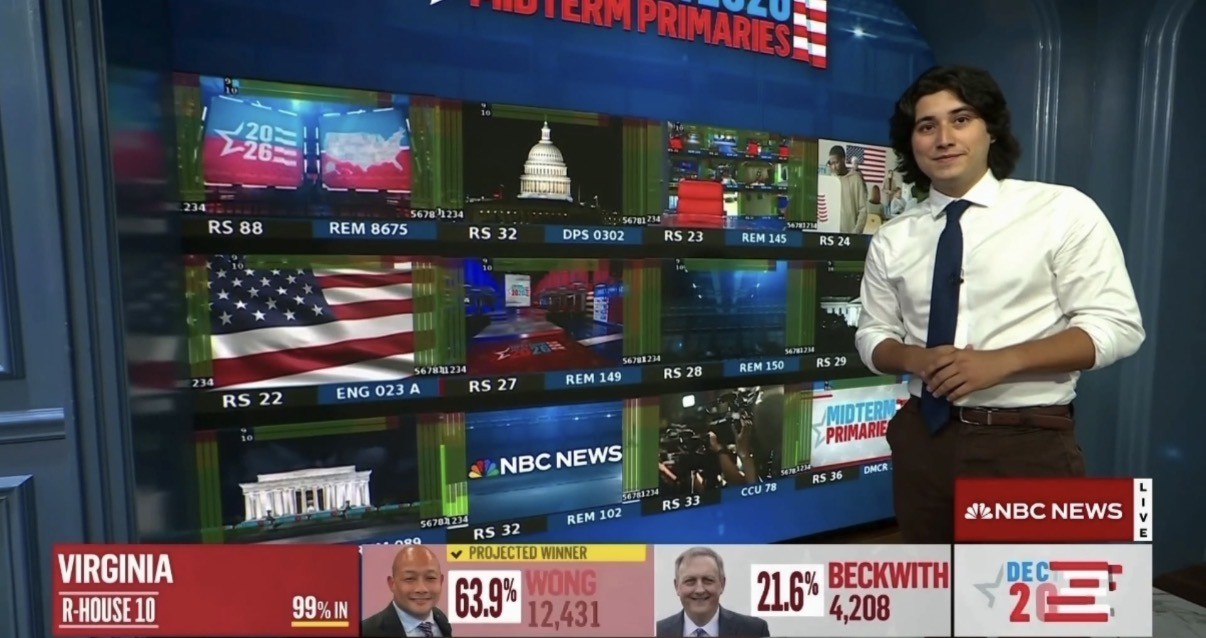
Nathan Gonzalez, senior in journalism
NBC News | Intern at Justice and National Security Unit | Washington, D.C.
I’m eternally grateful for the lecturers, professors, and staff at the College of Media. Because of them, I’ve landed an internship every summer, two of them in Washington, D.C., and been accepted into some of the most prestigious programs in political journalism. Thanks to the College of Media, I’m a multiskilled journalist who’s prepared for graduation and ready to start my professional career.
What he did: During my internship, I focused on national security reporting, learning how to navigate procedures, understand documents, conduct research, and investigate the operations of the Department of Justice, Department of Homeland Security, Department of Defense, CIA, FBI, ICE, and Customs and Border Protection. I also learned how to properly report on U.S. federal courts. I was frequently sent to cover rulings and hearings at the U.S. District Courts in Alexandria, Virginia, and Washington, D.C., as well as a week of Supreme Court opinions, where I sat in the courtroom and reported quotes from the justices back to the bureau. I booked and conducted interviews with immigration advocates and legal counsel on deportation cases. I was published multiple times as a reporter and researcher on the NBC News website and have my own author page. I learned how to conduct background checks, geographic tracking, and conflict-of-interest research using open-source intelligence.
I also led data processing and analysis for the unit on defense contracts, ICE deportation statistics, and FEC filings. I also led national security research for the July 4th celebrations in Washington, where I broke the news of an evacuation order to the bureau which ended up airing on our network.
What he enjoyed: I enjoyed being back in Washington, learning more about political reporting, and getting to work at my dream network, NBC News.
What helped him prepare: JOUR 400: Newsroom Experience and my work at UI7 Newsroom in general prepared me a great deal, helping me build my politics show Illinois in Session.
Gonzalezreceived funding from the College of MediaNancy Ronald and Ronald L. Hartshorn Internship Fund to support this internship.
Zijie Wang, senior in media and cinema studies
OpenQQuantify | Media Intern | Remote Work Opportunity
“This internship made me sure of my interest in media production, documentary development, and research-based content creation. It not only helped me accumulate portfolio-building and professional development experience but also made me more aware that I want to continue to explore technology storytelling and educational media direction in the future.”
What he did: As part of OpenQQuantify’s technology documentary initiative, which focused on areas such as artificial intelligence, robotics, cybersecurity, fintech, and other emerging technologies, I assisted in documentary research, organizing and editing digital media assets, content publishing, and social media outreach. I also helped with interviews, media coordination, creative brainstorming, and online community engagement. My goal was to transform technical information into content that is clearer and more suitable for public understanding.
What he enjoyed: My favorite thing is that this internship combined research and creative media production. This internship made me see that a professional documentary project requires a lot of preliminary research and fact-checking. I especially liked the process of documentary theme research and content conception, because I was able to help the audience understand complex scientific and technological topics.
What he learned: Through this experience, I learned that media production is not just about shooting, editing, or publishing content. A good media project requires accurate information, clear narrative structure, and cooperation between teams; especially technology-focused media production, which requires both creative and analytical skills. Through the internship, I also learned a lot about documentary research, digital storytelling, social media communication, video editing, technology journalism, and innovation reporting.
What helped him prepare: My courses related to digital media, content creation, and media writing helped me prepare for this internship. These courses taught me how to organize information, analyze the audience, tell a good story, and express the content clearly.
Seo-Jeong (Rachel) Heo is a PhD candidate in the Institute of Communications Research, which houses the world’s oldest doctoral program in communications and media. Heo’s research interest focuses on what happens as AI takes on a bigger role in consumers’ lives.
Describe your areas of research interest.
I’m especially interested in three questions. First, how do people make sense of AI in the first place—what do they believe a machine can genuinely experience, claim, do, or create? Second, what changes when AI moves from simply providing information to recommending, interpreting, and eventually acting on a consumer’s behalf? And third, what happens when AI becomes emotional—when it recognizes how we feel, expresses emotions of its own, or begins to function more like a companion than a tool?
How do you approach your research?
I study these questions in advertising and consumer decision-making across contexts such as virtual influencers, generative AI advertising, conversational AI, social robots, AI shopping agents, and emotionally responsive AI. I also try to study these technologies in settings that resemble how people actually encounter them. Rather than relying only on written scenarios, many of my studies use live AI conversations, interactive advertising interfaces, and simulated shopping environments where participants actually interact with or delegate tasks to an AI. That allows me to study not just what people say they would do with AI, but how they respond when the technology is actively participating in the decision.
As AI moves from communicating with consumers to influencing their decisions, to acting for them, and even relating to them, it keeps entering roles that were once occupied by people. I want to understand how consumers decide what role a machine is allowed to play in each of those roles—and what happens when it crosses the line.
Seo-Jeong (Rachel) Heo
ICR Doctoral Student
Why does your research matter?
Even if you never think of yourself as an “AI person,” AI is increasingly involved in ordinary decisions around you. It can influence which products you see, explain why an advertised option supposedly fits you, recommend what to buy, create the advertising itself, or even complete parts of a purchase on your behalf. At the same time, companies are designing AI to sound warmer, more understanding, and more human.
Each of those changes raises a different question that matters beyond AI itself. When AI creates or endorses something, we have to decide what kinds of claims we consider credible coming from a machine. When AI recommends something, we have to decide how much weight to give its judgment. When it acts for us, we have to decide how much control we are willing to hand over. And when it becomes emotionally responsive, we have to decide whether we are still interacting with a tool or beginning to treat it as a social partner.
Those are ultimately questions about persuasion, autonomy, responsibility, and relationships. They matter because AI is increasingly being inserted into moments where consumers are vulnerable to influence—when they are uncertain about what to choose, when they are delegating a consequential decision, or even when they are looking for emotional support. Understanding when these systems help people and when they become uncomfortable, misleading, or overly influential can inform not only advertising practice, but also how companies design AI and how consumers are protected as these technologies become more deeply embedded in everyday life.
How did ICR help you develop and hone in on your research area?
ICR gave me the freedom to follow a research question across disciplinary boundaries. My work is grounded in advertising and consumer psychology, but it also draws from communication, social psychology, human–computer interaction, and research on emotion and emerging technology. Having faculty with expertise spanning AI, computational approaches, and emotional and physiological processes made it possible for me to think about consumer–AI interaction from more than one perspective.
ICR also broadened my methodological training. In addition to experimental and survey methods, coursework in analytics and computational research introduced me to R-based data analysis (a free, open-source software environment designed for statistical computing and graphics) and encouraged me to think more broadly about the kinds of data and methods I can use. That combination of theoretical breadth and methodological flexibility helped me move from studying individual AI phenomena to developing a more connected research program.
Just as importantly, ICR taught me to keep asking, “What is the theoretical question underneath the new technology?” AI changes incredibly quickly. A platform or feature that feels novel today may look completely different a few years from now, so I learned not to build my research around a particular technology. Instead, I focus on the more enduring human questions underneath it—how people infer minds and intentions, respond to persuasion, give up control, assign responsibility, and form relationships.
What led you to be interested in your research area?
I became interested in AI because I kept noticing that the most interesting part was not whether the technology worked—it was how quickly people began treating it as something more than technology.
A conversational AI can produce a technically correct answer, but people still ask whether it really understands them. A virtual influencer can present a product perfectly, but consumers may still wonder whether it could actually have experienced what it is describing. And an AI can make a very good recommendation, yet that recommendation feels different once the system moves from saying, “Here is what I think you should buy,” to saying, “I can buy it for you.” That shift toward agentic AI, which can search, choose, and execute decisions on the consumer’s behalf, made me especially interested in what happens when people stop simply taking advice from AI and begin giving it authority.
What other aspects of your research do you find interesting?
AI systems are increasingly designed not only to be capable, but to be emotionally responsive—to recognize distress, offer reassurance, express emotion, and maintain ongoing conversations. That creates a very different set of questions. What does it mean when a machine says, “I understand,” or even, “I feel the same way”? When does that make the interaction feel supportive, and when does it feel artificial or manipulative? And what happens when repeated emotional interaction develops into something that consumers experience as a relationship?
Those moments are what continue to draw me to this area. As AI moves from communicating with consumers to influencing their decisions, to acting for them, and even relating to them, it keeps entering roles that were once occupied by people. I want to understand how consumers decide what role a machine is allowed to play in each of those roles—and what happens when it crosses the line.